Have you ever stopped to think about what happens when you turn on a faucet? Water instantly flows out, clean and ready to use. When you pull the plug in the bathtub, that water magically disappears down the drain.
Behind the walls and beneath the floors of your house lies a complex, fascinating network. This network is your home plumbing system.
Most of us take our plumbing for granted. We only pay attention to it when something goes wrong. However, understanding how this system works is incredibly empowering for any homeowner.
When you know the basics of your home plumbing system, you can easily spot minor issues before they become expensive disasters. You can also perform simple maintenance tasks that keep everything running smoothly.
What Is a Home Plumbing System?
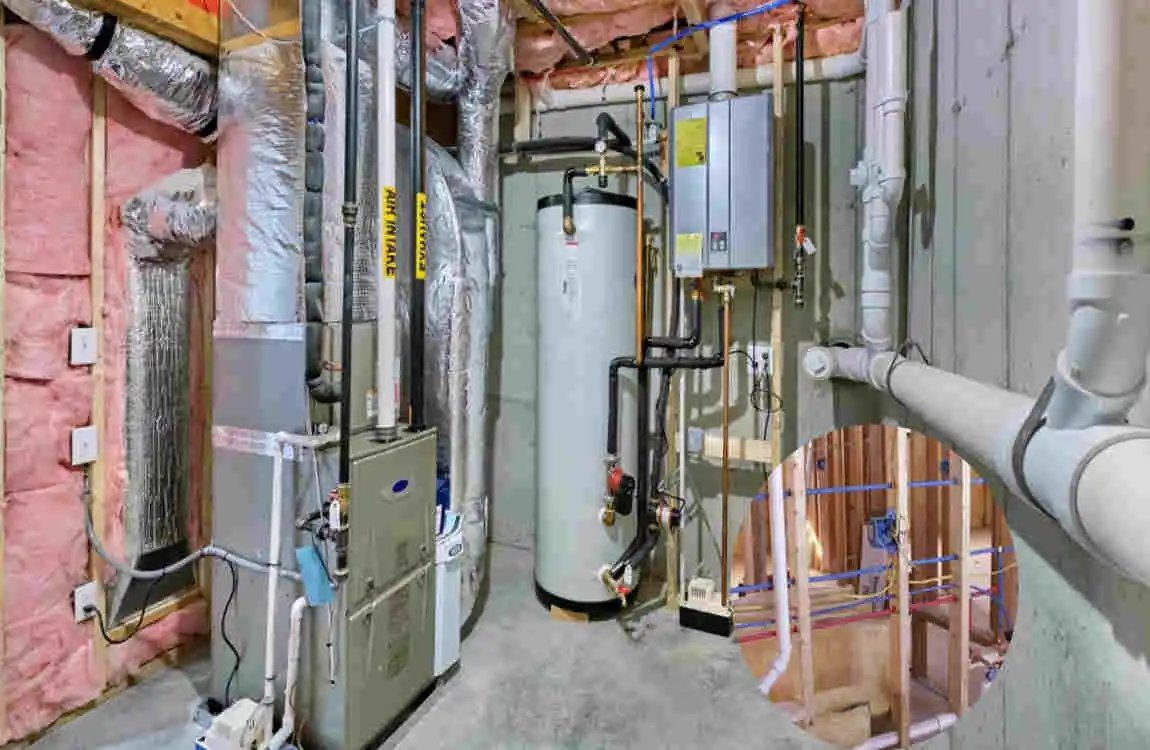
Definition of a Home Plumbing System
Simply put, a home plumbing system is the entire network of pipes, valves, drains, and fixtures in your house.
Think of it as the circulatory system of your home. Instead of pumping blood, it pumps fresh water in and carries dirty wastewater out.
The main purpose of this system is to safely deliver clean, pressurized water to your sinks, showers, and appliances. After you use that water, the system safely carries the waste away from your home and into the city sewer or a private septic tank.
Why It Is Important
You might wonder why you need to care about the pipes behind your drywall. The truth is, a well-maintained plumbing system is vital for your daily life.
First and foremost, it ensures health and sanitation. By keeping clean drinking water completely separate from dirty wastewater, your plumbing prevents the spread of diseases and bacteria.
Second, an efficient system promotes water conservation. When you fix leaks and understand how your water flows, you waste much less water. This helps the environment and lowers your monthly utility bills.
Finally, a solid plumbing setup guarantees home safety. Water damage from burst pipes or hidden leaks can destroy your walls, ruin your floors, and lead to toxic mold growth. Taking care of your plumbing means protecting your biggest investment: your home.
Main Components of a Home Plumbing System
To understand how your plumbing works, you need to know its main parts. Every home plumbing system consists of a few major categories.
Water Supply Lines
Your water supply lines are responsible for fresh water delivery. This is the network of pipes that brings clean water from the city main or your private well directly into your house.
This water is under high pressure. That pressure is exactly what pushes the water upstairs and around corners to reach your showerhead.
Builders use several common pipe materials for these supply lines. You will often see copper, PEX, or galvanized steel bringing fresh water to your fixtures.
Drain-Waste-Vent (DWV) System
Once you use the water, it has to go somewhere. That is where the Drain-Waste-Vent (DWV) system steps in.
The DWV system focuses on removing wastewater from your house. Unlike supply lines, these pipes do not rely on pressure. Instead, they angle downward and use the simple force of gravity to pull dirty water away.
Ventilation is another crucial part of this setup. The “V” in DWV stands for vent. Vent pipes go up through your roof to let air into the plumbing system. This airflow prevents vacuums from forming and allows the wastewater to flow smoothly.
Plumbing Fixtures
Fixtures are the parts of the home plumbing system that you interact with every single day. They act as the bridges between the water supply lines and the drain systems.
Some of the most common fixtures in your home include:
- Sinks: Found in your kitchen and bathrooms.
- Toilets: The most vital fixture for household sanitation.
- Showers: Where you enjoy hot, pressurized water.
- Bathtubs: Perfect for soaking, requiring high water volume.
- Faucets: The controls that let you turn the water on and off.
Water Heater
Nobody likes taking an ice-cold shower. Your water heater is the appliance that takes cold water from the supply lines and warms it up for you.
The main purpose of this appliance is to provide a reliable source of hot water for bathing, cooking, and cleaning.
There are two main types of water heaters. Traditional tank heaters store gallons of hot water, keeping it warm until you need it. Tankless water heaters, on the other hand, heat the water instantly as it passes through the unit.
Shut-Off Valves
Shut-off valves are the unsung heroes of your home plumbing system. They act as emergency brakes for your water supply.
You have a main water valve located where the water first enters your home. If a pipe ever bursts, turning this valve off will stop all water flow into the house, saving you from a major flood.
You also have individual fixture valves. You can usually find these small knobs behind your toilet or under your sinks. They let you turn off the water to a single fixture without shutting down the water for the whole house.
How a Home Plumbing System Works
Now that you know the parts, let us look at how they work together. The process is surprisingly straightforward when you break it down.
Water Supply Process
Clean water enters your home through the main supply line. Because this water is under heavy pressure, it travels easily through your pipes.
Right after entering the house, the water passes through your water meter. This device tracks how much water you use.
From there, the supply pipe splits into two paths. One path takes cold water directly to your sinks, toilets, and appliances. The other path goes straight into your water heater to create your hot water supply.
Wastewater Removal
When water goes down the drain, the pressurized journey ends. Now, gravity takes over the wastewater removal process.
All your drain pipes slope slightly downward. This gentle slope allows wastewater and solid waste to slide easily through the pipes.
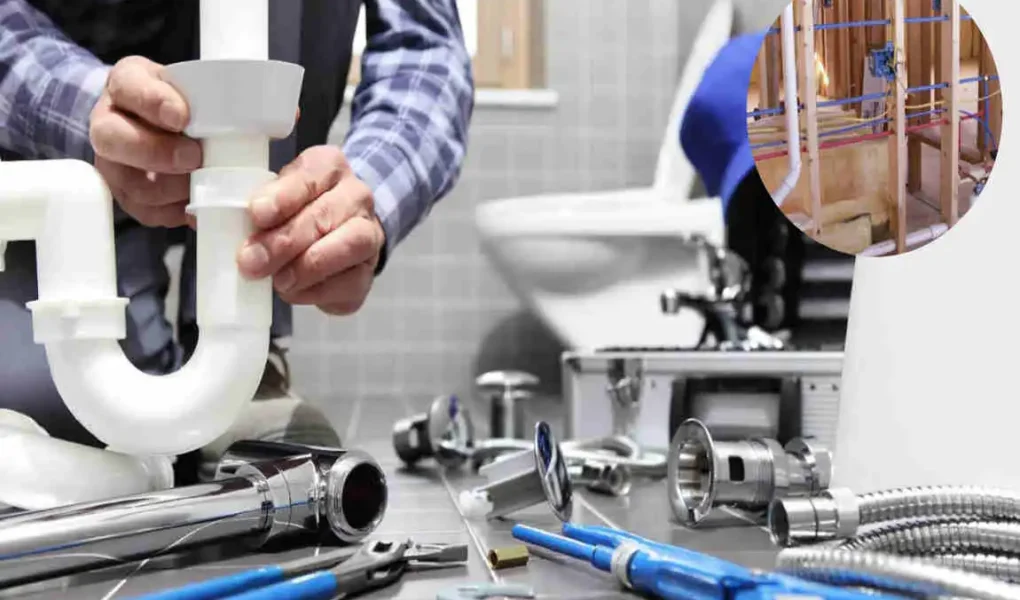
Before the water leaves your house, it passes through a curved pipe under your sink called a P-trap. This curved section holds a small amount of water at all times. This tiny water barrier stops foul, dangerous sewer gases from floating back up the drain and into your home.
Vent Pipes and Airflow
If you take a straw, put it in water, and cover the top hole with your finger, the water stays trapped inside. Your drains work the same way. They need air to push the water down.
That is why vent pipes and airflow are so critical. Vent pipes reach up through your roof and pull air from the outside into your drain pipes.
This fresh air breaks the vacuum, allowing the wastewater to glide smoothly down the pipes and into the municipal sewer or your septic tank.
Common Types of Plumbing Pipes
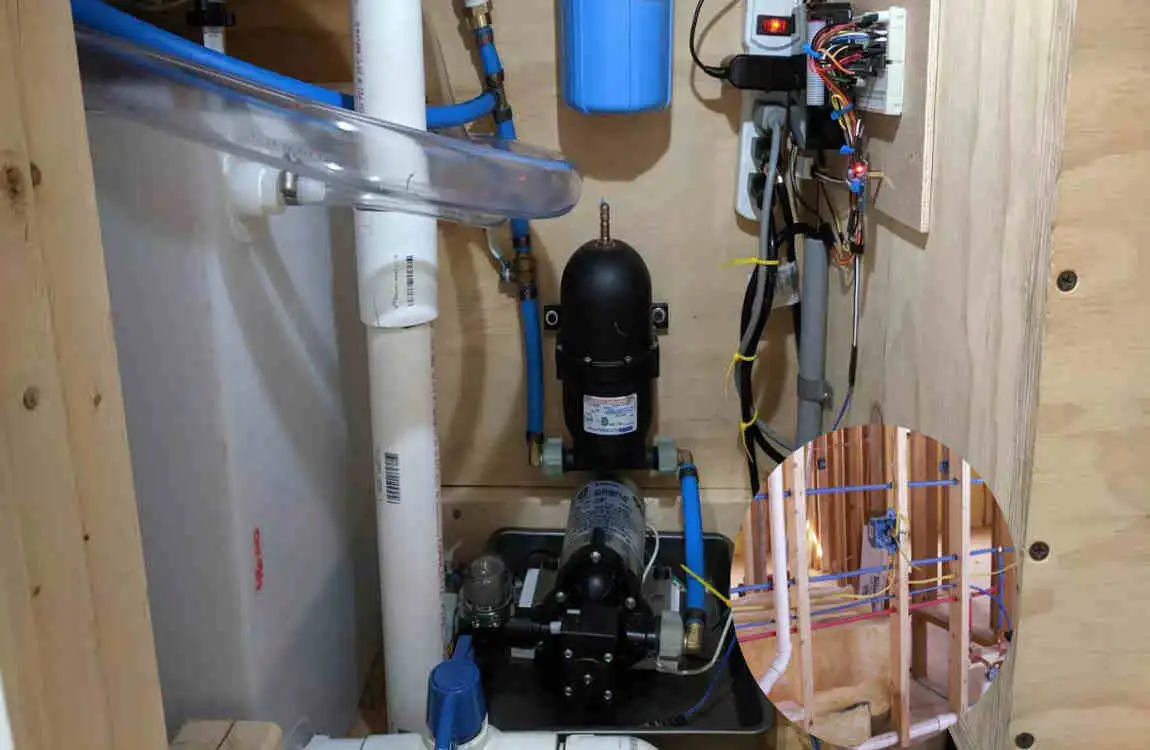
Different parts of your home plumbing system require different types of pipes. Over the years, plumbing materials have evolved to become safer and more durable.
Here is a quick look at the most common plumbing pipes you will find in modern homes.
Pipe MaterialBest ForLifespanAdvantages
PVC Drain lines 50+ years Affordable
PEX Water supply 40–50 years Flexible
Copper Hot & cold water 50+ years Durable
CPVC Hot water 40–50 years Heat-resistant
ABS Drainage 50 years Lightweight
Common Home Plumbing Problems
Even the best home plumbing system will run into trouble eventually. Parts wear out, and accidents happen. Here are the most common issues you might encounter.
Leaky Faucets
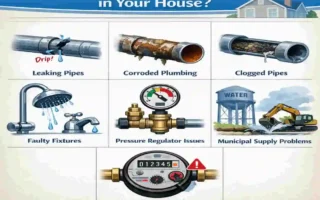
We have all heard that annoying dripping sound in the middle of the night. A leaky faucet is usually caused by a worn-out rubber washer or an old O-ring inside the tap. While it seems like a small nuisance, a dripping faucet can waste thousands of gallons of water over a year.
Clogged Drains
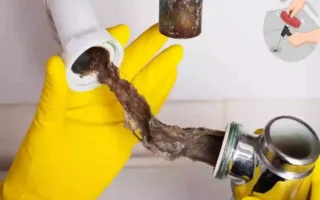
When water pools around your feet in the shower, you have a clogged drain. Clogs usually happen when hair, soap scum, grease, or food scraps build up inside the pipe. Over time, this sticky mess completely blocks the flow of water.
Running Toilets
If you hear water running in your bathroom long after you flush, you have a running toilet. This usually means the flapper valve inside the toilet tank is not sealing correctly. A running toilet can silently waste an enormous amount of water and spike your utility bill.
Low Water Pressure
Do you turn on the shower only to get a weak trickle of water? Low water pressure can be incredibly frustrating. This problem often stems from mineral buildup inside your pipes, a hidden leak somewhere in the house, or issues with the municipal water supply.
Burst Pipes
A burst pipe is a homeowner’s worst nightmare. This often happens in the winter when trapped water freezes and expands, tearing the pipe open. When the ice melts, water floods the home. This requires immediate action and shutting off your main water valve.
Water Heater Problems
If your shower suddenly turns cold, your water heater is likely struggling. Common water heater problems include faulty heating elements, broken thermostats, or a buildup of sediment at the bottom of the tank.
Signs Your Plumbing System Needs Repair
How do you know when your home plumbing system is crying out for help? Your house will usually give you warning signs before a total breakdown occurs. Keep an eye out for these red flags:
- Unusual water bills: A sudden spike in your water bill usually means you have a hidden leak.
- Damp walls: Soft spots or moisture on your drywall indicate leaking pipes behind the walls.
- Water stains: Brown rings on your ceiling or walls are clear signs of water damage.
- Slow drains: If multiple drains in your house are slow, you might have a severe blockage in your main sewer line.
- Bad odors: A smell like rotten eggs coming from your drains means your P-traps are dry or your vent pipes are blocked.
- Noisy pipes: Banging, rattling, or squealing sounds when you turn on the water can indicate loose pipes or pressure issues.
- Rust-colored water: If brown or yellow water comes out of your faucets, your pipes might be rusting from the inside out.
Home Plumbing Maintenance Tips
You do not need to be a master plumber to take care of your home. By following a few simple maintenance tips, you can keep your home plumbing system in perfect shape.
Inspect Pipes Regularly
Make it a habit to look at any exposed pipes in your basement, crawlspace, or under your sinks. Look for signs of moisture, rust, or green corrosion on copper pipes. Catching a tiny drop of water today prevents a massive flood tomorrow.
Clean Drains Safely
Avoid pouring harsh liquid chemicals down your drains. These chemicals create massive heat that can melt plastic pipes and corrode older metal ones. Instead, use a simple drain snake or a mixture of baking soda and vinegar to clear out everyday clogs.
Check for Leaks
Do a visual check around your toilets, under your appliances, and near your water heater. Even a tiny puddle is a sign that something is wrong. Fix small leaks immediately before they rot your floorboards.
Flush the Water Heater
Over time, minerals from your water will settle at the bottom of your water heater tank. This sediment forces the heater to work much harder. You should flush your water heater tank once a year to clear out this debris and extend the life of the appliance.
Protect Pipes During Winter
Frozen pipes are a severe threat in colder climates. Before the freezing temperatures arrive, wrap any exposed pipes in unheated areas with foam insulation. If you plan to leave town during the winter, keep your thermostat set to at least 55 degrees to keep the walls warm.
Test Water Pressure
Buy a cheap water pressure gauge from your local hardware store and attach it to an outdoor hose bib. Your home’s water pressure should sit between 40 and 60 PSI (pounds per square inch). If it is too high, it puts extreme stress on your pipes and fixtures.
When to Call a Professional Plumber
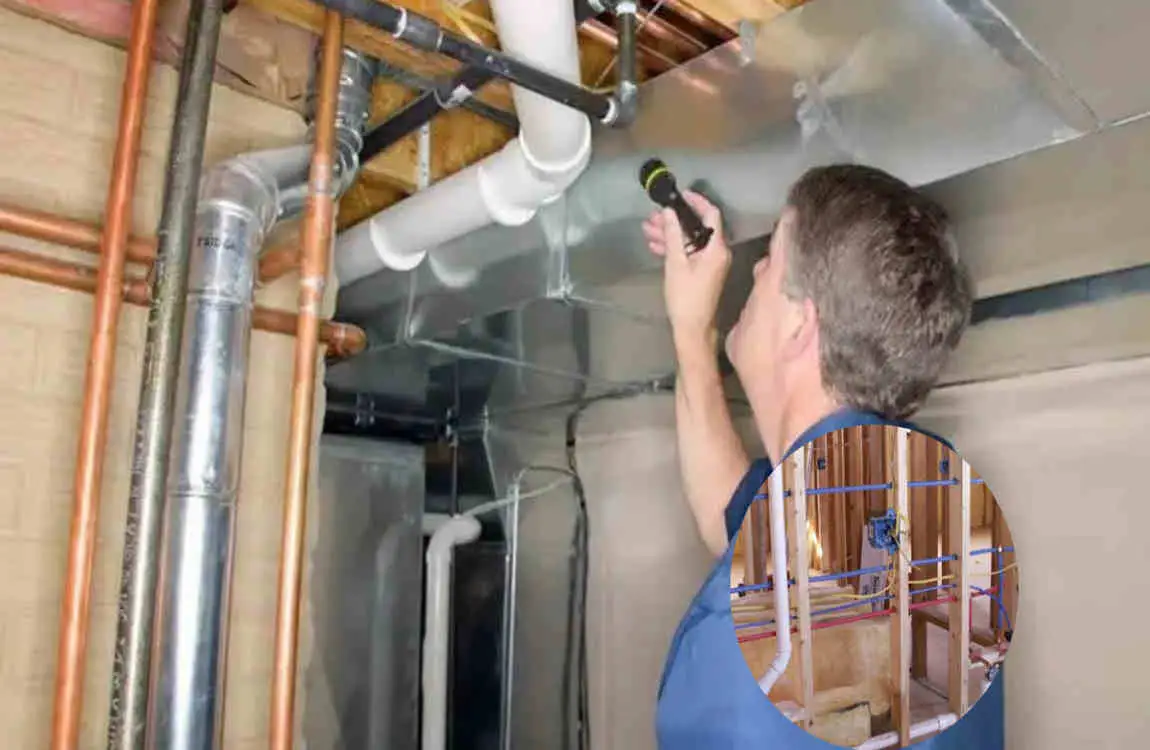
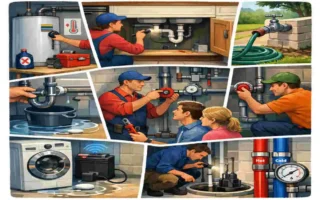
While DIY fixes are great for small issues, some plumbing problems require professional help. Do not hesitate to call a licensed plumber if you encounter any of the following:
- Major leaks: If water is gushing and you cannot stop it, you need expert help immediately.
- Sewer backups: If sewage is coming up through your shower drains, your main line is blocked. This is a hazardous situation that requires professional tools.
- Frozen pipes: Plumbers have safe methods to thaw pipes without bursting them.
- Water heater replacement: Installing a new water heater involves electricity or gas lines, making it dangerous for untrained homeowners.
- Pipe installation: If you need to run new plumbing lines, a professional will ensure they meet local building codes.
- Remodeling projects: Moving a toilet or a sink requires shifting drains and vents. Let a pro handle the heavy lifting.
Tips to Improve Plumbing Efficiency
A modern home plumbing system should be both reliable and highly efficient. You can take steps right now to lower your water footprint and save cash.
- Install low-flow fixtures: Swap out old showerheads and faucets for aerated, low-flow models. You will get the same water pressure while using much less water.
- Fix leaks immediately: Never ignore a dripping tap or a running toilet. Fixing them right away saves gallons of water.
- Upgrade old pipes: If you live in an older home with galvanized steel pipes, consider replacing them with modern PEX or copper to improve flow and water quality.
- Use water-saving appliances: Upgrade to high-efficiency washing machines and dishwashers.
- Schedule yearly inspections: Have a professional look at your system annually to catch inefficiencies you might have missed.
Cost of Home Plumbing Repairs
Budgeting for home repairs is an important part of homeownership. The cost of fixing your home plumbing system varies widely based on the complexity of the job.
Here is a breakdown of what you can expect to pay for common professional plumbing services.
Plumbing Service Average Cost (USD)
Leak Repair $100–$400
Drain Cleaning $100–$300
Toilet Repair $150–$350
Water Heater Repair $200–$900
Pipe Replacement $500–$5,000+
Frequently Asked Questions (FAQs)
What is a home plumbing system?
A home plumbing system is the network of pipes, fixtures, drains, and valves that supplies clean water and removes wastewater from a house.
How often should I inspect my home plumbing system?
A basic inspection should be done every few months, with a professional inspection recommended once a year.
What are the most common plumbing problems?
Common issues include leaking faucets, clogged drains, running toilets, low water pressure, and burst pipes.
How long do plumbing pipes last?
Depending on the material, plumbing pipes typically last between 40 and 100 years.
Can I repair plumbing problems myself?
Simple tasks like unclogging a drain or replacing a faucet washer can be DIY projects, but major repairs should be handled by a licensed plumber.
How can I extend the life of my home plumbing system?
Regular maintenance, fixing leaks promptly, avoiding drain clogs, and scheduling annual inspections can significantly extend the life of your plumbing system.
| Topic | Short Information |
|---|---|
| What Is a Home Plumbing System? | A network of pipes, fixtures, valves, and drains that supplies clean water and removes wastewater. |
| Main Components | Water supply lines, drain pipes, vents, fixtures, water heater, shut-off valves, and sewer connection. |
| Water Supply System | Delivers fresh water to sinks, showers, toilets, appliances, and outdoor faucets. |
| Drain-Waste-Vent (DWV) System | Carries wastewater away and uses vent pipes to maintain proper airflow. |
| Common Plumbing Fixtures | Sinks, toilets, bathtubs, showers, faucets, dishwashers, and washing machines. |
| Pipe Materials | Common materials include PEX, copper, PVC, CPVC, and ABS pipes. |
| Water Heater | Provides hot water for bathing, cleaning, and household appliances. |
| Main Shut-Off Valve | Stops water flow to the entire house during emergencies or repairs. |
| Common Plumbing Problems | Leaky faucets, clogged drains, running toilets, low water pressure, and burst pipes. |
| Maintenance Tips | Check for leaks, clean drains regularly, inspect pipes, and service the water heater annually. |
| Signs You Need Repairs | Water stains, unusual noises, slow drains, foul odors, or unexpectedly high water bills. |
| Average Lifespan | Most plumbing systems last 40–70 years, depending on pipe material and maintenance. |
| Benefits of Good Plumbing | Ensures clean water, efficient drainage, prevents water damage, and improves home comfort. |