If you have ever typed “how can a single person afford a house” into a search bar at midnight, you are in very good company. Buying a home on one income feels like trying to carry the whole couch up the stairs by yourself. But here is the part that rarely makes headlines: single people are buying homes every single year, and in large numbers.
According to the National Association of Realtors (NAR), single women made up 21% of recent home buyers and single men 9%, and among first-time buyers, single women have grown from 11% in 1985 to 25% in 2025. So it can be done. The real question is how, in a market where prices and mortgage rates are both stubbornly high.
The 2026 Reality Check: What You Are Up Against
Let’s start with the facts, because good planning starts with an honest picture of the real estate market.
- Prices: NAR reported a median existing-home price of $417,500 in September 2026, the 39th straight month of year-over-year gains. Local prices vary enormously, though. NAR’s regional data put the Northeast median near $361,000 and the West near $613,600.
- Mortgage rates: Freddie Mac’s weekly survey showed the 30-year fixed rate at 6.71% in early September 2026, and rates have been higher in the weeks since. Check the live number on the Freddie Mac Primary Mortgage Market Survey page before you run your own numbers.
- First-time buyers are older: NAR’s 2025 Profile of Home Buyers and Sellers found the share of first-time buyers fell to a record-low 21%, with a record median age of 40.
- Down payments are modest: First-time buyers put down a median of 10%, not the 20% many people assume is mandatory.
That last point matters. You do not need 20% down to buy a house. That myth has kept a lot of capable single buyers on the sidelines.
How Much House Can You Afford on One Income?
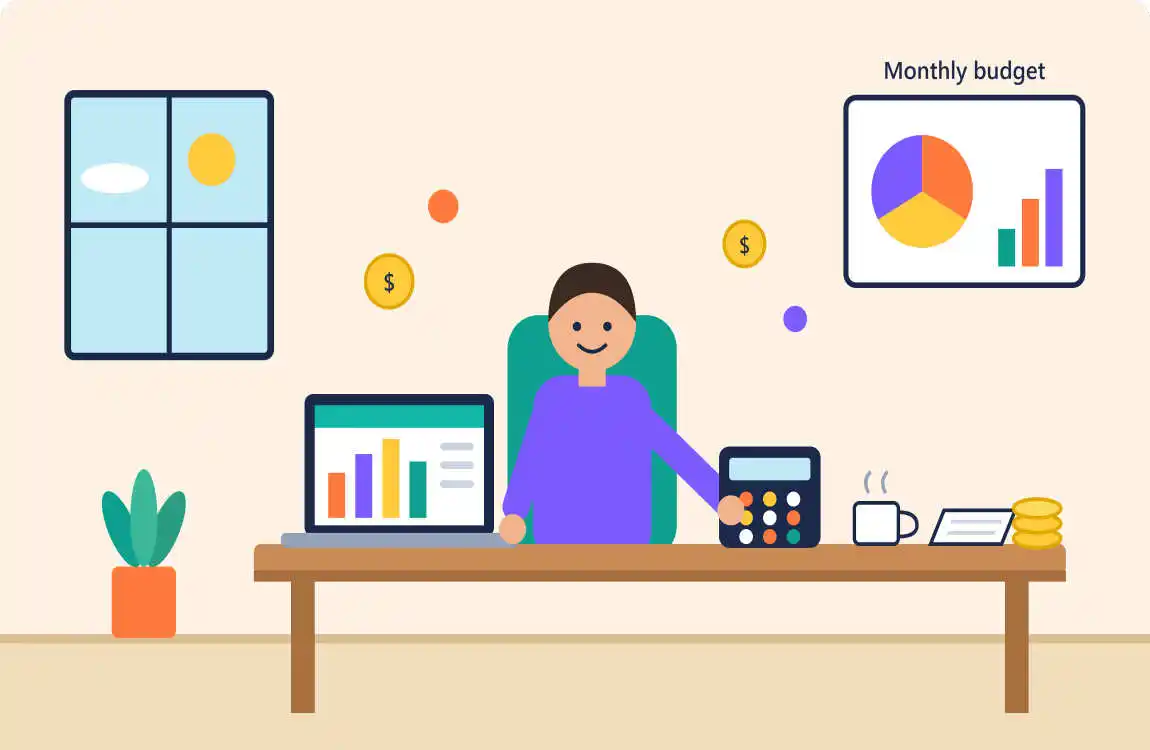
Couples can pool two paychecks. You can’t. So your budget needs to be built around your real life, not a generic calculator.
Start with your debt-to-income ratio (DTI)
Your DTI is your total monthly debt payments divided by your gross monthly income. Lenders use it to judge risk. The 43% figure is widely quoted, and the Consumer Financial Protection Bureau explains what DTI is and why 43% became a benchmark. A June 2026 analysis from the St. Louis Fed found that 43% is no longer a hard limit in practice, since denial rates in 2024 were roughly flat across a wide DTI range.
Here is the catch for single buyers: just because a lender will approve you at a high DTI doesn’t mean you should stretch there. With one income, there’s no second paycheck to cover a layoff or a surprise roof repair. Aim for a comfortable payment, not the maximum approval.
An illustrative example
Say you are eyeing a $300,000 modern home with a 3.5% down payment ($10,500). That leaves a base loan of $289,500. These principal-and-interest payments are my own calculation for a 30-year fixed loan, shown for illustration only:
| Interest rate | Approx. monthly principal and interest |
|---|---|
| 6.25% | about $1,783 |
| 6.75% | about $1,878 |
| 7.32% | about $1,989 |
These figures leave out property taxes, homeowners insurance, mortgage insurance and any HOA dues, which can add several hundred dollars a month. Always ask a lender for a full estimate. Notice, too, how a rate change of about one percentage point shifts your payment by over $200 a month. That is why shopping lenders matters.
Low-Down-Payment Loans for Single Buyers
This is where the math gets friendlier. Several mainstream programs are designed for buyers who don’t have a large pile of cash.
FHA loans
Backed by the Federal Housing Administration, FHA loans allow a down payment as low as 3.5% with a credit score of 580 or higher. Scores of 500 to 579 generally require 10% down, according to NerdWallet’s FHA requirements guide. FHA loans also carry mortgage insurance premiums, so compare the total monthly cost, not just the down payment. You can read the program basics on HUD’s loan information page.
Fannie Mae HomeReady and similar 3% down loans
HomeReady allows 3% down for eligible buyers whose income is at or below 80% of the area median income. First-time buyers are typically required to complete a home buyer education course. If your income is above that limit, options such as Fannie Mae’s Standard 97 and Freddie Mac’s Home One have no program income limit, according to this lender’s program comparison. Confirm current eligibility with a lender, since rules change.
Other options worth asking about
- VA loans for eligible veterans and service members, often with no down payment.
- USDA loans for eligible rural and some suburban areas.
- State housing finance agency (HFA) mortgages, which often pair a competitive rate with assistance (see the next section).
Down Payment Assistance You May Not Know About
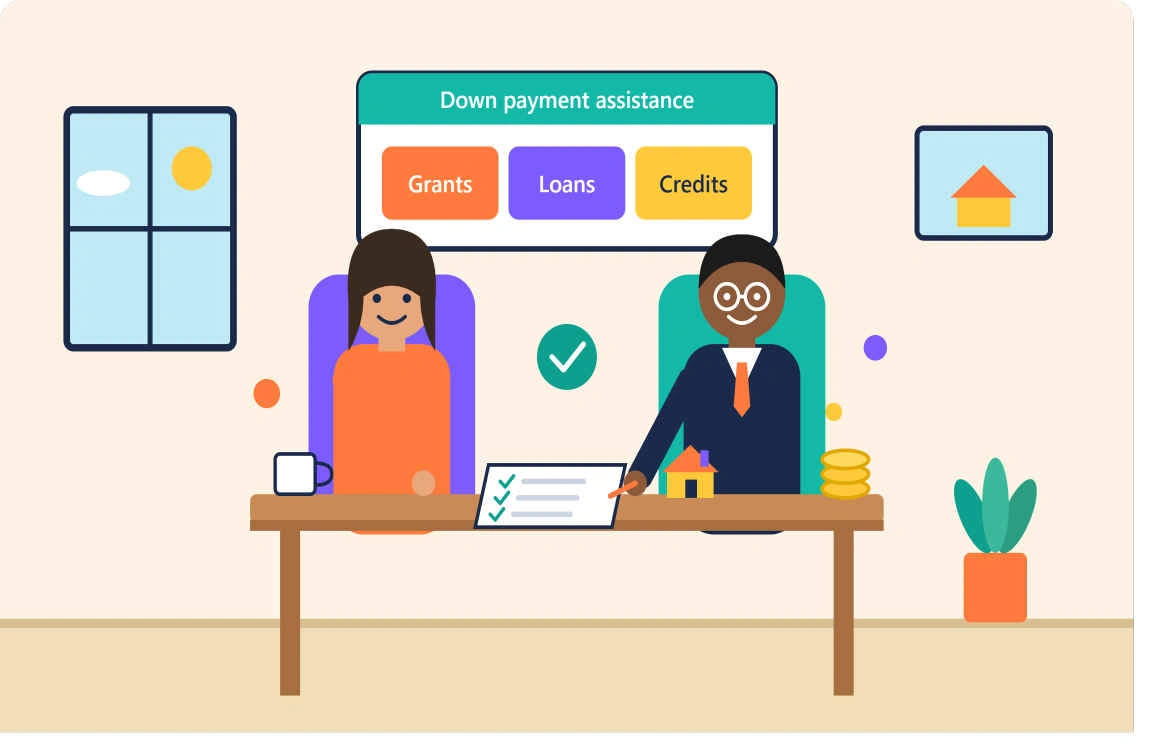
Every U.S. state has a real estate housing finance agency, and many cities and counties run their own programs. These can come as grants, forgivable loans or low-interest second mortgages that cover part of your down payment or closing costs. The National Council of State Housing Agencies keeps a directory of state housing agencies, and HUD lets you find a HUD-approved housing counselor, usually at little or no cost, who can walk you through what you qualify for.
A few practical tips:
- Most programs are accessed through a participating lender, so ask any lender you talk to which assistance programs they work with.
- Many programs require a homebuyer education class and have income and purchase-price limits.
- Some programs are tied to professions, such as teachers, nurses, first responders and veterans. Always ask.
How Single Buyers Actually Save for a Home
NAR’s research gives a refreshingly real picture. Forty-one percent of single women and 31% of single men reported making financial sacrifices to buy, such as cutting non-essential spending, canceling vacations or taking a second job. And roughly 30% to 33% of single first-time buyers lived with family or friends first to save faster.
Here is a simple way to approach your own savings plan:
- Pick a target. A rough guide is 3% to 10% of the purchase price for the down payment, plus about 2% to 5% for closing costs, plus a repair and emergency fund. Ask a lender for an exact estimate.
- Automate it. Set up an automatic transfer to a separate high-yield savings account the day you get paid.
- Attack the biggest leaks. Rent, car costs and food usually move the needle most. Small cuts to daily spending help, but one big change beats fifty small ones.
- Raise income if you can. A side project, overtime or a raise negotiation can shorten your timeline by years.
- Protect your credit. Pay everything on time, keep credit card balances low and avoid opening new accounts in the months before you apply.
Smart Strategies for Buying on One Income
House hack
Buy a duplex or a home with an extra room, basement unit or accessory dwelling, and rent out the extra space. Some programs, such as HomeReady, allow certain rental or boarder income to count toward qualifying, so ask your lender how it would be treated. Rental income also comes with landlord responsibilities, so be realistic about the work involved.
Buy a smaller or older home
You don’t need a four-bedroom house. A condo, townhouse or modest starter home lowers your price, taxes and upkeep. Just check HOA fees and the building’s finances if you are buying a condo.
Widen your search area
A 20- to 30-minute longer commute can sometimes save tens of thousands of dollars. NAR’s data shows that most buyers do not move far (the median distance moved has been around 20 miles), but affordability is a top neighborhood priority for single buyers of both genders.
Consider co-buying with a friend or family member
If buying alone isn’t workable, co-buying can double your purchasing power. Put everything in writing with a real estate attorney first: who pays what, what happens if someone wants out, and how the sale will work. This is a legal and financial commitment, so don’t rely on a handshake.
Accept family help the right way
FHA rules, for example, allow the entire down payment to come from a gift from a family member, according to Financer’s FHA guide. If you receive a gift, your lender will need a signed gift letter and documentation of the transfer.
Mistakes to Avoid When Buying Alone
- Draining all your savings at closing. Keep an emergency fund after you buy. You are the only safety net.
- Shopping only one lender. Compare at least three. Even small rate differences add up over 30 years.
- Skipping the inspection. A repair surprise hurts more on one income. Budget for a full home inspection.
- Ignoring the total cost of ownership. Taxes, insurance, utilities, maintenance and HOA fees can be significant. A common rule of thumb is to set aside roughly 1% of the home’s value per year for maintenance.
- Waiting for “perfect” rates. Rates are hard to time. Buy when the payment fits your budget, and remember you may be able to refinance later if rates fall, though that is never guaranteed.
- Letting FOMO set your budget. Your friends’ houses are not your benchmark.
Your Step-by-Step Action Plan
- Check your credit reports and scores and fix any errors. This determines the loans and rates available to you.
- Calculate your DTI and decide on a monthly housing payment you could sustain comfortably, even if your income dipped.
- Take a homebuyer education course, which many assistance programs require anyway.
- Talk to a HUD-approved counselor and your state housing agency about assistance programs.
- Get pre-approved by two or three lenders and compare loan estimates.
- Hire a buyer’s agent and be upfront about your budget. NAR reports that 88% of buyers used an agent or broker.
- Make an offer, inspect and negotiate. Ask about seller credits for closing home costs, which are more common in slower markets.
- Close and build your cushion. Rebuild your emergency fund first, then consider extra mortgage payments.
Frequently Asked Questions
How can a single person afford a house?
By combining a realistic budget, a low-down-payment loan (FHA or a 3% conventional program), down payment assistance, and lower-cost strategies like buying smaller, house hacking or widening the search area. Most single buyers also save aggressively for a period before purchasing.
What income do I need to buy a house alone?
It depends heavily on local prices, your debts and your rate. NAR data shows single first-time buyers typically had household incomes in the range of about $66,000 to $73,000, but that is a national snapshot, not a minimum. Use a lender pre-approval to get your own number.
Is it harder for singles to get a mortgage?
Lenders qualify you on income, credit, assets and debt, not marital status. The practical difference is that you have one income to qualify with, so your DTI and savings matter even more.
Can I buy a house with a low credit score?
FHA allows scores as low as 500 with 10% down, or 580 with 3.5% down, though individual lenders can set higher minimums. Improving your score before applying can lower your rate meaningfully.
Should I wait for mortgage rates to drop?
Nobody can reliably predict rates. If the monthly payment fits your budget with room to spare, buying can make sense; if it only works at the very edge of your budget, waiting and saving may be wiser.