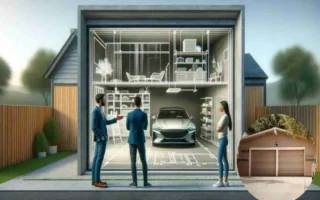
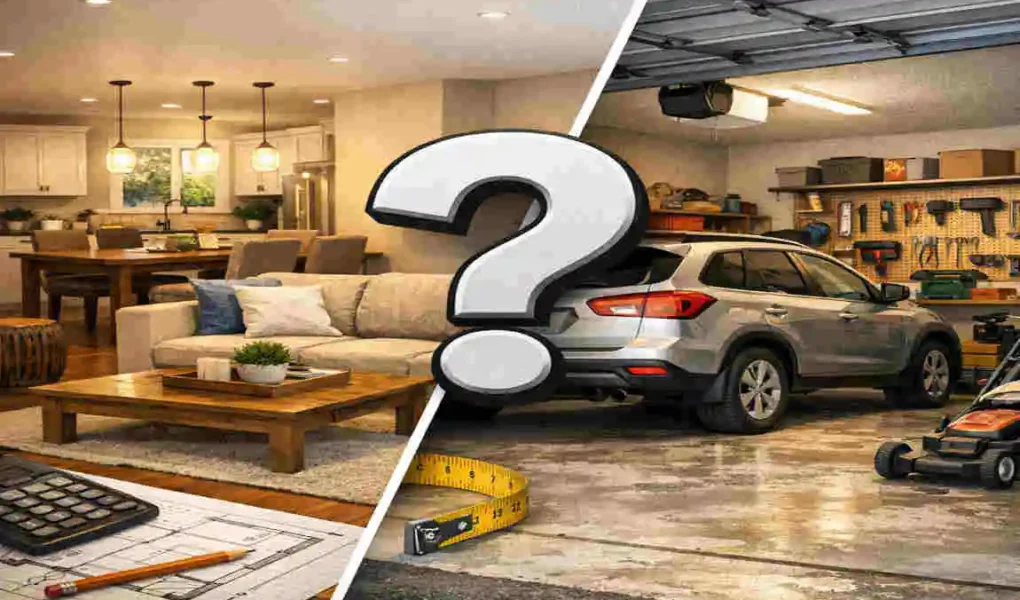
When you buy or sell a home, square footage matters a lot. It affects pricing, appraisals, comparisons, and even buyer interest. That is why one of the most common real estate questions is: does square footage include garage?
What Is Square Footage?
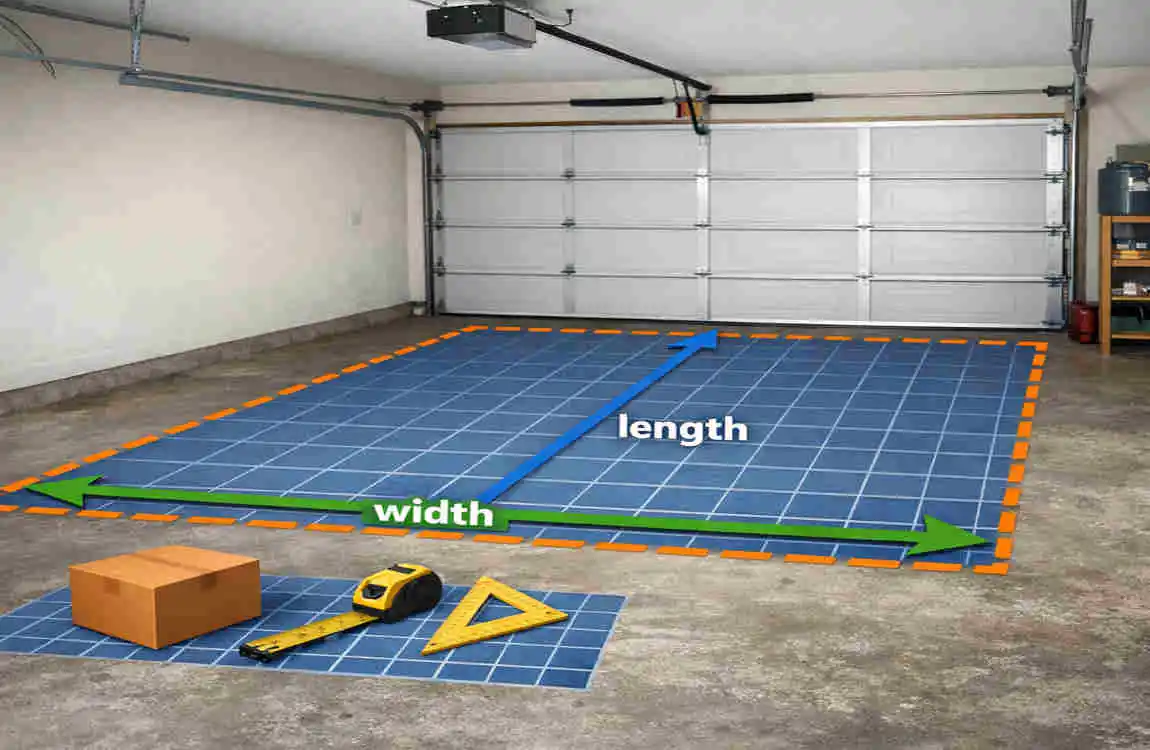
Square footage is the total usable indoor area of a home. In real estate, it usually refers to the finished living space where people can comfortably live every day.
This number does not simply mean the entire size of the building. It is about the parts of the home that count as living area under real estate and appraisal rules.
Definition of square footage
Square footage measures the size of a space in square feet. For homes, it usually includes rooms like:
- Bedrooms
- Bathrooms
- Kitchens
- Living rooms
- Finished hallways
- Finished enclosed living spaces
It usually does not include unfinished areas, open porches, or storage spaces.
Why square footage is important
Square footage affects many parts of a home sale or purchase. It helps determine:
- Property value
- Home appraisals
- Mortgage decisions
- Insurance estimates
- Price comparisons with similar homes
If the square footage is wrong, the home may be priced too high or too low. That can create problems for both buyers and sellers.
Does Square Footage Include Garage?
This is the main question, and the answer is simple in most cases.
The simple answer
No, a garage is usually not included in a home’s finished square footage.
A garage is normally treated as a separate space because it is not considered part of the home’s main living area.
Why garages are usually excluded
Garages are usually left out for a few clear reasons:
- They are not finished living space
- They often do not have full heating and cooling
- They are built under different standards
- They are used for parking, storage, or utility purposes
Even if a garage is attached to the house, it still does not automatically count as living area.
When Can a Garage Count as Square Footage?
A garage can sometimes count, but only if it has been changed into a true living space that meets local rules.
Finished garage conversion
If a garage has been legally converted, it may be counted as part of the home’s square footage. To qualify, it usually needs:
- Proper permits
- Heating and cooling
- Finished walls and flooring
- Safe electrical work
- Compliance with local building codes
If the space still looks and functions like a garage, it usually will not count.
Converted garage vs attached garage
An attached garage is still a garage unless it has been fully converted. A converted garage is different because it has been remodelled for everyday living.
That difference matters a lot when it comes to home value. A converted garage may add usable living space, but it may also reduce parking and storage.
How Homes Are Measured
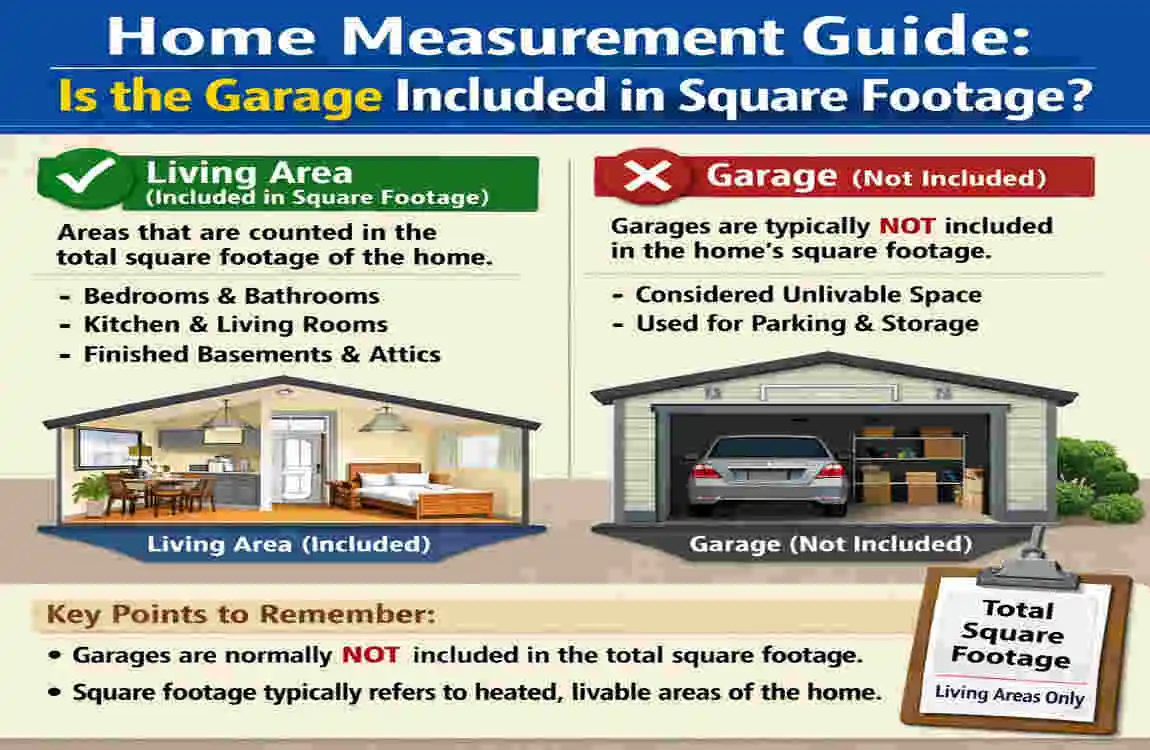
Not all spaces in a home are measured the same way. Real estate professionals and appraisers separate the home into different types of areas.
Above-grade living space
This is the main part of the home that sits above ground level and is fully finished for living.
This often includes:
- Main bedrooms
- Upper floors
- Finished living rooms
- Kitchens
- Bathrooms
This is usually the number most buyers pay attention to.
Below-grade finished areas
Finished basements may or may not be counted the same way as above-grade space. In many cases, they are listed separately from the main living area.
That means a finished basement may add value, but it may not always be included in the main square footage total.
Attached vs detached structures
Detached spaces like detached garages, sheds, and workshops are usually not included in living square footage.
Attached spaces may seem closer to the house, but that does not mean they count. The real question is whether the space is habitable.
How Appraisers Calculate Square Footage
Appraisers do not guess. They use rules and measurement standards to make their numbers as accurate as possible.
ANSI measurement standards
Many appraisers use ANSI standards, which help create a consistent way to measure homes. These standards focus on finished, livable areas and help separate them from garages and other non-living spaces.
This helps keep home measurements fair and consistent.
Local MLS rules
The MLS is the system real estate agents use to list homes. Each MLS may have its own rules about what counts as square footage.
That means one listing may look slightly different from another, even if the homes are similar. This is why you should always check how the number was measured.
Why appraisal numbers may differ
Sometimes the square footage in a listing does not match the appraisal or tax record. That can happen because:
- Different people measured the home
- A garage conversion was not permitted
- A basement was counted differently
- The home was updated over time
If you notice a difference, ask for clarification before making a buying or selling decision.
Common Misunderstandings About Garage Square Footage
Many homeowners make the same mistakes when they talk about square footage. These misunderstandings can lead to confusion and pricing problems.
Assuming attached garages count
This is one of the most common mistakes. Many people think an attached garage automatically adds to the home’s living space.
It does not. Attached does not mean counted.
Confusing total building size with living area
A home may have a large total structure, but that does not mean all of it is livable space. A garage, storage room, or workshop may be part of the building, but still not part of the living area.
Believing finished storage rooms count as living space.
A finished room is not always a legal living space. It must meet building codes, safety rules, and local standards.
That means a nice-looking room in a garage or attic may still not count if it is not properly approved.
Does Garage Size Affect Home Value?
Even if a garage does not count as square footage, it can still affect how much a home is worth.
Indirect value
A garage can practically improve a home’s value. Buyers often like the protection, storage, and convenience it offers.
So while it may not raise the official square footage number, it can still influence the sale price.
Storage and parking benefits
A garage gives homeowners a safe place to park cars, keep tools, store seasonal items, and protect belongings from weather.
These benefits matter, especially in areas where parking is limited or weather is rough.
Buyer preferences
Some buyers want extra living space more than a garage. Others care more about parking and storage.
That is why value depends on the buyer. A garage may be a big selling point for one person and less important for another.
Garage Conversion Pros and Cons
A garage conversion can be a smart move in some homes. But it also comes with trade-offs.
ProsCons
More living space Higher renovation cost
Better functionality Permit requirements
Potential resale value May reduce parking
Useful for family rooms, offices, or guest space May not count without code approval
When a conversion makes sense
A garage conversion may make sense if you need extra space and do not rely heavily on the garage for parking.
When to think twice
If parking is important in your neighbourhood, losing a garage may hurt resale value. You should also check local rules before starting any work.
Tips for Buyers and Sellers
If you are buying or selling a home, do not rely on guesses. Always check the facts.
Verify official square footage.
Ask where the square footage number came from. Was it measured by an appraiser, pulled from tax records, or estimated by the agent?
That small detail can make a big difference.
Review property records
Public records can help you compare what is listed with what is legally recognised. If a garage conversion was done, look for permit history.
Ask about garage conversions.
If a garage was turned into a bedroom, office, or bonus room, ask whether the work was permitted and code-compliant.
This helps you understand whether the space may count toward square footage.
Compare similar homes
Look at similar homes in the area to see how garages are listed. This can help you understand local pricing and measurement habits.
Common Square Footage Terms
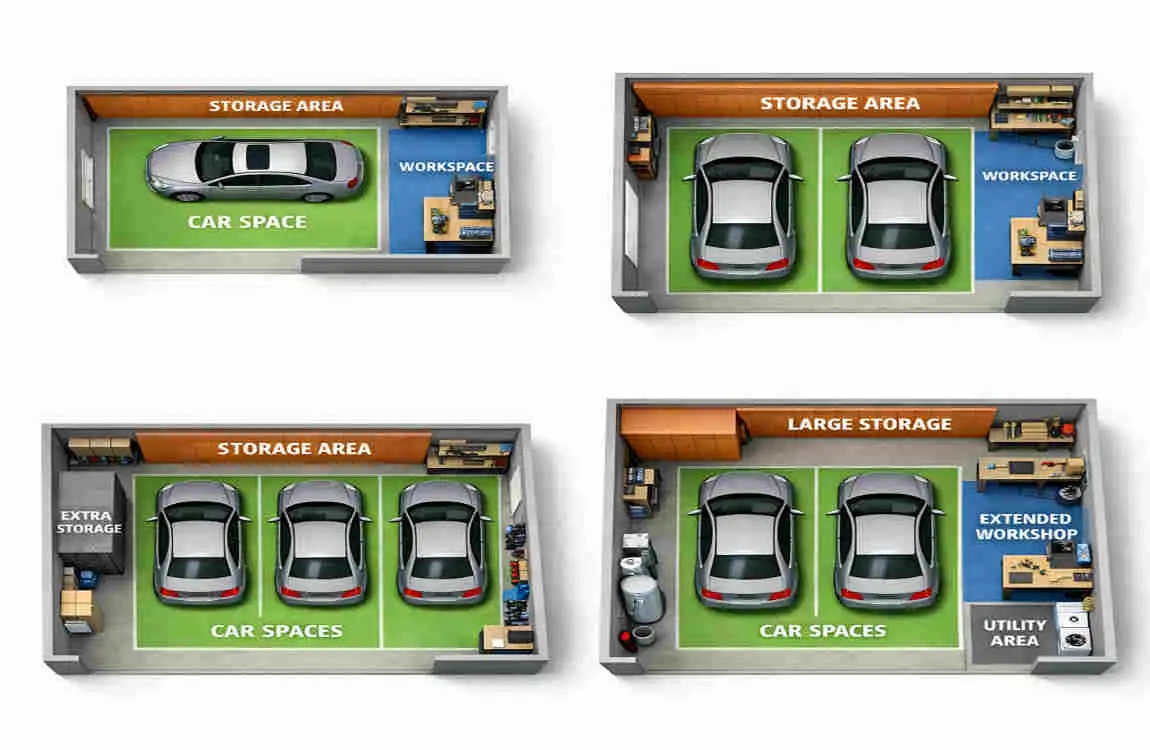
Real estate uses a few common terms that can be confusing at first. Here is a simple breakdown.
TermMeaning
Finished Square Footage Livable indoor space
Gross Living Area (GLA) Finished above-grade area
Garage Area Separate non-living space
Finished Basement May be reported separately
Garage Conversion Garage changed into living space
Knowing these terms makes it easier to read listings and ask the right questions.
Frequently Asked Questions
Does square footage include garage?
No. In most residential real estate listings, garages are not included in the home’s finished living square footage.
Is an attached garage counted as living space?
No, unless it has been legally converted into a finished, code-compliant living area.
Does a finished garage increase square footage?
Only if it meets local building codes, has the proper permits, and qualifies as habitable living space.
Is garage square footage listed separately?
Yes. Many MLS listings and appraisal reports list garage size separately from the home’s living area.
Can a converted garage increase home value?
Yes, if the conversion is legal, professionally completed, and useful to buyers.
Why is square footage important when buying a home?
Square footage affects pricing, comparisons, financing, insurance, and resale value. It is one of the most important numbers in a home transaction.
| Aspect | Information |
|---|---|
| What Is Square Footage? | Square footage measures the total floor area of a home in square feet. |
| Is the Garage Included? | Usually no. Attached and detached garages are generally not included in a home’s official living square footage. |
| Why Isn’t It Included? | Garages are considered non-livable spaces because they are not finished living areas. |
| What Counts as Living Space? | Bedrooms, bathrooms, kitchens, living rooms, finished basements (in some cases), and other heated, finished areas. |
| When Can a Garage Count? | If a garage is legally converted into a finished, permitted living space that meets local building codes, it may be included. |
| Does This Affect Home Value? | Yes. While garage space adds value and appeal, it is typically listed separately from the home’s living area. |
| Tip for Buyers | Always verify whether the listed square footage includes only living space or also mentions garage size separately. |