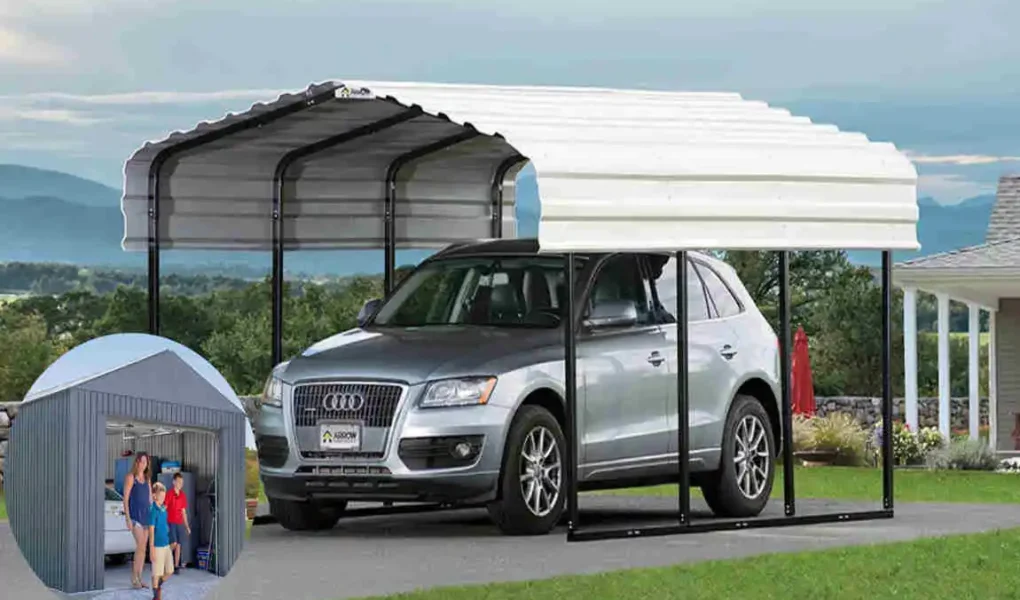
Keeping your vehicle safe from harsh weather is one of the smartest investments you can make. The best home car shelter solutions help protect your car from sunlight, heavy rain, snow, hail, falling leaves, and dust. Whether you have a small budget or want a permanent structure, there is a car shelter that fits your needs.
What Is a Home Car Shelter?
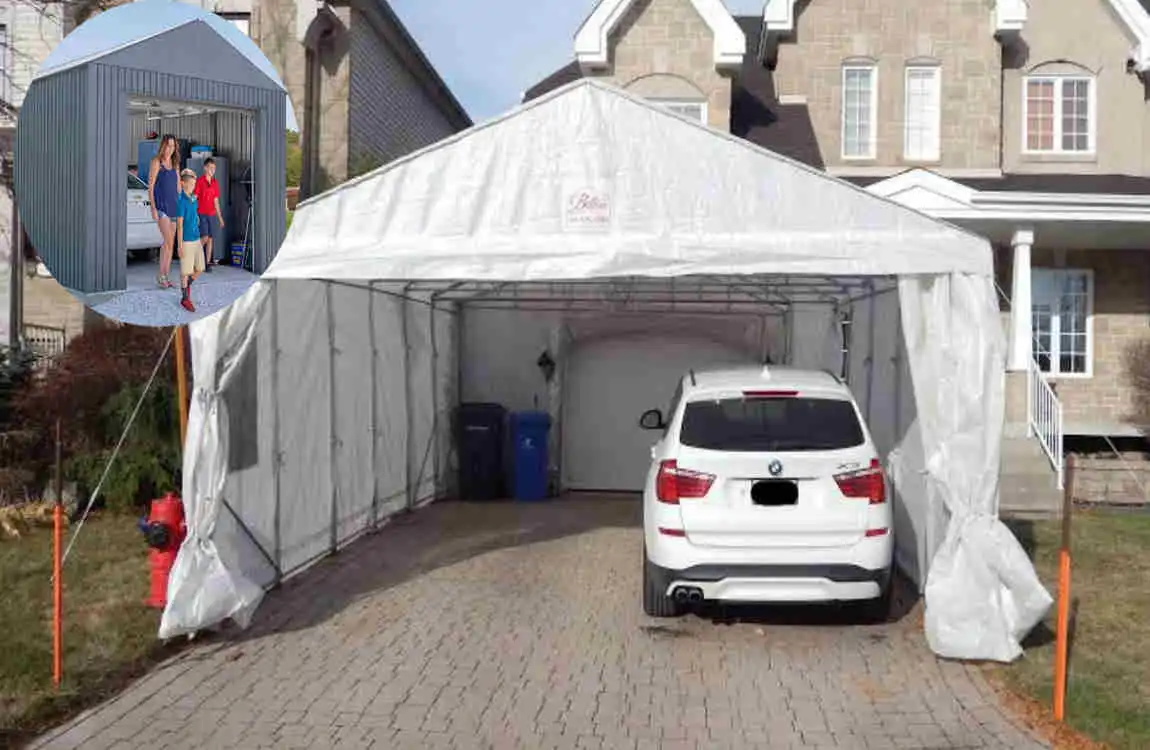
A luxury home car shelter is a structure designed to protect vehicles from outdoor elements. It can be temporary, portable, or permanent.
Definition and Purpose
Temporary shelters, such as fabric canopies, are easy to install and remove. Permanent options like metal carports and garages provide stronger and longer-lasting protection.
Compared to parking on the street or in an open driveway, a car shelter helps keep your vehicle cleaner and reduces weather-related damage.
Why Every Homeowner Should Consider One
Installing a car shelter offers several advantages:
- Protects against sun damage
- Keeps rain and snow away
- Reduces paint fading
- Extends vehicle lifespan
- Improves property appearance
Benefits of the Best Home Car Shelter Solutions
Weather Protection
A quality shelter protects your vehicle from rain, snow, wind, and falling debris, helping maintain its condition throughout the year.
UV Damage Prevention
Constant sunlight can fade paint, damage plastic trim, and crack the dashboard. A shelter blocks harmful UV rays.
Hail and Storm Protection
Heavy-duty shelters reduce the risk of dents and broken windows during storms and hail.
Increased Property Value
A well-built carport or garage adds convenience and can improve your modern home‘s overall value.
Cost Savings
Protecting your car reduces repair, repainting, and maintenance expenses over time.
Types of Home Car Shelter Solutions
Metal Carports
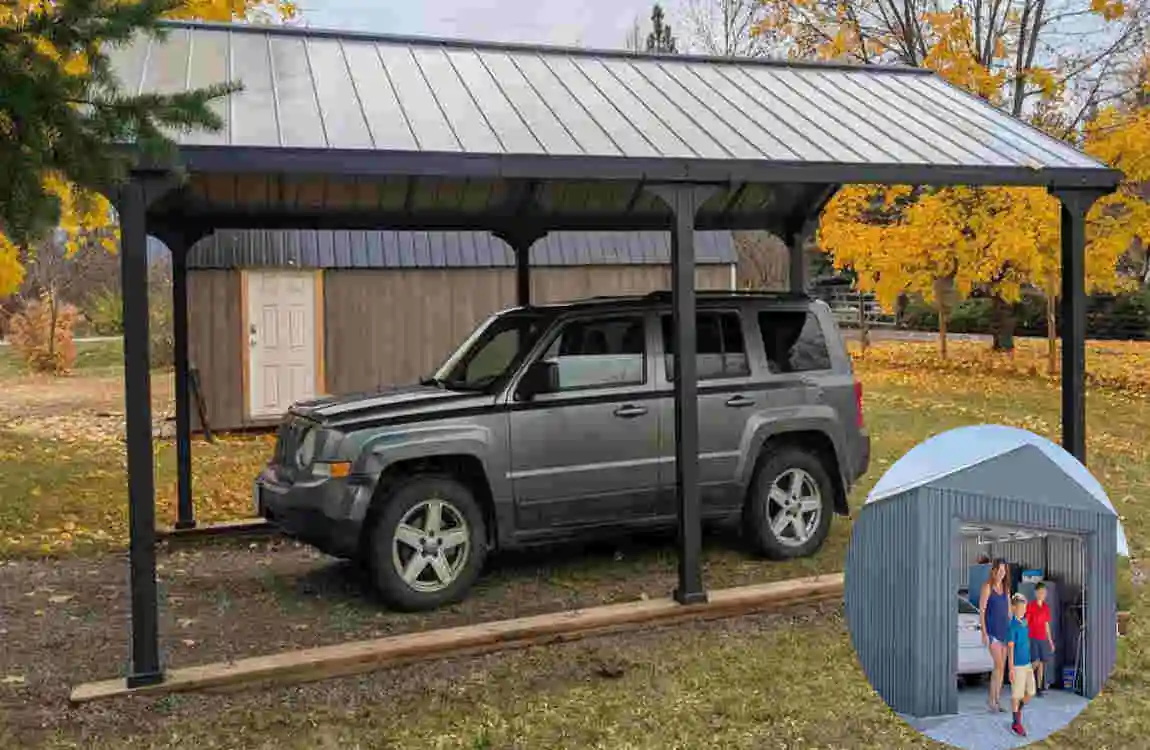
Metal carports are durable, weather-resistant, and require little maintenance.
Pros
- Long lifespan
- Strong against harsh weather
- Low maintenance
Cons
- Higher upfront cost
- May require permits
Wooden Car Shelters
Wooden shelters provide a natural and stylish appearance that complements many luxury homes.
Pros
- Attractive design
- Customizable
Cons
- Needs regular painting or sealing
Fabric Car Canopies
Fabric shelters are affordable and perfect for temporary protection.
Pros
- Budget-friendly
- Quick installation
Cons
- Shorter lifespan
- Less durable during storms
Portable Car Shelters
Portable shelters are lightweight and easy to move, making them ideal for renters.
Fully Enclosed Garages
Garages provide maximum protection from weather, theft, and dust while adding storage space.
How to Choose the Best Home Car Shelter Solutions
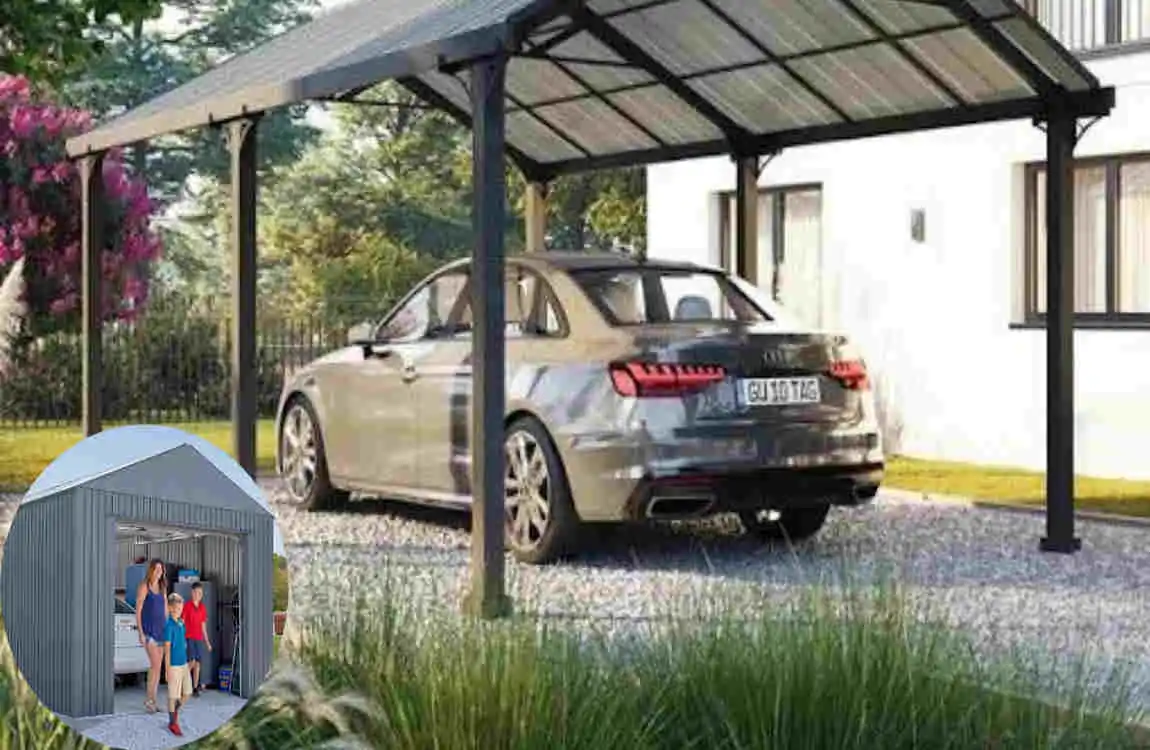
Consider these important factors before buying:
Consider Your Budget
Decide how much you’re willing to spend before comparing shelter options.
Available Space
Measure your driveway or yard to ensure the shelter fits comfortably.
Local Weather
Areas with heavy snow or strong winds benefit from stronger metal or enclosed structures.
Building Regulations
Some permanent shelters require local permits, so check regulations before installation.
Durability and Materials
Choose weather-resistant materials that can handle your area’s climate.
Best Home Car Shelter Solutions by Budget
Under $500
- Fabric canopies
- Basic portable shelters
$500–$2,000
- Heavy-duty portable shelters
- Entry-level metal carports
$2,000–$10,000
- Large metal carports
- Custom wooden shelters
Premium Custom Shelters
Luxury enclosed garages with storage, lighting, and premium finishes offer the highest level of protection.
Installation Tips
DIY vs Professional Installation
Simple portable shelters are suitable for DIY installation. Permanent structures often require professional installation for safety.
Preparing the Ground
Use a level surface made of concrete or compacted gravel for better stability.
Anchoring for Safety
Secure the shelter properly to prevent movement during strong winds.
Routine Maintenance
Inspect the shelter regularly for loose bolts, damaged fabric, or rust.
Common Mistakes to Avoid
Avoid these common problems:
- Buying the wrong size
- Ignoring permit requirements
- Choosing poor-quality materials
- Improper installation
- Skipping regular maintenance
Maintenance Tips
Cleaning Schedule
Wash the shelter every few months to remove dirt and debris.
Rust Prevention
Apply protective coatings to metal shelters when needed.
Inspecting Fasteners
Check bolts, screws, and anchors regularly to keep the structure secure.
Seasonal Maintenance
Inspect your shelter before winter and storm seasons to ensure it remains strong.
Frequently Asked Questions (FAQs)
What are the best home car shelter solutions for a small budget?
Fabric canopies and portable car shelters are affordable, easy to install, and provide reliable weather protection.
Is a metal carport better than a fabric car shelter?
Yes. Metal carports are more durable, require less maintenance, and generally last much longer than fabric shelters.
Do I need a permit to install a home car shelter?
Permit requirements depend on your local building regulations. Permanent structures often require approval.
How long do home car shelters last?
Fabric shelters usually last 5–10 years, while metal and wooden shelters can last 20 years or more with proper care.
Which home car shelter is best for harsh weather?
Heavy-duty metal carports and fully enclosed garages provide the best protection against strong winds, hail, snow, and heavy rain.
| Budget Range | Car Shelter Type | Best For | Average Cost | Key Benefits |
|---|---|---|---|---|
| Under $200 | Portable Car Cover | Temporary vehicle protection | $50–$200 | Affordable, lightweight, easy to store |
| $200–$800 | Pop-Up Canopy Shelter | Seasonal or short-term use | $200–$800 | Quick setup, weather-resistant, portable |
| $800–$2,500 | Metal Carport Kit | Everyday outdoor parking | $800–$2,500 | Durable, low maintenance, protects from sun and rain |
| $2,500–$8,000 | Wooden Carport | Stylish residential homes | $2,500–$8,000 | Attractive appearance, customizable, long-lasting |
| $8,000–$25,000+ | Enclosed Garage | Maximum vehicle protection | $8,000–$25,000+ | Full security, weather protection, added storage space |