Low water pressure can turn simple daily tasks into a hassle. A weak shower, a slow-filling sink, or a washing machine that takes forever can be frustrating. If you are asking what can cause low water pressure in your home, the answer is usually one of a few common plumbing problems.
The good news is that many causes are easy to check. Some issues need a quick DIY fix, while others may need a plumber.
What Is Normal Water Pressure?
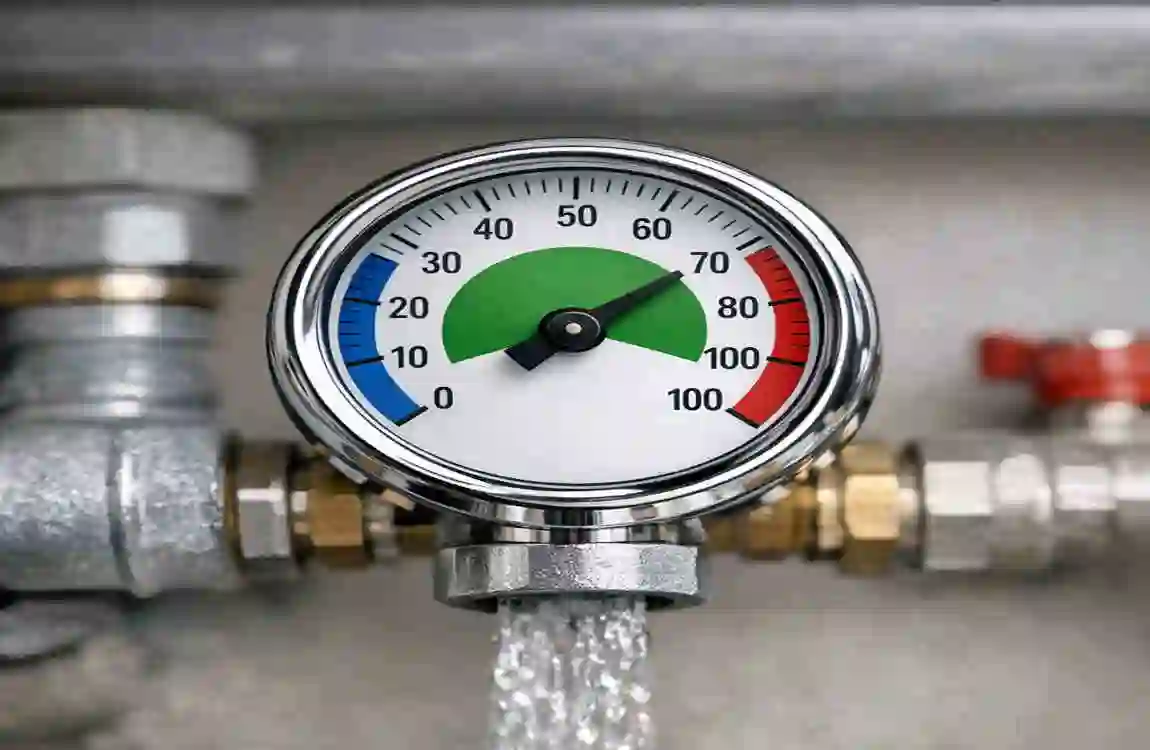
Most homes have water pressure between 40 and 60 PSI. This range is strong enough to support showers, sinks, and appliances without placing excessive stress on the plumbing.
If the pressure drops below that range, you may notice:
- Weak water flow from faucets
- A shower that feels too light
- Appliances filling slowly
- Water coming out unevenly
You can test water pressure with a simple pressure gauge attached to an outdoor spigot. If the number is much lower than normal, there is likely a plumbing issue somewhere in the system.
What Can Cause Low Water Pressure in Your Home?
Here are the most common reasons behind weak water flow.
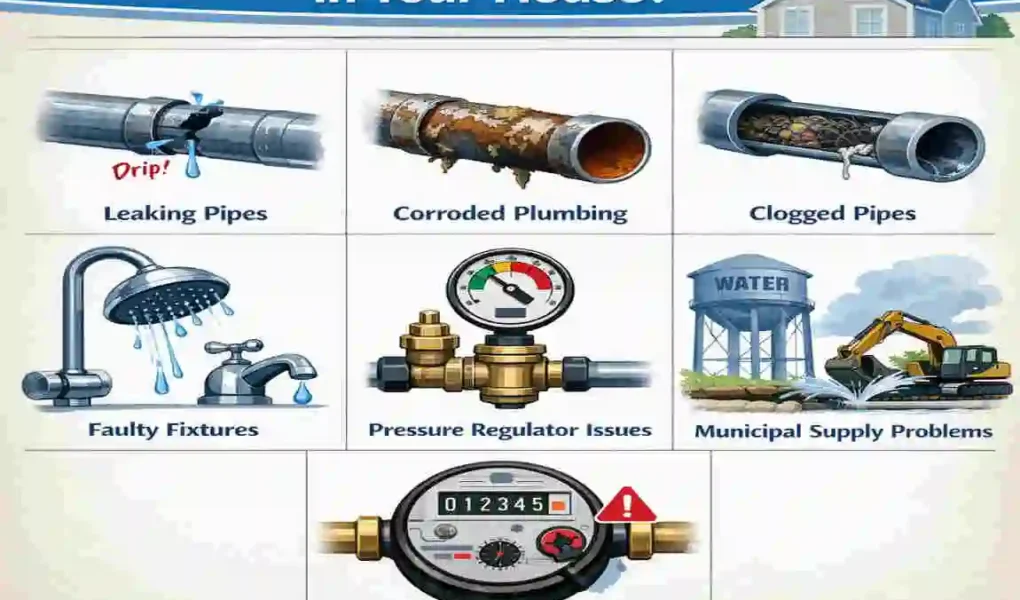
Clogged Pipes
Over time, pipes can collect mineral buildup, rust, and dirt. This is common in homes with hard water or older plumbing. As the pipe narrows, less water can pass through.
This problem usually happens slowly. You may not notice it right away, but the pressure becomes weaker over time.
Partially Closed Shut-Off Valve
Sometimes the problem is very simple. If the main shut-off valve or meter valve is not fully open, water flow will be limited.
This is one of the easiest things to check. If someone recently worked on your plumbing or water line, the valve may have been left partly closed.
Faulty Pressure Regulator
Some homes have a pressure regulator, which controls the water pressure entering the house. If this part fails, water pressure may become too low or too high.
A faulty regulator can cause pressure fluctuations throughout the entire luxury home, not just at one faucet.
Pipe Leaks
A hidden leak can waste a lot of water and reduce pressure. Leaks may happen behind walls, under floors, or underground.
Warning signs include:
- Sudden pressure loss
- Wet spots
- Mold smell
- A higher water bill
Municipal Water Supply Issues
Sometimes the problem is not inside your home at all. Local water work, repairs, or supply shortages can temporarily lower pressure in your area.
If several nearby homes are experiencing the same issue, the local water supply may be the cause.
Clogged Faucets and Showerheads
If low pressure occurs only in one sink or shower, the fixture itself may be clogged with sediment.
This is a very common and easy-to-fix problem. A clogged aerator or showerhead can significantly slow the water flow.
Old or Corroded Plumbing
Older homes often have pipes that wear down with age. Galvanized steel pipes can rust from the inside, which reduces water flow.
In severe cases, cleaning the pipes is not enough, and parts of the system may need to be replaced.
High Water Demand in the Home
If several taps, showers, and appliances run at the same time, pressure can drop naturally. This is more noticeable in larger households.
For example, if someone is showering while the dishwasher and washing machine are also running, the water pressure may feel weak.
Common Causes at a Glance
Cause What You May NoticeSimple Fix
Clogged pipes, Weak pressure throughout the home, Plumbing cleaning, or pipe replacement
Closed valve Low pressure after repair work Open the valve fully
Faulty regulator Pressure changes in the whole house Replace the regulator
Hidden leak Higher bill, damp spots, sudden drop Leak repair
Water supply issue: Neighbors may have the same problem. Wait or contact the water provider
Clogged fixture One faucet or shower only Clean aerator or showerhead
Old pipes Gradual pressure loss Replace aging pipes
High water use Pressure drops when many fixtures run Stagger water use
How to Diagnose Low Water Pressure
If you want to find the cause, start with a simple check.
Test More Than One Faucet
See whether the problem affects one fixture or the whole house. If only one faucet is weak, the issue is likely local. If all faucets are weak, the cause may be bigger.
Compare Hot and Cold Water
If only hot water is weak, the issue may be with the water heater or the hot water line. If both hot and cold are weak, the problem is probably in the main plumbing.
Check Valves
Make sure the main shut-off valve and other supply valves are fully open.
Look for Leaks
Check under sinks, around toilets, near the water heater, and in any wet areas. If you see moisture or hear running water when nothing is on, there may be a hidden leak.
How to Fix Low Water Pressure
Some fixes are simple and safe for homeowners.
Easy DIY Fixes
- Clean faucet aerators and showerheads
- Remove buildup with vinegar or a brush.
- Open valves fully
- Make sure the main water valve is not partly closed.
- Check for fixture blockages
- A clogged screen or nozzle can slow flow.
When Professional Help Is Needed
A plumber may be needed if:
- The pressure is low in the whole house
- You suspect a leak
- Pipes are old or rusty
- The pressure regulator may be failing
A professional can identify hidden problems and recommend the appropriate repair.
How to Prevent Low Water Pressure
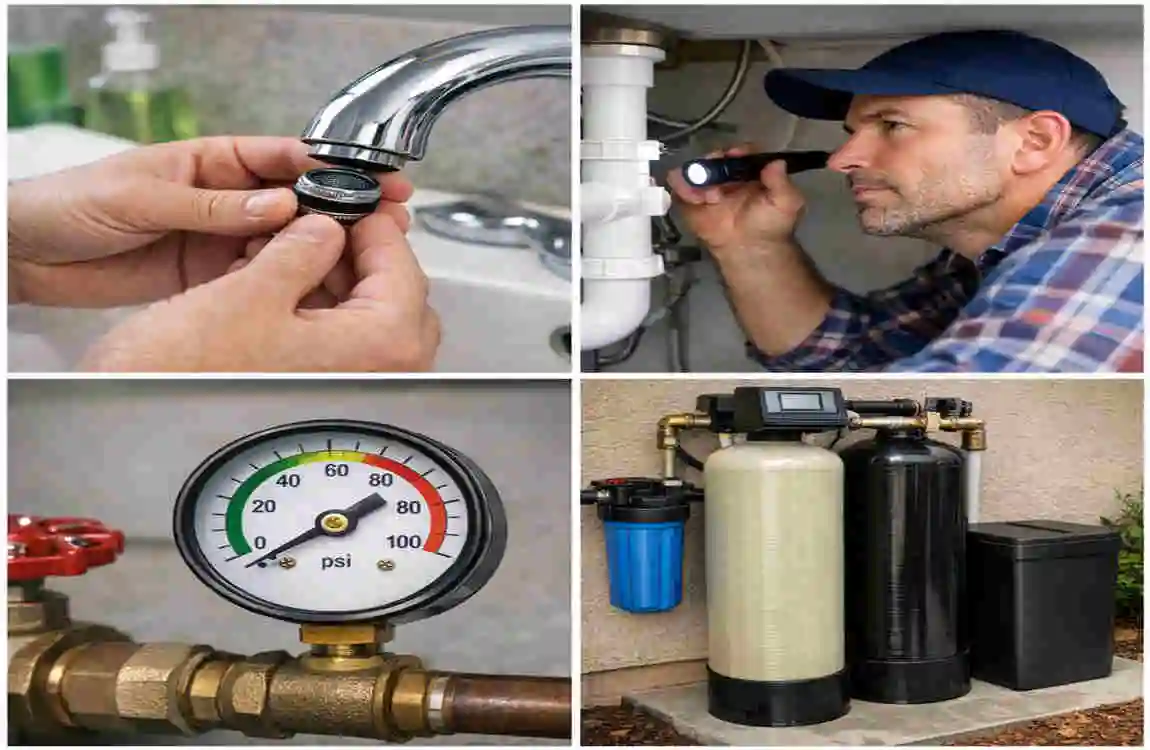
A few simple habits can help keep water flow strong:
- Clean showerheads and aerators regularly
- Schedule plumbing inspections
- Watch for early signs of leaks
- Plan pipe replacement in older homes
- Use a water softener if you have hard water
Regular care can stop small problems from becoming big ones.
FAQ
What can cause low water pressure in your home suddenly?
A leak often causes a sudden drop in water pressure, a water supply issue, or a partially closed valve.
Why is water pressure low only in one faucet?
This usually means the faucet or showerhead is clogged, or there is a local blockage in that line.
Can old pipes reduce water pressure?
Yes. Rust and mineral buildup inside old pipes can reduce water flow over time.
How do I check my home water pressure?
Use a water pressure gauge on an outdoor spigot. Normal pressure is usually 40 to 60 PSI.
Is low water pressure expensive to fix?
It depends on the cause. Cleaning a showerhead is cheap, but repairing or replacing a pipe can be more expensive.
| Cause | How It Lowers Pressure |
|---|---|
| Partially closed valves | Main shutoff or water meter valves not fully open limit water flow |
| Water leaks | Hidden leaks in pipes or fixtures let water escape before reaching faucets |
| Mineral/build-up clogs | Limescale from hard water or debris blocks pipes and faucet aerators |
| Corroded pipes | Galvanized steel pipes corrode over ~20 years, narrowing the pipe interior |
| Faulty pressure regulator | A broken regulator can significantly reduce pressure throughout the house |
| High water demand | Multiple activities (laundry, showering, dishes) at once or neighbor usage on shared lines |
| Municipal supply issues | Low supply from the city or updated water regulations reduce pressure |
| Faulty fixtures | Dirty, blocked, or rusty faucets/showerheads affect only specific locations |