A house sewer line problem can turn into a big headache very quickly. This line carries wastewater away from your home, so when it gets clogged, damaged, or broken, the whole plumbing system can suffer.
You may notice bad smells, slow drains, or even messy backups. The good news is that early action can often prevent larger damage.
Common House Sewer Line Problems
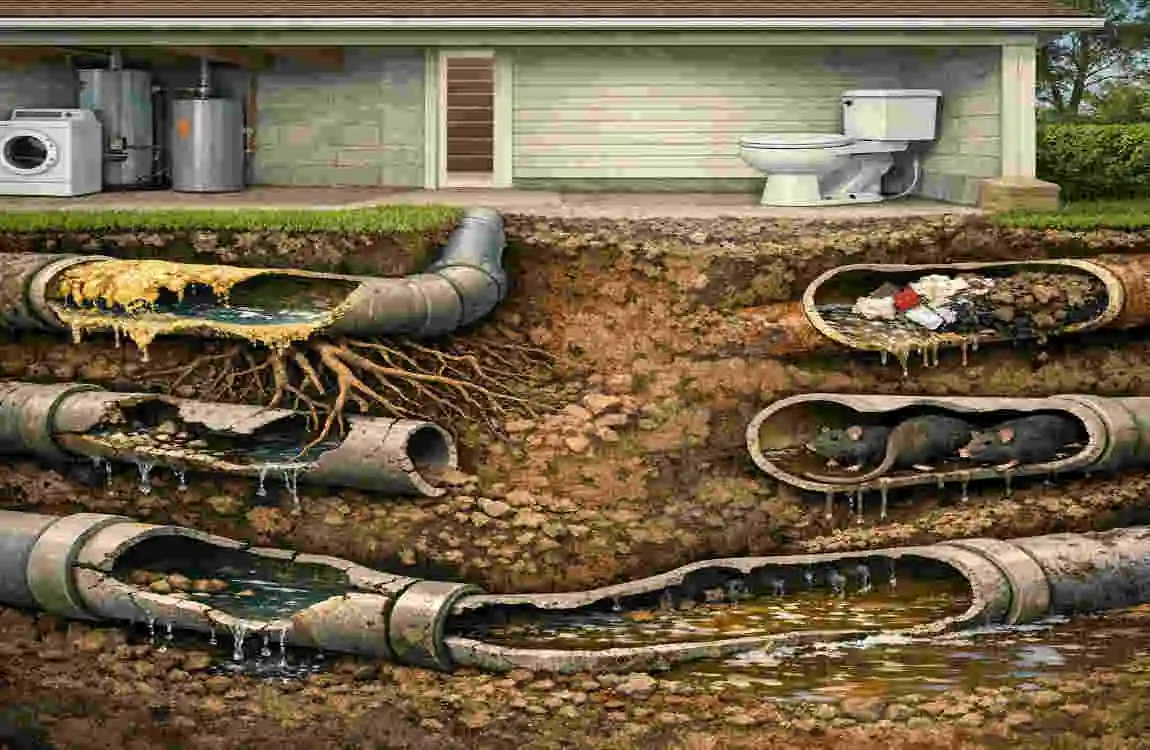
Sewer line issues often start small and worsen over time. If you understand the early signs, you can act before the problem spreads.
Clogged Sewer Lines
A clog is one of the most common sewer problems. It usually happens when grease, hair, soap, paper products, tree roots, or foreign items block the pipe.
When the line is blocked, water cannot move freely. That can lead to slow drains, gurgling sounds, and unpleasant smells in your home.
Common signs of a clog include:
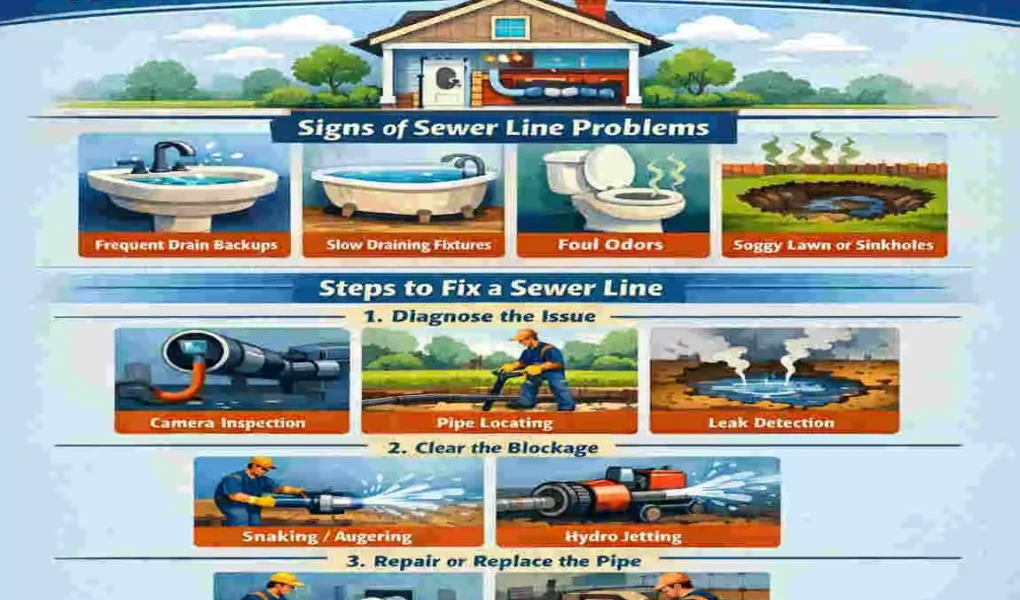
- Multiple slow drains at the same time
- Gurgling toilets or pipe sounds
- Water backing up in sinks, tubs, or showers
- Sewage odors in or around the home
Tree Root Damage
Tree roots naturally search for moisture. If they find even a tiny crack in a sewer pipe, they can push their way inside.
Over time, roots can grow thicker and cause a major blockage. In some cases, they can even crack or break the pipe further. This type of damage often needs professional repair.
Cracked or Broken Pipes
Older sewer pipes can develop cracks due to age, soil shifting, or pressure from above ground. Materials like clay or cast iron may wear down over time.
A cracked pipe may still work for a while, but the damage usually gets worse. Water may leak into the ground, and dirt may enter the line, making the blockage even bigger.
Sewer Line Collapse
A collapsed sewer line is one of the most serious problems. It means the pipe has failed badly enough that wastewater can no longer move through it properly.
This often causes repeated backups, slow drains, and strong odors. In many cases, the pipe must be repaired or replaced right away.
How to Identify Sewer Line Issues
The earlier you spot the warning signs, the better your chances of avoiding expensive damage. Sewer line problems often show up in more than one place at the same time.
Warning Signs to Watch For
Look for these common clues in your home or yard:
- Frequent toilet backups
- Wet or soggy spots in the yard
- Unusually green grass over a sewer line
- Slow drainage throughout the house
- Strong sewer smells inside or outside
These signs do not always mean the sewer line is the problem, but they should never be ignored.
Why Professional Inspection Matters
A plumber may use a sewer camera inspection to look inside the pipe. This tool helps identify cracks, clogs, root intrusion, and other issues without immediately digging up your yard.
That saves time and gives you a much clearer idea of what is really happening underground.
House Sewer Line Repair Options
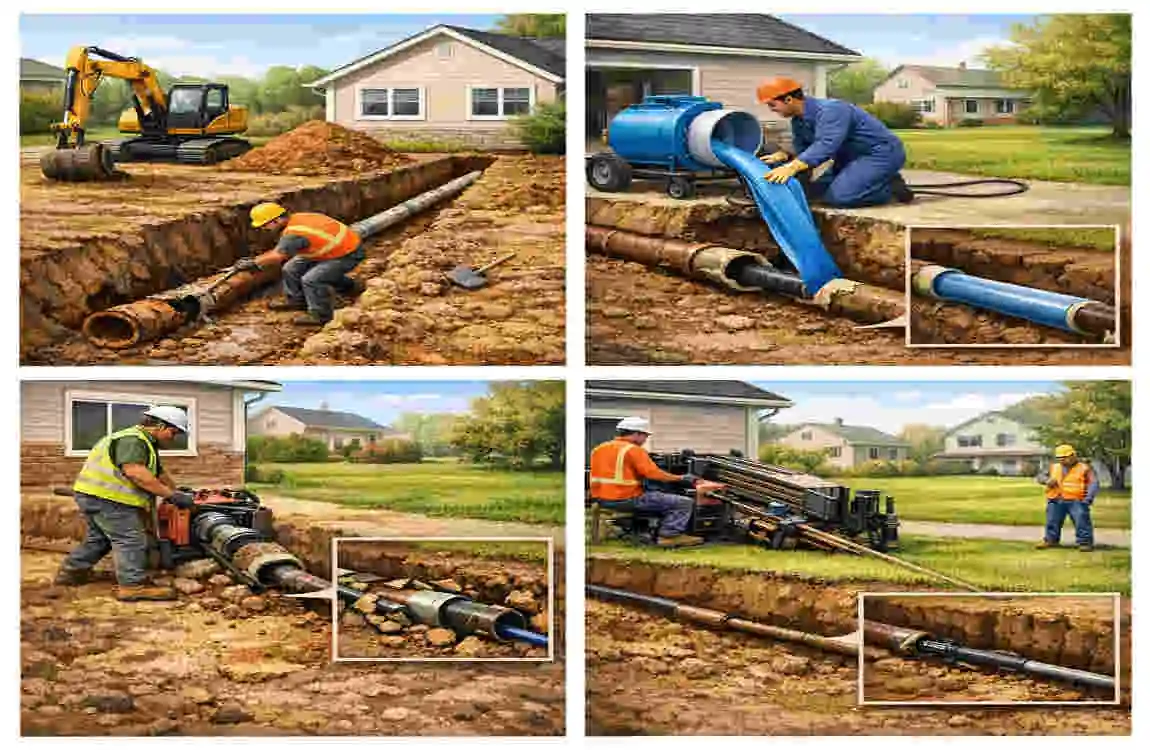
The right repair depends on the type and severity of the damage and the pipe’s location. Some problems need only cleaning, while others may require major work.
Sewer Line Cleaning
For minor blockages, cleaning is often the first step. A plumber may use a drain snake or hydro-jetting to clear buildup in the pipe.
This works well for grease, debris, and some root growth. It can often restore normal flow without major digging.
Pipe Repair
If only one section of pipe is damaged, a targeted repair may be enough. This is a good option when the crack or break is small, and the rest of the line is still in decent shape.
A repair can stop leaks, improve drainage, and extend the life of the sewer line.
Trenchless Sewer Repair
Trenchless repair is a modern method that allows plumbers to fix pipes with very little digging. This can help protect lawns, driveways, and landscaping.
It is often a smart choice when the pipe is damaged but still accessible. It may also save time compared to traditional digging.
Sewer Line Replacement
If the line is old, badly broken, or keeps failing, replacement may be the best choice. Although this is a bigger project, it can solve the problem for the long term.
Replacement is often recommended when the pipe has collapsed, is badly corroded, or has sustained too much damage for a simple repair.
Tips to Prevent Sewer Line Problems
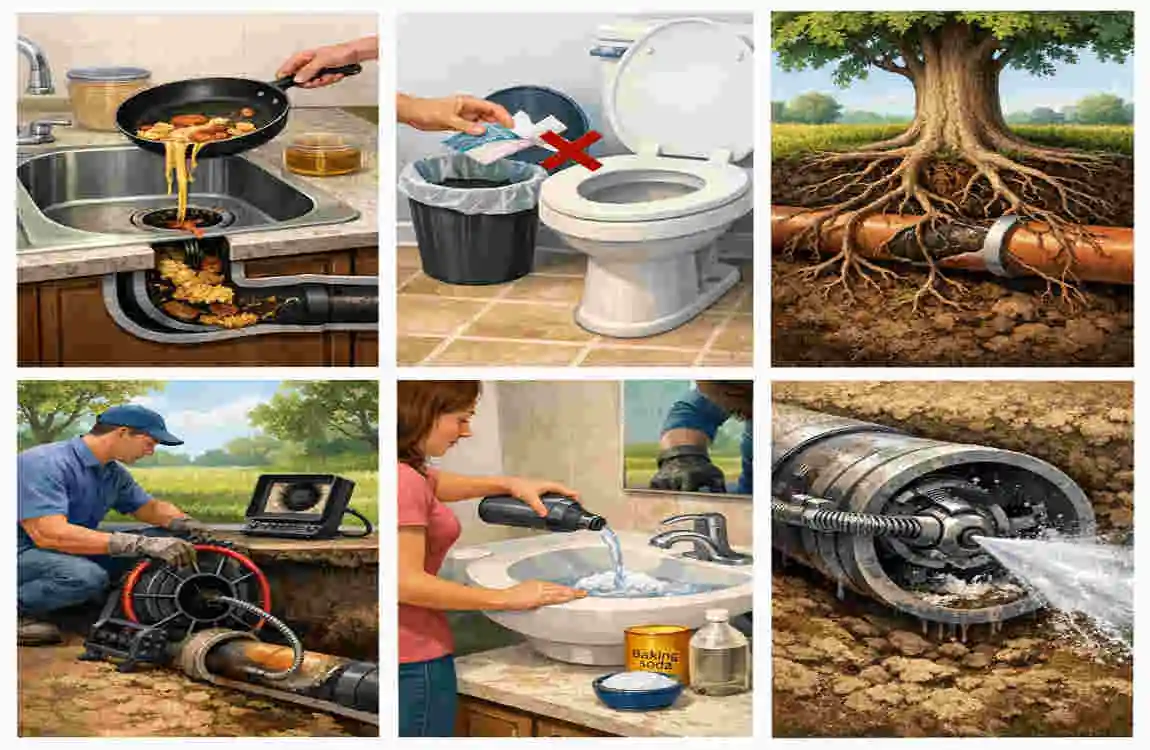
A little care can go a long way. Small habits at home can help protect your sewer line and reduce the chance of future trouble.
Good Habits for Homeowners
Try to follow these simple steps:
- Do not flush wipes, grease, or foreign objects
- Schedule regular sewer inspections, especially in older homes
- Plant trees away from sewer lines
- Use drain strainers to catch debris
- Fix small plumbing issues early
These steps may seem simple, but they can save you from major repairs later.
Why Prevention Saves Money
When sewer problems are caught early, they are usually easier and less expensive to fix. A small clog is far cheaper than a collapsed pipe.
That is why regular care matters so much. You protect your home, your yard, and your budget at the same time.
When Should You Call a Professional?
Some drain problems can be handled at home, but sewer line issues are different. They often involve hidden damage underground, and that makes them harder to solve safely on your own.
Signs You Need a Plumber
Call a licensed plumber if you notice:
- Repeated backups
- Sewer smells that do not go away
- Water pooling in your yard
- Slow drains across the whole house
- Signs of pipe collapse or major damage
Why DIY Fixes May Not Be Enough
Store-bought drain cleaners or quick fixes may only solve a small part of the problem. In some cases, they can even make things worse by damaging the pipe.
A professional has the tools and experience to identify the root cause and fix it properly.
Sewer Line Problems and Repair Options at a Glance
ProblemCommon SignsPossible Repair
Clogged sewer line Slow drains, gurgling sounds, backups Cleaning or hydro jetting
Tree root damage Repeated clogs, sewer odors Root removal or pipe repair
Cracked pipe Wet yard spots, bad smells Pipe repair or trenchless fix
Collapsed line Major backups, poor drainage Replacement
FAQ About House Sewer Line Issues & Repair
How much does sewer line repair cost?
The cost depends on the damage, the pipe location, and the repair method. A small repair may be affordable, while a full replacement can cost much more.
How long does a house sewer line last?
Many sewer lines last 50 to 100 years. The exact lifespan depends on the pipe material, soil conditions, and how well the line is maintained.
Can I repair a sewer line myself?
You may be able to clear a small drain clog on your own. But sewer line repair usually needs special tools and training, so professional help is often the safer choice.
How do I know if my sewer line needs replacement?
Frequent backups, serious cracks, pipe collapse, and repeated repair problems are strong signs that replacement may be needed.
Does home insurance cover sewer line problems?
It depends on your policy. Some plans may cover sudden damage, but many do not cover normal wear and tear or slow damage over time.
| Issue / Step | Information |
|---|---|
| Common Sewer Line Problems | Clogs, tree root intrusion, pipe cracks, leaks, bad odors, slow drains, and sewage backups are common sewer line issues. |
| Warning Signs | Gurgling toilets, multiple slow drains, water pooling in the yard, unpleasant smells, and sewage coming back into the house may indicate a sewer problem. |
| Initial Inspection | Check drains and clean minor blockages. For serious issues, a professional sewer camera inspection can identify pipe damage. |
| Common Repair Methods | Repairs may include drain cleaning, pipe patching, sewer line replacement, trenchless repairs, or removing tree roots blocking pipes. |
| DIY Solutions | Use drain strainers, avoid flushing harmful items, and try safe drain cleaners for small clogs. Avoid harsh chemicals that can damage pipes. |
| Professional Repair | Hire a licensed plumber for major leaks, broken pipes, or repeated backups to prevent costly damage. |
| Preventive Maintenance | Schedule regular sewer inspections, avoid planting large trees near sewer lines, and keep grease and debris out of drains. |