
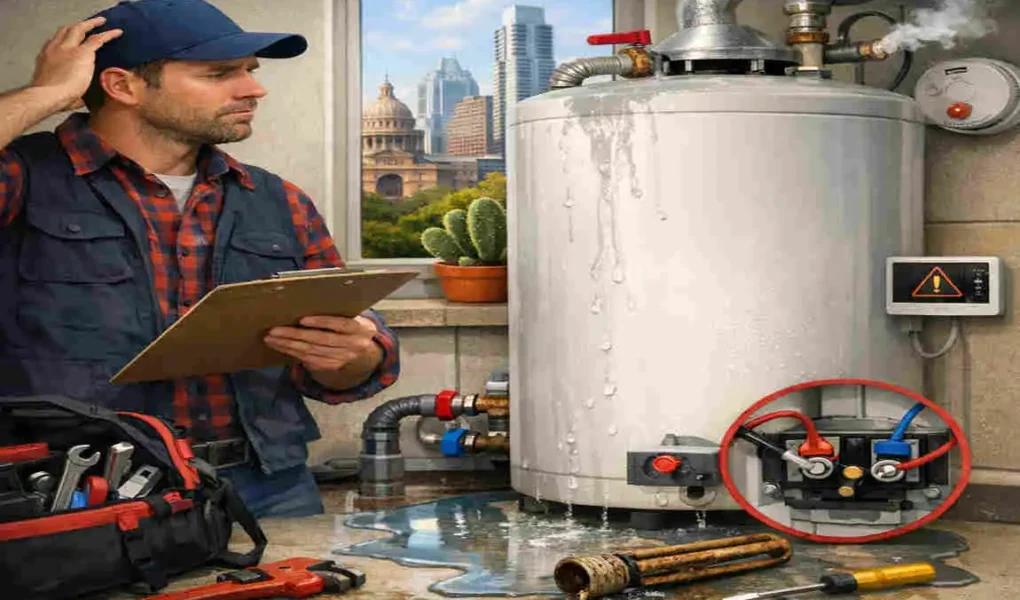
A working water heater makes daily life much easier. You need it for warm showers, clean dishes, and basic comfort at home. But when a water heater starts acting up, many homeowners in Austin, TX try quick fixes that can cause more harm than good.
The good news is that many common mistakes are easy to avoid. If you know what to watch for, you can protect your system, save money, and keep your home safe.
Common Water Heater Repair Mistakes
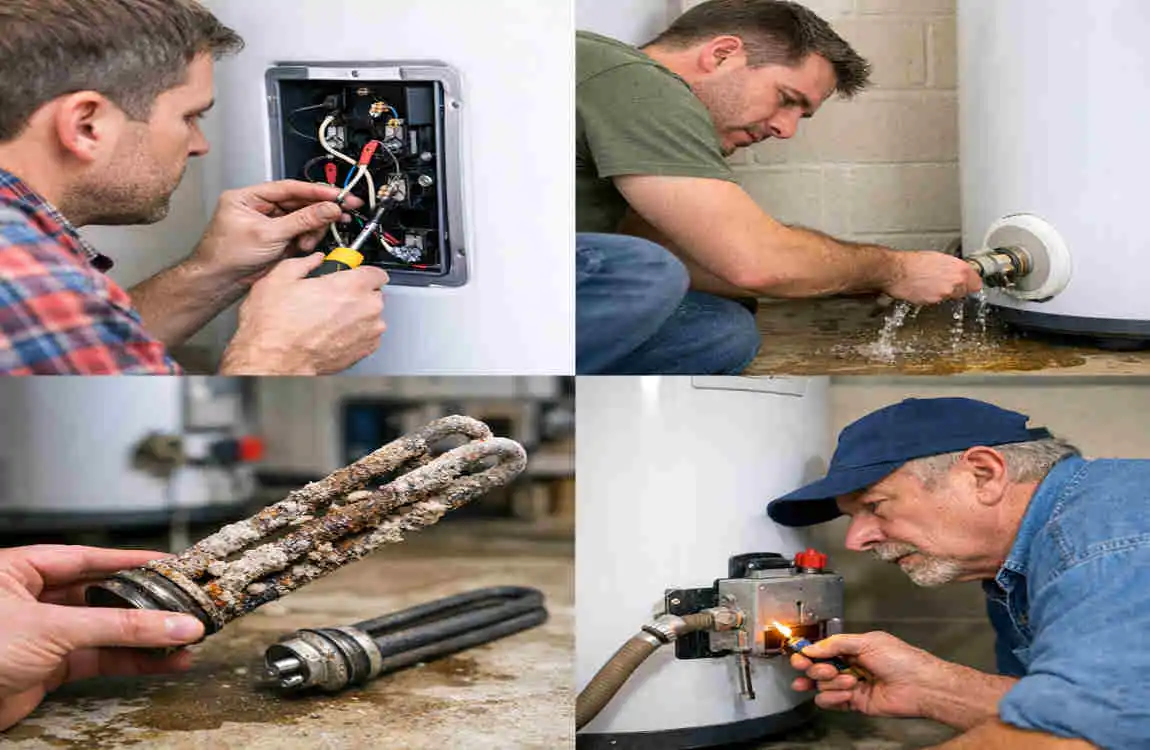
Many water heater problems get worse because people ignore small warning signs or try the wrong repair. Here are the most common mistakes to avoid.
Common Mistake Why It Becomes a Problem Better Approach
Ignoring early warning signs Small issues can turn into major damage Act as soon as you notice changes
Turning off the wrong utility Can create a safety risk during repairs Shut off the correct power or gas source
Skipping regular maintenance Sediment buildup lowers efficiency Flush and inspect the tank regularly
Using incorrect replacement parts May damage the system or void the warranty Use parts made for your model
Attempting complex repairs yourself Gas, electric, and leak issues can be dangerous Call a licensed plumber
Ignoring early warning signs
A water heater often gives clues before it fails. You might hear strange noises, see rusty water, notice uneven temperatures, or spot a small leak near the tank.
These signs may seem minor at first, but they usually point to a bigger issue. If you wait too long, a small repair can turn into a full replacement.
Turning off the wrong utility
Before checking a water heater, always shut off the correct utility. Electric models need the power turned off at the breaker. Gas models need the gas supply shut off before any repair work begins.
This step matters because it protects you from shocks, burns, and other safety problems. Never guess. Always confirm what type of unit you have before you start.
Skipping regular maintenance
Many homeowners forget one of the most important tasks: flushing the tank. Over time, sediment settles at the bottom of the water heater. This buildup makes the system work harder and use more energy.
When maintenance gets skipped, the heater may wear out faster, make more noise, and struggle to heat water evenly.
Using incorrect replacement parts
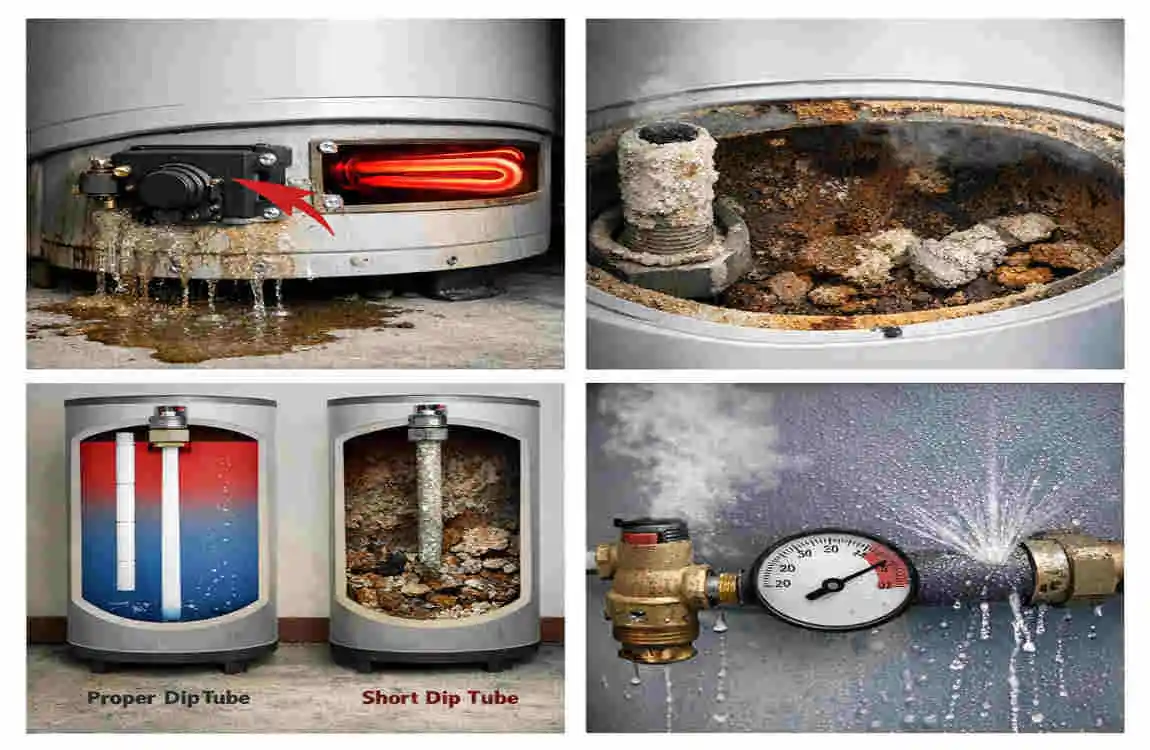
Not all water heater parts are the same. A valve, thermostat, or heating element that looks close enough may still be the wrong fit.
Using the wrong part can damage the unit and may also affect the warranty. It is always better to use parts that match your exact model.
Attempting complex repairs yourself
Some small tasks are fine for homeowners, like basic cleaning or checking for visible leaks. But repairs involving gas lines, electrical parts, or major water leaks should be left to a qualified plumber.
These jobs are not worth the risk if you are not trained. One wrong move can lead to bigger damage or serious injury.
Tips to Keep Your Water Heater Running Efficiently
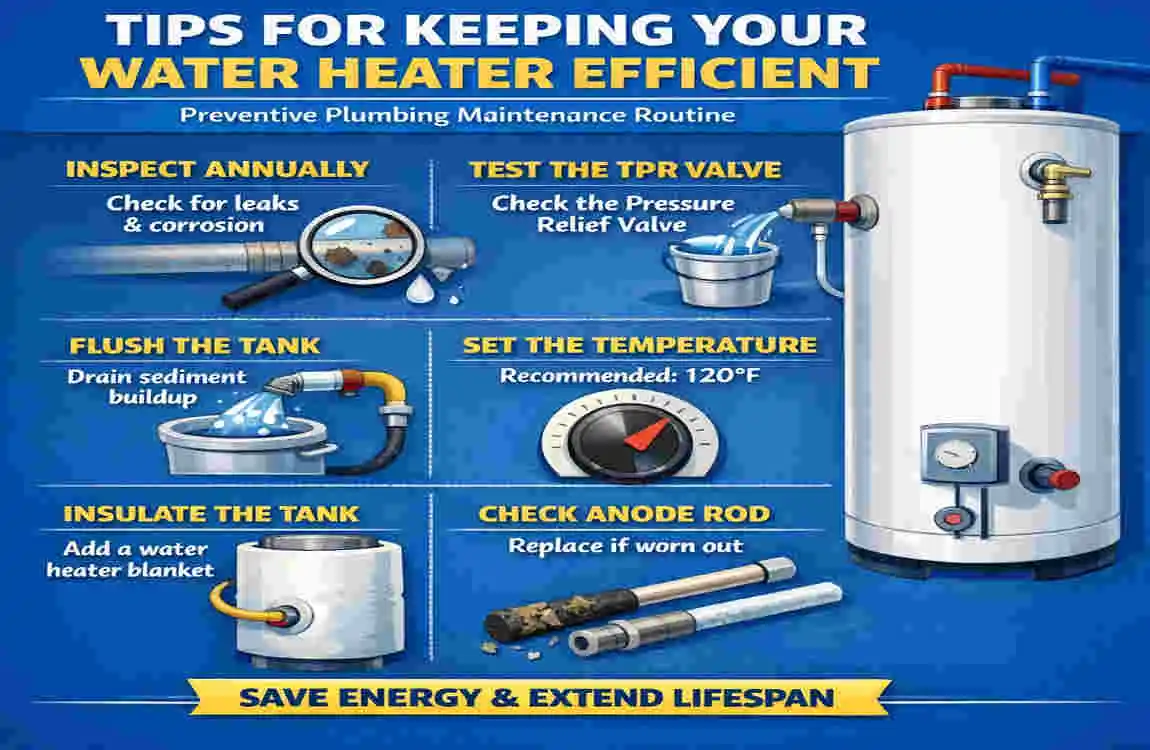
A little care goes a long way. If you stay on top of simple maintenance, your water heater can last longer and work more smoothly.
Simple steps you can follow
- Flush the tank once a year to remove sediment
- Check fittings and valves for leaks
- Test the pressure relief valve from time to time
- Set the thermostat to 120°F
- Schedule yearly professional maintenance
Why these habits help
These steps may seem small, but they make a big difference. Flushing the tank helps the heater run better. Checking for leaks helps you catch problems early. Setting the right temperature can lower energy use and reduce scalding risk.
Regular maintenance also gives a plumber a chance to spot hidden trouble before it gets expensive.
When to Call a Professional
Some water heater problems need expert help right away. If you keep trying to fix the same issue and nothing changes, it is time to bring in a licensed plumber in Austin.
Call a professional if you notice:
- Water leaking from the tank
- No hot water
- Discoloured or rusty water
- Burning smells or gas odours
- Loud popping or rumbling sounds
- Frequent breaker trips or pilot light problems
Why fast help matters
Water heater problems can grow quickly. A small leak can become major water damage. A gas smell can become a safety emergency. A noisy tank may be showing heavy sediment buildup or other internal trouble.
Getting professional help early can prevent higher repair costs and help your water heater last longer.
FAQ
How often should I flush my water heater?
Most experts recommend flushing it once a year to reduce sediment buildup.
Is it safe to repair a water heater myself?
Basic care is usually okay, but a licensed professional should do gas, electrical, and major plumbing repairs.
Why is my water heater making popping noises?
Popping usually means sediment has built up inside the tank and is affecting the unit’s ability to heat water.
What temperature should my water heater be set to?
A setting of 120°F is usually best for safety and energy efficiency.
How long does a typical water heater last?
Most standard tank water heaters last about 8 to 12 years. Tankless units often last 15 to 20 years with proper care.
| Topic | Information |
|---|---|
| Common Mistake | Ignoring small leaks or unusual noises until they become major problems. |
| DIY Risk | Attempting complex repairs without proper tools or experience can damage the unit and create safety hazards. |
| Turn Off Power/Gas | Always switch off electricity or gas before inspecting or repairing a water heater. |
| Check the Thermostat | Incorrect temperature settings can reduce efficiency or cause overheating. |
| Flush the Tank | Remove sediment buildup annually to improve performance and extend the heater’s lifespan. |
| Inspect the Pressure Relief Valve | Test the T&P valve regularly to ensure safe pressure release. |
| Avoid Wrong Replacement Parts | Use manufacturer-approved parts to prevent compatibility issues. |
| Watch for Rust | Rusty water or corrosion may indicate the tank is nearing the end of its life. |
| When to Call a Professional | Contact a licensed plumber for gas leaks, major leaks, electrical issues, or recurring problems. |
| Maintenance Tip | Schedule annual inspections to improve efficiency and reduce costly repairs in Austin’s varying water conditions. |