
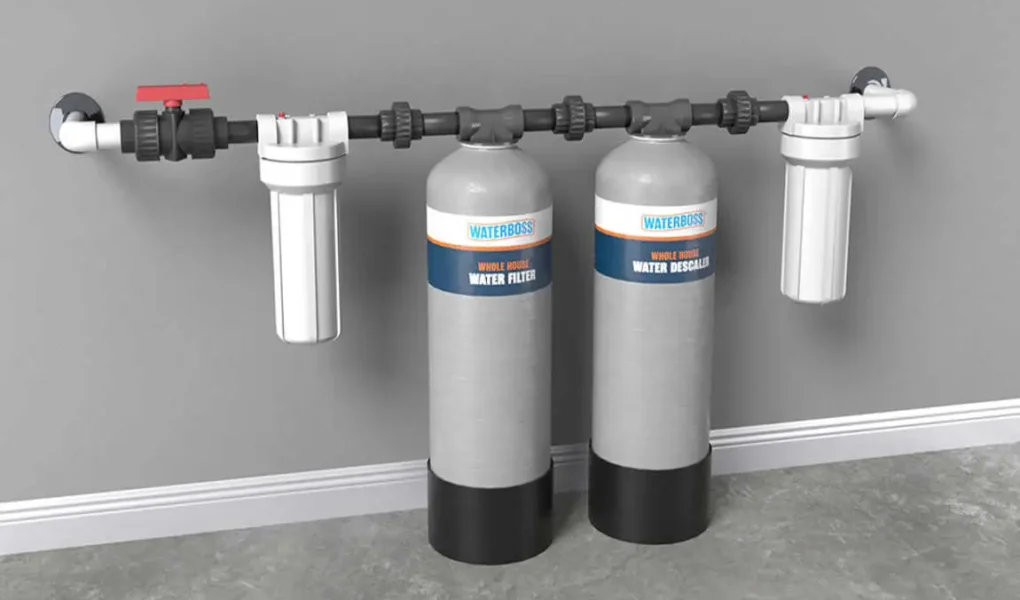
Clean, fresh water is an important part of a comfortable home. A home water filtration system can help reduce unwanted particles, unpleasant odors, chlorine, and certain contaminants. But simply installing a filter is not enough.
Your filtration system needs the right filter, regular maintenance, and proper testing to work effectively. If your water has an unusual taste, strange smell, low pressure, or visible deposits, it may be time to improve your setup.
The good news is that you often do not need to replace the entire system. A few practical improvements can make a noticeable difference.
Choose the Right Water Filter
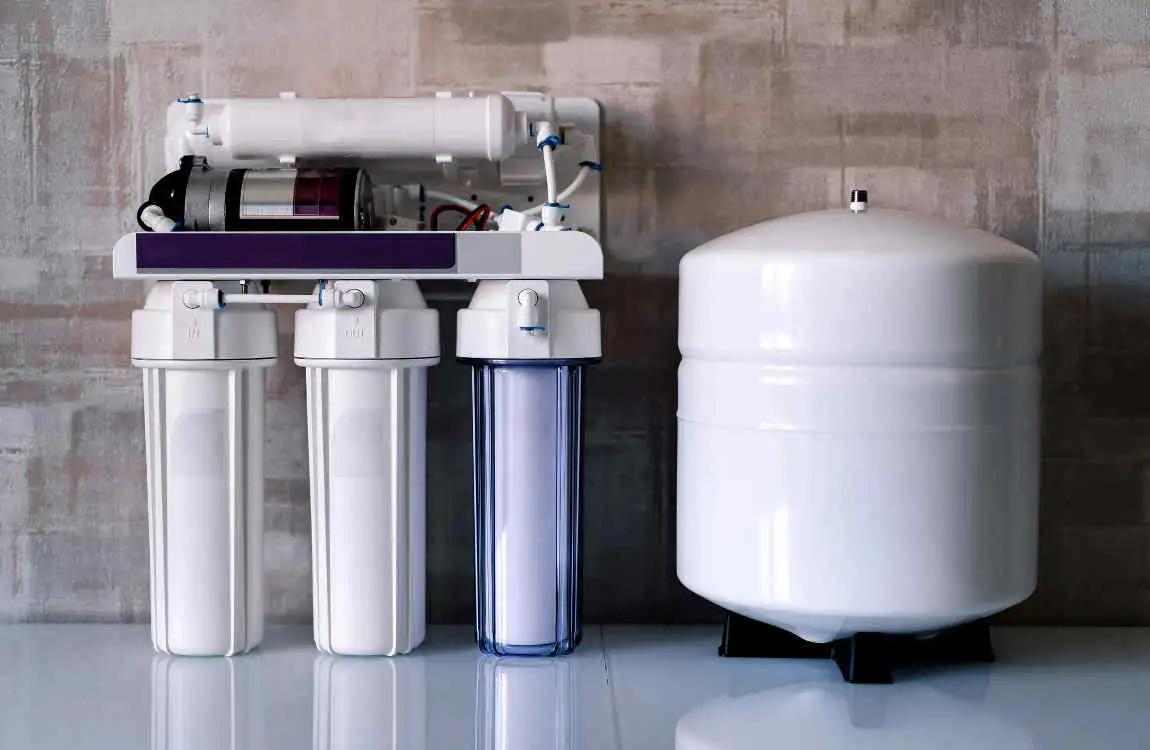
The first step is understanding what is actually in your water. Different filters are designed to handle different problems.
A sediment filter can help capture particles such as dirt, sand, and rust. Activated carbon filters are commonly used to improve taste and reduce chlorine and certain odors.
If you have private well water, testing it before choosing a filter can be especially useful. Knowing the problem helps you avoid spending money on equipment you may not need.
Match the Filter to Your Water
Think about your main concern before buying an upgrade. You may need filtration for taste, sediment, minerals, microorganisms, or a specific contaminant.
Choosing a filter based on actual water-quality information is usually more effective than simply buying the most expensive system.
Replace Filters on Time
One of the simplest ways to improve water filtration performance is to replace filter cartridges when recommended.
As a filter collects particles and contaminants, it can become clogged. This may reduce water flow and affect how well the system operates.
Follow the manufacturer’s replacement schedule. You may need to replace a filter sooner if your household uses a lot of water or your incoming water contains significant sediment.
Watch for Warning Signs
Even if the scheduled replacement date has not arrived, pay attention to changes in your water.
Signs that a filter may need attention include:
- Reduced water pressure or flow
- Changes in taste or odor
- Visible sediment
- Unusual noises from the system
- A filter that looks heavily clogged
Clean and Inspect the Filtration System
Replacing cartridges is only one part of water filtration maintenance. The rest of the system also needs occasional attention.
Filter housings, faucets, storage tanks, seals, and connections can collect dirt or develop problems over time.
What Should You Check?
During routine maintenance, look for sediment buildup, leaks, damaged seals, loose connections, and unusual odors.
Clean components only according to the manufacturer’s instructions. Using the wrong cleaning product can damage certain filtration materials.
Regular inspection also gives you a chance to identify small problems before they become expensive repairs.
Consider a Multi-Stage Water Filtration System
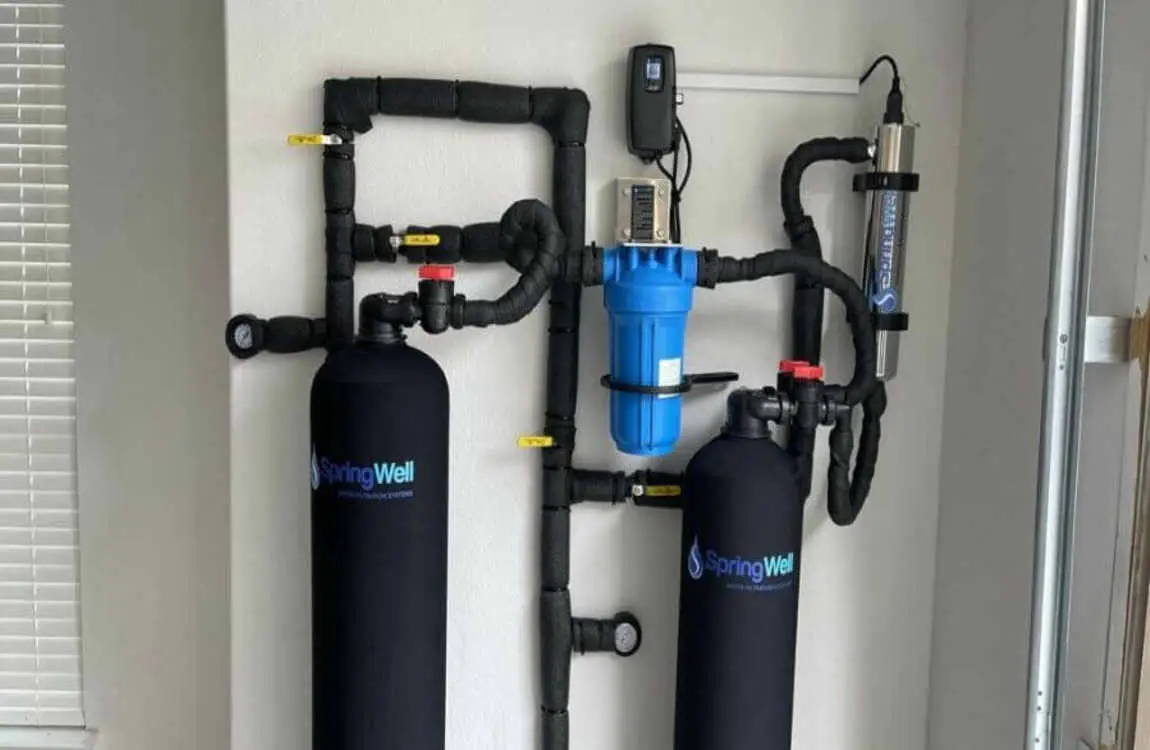
A multi-stage water filtration system uses different filtration methods to address different water-quality concerns.
For example, one stage may capture sediment while another uses activated carbon. A further stage may provide specialized treatment depending on the system.
This approach can be useful when your water has multiple problems.
Is More Filtration Always Better?
Not necessarily. More stages do not automatically mean better water.
The best system is one designed around your actual water-quality needs. Unnecessary filtration can increase purchase and maintenance costs without providing meaningful benefits.
Test Your Water Regularly
Water can sometimes contain contaminants that you cannot see, smell, or taste. This is why water testing can be an important part of maintaining your filtration system.
Testing can help you understand whether you need basic filtration or a more specialized solution.
Depending on the results, possible treatment methods may include reverse osmosis, ultraviolet treatment, activated carbon, or specialized filtration.
Why Testing Matters
Without testing, you may choose a filter that does not address your home’s actual water-quality problem.
A water test gives you useful information before you invest in new equipment.
Improve Water Pressure and Flow
A good filtration system should provide clean water without unnecessarily restricting flow.
If water pressure suddenly drops, the filter may be clogged. However, a pressure problem can also come from plumbing issues, valves, or other components.
Start by checking the filter and connections. Replacing a heavily clogged cartridge may restore normal flow.
If the problem continues, the entire plumbing system may need to be inspected.
Maintain the Entire Home Water System
Your filter is only one part of your home’s water system. Pipes, faucets, water heaters, storage tanks, and valves can all affect water quality.
Old or damaged plumbing may contribute to discoloration, odors, leaks, or mineral buildup.
Regular inspection helps you identify these problems early. Keeping the plumbing system in good condition can support your filtration equipment’s performance.
Quick Water Filtration Maintenance Guide
Maintenance Task Recommended Action
Filter replacement Follow the manufacturer’s schedule
Water testing Test when quality concerns arise
System cleaning Follow manufacturer instructions
Leak inspection Check connections regularly
Water pressure Investigate sudden drops
Well water Test periodically for relevant contaminants
A simple maintenance routine can help your home water filtration system perform more consistently.
How to Get Better Results From Your Filtration System
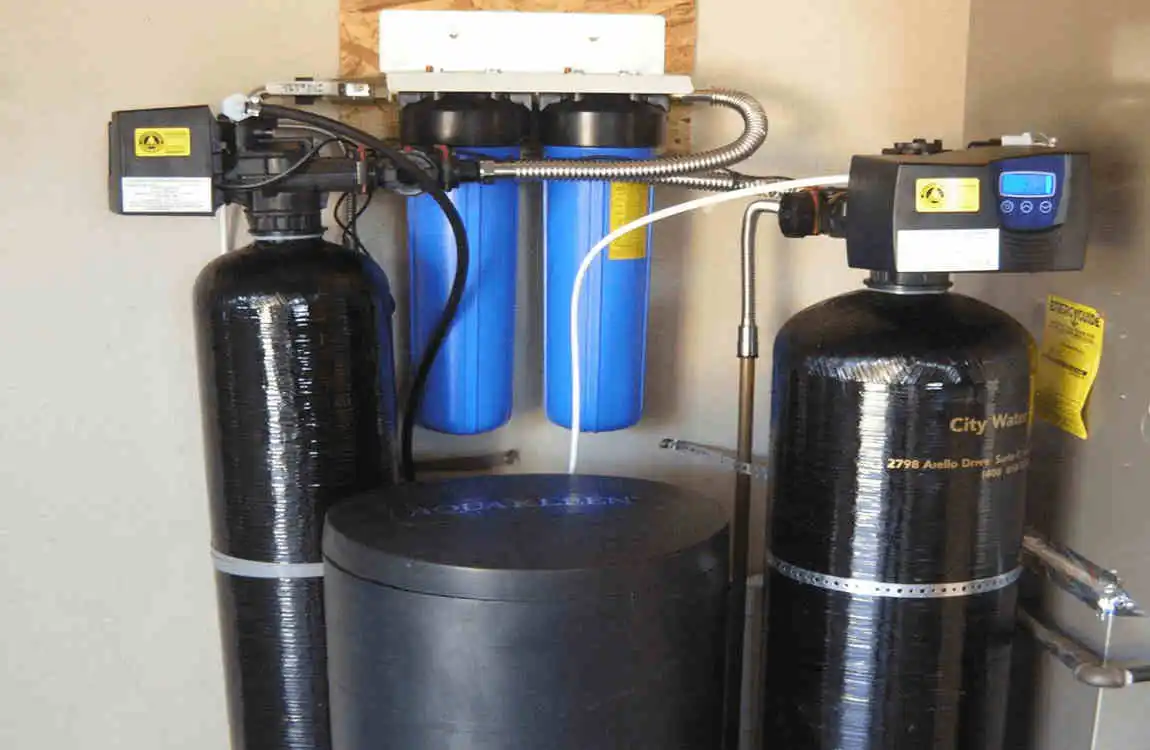
Improving your system does not always mean buying new equipment. Start with the basics.
First, identify your water-quality concerns. Then choose a filter designed to address those concerns. Keep replacement cartridges on schedule and inspect the system regularly.
You should also avoid ignoring changes in taste, odor, pressure, or appearance. These changes can indicate that the filter or another part of the water system needs attention.
If your water requires specialized treatment, professional evaluation may help you choose the appropriate solution.
Frequently Asked Questions
How often should I replace my water filter?
The replacement schedule depends on the filter type, water quality, and household usage. Follow the manufacturer’s instructions and consider earlier replacement if water flow or taste changes.
Is a multi-stage water filter better?
A multi-stage system can be useful when your water has several different quality concerns. Each stage can perform a different treatment function.
However, you do not necessarily need multiple stages if your water only has one simple filtration need.
How can I know which contaminants are in my water?
Water testing is one of the best ways to identify many contaminants. Testing can be especially helpful before purchasing an advanced filtration system.
Can a water filter improve taste and odor?
Yes. Certain filters, particularly activated carbon filters, can help reduce substances associated with unpleasant tastes and odors.
Does every home need a whole-house water filter?
No. Some homes may only need point-of-use filtration, such as a filter at the kitchen faucet. Others may benefit from whole-house treatment.
The right choice depends on your water quality, household needs, and the type of contaminants you want to reduce.
| Improvement | What to Do | Main Benefit |
|---|---|---|
| Replace Filters Regularly | Follow the filter’s replacement schedule. | Better water quality |
| Test Your Water | Check for contaminants such as chlorine, lead, or bacteria. | Helps choose the right filter |
| Upgrade the Filter | Consider carbon, sediment, or reverse osmosis filtration based on water quality. | More effective purification |
| Clean the System | Sanitize housings, tanks, and other components as recommended. | Prevents buildup and contamination |
| Check Water Pressure | Make sure pressure stays within the system’s recommended range. | Improves filtration performance |
| Inspect for Leaks | Regularly check connections, pipes, and filter housings. | Prevents water waste and damage |