Household pests can show up when you least expect them. One day your home feels clean and calm, and the next you notice ants in the kitchen, roaches near the sink, or tiny bites on your skin. These pests are not just annoying. They can also bring health risks, damage your home, and create a lot of stress.
The good news is that you do not always need expensive help right away. In many cases, DIY pest control can solve the problem fast, especially when you catch it early. If you know what pest you are dealing with and act quickly, you can often stop the issue before it gets worse.
Why Pest Control at Home Is Important
Protecting Your Family’s Health
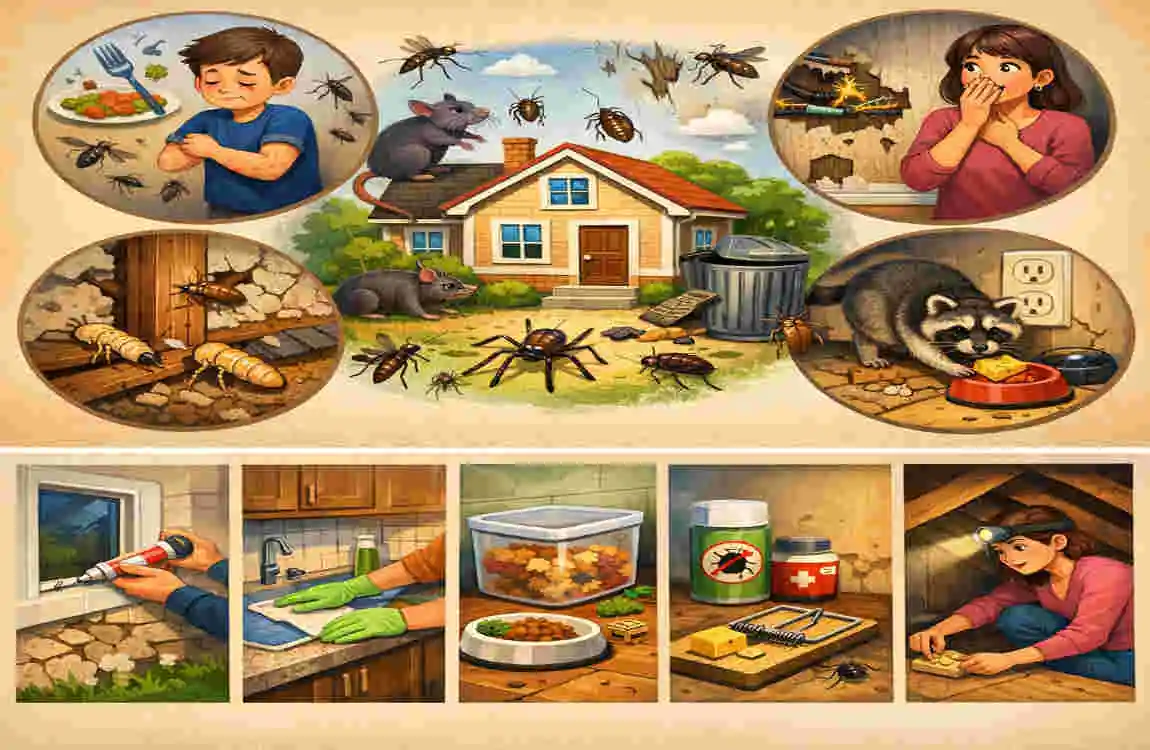
Pests can carry germs, bacteria, and allergens. Cockroaches, rodents, and mosquitoes are common examples. They can spread disease, trigger asthma, and make allergy symptoms worse. Even if you do not see them often, they may still be hiding in walls, kitchens, or dark corners.
Preventing Property Damage
Some pests do more than scare you. Termites can weaken wood, rodents can chew wires, and insects can damage food and fabric. Over time, this can lead to costly repairs. Acting early helps you avoid bigger problems later.
Saving Money
When you control pests early, you usually spend less money. Small infestations are easier and cheaper to handle. A few traps, cleaning supplies, and simple home fixes can save you from expensive repairs or full-scale treatments.
Common Household Pests and Their Signs
Ants
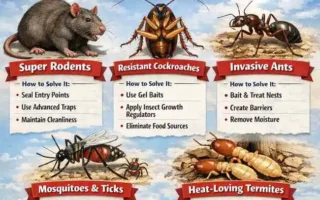
Ants often appear in kitchens and bathrooms because they are searching for food and water. You may see a line of ants moving across counters, floors, or walls. They often hide near cracks, under sinks, or around windows.
Cockroaches
Cockroaches like dark, warm, damp places. You may find them in kitchens, drains, behind appliances, or inside cabinets. Common signs include a bad smell, droppings, and egg cases. They are a health concern because they can carry germs.
Rodents
Mice and rats leave clear signs behind. Look for droppings, gnaw marks, shredded paper, and strange scratching noises in the walls or ceiling. They often live near food storage, basements, attics, or behind furniture.
Mosquitoes
Mosquitoes usually breed in standing water. If you see them often, check plant trays, buckets, drains, and outdoor containers. Their bites are irritating, and they can also spread illness in some areas.
Spiders
Spiders build webs in corners, ceilings, garages, and storage areas. Most spiders are harmless, but many people still want them gone. A vacuum or broom can remove webs safely, and regular cleaning helps prevent them.
Bed Bugs
Bed bugs hide close to where people sleep. Check mattress seams, bed frames, and nearby furniture for tiny dark spots, shed skins, or small bites on your skin. They are hard to remove once they spread, so early action matters.
Termites
Termites are one of the most damaging pests. Look for mud tubes, hollow wood, bubbling paint, or tiny wings near windows and wood surfaces. If you suspect termites, quick action is very important.
How to Do Pest Control at Home
Keep Your Home Clean
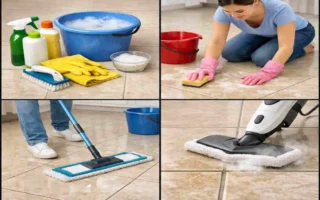
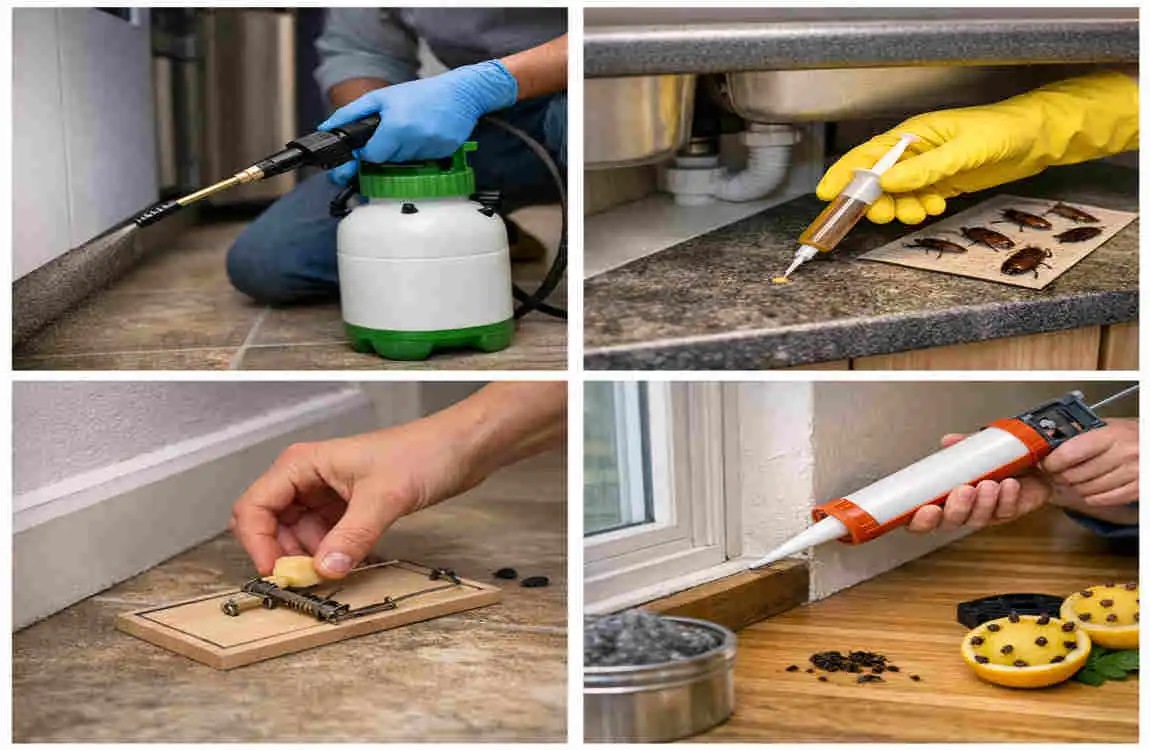
Cleanliness is one of the easiest and most powerful ways to stop pests. Wipe counters, sweep floors, and clean under appliances. Do not leave dirty dishes in the sink overnight. Empty pet bowls after feeding if needed.
Store food in airtight containers. This includes cereal, flour, pet food, and snacks. Even small crumbs can attract insects and rodents.
Seal Entry Points
Pests often enter through small openings you may barely notice. Check doors, windows, vents, pipe gaps, and cracks in walls. Use weather stripping, caulk, or mesh to close these spaces.
If you see light coming in around a door or window, pests can likely get in too. Sealing these gaps is a simple but very effective step.
Remove Food and Water Sources
Pests need food and water to survive. Fix leaking faucets, dry wet sinks, and empty standing water. Take out the trash regularly and keep bins tightly closed.
In kitchens, do not leave fruits out too long. In bathrooms and basements, watch for moisture buildup. Even a small leak can attract insects and rodents.
Use Natural Pest Control Methods
If you want a gentler approach, natural methods can help with minor pest issues.
- Vinegar can help clean surfaces and may discourage some insects.
- Baking soda is often used in simple pest-control mixes.
- Essential oils like peppermint or tea tree may help repel certain pests.
- Diatomaceous earth can be useful against crawling insects when used correctly.
These methods work best when combined with cleaning and sealing entry points. On their own, they may not solve a larger infestation.
DIY Pest Traps
Simple traps can help reduce pest numbers fast.
- Sticky traps can catch crawling insects.
- Rodent traps can help control mice or rats in problem areas.
- Homemade bait setups may work for certain insects when placed carefully.
Always place traps where children and pets cannot reach them. Check them often and replace them when needed.
Safe Use of Chemical Pest Control
Sometimes stronger products are necessary. If you use chemical pest control, always read the label first. Follow the instructions exactly and never mix products unless the label says it is safe.
Keep sprays, baits, and powders away from children and pets. Store all pest-control products in a secure place. Use only the amount recommended, because using more does not always work better and may create health risks.
Tips to Prevent Future Pest Problems
Seasonal Home Maintenance
Pest control should not be a one-time job. Check your home each season. In warmer months, look for mosquitoes, ants, and flies. In colder months, rodents often try to come indoors.
Lawn and Garden Care
Keep grass trimmed and remove piles of leaves, wood, or clutter near the house. These places can become hiding spots for pests. Also, do not let water collect in pots, buckets, or outdoor furniture.
Proper Waste Management
Use trash bins with tight lids. Clean them regularly and do not let garbage sit too long. Compost bins should also be managed carefully so they do not attract insects or animals.
Regular Home Inspections
Walk through your luxury home every few weeks and look for signs of pests. Check corners, under sinks, behind appliances, and around windows. Catching a problem early makes treatment much easier.
DIY Pest Control vs Professional Pest Control
DIY Pest Control Professional Pest Control
Lower cost More expensive
Good for small infestations Best for severe infestations
Fast to start Expert treatment
Needs regular upkeep Often gives longer-lasting results
DIY methods are great for early or minor pest problems. But if the infestation keeps coming back, or if you suspect termites or a large rodent issue, a professional may be the smarter choice.
Common Pest Control Mistakes to Avoid
Many people make simple mistakes that let pests return.
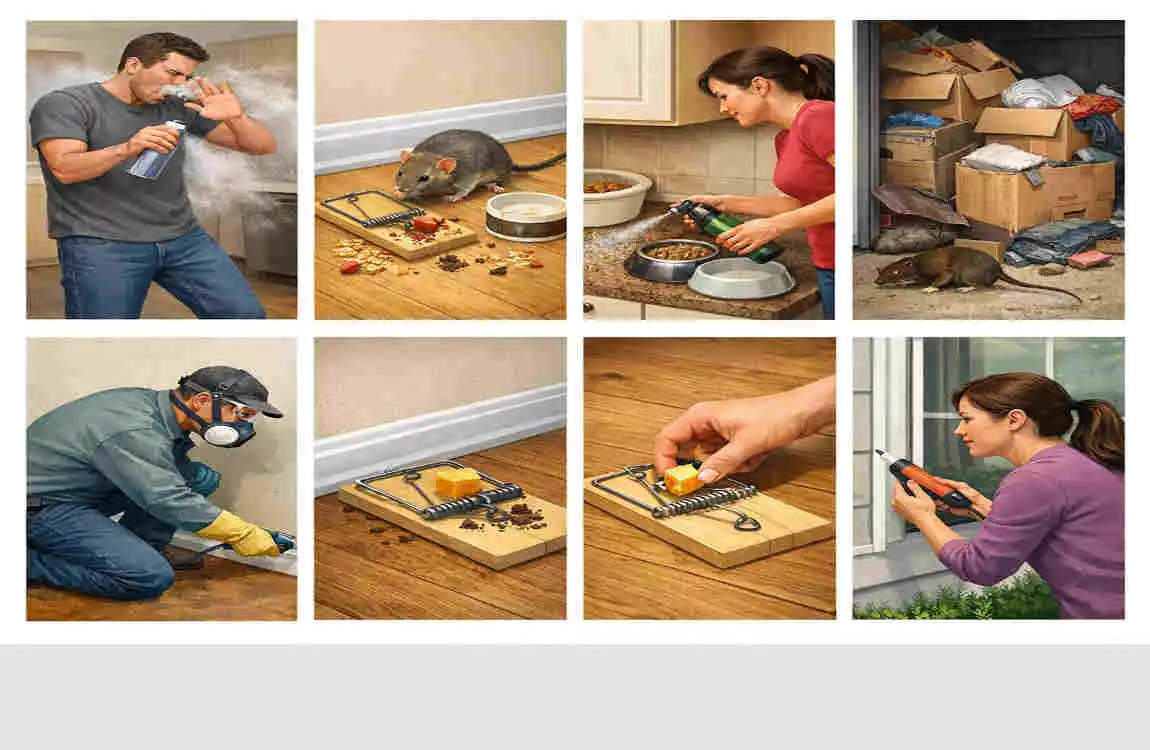
- Ignoring early signs
- Overusing pesticides
- Leaving food uncovered
- Forgetting outdoor cleanup
- Not sealing cracks and gaps
If you avoid these mistakes, your pest-control efforts will work much better.
Frequently Asked Questions
How to do pest control at home naturally?
You can use natural methods like vinegar, baking soda, essential oils, and diatomaceous earth. These work best when you also keep your home clean and seal entry points.
What is the fastest way to get rid of household pests?
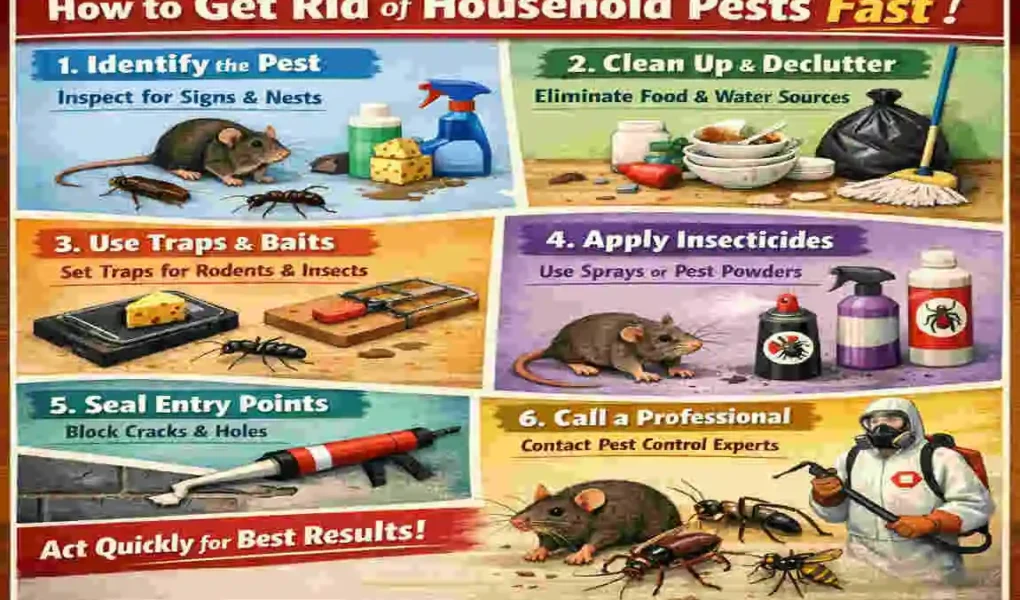
The fastest way is to identify the pest, remove food and water sources, clean the area, and use the right trap or treatment right away.
Is DIY pest control effective?
Yes, DIY pest control can work well for small infestations. It is most effective when you combine cleaning, prevention, and regular checks.
How often should I do pest control at home?
A good routine is every 2 to 3 months, along with weekly cleaning and regular home inspections.
| Pest | Common Cause | Fast Solution | Prevention Tip |
|---|---|---|---|
| Ants | Food crumbs and moisture | Use ant bait stations and clean surfaces | Seal food and fix leaks |
| Cockroaches | Warm, damp areas | Apply gel bait and insecticide | Keep kitchen clean and dry |
| Mice | Easy access to food and shelter | Set snap traps and seal entry points | Store food in airtight containers |
| Bed Bugs | Infested furniture or luggage | Wash bedding in hot water and use heat treatment | Inspect used furniture before bringing it home |
| Mosquitoes | Standing water | Remove water sources and use repellents | Install window screens |
| Flies | Exposed food and garbage | Use fly traps and keep bins covered | Dispose of trash regularly |
| Spiders | Insects and clutter | Vacuum webs and use spider spray | Reduce clutter and seal cracks |
| Silverfish | Humid environments | Use dehumidifiers and sticky traps | Lower indoor humidity |
| Termites | Moist wood | Contact a pest control professional | Keep wood dry and schedule inspections |
| Fleas | Pets and carpets | Treat pets and vacuum thoroughly | Use regular flea prevention for pets |