Imagine this scenario: you are running late for work, you press the button to close your garage door, and nothing happens. The door starts to move down, stops suddenly, and goes right back up. You check the path, and there is absolutely nothing in the way. Frustrating, right?
Garage door safety sensors are brilliantly designed to prevent terrible accidents by stopping the door whenever something blocks its path. They are your first line of defence against crushed bicycles and injured pets. While you should never permanently disable these safety features, there are specific situations where you might need to bypass them temporarily. You might be dealing with a broken part, testing the motor, or simply trying to close your home up securely during an emergency.
What Are Garage Door Safety Sensors?
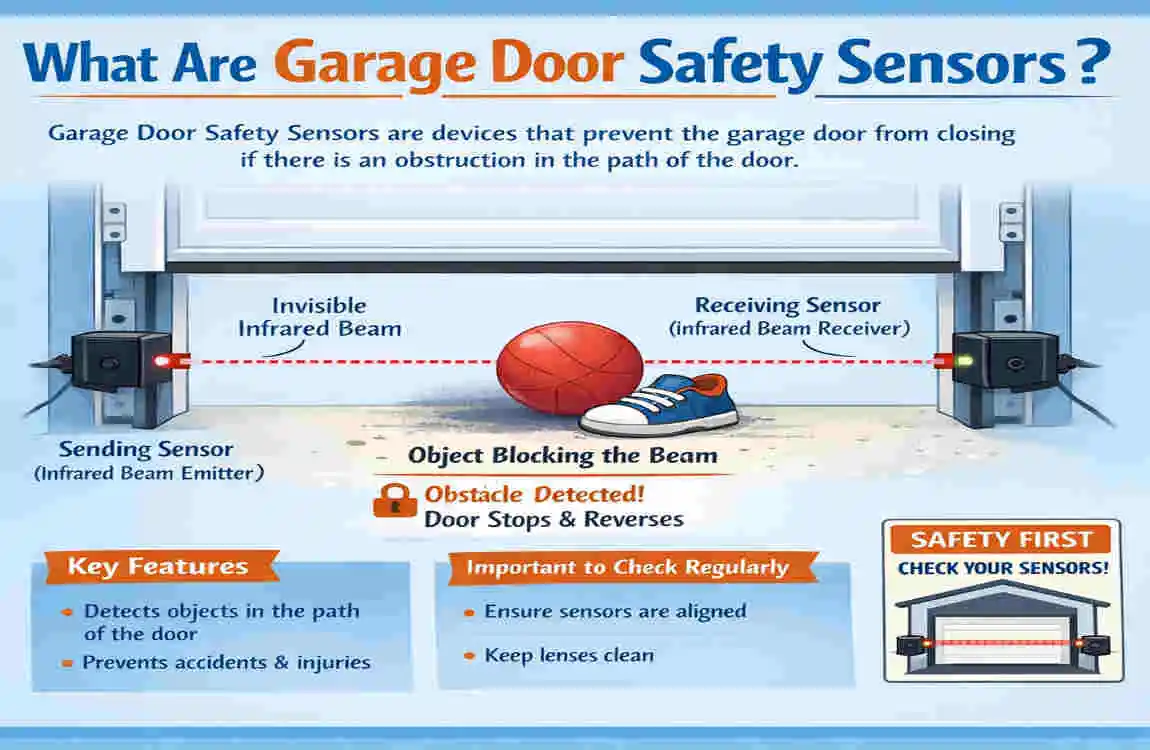
Before we talk about bypassing the system, it helps to understand exactly what we are dealing with. Your garage door safety sensors are those small, box-like devices installed very close to the floor on each side of the garage door track.
The Magic Behind the Invisible Beam
Think of these sensors as two little guards holding an invisible tripwire. They create a constant, invisible infrared beam that stretches all the way across the doorway. One sensor sends the beam, and the other sensor catches it. As long as the catcher receives the beam, the system knows the path is clear.
How They Protect Your Family
If an object, a curious pet, or a person interrupts that invisible beam while the heavy door is closing, the system instantly panics. The motor automatically reverses the door, sending it right back up to the ceiling. This simple technology works wonderfully to prevent serious injury or expensive property damage. It is a fantastic safety net for your home!
When Should You Bypass Garage Door Sensors?
You might wonder why you would ever want to turn off such an important safety feature. Let us be very clear: you should only bypass garage door sensors temporarily.
Here are the most common situations where a temporary override makes perfect sense:
Dealing with Dirty or Misaligned Lenses
Sometimes, the sensors are just confused. If they get covered in dust, or if you accidentally bump one with your foot, the invisible beam breaks. The system thinks there is a permanent obstacle in the way. Bypassing the system allows you to close the door securely while you grab a cloth or a screwdriver to fix the issue.
Waiting for Replacement Parts
Things break as they get older. If one of your sensors completely dies or a wire snaps, you will likely need to order a replacement part. While you wait a few days for the delivery, you still need a way to close your garage door to keep your house safe from intruders and bad weather.
Handling Sudden Emergencies
Picture a heavy storm rolling in quickly. Your sensors are glitching out, and the wind is blowing rain right into your garage. In a sudden emergency like this, you need to close the door immediately. Bypassing the sensors allows you to secure your home without waiting for a repairer.
Troubleshooting the System
If your garage door is acting up, you need to figure out exactly what is wrong. By temporarily bypassing the sensors, you can test the main motor. If the door closes perfectly when bypassed, you instantly know that the motor is fine and the sensors are the true troublemakers.
Important Note: Never leave the sensors bypassed permanently. Doing so removes your safety net and creates a serious, life-threatening safety risk for anyone who walks under the door.
How to Bypass Garage Door Sensors Safely
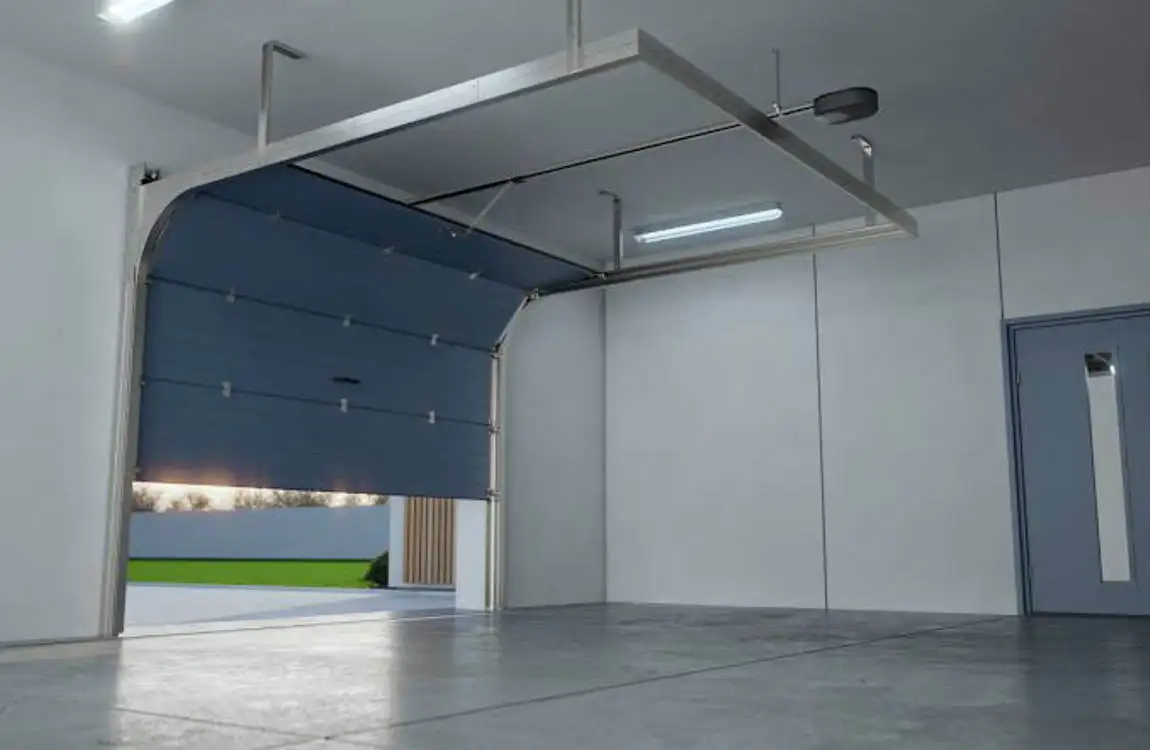
If you find yourself in a situation where you absolutely must close the door, do so without putting anyone in danger. Here is the safest, step-by-step way to bypass your system.
Inspect the Sensors First
Before you start overriding anything, take a good look at the setup. Many sensor problems are easily fixed without actually bypassing the system at all.
Take a moment to wipe down both sensor lenses with a soft, dry microfiber cloth. Next, remove any stray leaves, spider webs, or garden tools that might be blocking the beam. Finally, check that both sensors are pointing directly at each other. Most sensors have a tiny indicator light. If the light is glowing steadily, they are aligned. If it is blinking, you need to gently twist the sensor until it points the right way.
Use the Wall Control Button
If cleaning and moving the sensors does not work, you can use the built-in manual override. Most modern garage door openers allow you to force the door closed directly from the wall panel inside your garage.
Here is how you do it:
- Stand safely inside the garage, keeping your eyes completely fixed on the doorway.
- Press and hold the wall-mounted garage door button. Do not just tap it!
- Continue holding the button firmly until the heavy door touches the ground and fully closes.
If you let go of the button even for a second before the door hits the floor, the safety system will kick back in, and the door will reverse direction. This temporary override works on many modern systems. It is the safest method available because it forces you to stand there and watch the door, ensuring that nobody walks under it as it closes.
Disconnect Power for Repairs
If you actually need to replace the sensors or fix the wiring, you must cut the power. Working on live wires is never a good idea.
Grab a step ladder, find the main garage door opener unit on your ceiling, and unplug it directly from the wall outlet. Once you complete your repair or replacement, plug the unit back in. Always restore power and perform a quick test of the safety system before returning to your regular daily routine.
Why You Shouldn’t Permanently Disable Garage Door Sensors
It might be tempting just to cut the wires and get rid of the sensors forever, especially if they cause you constant headaches. Please do not do this! Permanently bypassing garage door sensors introduces massive risks to your household.
Let us break down the specific dangers:
RiskSimple Explanation
Severe Injury Without sensors, the heavy door will not stop. It can easily close on a playing child or a sleeping pet, causing terrible harm.
Property Damage If you pull your car in halfway or leave a lawnmower in the path, the door will crash right down onto it, ruining your valuable items.
Code Violations: Federal laws and modern building codes require safety sensors on all residential garage doors. Removing them makes your home illegal.
Warranty Issues: If you intentionally turn off safety features, the manufacturer will immediately void your warranty. If the motor breaks later, you pay out of pocket!
Tips to Keep Garage Door Sensors Working
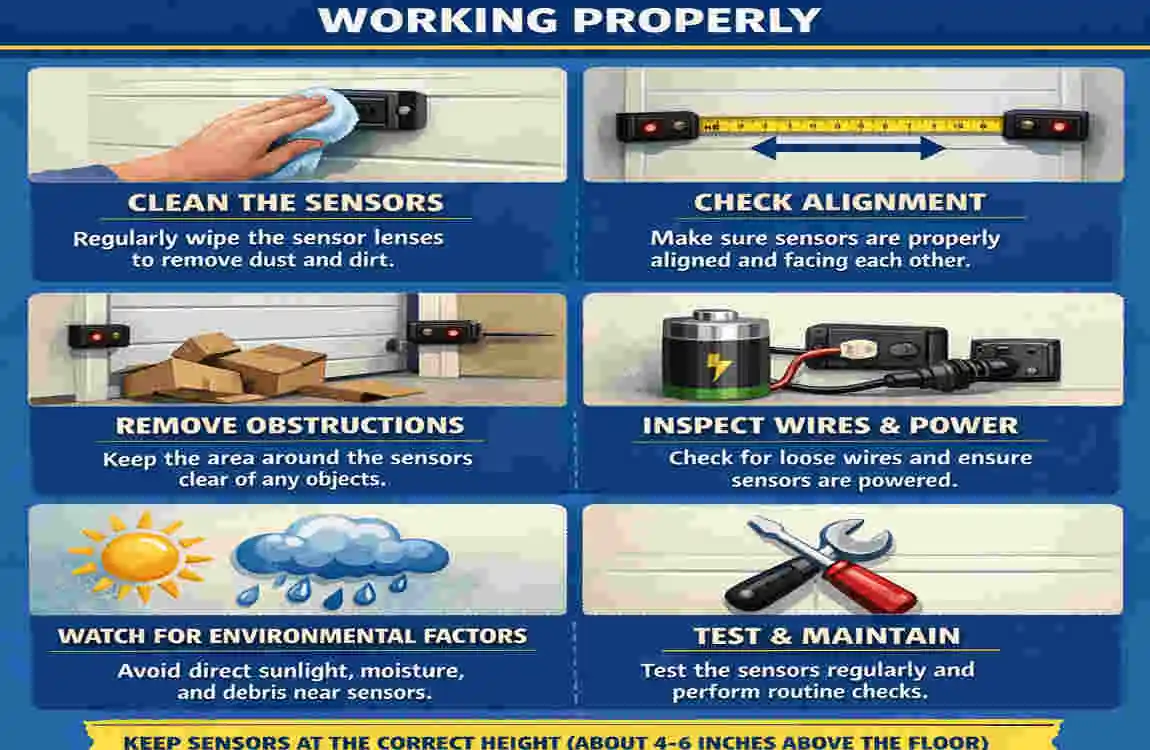
The best way to deal with sensor problems is to prevent them from happening in the first place! A little bit of easy maintenance goes a very long way.
Here are a few smart habits to add to your home maintenance routine:
- Clean the lenses every few months: Grab a soft cloth and wipe away the dirt, pollen, and cobwebs that naturally build up near the floor.
- Check alignment after accidental bumps: If you accidentally kick a sensor with your boot, take ten seconds to make sure the little indicator light is still glowing solid.
- Keep the sensor area completely free from clutter: Do not lean rakes, shovels, or garbage cans near the tracks where they might block the invisible beam.
- Replace damaged wiring immediately: If you notice mice have chewed the wires, or the coating is peeling, get fresh wires installed right away.
- Test the safety reverse system regularly: Once a month, place a cardboard box in the doorway and press the close button. If the door hits the box and goes back up, your system is perfectly healthy!
Frequently Asked Questions (FAQ)
Can I permanently bypass garage door sensors?
No, you absolutely should not. Permanently turning off your garage door sensors is incredibly unsafe. It is highly discouraged because it completely removes a critical safety feature designed to save lives and prevent severe injuries.
Is holding the wall button a safe bypass?
Yes, it is the safest way to bypass a stubborn system. On almost all modern garage door openers, holding down the wall-mounted button temporarily closes the door. Because you have to stand there and hold it, it ensures you are actively watching the doorway to keep people and pets out of harm’s way.
Why are my garage door sensors not working?
There are a few usual suspects. Common causes include dirty camera lenses, accidental misalignment, chewed or damaged wiring, loose electrical connections at the motor, or sensors that have died of old age.
Can I use my garage door if one sensor is broken?
Most modern, high-quality garage door openers will refuse to close normally if even one sensor has failed. However, you can usually force the door to close temporarily by firmly holding the wall control button until the door rests completely on the ground.
How do I know if my garage door sensors are aligned?
It is usually very easy to tell! Most sensors feature bright little indicator lights on the sides. A steady, solid light on both sensors usually means they are perfectly aligned and happy. If you see blinking lights, or if the lights are completely off, that almost always indicates a problem with the alignment or the power supply.
| Topic | Information |
|---|---|
| Purpose | Temporarily operate a garage door when sensors are malfunctioning or misaligned. |
| Is It Safe? | Bypassing sensors should only be a temporary emergency solution, as it disables an important safety feature. |
| Common Causes of Sensor Issues | Dirty sensor lenses, misalignment, loose wiring, sunlight interference, or damaged sensors. |
| First Step | Clean both sensor lenses with a soft cloth and check that they are properly aligned. |
| Manual Override | Press and hold the garage door wall button until the door fully closes. This works on many garage door openers. |
| Power Check | Ensure both sensors have power and indicator lights are illuminated. |
| Alignment Tip | Adjust the sensors until both LED lights remain solid, indicating proper alignment. |
| When to Avoid Bypassing | Never bypass sensors if children, pets, or objects could be under the garage door. |
| Recommended Solution | Repair or replace faulty sensors as soon as possible to restore normal safety operation. |
| Safety Reminder | Garage door safety sensors help prevent injuries and property damage. Always restore them after troubleshooting. |