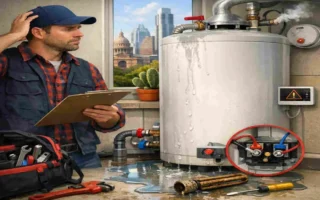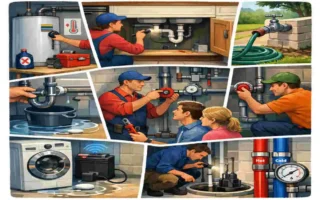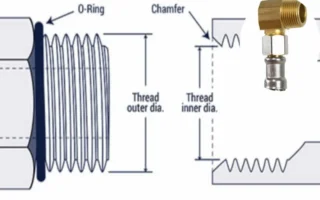
Learning how to install plumbing in a new house is one of the most important parts of building a safe and comfortable home. Plumbing is not just about pipes and water. It affects your kitchen, bathrooms, laundry, heating, and even the long-term value of your property.
A good plumbing system starts with careful planning, follows local building codes, and uses quality materials. If any of these parts are ignored, you may face leaks, poor water flow, costly repairs, or failed inspections later.
What Is New House Plumbing Installation?
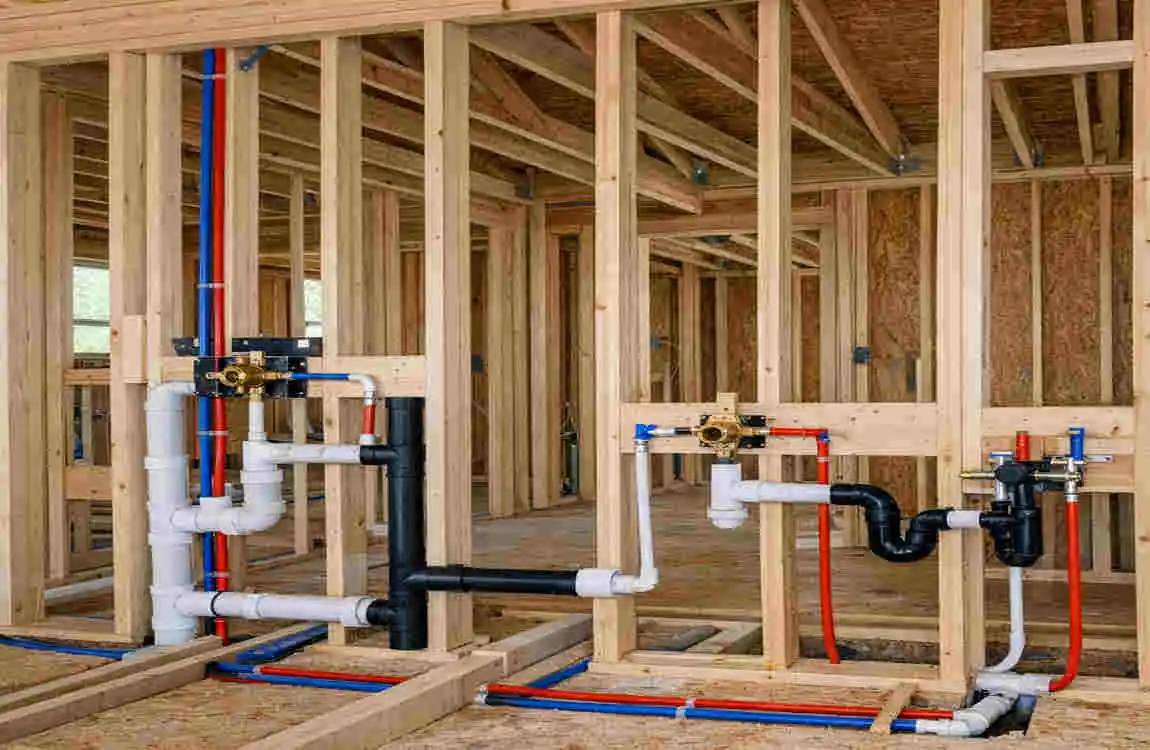
Understanding Residential Plumbing Systems
New house plumbing installation is the process of setting up all the pipes and fixtures that bring clean water into the home and carry waste water out. It begins during construction, usually before walls and floors are fully finished.
A well-designed system should give you steady water pressure, safe drainage, and easy access for repairs when needed.
Main Components of a Plumbing System
A typical home plumbing system includes:
- Water supply lines that bring clean water to sinks, showers, and appliances
- Drain, Waste, and Vent (DWV) pipes that remove waste water and keep air moving in the system
- Fixtures such as toilets, sinks, showers, and tubs
- Water heater for hot water needs
- Shut-off valves to stop water in an emergency or during repairs
Each part must work together. If one part is installed poorly, the whole system can be affected.
Why Proper Plumbing Planning Matters
Avoiding Future Repairs
Good planning helps you avoid expensive problems later. If pipe routes are confusing or if pipe sizes are wrong, you may deal with low pressure, clogged drains, or leaks behind walls.
Improving Water Efficiency
A well-planned system can reduce water waste. It helps water move smoothly to where it is needed and lowers the chance of drips, pressure loss, or hidden leaks.
Meeting Local Building Codes
Every area has plumbing rules. These rules protect your home and family. Following them helps you pass inspection and avoid delays in construction.
Increasing Home Value
A solid plumbing system adds value to your home. Buyers feel more confident when they know the plumbing was installed properly and safely.
How to Install Plumbing in a New House
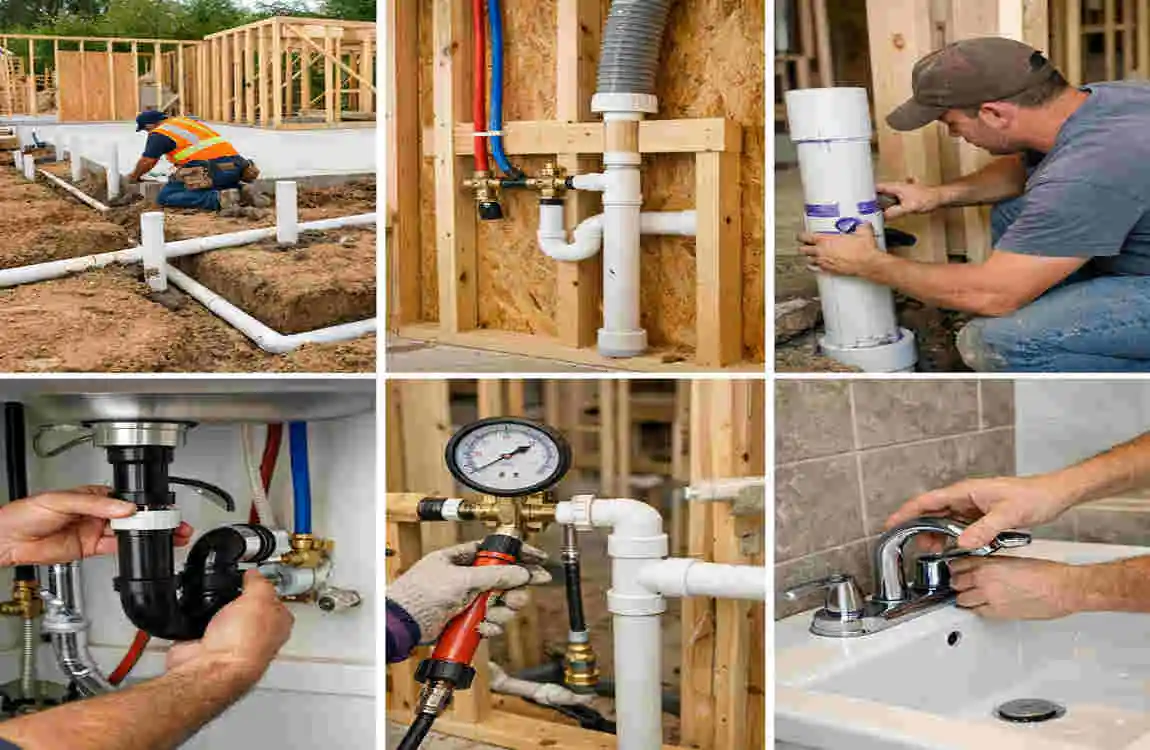
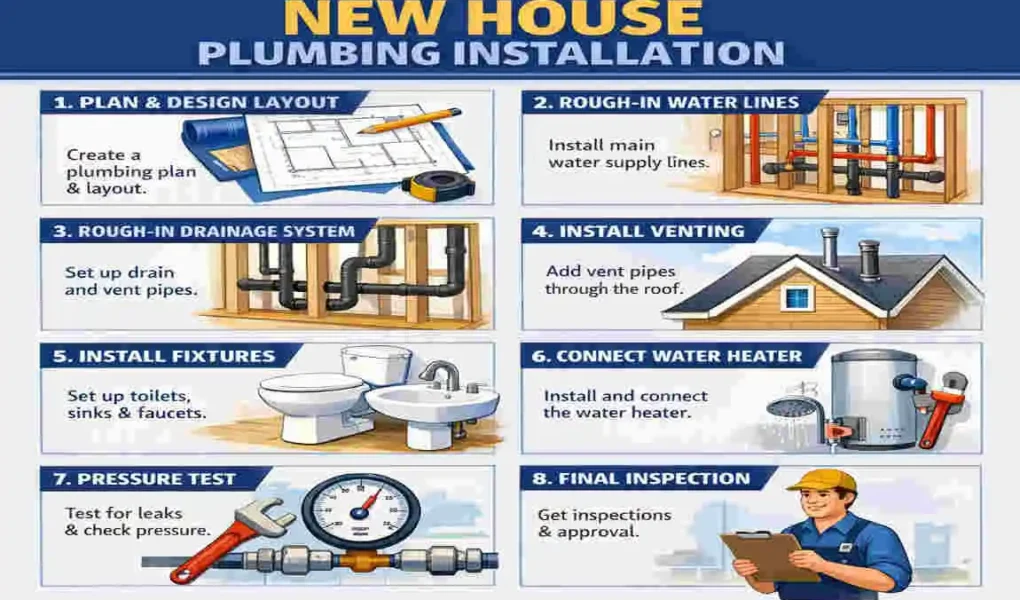
Create a Plumbing Layout
Start with a clear plan for all wet areas in the home. Think about where water will be used and where wastewater will go.
Focus on these spaces:
- Kitchen
- Bathrooms
- Laundry room
- Outdoor faucets
A simple, smart layout saves time, materials, and labor.
Obtain Required Permits
Before work begins, check with your local building department. Most new plumbing jobs need permits and inspections. This is not optional in many places.
Choose the Right Plumbing Materials
Different materials work better for different parts of the system. Your choice affects cost, durability, and installation time.
Install the Main Water Supply Line
The main water line brings water from the source into the house. It must be installed carefully so the whole home gets enough water pressure.
Install Drain and Vent Pipes
Drain pipes carry waste water away. Vent pipes help air move through the system so drains work properly and sewer gases stay out of the home.
Rough-In Plumbing
Rough-in plumbing happens before drywall, flooring, and finishes are installed. At this stage, pipes are placed in the walls, floors, and ceilings.
This step is very important because once the walls are closed, fixing mistakes becomes much harder.
Pressure Test the System
After pipes are installed, the system should be tested for leaks. Pressure testing helps show whether the pipes hold up under use.
Install Fixtures
Once the rough-in passes inspection, the final fixtures can be added. This includes sinks, toilets, showers, tubs, and faucets.
Connect the Water Heater
The water heater should be connected properly so the home has reliable hot water. It must also meet safety and code requirements.
Final Inspection
The final inspection confirms that the plumbing system is safe, complete, and code-compliant. If everything passes, the project can move forward.
Plumbing Materials Comparison
MaterialBest ForAdvantagesDisadvantages
PEX Water supply Flexible, affordable UV sensitive
Copper Water lines Long-lasting Expensive
PVC Drain pipes Lightweight Cold water only
CPVC Hot water Heat resistant More brittle
ABS Drain systems Durable Not allowed in some areas
PEX is often a popular choice for supply lines because it is flexible and easy to work with. PVC and ABS are commonly used for drainage, depending on local rules.
Essential Plumbing Tools
Basic Tools
Here are some common tools used in new house plumbing:
- Pipe cutter
- Adjustable wrench
- Pipe wrench
- Tape measure
- Level
- Drill
- PEX crimp tool
- PVC cement
- Safety gloves
- Safety glasses
Using the right tools makes the work safer and more accurate.
Common Plumbing Mistakes to Avoid
Incorrect Pipe Sizing
If pipes are too small, water flow may be weak. If they are too large, the system may cost more than needed and still not work efficiently.
Poor Vent Placement
Vent pipes are easy to overlook, but they are very important. Bad venting can cause slow drains, gurgling sounds, and sewer gas problems.
Skipping Pressure Testing
Never skip pressure testing. It helps catch leaks before the walls are closed, when repairs are still easy.
Improper Pipe Slope
Drain pipes need the right slope so wastewater can move properly. If the slope is wrong, clogs and standing water can happen.
Ignoring Local Plumbing Codes
Building codes exist for a reason. If you ignore them, you may fail inspection and have to redo work.
Estimated Cost of Installing Plumbing in a New House
Factors Affecting Cost
Several things affect the total cost:
- Home size
- Number of bathrooms
- Pipe material
- Labor
- Location
Larger homes and more bathrooms usually mean more pipes, more fixtures, and higher labor costs.
Sample Cost Table
Item Estimated Cost
Water Supply Pipes $1,000–$3,000
Drain & Vent System $1,500–$4,000
Fixtures $2,000–$8,000
Water Heater $800–$2,500
Labor $4,000–$12,000
In many cases, total plumbing costs for a new house can range from $8,000 to $20,000+.
Tips for a Long-Lasting Plumbing System
Use High-Quality Materials
Cheaper materials may save money at first, but they can lead to more repairs later. Strong materials usually last longer and perform better.
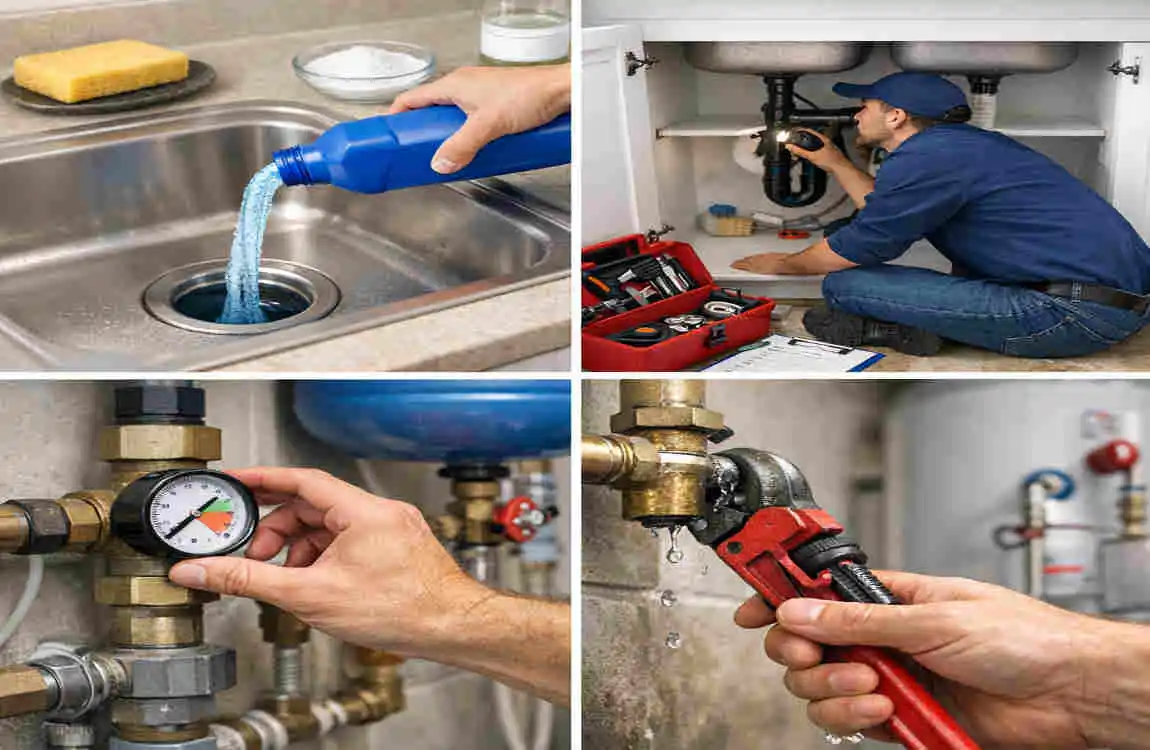
Install Shut-Off Valves
Shut-off valves are very useful during emergencies and repairs. They let you stop water in one area without shutting down the whole house.
Protect Pipes from Freezing
In cold areas, pipes must be protected from freezing. Frozen pipes can burst and cause major water damage.
Schedule Regular Inspections
Even a good plumbing system needs checks from time to time. Small issues are easier to fix before they become big problems.
Keep Plumbing Documentation
Keep records of pipe layouts, materials, and inspections. This makes future repairs and upgrades much easier.
Should You DIY or Hire a Professional?
Benefits of DIY
Doing some plumbing work yourself can save money. It may also be a good choice for very simple tasks if you already have experience.
Benefits of Hiring a Licensed Plumber
A licensed plumber understands codes, testing, safety, and proper installation. This is especially important for a full new house plumbing project.
Which Option Is Best?
For most new homes, hiring a professional is the safer choice. You get better results, fewer mistakes, and a better chance of passing inspection the first time.
Frequently Asked Questions
How do you install plumbing in a new house?
You start with a plumbing layout, get permits, install supply and drain pipes, complete the rough-in, pressure test the system, add fixtures, connect the water heater, and pass final inspection.
What type of pipe is best for a new home’s plumbing?
PEX is often used for water supply because it is flexible and affordable. PVC is commonly used for drain lines.
How much does it cost to install plumbing in a new house?
Most new house plumbing projects cost about $8,000 to $20,000+, depending on size, materials, and labor.
Can I install plumbing in a new house myself?
Some small tasks may be possible for skilled DIYers, but full new home plumbing is usually best handled by a licensed plumber.
How long does new house plumbing installation take?
Most projects take about 3 to 7 days, depending on the home size and complexity.
What is a plumbing rough-in?
A rough-in is the stage when pipes are installed before walls and floors are fully finished.
| Step | What to Do | Why It Matters |
|---|---|---|
| Create a Plumbing Plan | Design the water supply, drain, and vent system layout. | Ensures efficient water flow and code compliance. |
| Obtain Permits | Secure required plumbing permits before starting work. | Meets local building regulations and avoids legal issues. |
| Install Water Supply Lines | Run hot and cold water pipes to all fixtures. | Delivers clean water throughout the house. |
| Install Drain & Vent Pipes | Connect waste pipes and vent stacks properly. | Prevents clogs, odors, and drainage problems. |
| Set the Main Water Line | Connect the home to the municipal or well water supply. | Provides the home’s primary water source. |
| Install Sewer Connection | Connect the plumbing system to the sewer or septic tank. | Safely removes wastewater from the property. |