Buying a new home is exciting, but it also comes with many new responsibilities. One of the most important things to understand is your plumbing system. A little care now can save you from major repairs later.
Know the Basics of Your Home Plumbing
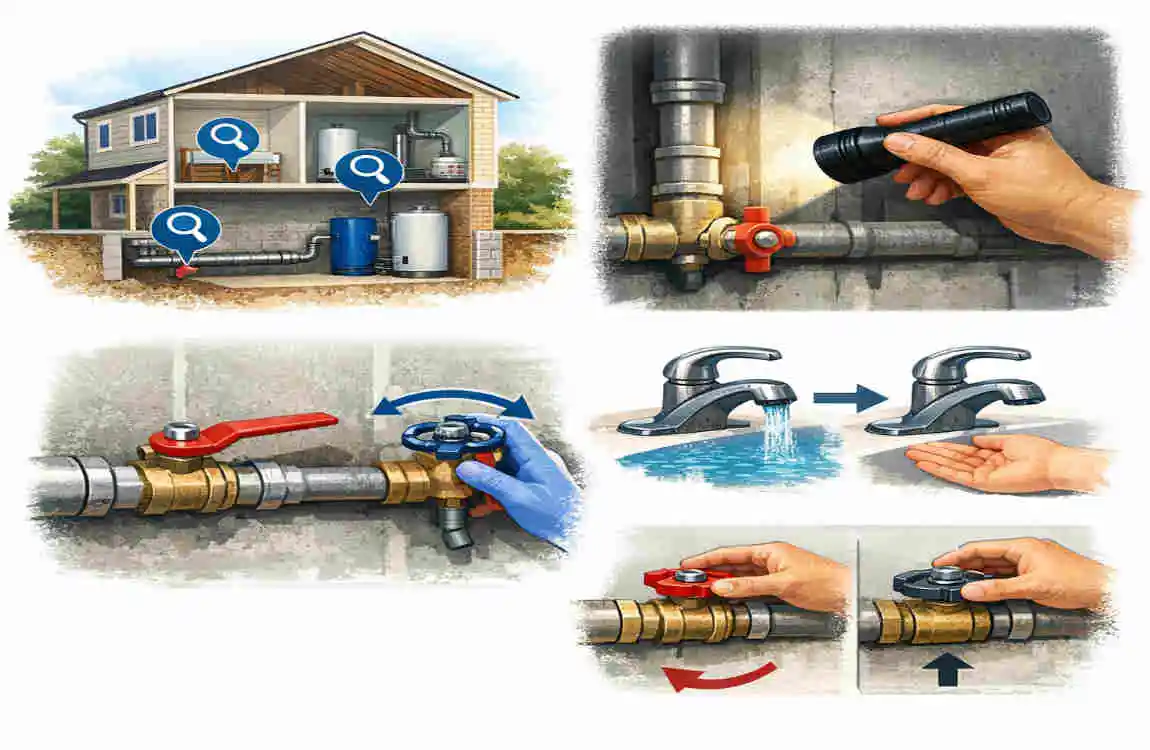
Before anything else, learn where the important plumbing parts are in your home. This gives you more control and helps you act fast in an emergency.
Find the Main Water Shut-Off Valve
Every homeowner should know the location of the main water shut-off valve. If a pipe bursts or a major leak occurs, quickly turning off the water can prevent serious damage.
Make sure you and everyone in your home know where it is. In a stressful moment, this one detail can save you time, money, and stress.
Learn Where the Problem Areas Are
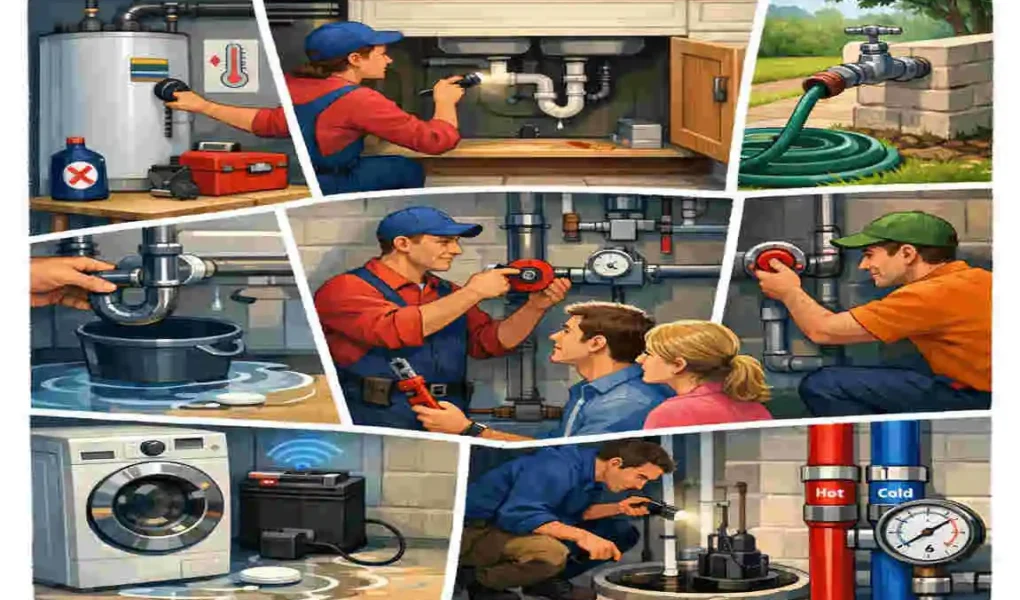
Take a few minutes to look at the places where plumbing problems often happen:
- Under kitchen and bathroom sinks
- Around toilets
- Near the water heater
- At outdoor hose connections
- Around visible pipes in basements or utility areas
When you know these spots, it becomes easier to notice trouble early.
Check for Leaks Regularly
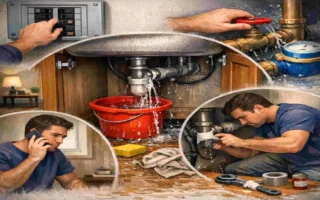
Leaks often start small, but they can turn into big problems if you ignore them. A slow drip may not seem serious, yet it can waste water and damage cabinets, walls, or floors.
What to Inspect
Look at these areas every few weeks:
- Faucets
- Toilets
- Under sinks
- Water heater
- Outdoor taps and hose bibs
Why Early Leak Checks Matter
A hidden leak can raise your water bill and lead to mould or water stains. If you catch it early, the fix is usually much easier and cheaper.
A good habit is to listen for dripping sounds, check for damp spots, and look for any musty smells. These small signs often point to a plumbing issue.
Avoid Clogged Drains
Drain clogs are one of the most common plumbing problems in any home. The best solution is prevention.
What Should Stay Out of Drains
Do not put these items down sinks or toilets:
- Grease and cooking oil
- Coffee grounds
- Food scraps
- Hair
- Paper towels
- Wet wipes
These materials can build up inside pipes and create stubborn blockages.
Easy Ways to Prevent Clogs
Use drain strainers in kitchen sinks and showers. They catch debris before it goes down the drain. Also, wipe the grease into the trash instead of washing it down the drain with hot water. Grease may look harmless at first, but it hardens inside pipes.
Protect Your Water Heater
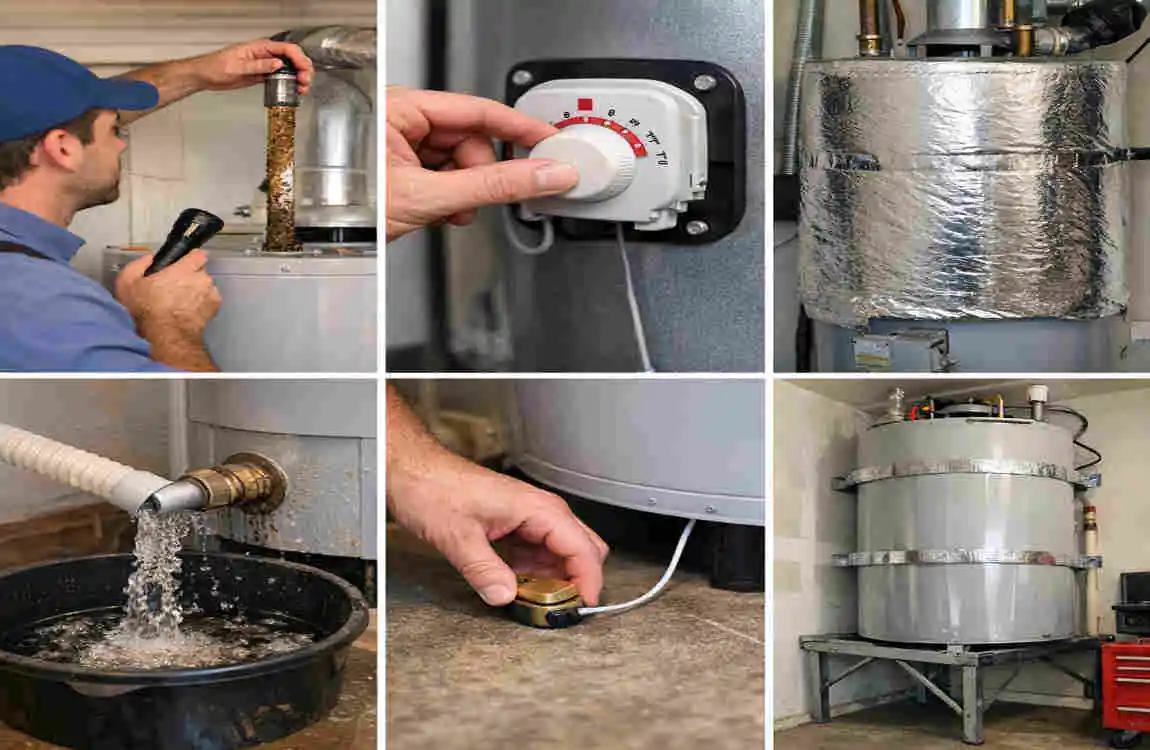
Your water heater works every day to give you warm water for showers, cleaning, and laundry. If you take care of it, it can last longer and work better.
Simple Water Heater Maintenance
Here are a few smart things to do:
- Flush the tank once a year
- Check for rust or leaks
- Set the thermostat to about 120°F (49°C)
- Schedule professional service if needed
Why This Matters
A well-maintained water heater uses energy more efficiently and is less likely to fail suddenly. If you notice strange noises, rust-colored water, or a drop in hot water supply, it is time to inspect it closely.
Prevent Frozen Pipes
If you live in a cold area, frozen pipes are a serious concern. When water freezes, it expands. That pressure can cause pipes to burst.
Cold Weather Plumbing Tips
- Insulate exposed pipes
- Disconnect outdoor hoses before winter
- Keep your home warm during freezing weather
- Let faucets drip slightly during extreme cold
A Small Step That Helps a Lot
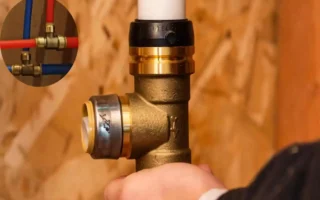
Pipe insulation is a simple and affordable way to reduce risk. It is especially useful in garages, basements, and crawl spaces where pipes are more exposed to cold air.
Don’t Ignore Low Water Pressure
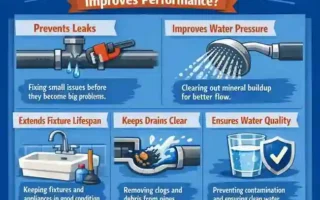
Low water pressure may seem like a small issue, but it can point to a larger plumbing problem.
Possible Causes
- Mineral buildup
- Hidden leaks
- Pipe corrosion
- Problems in the main plumbing line
What You Should Do
If the pressure suddenly drops, check whether the problem affects one faucet or the whole house. If it is just one fixture, the issue may be local. If the whole home is affected, you may need a plumber to inspect the system.
Ignoring low pressure can let a small issue grow into a bigger repair.
Use Water Efficiently
Water-saving habits do more than lower your bill. They also help reduce strain on your plumbing system.
Helpful Upgrades to Consider
- Low-flow showerheads
- Water-efficient toilets
- Faucet aerators
- High-efficiency appliances
Why These Upgrades Help
These items use less water without making your home less comfortable. Over time, they can save money and support better long-term plumbing performance.
Upgrade Main Benefit
Low-flow showerhead Uses less water during showers
Water-efficient toilet Reduces toilet water use
Faucet aerator Cuts water flow without losing pressure
High-efficiency appliance Saves water and energy
Schedule Routine Plumbing Inspections
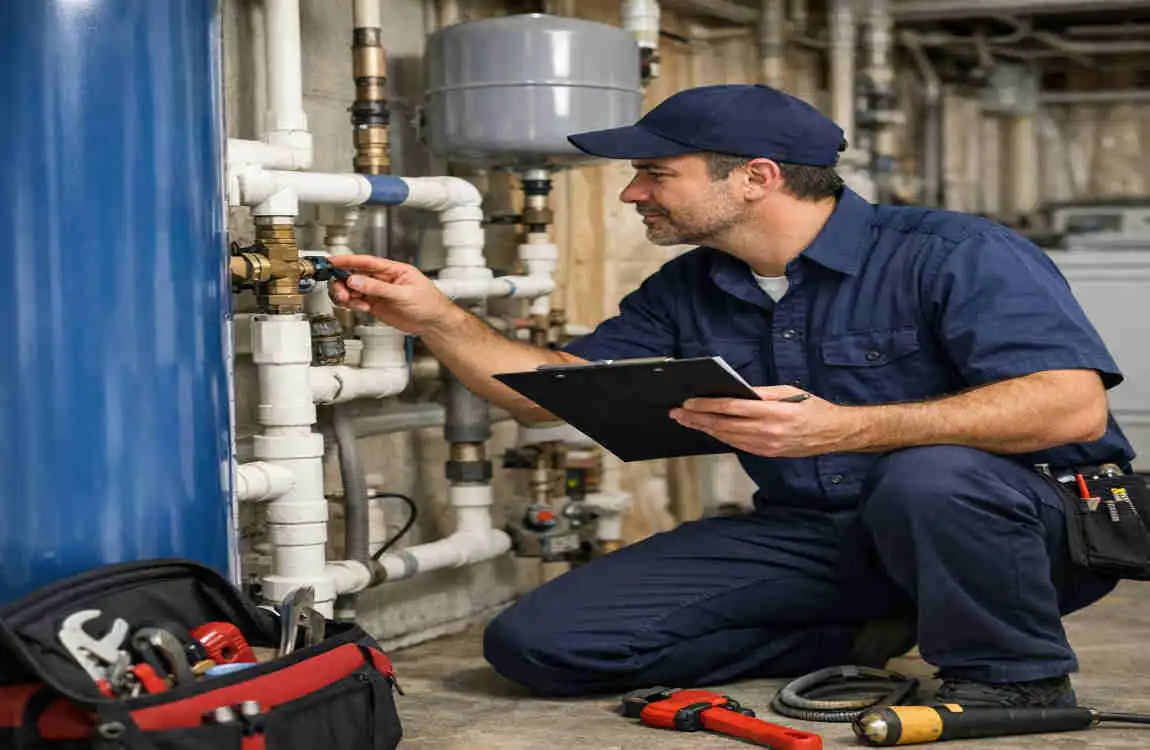
Even if everything seems fine, a yearly plumbing inspection is a smart move. A professional can spot problems that are easy to miss.
What an Inspection Can Catch
A plumber may check for:
- Small leaks
- Pipe condition
- Water heater performance
- Water pressure issues
Why This Is Worth It
Catching a problem early is usually much cheaper than fixing major water damage later. Think of it as a simple way to protect your home investment.
Simple Plumbing Habits for New Homeowners
If you want a quick reminder, focus on these habits:
- Know where the shut-off valve is
- Check for leaks often
- Keep drains clear
- Maintain your water heater
- Protect pipes from freezing
- Watch for water pressure changes
- Book regular inspections
These steps are easy, but they make a big difference over time.
Frequently Asked Questions
How often should I inspect my home’s plumbing?
Check visible plumbing every few months and schedule a professional inspection once a year.
What should never go down a kitchen drain?
Avoid grease, cooking oil, coffee grounds, eggshells, and large food scraps.
Why is my water bill suddenly higher?
A hidden leak, running toilet, or dripping faucet is often the reason.
How can I prevent frozen pipes?
Insulate exposed pipes, disconnect outdoor hoses, and keep indoor temperatures steady.
| Plumbing Tip | Why It Matters |
|---|---|
| Know Your Main Water Shut-Off Valve | Quickly stop water flow during leaks or emergencies. |
| Check for Leaks Regularly | Small leaks can lead to expensive water damage if ignored. |
| Avoid Pouring Grease Down Drains | Grease hardens and causes stubborn pipe blockages. |
| Use Drain Strainers | Prevent hair, food, and debris from clogging drains. |
| Don’t Flush Non-Flushable Items | Wipes, paper towels, and hygiene products can block sewer lines. |
| Insulate Exposed Pipes | Helps prevent frozen and burst pipes during cold weather. |