Plumbing problems can show up when you least expect them. One day everything works fine, and the next day you hear a dripping faucet, see water under the sink, or notice that your toilet keeps running. It can feel frustrating, especially if you do not know where to start.
The good news is that many plumbing issues are simple to understand and often easy to fix. You do not always need special tools or advanced skills. In many cases, a calm approach, a little patience, and a few basic steps can save you time, money, and stress.
Common Plumbing Problems and How to Fix Them
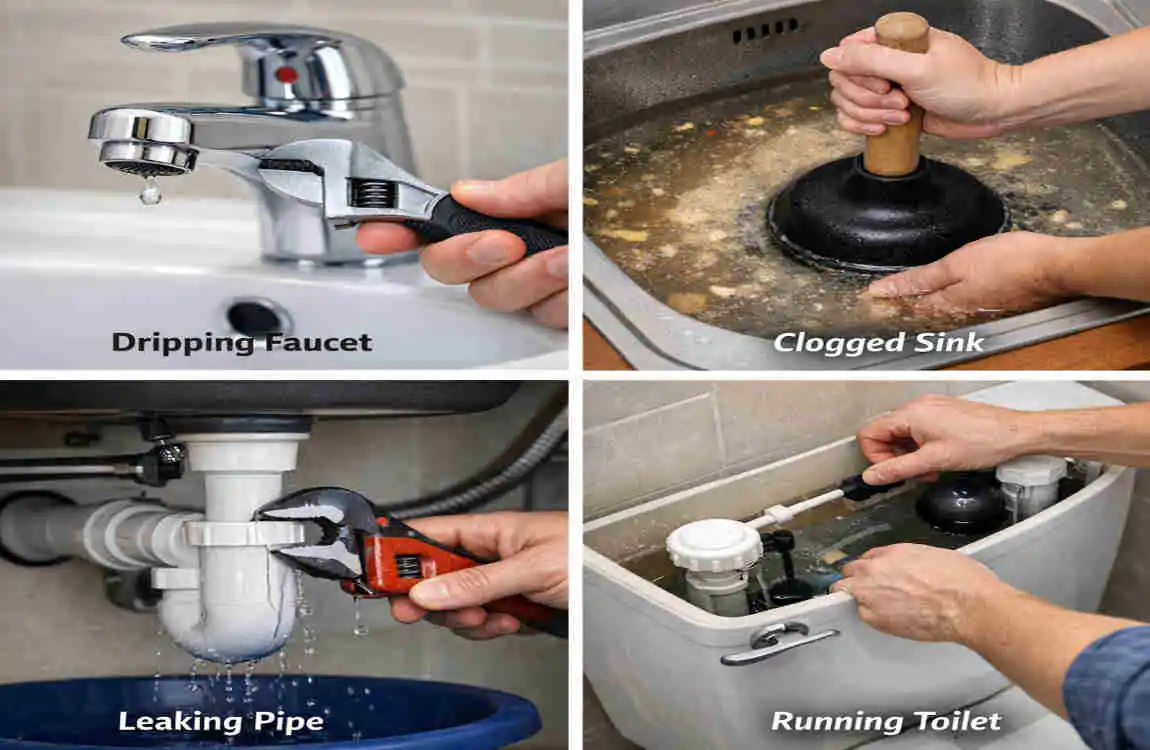
Plumbing systems work hard every day. Water flows through pipes, faucets, toilets, drains, and fixtures all over your home. As a result, small problems can appear over time.
The key is to catch those issues early. When you act fast, you often prevent bigger damage later.
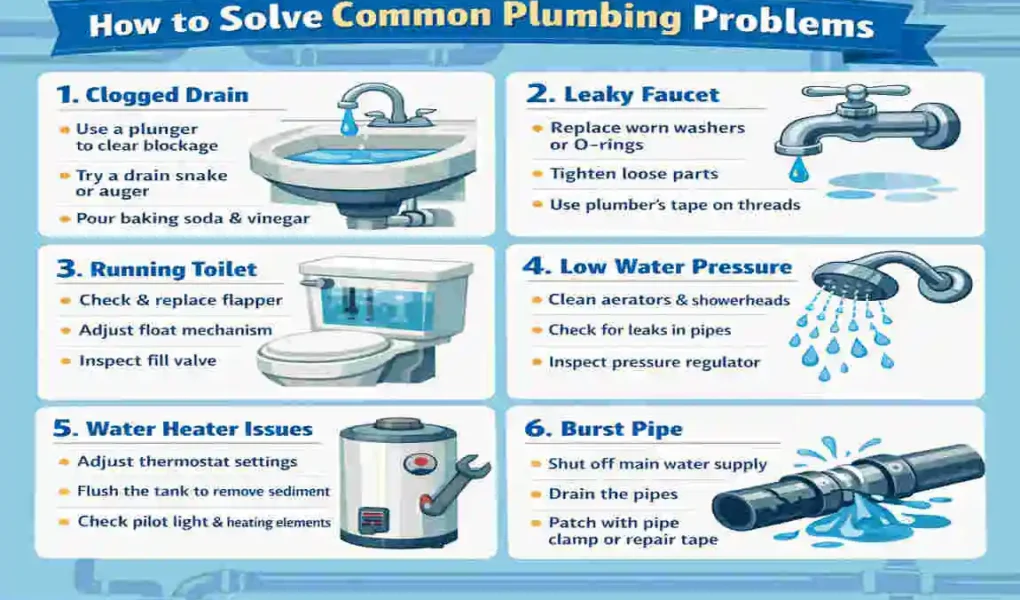
Dripping Faucets
A dripping faucet may seem like a minor problem, but over time it can waste a surprising amount of water. It can also get annoying very quickly, especially at night when the sound keeps you awake.
Why Faucets Drip
A worn washer, O-ring, or cartridge causes most dripping faucets. These parts wear out after regular use. Sometimes the problem is loose parts inside the faucet, and sometimes mineral buildup causes the parts to stop sealing properly.
How to Fix It
To handle a dripping faucet, start by turning off the water supply. This helps you work safely and keeps water from spraying.
Then remove the faucet handle carefully. Look at the washer, O-ring, or cartridge and check whether it looks damaged or worn. If it does, replace it with a new part that matches the faucet model.
After that, put the faucet back together and turn the water on again. Test it to make sure the drip has stopped.
Helpful Tip
If your faucet still drips after replacing the part, the issue may be deeper inside the fixture. In that case, a plumber may need to inspect it.
Clogged Drains
Clogged drains are one of the most common plumbing problems in any home. They usually start slowly, with water draining a little more slowly than usual. Then one day the sink or shower may barely drain at all.
Why Drains Get Clogged
Drains often clog because of hair, soap scum, grease, and food particles. These materials build up over time and create blockages inside the pipe.
Kitchen drains often clog from grease and food bits. Bathroom drains usually clog from hair and soap residue.
How to Fix It
Start with a plunger. A few strong plunges may loosen the clog and get water moving again.
If that does not work, use a drain snake to pull out the blockage. This tool can reach deeper into the pipe and remove trapped debris.
After clearing the drain, flush it with hot water to help wash away leftover buildup. This can also help the water move more smoothly.
What to Avoid
Do not pour grease or oil down the sink. Even if it looks liquid when warm, it can harden inside the pipe and cause another clog later.
Running Toilet
A running toilet wastes water and can raise your utility bill before you even realise what is happening. It is also one of those problems that can become very expensive if you ignore it for too long.
Why Toilets Keep Running
A running toilet is often caused by a faulty flapper, a bad fill valve, or a float that is not set correctly. These parts control how water flows in and out of the tank.
When one of them does not work properly, water keeps running into the bowl or tank.
How to Fix It
Lift the toilet tank lid and look inside. Check the flapper first. If it looks worn, cracked, or does not close tightly, it may need to be replaced.
Next, check the fill valve and float. If the float is set too high, water may keep filling the tank longer than it should. Adjust the float so the tank stops at the right level.
If the toilet still runs after those checks, the internal parts may need to be replaced.
Why Fast Action Helps
A running toilet may not seem urgent, but it can waste a large amount of water every day. Fixing it quickly helps protect your budget and reduces waste.
Low Water Pressure
Low water pressure can make simple tasks like showering, washing dishes, or rinsing hands feel slow and annoying. When water barely comes out of the tap, it usually means something is blocking the flow.
Why Water Pressure Drops
Common causes include mineral buildup, pipe leaks, or partially closed valves. Sometimes the issue is small and local, like one clogged showerhead. Other times it affects the entire home.
How to Fix It
Begin by cleaning the faucet aerator or showerhead. Small mineral deposits can block the flow of water and reduce pressure.
Next, check the main water valve. If it is not fully open, water may not flow properly through the home.
Also look for visible leaks under sinks or around exposed pipes. Even a small leak can affect pressure.
If the whole house has low pressure, the problem may be bigger than a simple fixture issue. In that case, a plumber should inspect the system.
A Simple Way to Think About It
If one faucet is weak, the problem is probably local. If every faucet is weak, the problem may be in the main supply line or inside the plumbing system.
Leaking Pipes
Leaking pipes can be stressful because they can quickly damage walls, floors, cabinets, and belongings. Even a small leak can become a major repair if you do not act fast.
Why Pipes Leak
Pipes may leak because of corrosion, loose fittings, or freezing temperatures. Over time, metal can wear down. Fittings can loosen. Cold weather can also cause pipes to crack or split.
How to Fix It
Turn off the water supply right away. This is the first and most important step.
Then check the area around the leak. If the fitting is loose, tighten it gently. If the damage is small and temporary, you may use pipe repair tape or epoxy to slow the leak until a plumber can help.
For a permanent solution, damaged pipes usually need to be replaced.
Important Note
Temporary fixes are useful in an emergency, but they are not meant to last forever. If a pipe is leaking, take it seriously.
Quick Plumbing Maintenance Tips
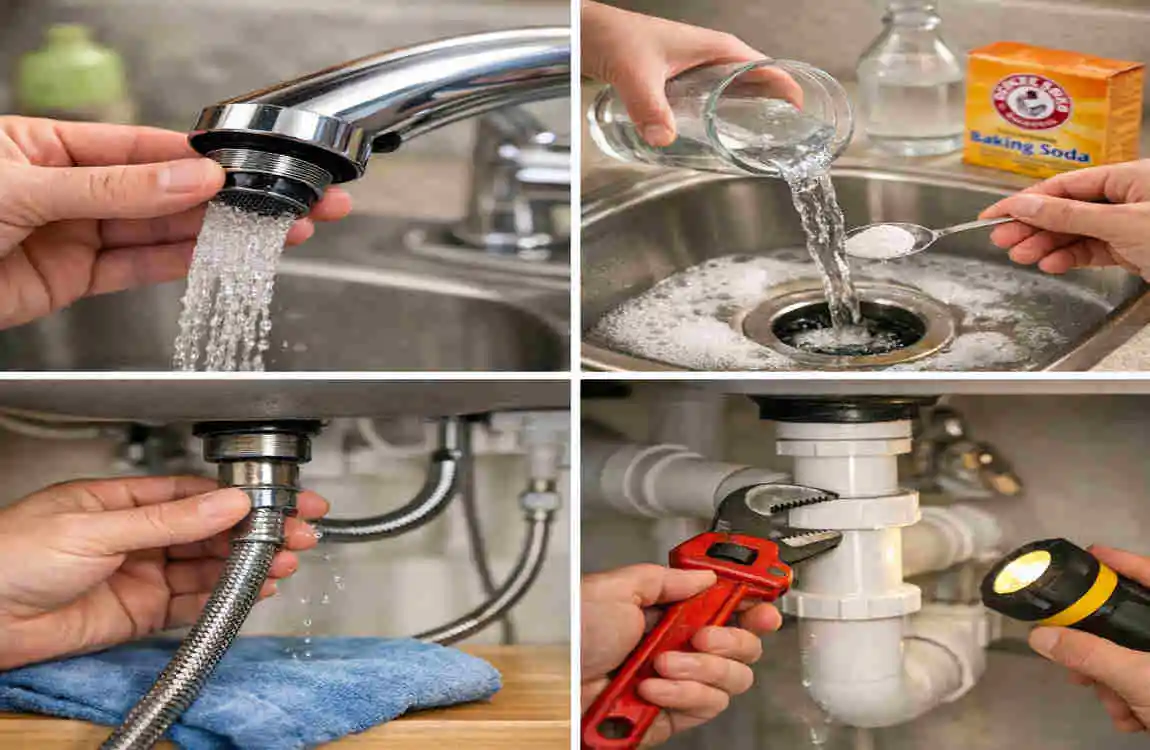
Small habits can help you avoid big plumbing problems. A little routine care goes a long way.
Easy Habits That Help
- Clean drains regularly to prevent clogs.
- Fix leaks promptly to reduce water waste.
- Avoid flushing wipes even if they say they are “flushable.”
- Inspect pipes annually to spot problems early.
- Insulate exposed pipes to prevent freezing in winter.
Why Maintenance Matters
When you care for your plumbing regularly, you reduce the risk of unexpected repairs. You also help your system last longer and work more efficiently.
These are simple habits, but they make a real difference over time.
Maintenance Tip Benefit
Clean drains regularly Prevents clogs
Fix leaks promptly Reduces water waste
Avoid flushing wipes Prevents toilet blockages
Inspect pipes yearly Detects leaks early
Insulate exposed pipes Prevents freezing in winter
Simple Prevention Tips for Everyday Use
Solving plumbing problems is important, but preventing them is even better. You can avoid many common issues with a few smart daily habits.
Be Careful What Goes Down the Drain
Your drains are not built to handle everything. Grease, food scraps, coffee grounds, and hair can all create buildup.
Use sink strainers and shower drain covers. These small tools catch debris before it goes into the pipes.
Watch for Small Warning Signs
Do not ignore small changes. Slow draining, unusual sounds, weak water flow, or damp spots can all be early warning signs.
If you catch a problem early, the fix is usually easier and cheaper.
Keep Your Plumbing in Mind During Cold Weather
When temperatures drop, pipes can freeze. If you live in a cold area, keep an eye on exposed pipes in basements, garages, and crawl spaces.
A little insulation and indoor warmth can prevent a very expensive burst pipe.
When to Call a Professional Plumber
Some plumbing issues are safe to handle on your own. Others need expert help. Knowing the difference can save you trouble.
Call a Plumber If You Notice:
- Burst or severely leaking pipes
- Sewer line backups
- No water throughout the house
- Repeated drain blockages
- Major water pressure problems
Why Professional Help Matters
A licensed plumber has the right tools and training to find the real cause of a problem. This is important when the issue is hidden inside walls, under floors, or deep in the plumbing line.
Trying to force a fix on a major issue can make things worse. If you are unsure, it is always safer to ask for help.
How to Stay Calm During a Plumbing Problem
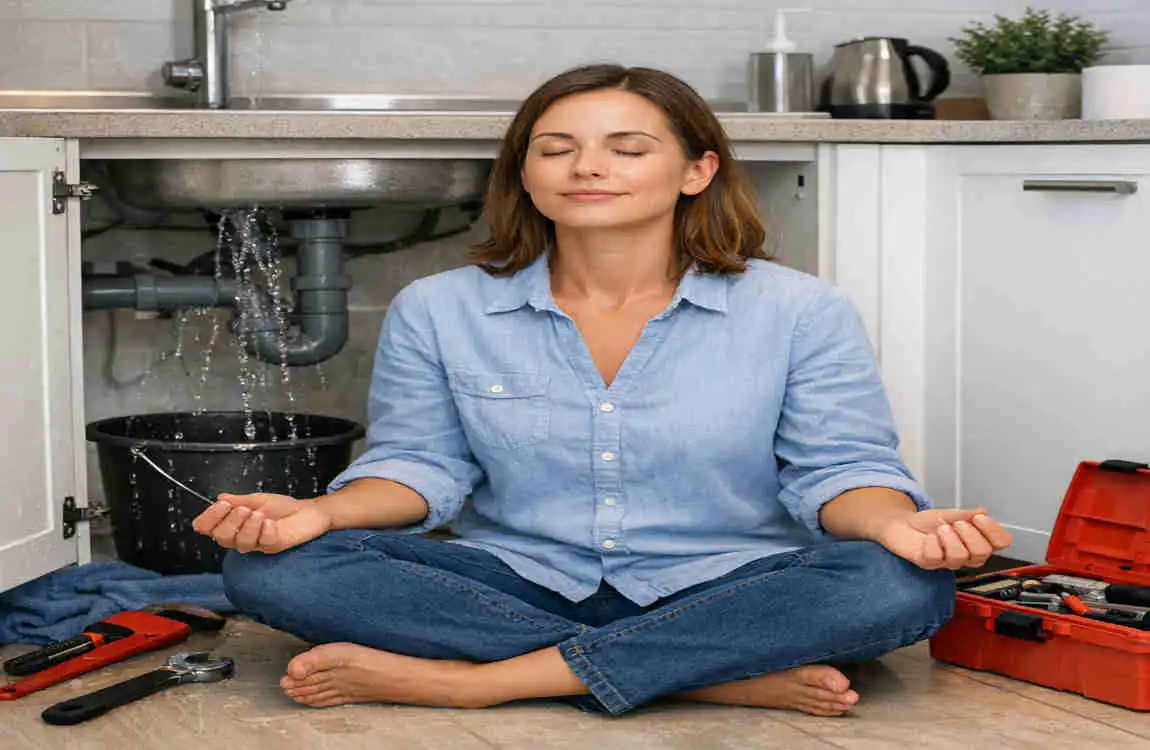
Plumbing issues can feel urgent, but the best first step is to stay calm. Panic makes it harder to think clearly.
Use This Simple Order of Action
- Turn off the water if there is a leak.
- Find the source of the problem.
- Decide whether it is small or serious.
- Try a basic fix if it is safe.
- Call a plumber if the issue is large or keeps coming back.
This simple process helps you respond with confidence instead of stress.
Frequently Asked Questions
What is the most common plumbing problem?
A clogged drain is one of the most common plumbing issues in homes.
Can I fix a leaking faucet myself?
Yes, many leaking faucets can be fixed by replacing a worn washer, O-ring, or cartridge.
Why is my toilet constantly running?
A damaged flapper, faulty fill valve, or incorrect float setting is usually the cause.
How can I prevent clogged drains?
Use drain strainers, avoid pouring grease down drains, and clean drains regularly with hot water.
When should I hire a plumber?
Call a plumber if you have burst pipes, sewer backups, major leaks, or plumbing problems that keep coming back after basic repairs.
| Plumbing Problem | Common Cause | Simple Solution |
|---|---|---|
| Leaky Faucet | Worn-out washer or O-ring | Replace the damaged washer or cartridge. |
| Clogged Drain | Hair, soap, grease, or debris buildup | Use a plunger, drain snake, or natural cleaner (baking soda and vinegar). |
| Running Toilet | Faulty flapper or fill valve | Replace the flapper or adjust the float mechanism. |
| Low Water Pressure | Mineral deposits or pipe leaks | Clean the faucet aerator and inspect pipes for leaks. |
| Leaking Pipes | Loose fittings, corrosion, or cracks | Tighten connections or replace the damaged pipe section. |
| Dripping Showerhead | Worn seals or mineral buildup | Replace seals and clean the showerhead with vinegar. |
| Water Heater Issues | Sediment buildup or faulty thermostat | Flush the tank and check the thermostat or heating element. |
| Slow Draining Sink | Partial clog in the drain | Remove debris and clean the P-trap or use a drain snake. |
| Overflowing Toilet | Drain blockage | Turn off the water supply, use a plunger, or a toilet auger. |
| Bad Drain Odor | Food waste, bacteria, or dry P-trap | Clean the drain thoroughly and run water to refill the P-trap. |