If your garage door only opens a few inches, the most likely cause is a broken or worn spring. Other common causes include misaligned safety sensors, a door that has come off its track, incorrect opener travel or force settings, and a failing opener part such as the RPM sensor or logic board. Springs are dangerous, so leave them to a trained technician.
Why Is My Garage Door Only Opening a Few Inches?
Your opener is built to guide a garage door that is already balanced by its springs. It is not built to lift the full weight alone. When something throws off that balance, or the opener senses too much resistance, it stops as a safety measure. Chamberlain’s own support team lists a door that opens only 6 to 12 inches and stops as a recognized fault, which is why the cause is rarely a mystery once you check a few things in order.
The 7 Most Common Causes (Quick Table)
| Cause | Typical sign | DIY safe? |
|---|---|---|
| Broken or worn spring | Loud bang, door feels very heavy by hand | No, call a pro |
| Door off track or bent track | Roller out of the rail, crooked movement | Inspect only |
| Misaligned or dirty sensors | Blinking sensor lights | Yes |
| Travel limit set too low | Door stops at the same point each time | Yes |
| Force setting too low | Door stops or reverses on the way up | Careful, follow manual |
| Faulty RPM sensor | Door moves 6 to 8 inches at a time | Advanced |
| Bad logic board or gears | Humming, grinding, random stops | Pro recommended |
Broken or Worn Garage Door Springs
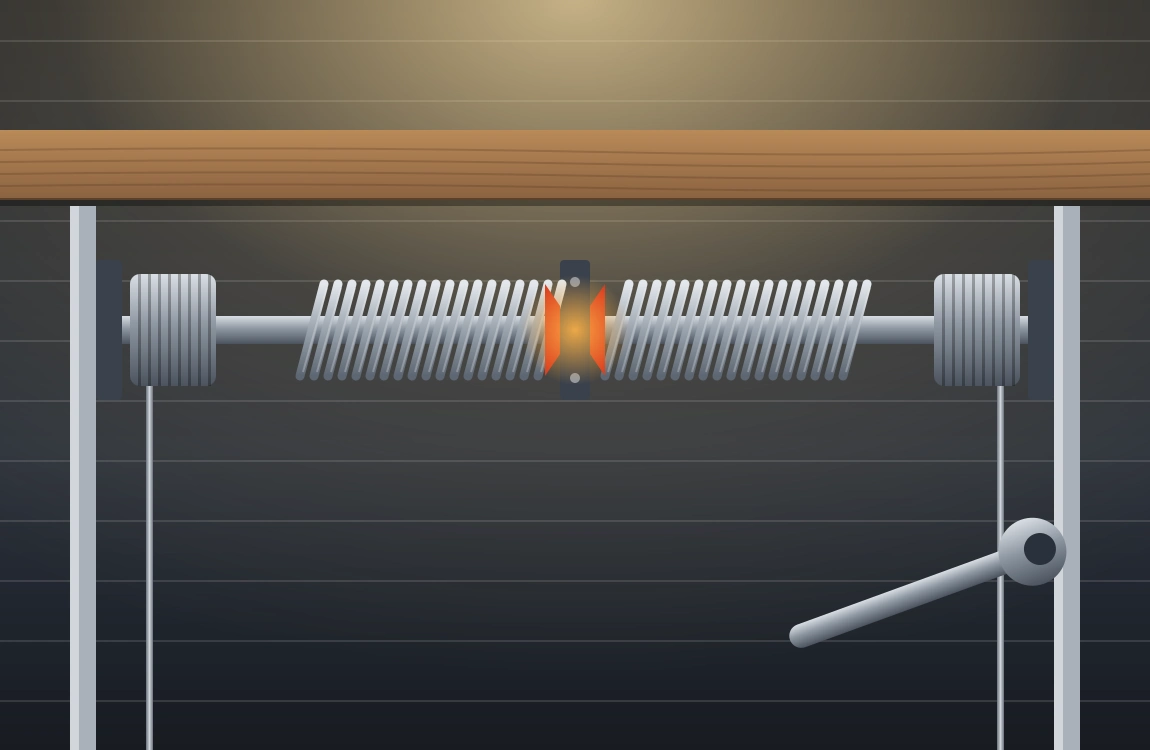
Springs door counterbalance the weight of the door. Garage door company Express Garage Doors says a door that suddenly rises just a few inches is most often caused by a broken spring, because the opener cannot lift the door without that help.
Signs of a broken spring:
- You heard a loud snap or bang from the garage.
- The door feels extremely heavy when lifted by hand.
- The opener strains, hums or reverses.
- You can see a visible gap in the coil above the door (torsion spring).
Safety warning: The Door & Access Systems Manufacturers Association (DASMA) states that springs are under high tension and that only trained door system technicians should adjust springs, bottom brackets and cables. Do not try to wind or replace them yourself.
Door Off Track or Damaged Track
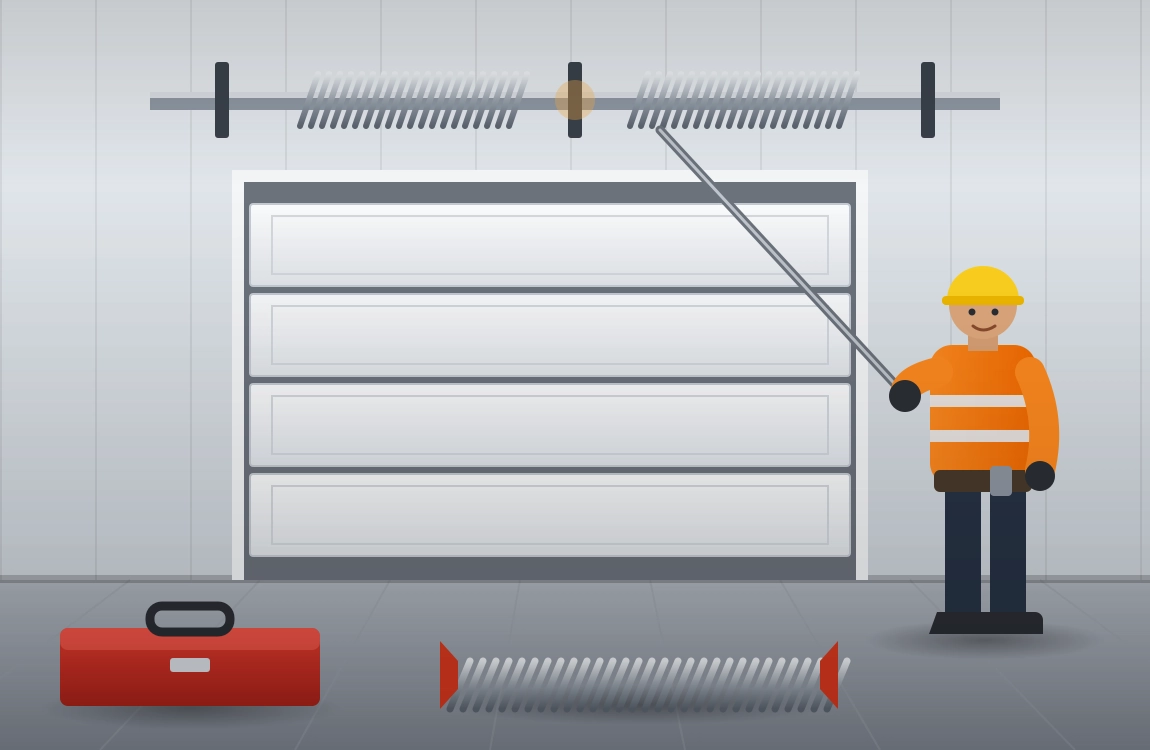
If a roller has slipped out of the side track, the door jams and the opener cannot lift it. Bob Vila’s troubleshooting guide lists track problems among the common reasons a door stalls early. Look for bent rails, loose brackets, debris, or a roller that has popped out. Clear any obstruction you can reach, but do not force a jammed door.
Misaligned or Dirty Safety Sensors
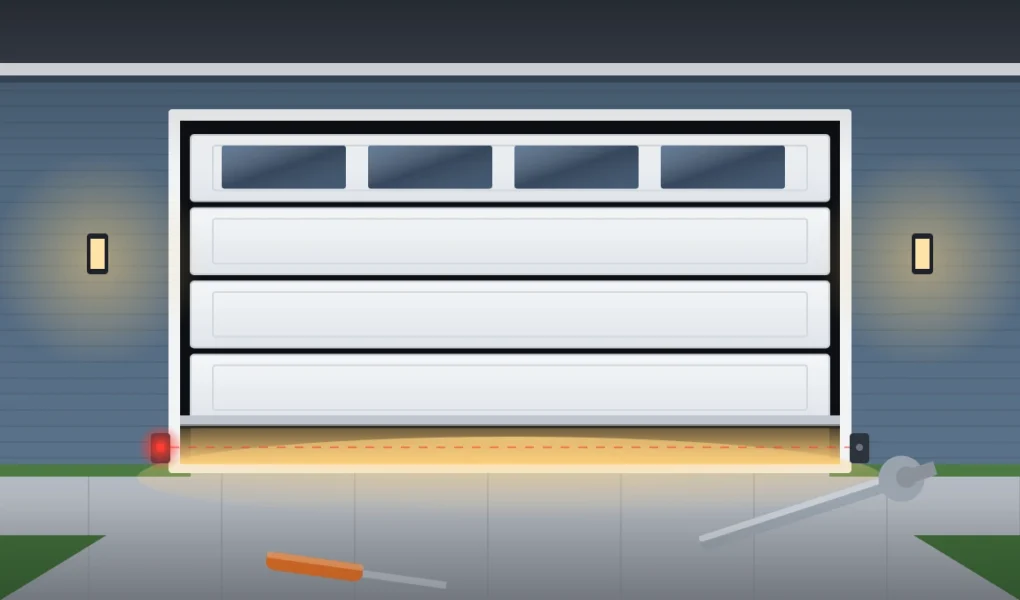
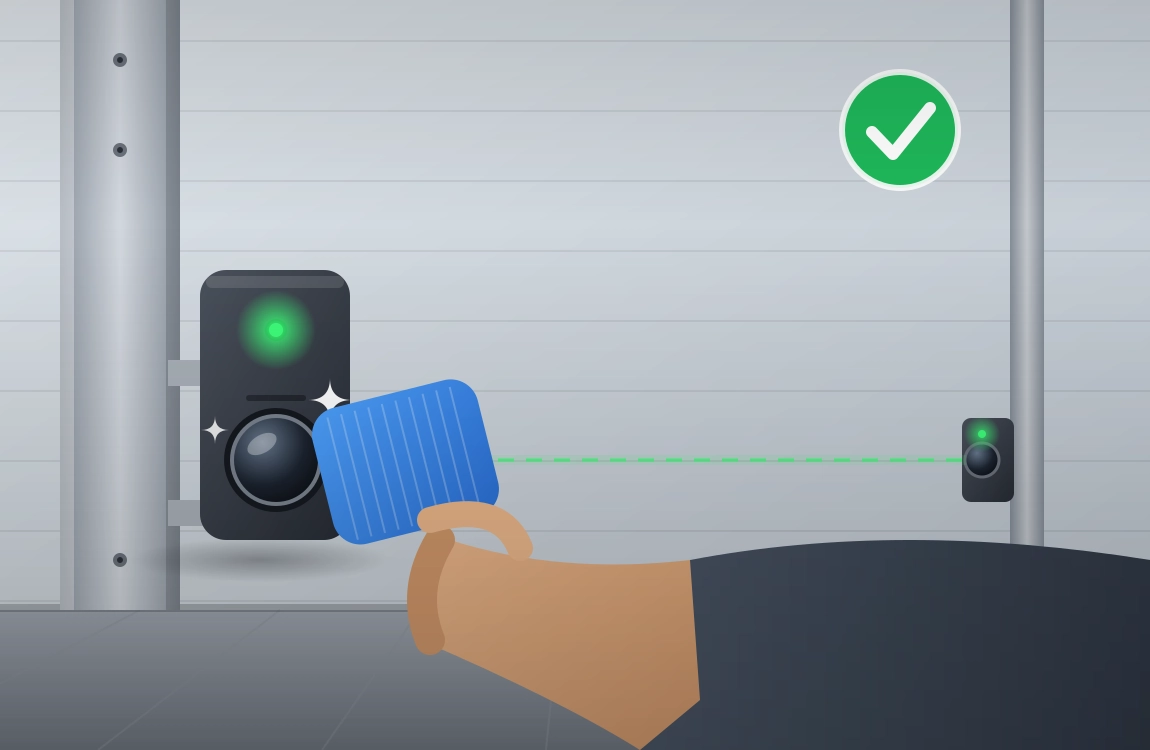
The photo eyes sit a few inches above the floor on each side of the door. Clopay notes that misaligned or dirty sensors are a frequent cause of a stuck door. They matter mostly when closing, but a bumped or faulty sensor is worth ruling out.
- Wipe both lenses with a soft, dry cloth.
- Make sure both sensors face each other with steady indicator lights.
- Check for loose or frayed garage wiring.
- Remove anything blocking the beam.
Travel Limits Set Too Low
Travel limits tell the opener where the door should stop at the top and bottom. Chamberlain explains that, on openers with adjustment screws, one turn of the up-limit screw changes travel by about 2 inches. If the door opens at least about 5 feet but stops short, increase the up travel slightly and run a full cycle after each change.
Always test the safety reversal after any adjustment, because wrong limits can interfere with it.
Force Settings Need Adjusting
Force settings let the opener adapt to weather and door condition. Chamberlain says the door must be properly balanced before you set limits and force. Never turn the force up to compensate for a broken spring. DASMA is clear that the answer is not a more powerful opener.
Faulty RPM Sensor
If the door creeps up in short 6 to 8 inch jumps and the opener light flashes, the RPM sensor may be failing. Sears PartsDirect lists this as a known symptom with a replacement guide for chain-drive openers. Check your opener’s manual for the blink code.
Bad Logic Board, Gears or Drive Parts
A failing logic board, stripped gear or worn drive can cause random stops. If you hear humming without movement, the same Sears guide points to a faulty logic control board, bad RPM sensor, broken gears or a worn motor. These repairs are best left to a technician unless you are experienced.
Step-by-Step: What to Check First
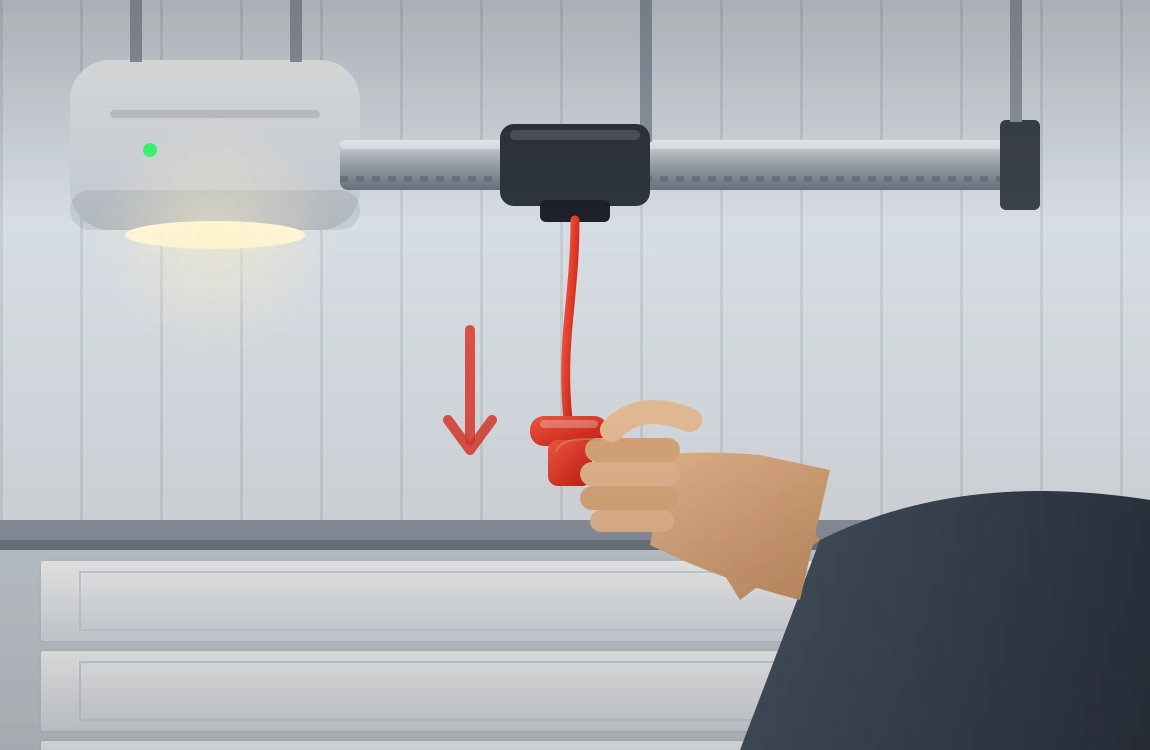
- Pull the red emergency release cord with the door fully down, then lift the door by hand.
- Judge the weight. A balanced door lifts easily and stays half open. A very heavy door means a spring problem.
- Inspect the tracks and rollers for bends, debris or a popped roller.
- Clean and realign the sensors.
- Test the opener alone after the door is disconnected from the trolley. If it runs a full stroke, the opener is fine and the door or spring is the issue.
- Review travel and force settings using your manual.
- Call a pro if the door is heavy, a spring looks broken, or cables are frayed.
When to Call a Professional
Call a trained technician right away if you suspect a broken spring, see frayed cables, or the door is crooked or hard to lift. Angi advises that inexperienced homeowners should hire a professional to handle spring work because of the injury risk. Do not use the opener while the door is stuck, as it can strip gears or damage the opener.
How to Prevent This Problem
- Lubricate rollers, hinges and springs twice a year with a garage door lubricant.
- Inspect springs, cables, tracks and brackets every few months.
- Test the balance by hand each season.
- Keep the manuals nearby, as DASMA recommends keeping your door and opener manuals close to the door.
- Rebalance the door if you add insulation or windows, since extra weight changes spring balance.
Frequently Asked Questions
Why does my garage door open a few inches then stop?
Most often a broken or worn spring. The opener senses too much weight and stops itself. Misaligned tracks, low force or travel settings and a faulty RPM sensor can also cause it.
Can I fix a garage door that only opens a few inches myself?
You can safely clean sensors, clear debris and review travel and force settings. Spring, cable and bracket repairs should be done by a trained technician.
Is it safe to keep using the opener?
No. If the door is stuck low or heavy, stop using the opener to avoid damaging the motor, gears or door.
How much does it cost to fix?
Costs vary by region, spring type and door size. Spring replacement is usually a modest repair compared with replacing an opener, so get a local quote.
How do I know if it is the spring or the opener?
Disconnect the door with the emergency release and lift it by hand. If it is very heavy, it is the spring. If it lifts easily, check the opener, sensors and settings.
Final Thoughts
A garage door that opens only a few inches is almost always telling you something specific: balance, alignment or settings. Start with the simple checks, respect the springs, and call a professional when tension is involved. Fixing it early protects your opener, your car and your family.
Sources
- DASMA: Garage Door Opener Safety Tips
- DASMA: Automatic Garage Door Opener Safety & Maintenance Guide
- Chamberlain Support: Garage door opener fails to travel fully
- Chamberlain Support: How to adjust limit or travel
- Bob Vila: What to do when your garage door won’t open
- Angi: Garage door spring adjustment
- Clopay: Why garage doors get stuck
- Sears PartsDirect: Opener won’t fully open or close