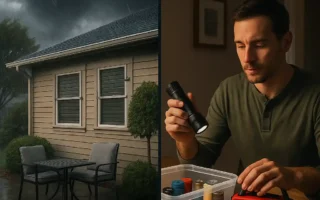
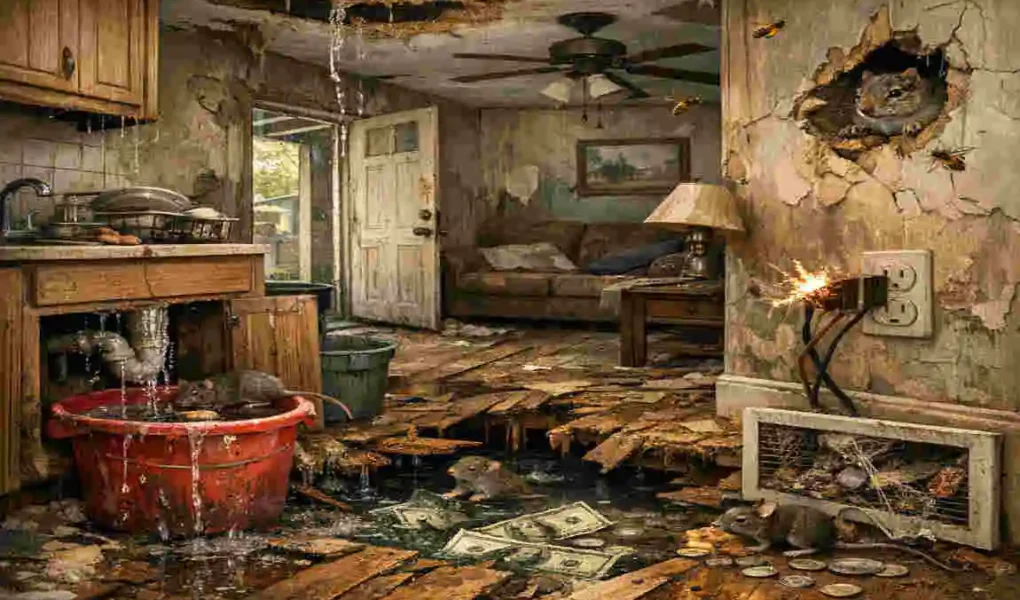
Regular home care may not feel exciting, but it is one of the smartest parts of owning a house. Small jobs like checking a roof, cleaning gutters, or fixing a leak can prevent much bigger problems later.
The truth is simple: ignoring maintenance often costs far more than doing it on time. A minor issue today can turn into a major repair next month if you let it sit too long.
Why Household Maintenance Matters
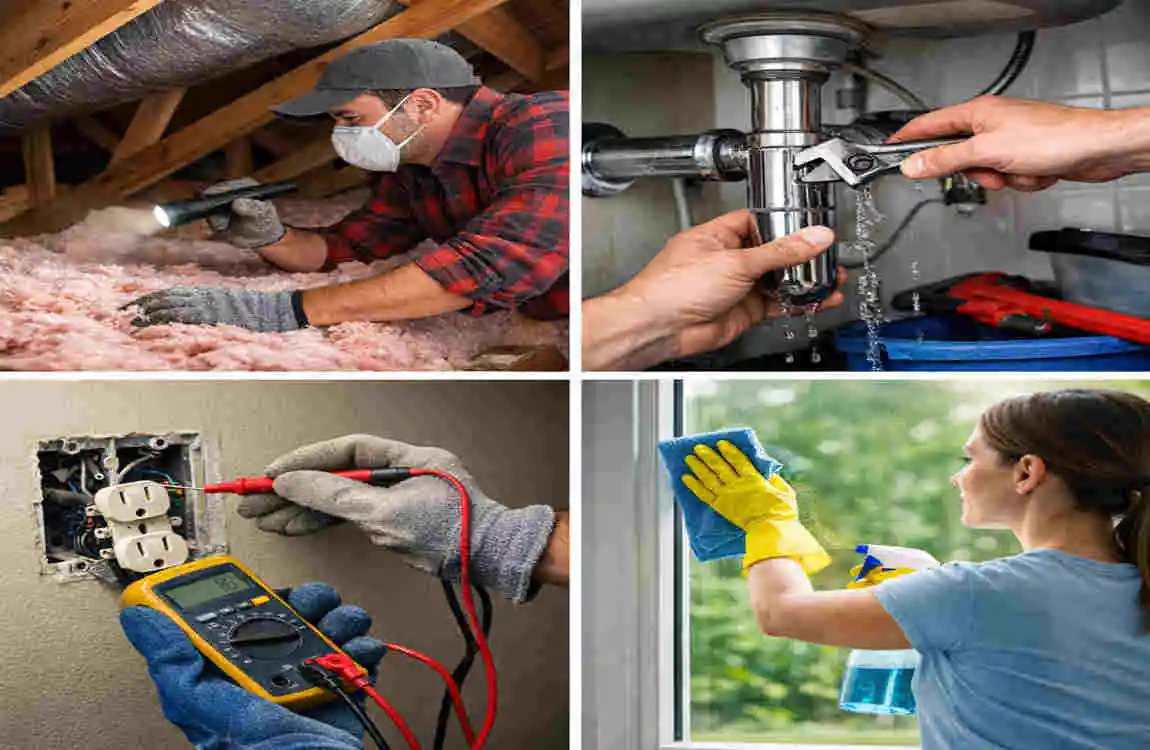
A home needs regular care to stay safe, comfortable house, and valuable. That does not mean you have to renovate all the time. It just means paying attention to the parts of the home that wear down naturally.
Small problems grow fast.
A tiny crack, a slow drip, or a clogged gutter may seem harmless at first. But these little issues often cause greater damage when they are ignored.
That is why regular upkeep matters so much. It helps you catch trouble early, while the fix is still simple and affordable.
Maintenance protects your investment.
Your home is one of your biggest purchases. Taking care of it helps protect that investment and keeps it working well for years.
When you stay on top of maintenance, you also reduce stress. You are less likely to face surprise repairs or sudden breakdowns.
The Hidden Costs of Neglecting Home Maintenance
Expensive Structural Damage
One of the biggest risks of ignoring maintenance is damage to the home’s structure. Water, moisture, and weak materials can quietly create serious problems.
A small roof leak, for example, can lead to mold, wood rot, ceiling stains, and damaged insulation. What starts as a simple repair can become a much larger project if it spreads.
The same is true for small cracks or damaged siding. If water gets inside, it can weaken walls and other important parts of the house.
Higher Energy Bills
Poor maintenance can make your home use more energy than it should. Dirty air filters, weak insulation, and worn windows force your systems to work harder.
That means your heating and cooling units run longer to keep the house comfortable. As a result, your utility bills go up.
Plumbing Problems Can Become Major Repairs
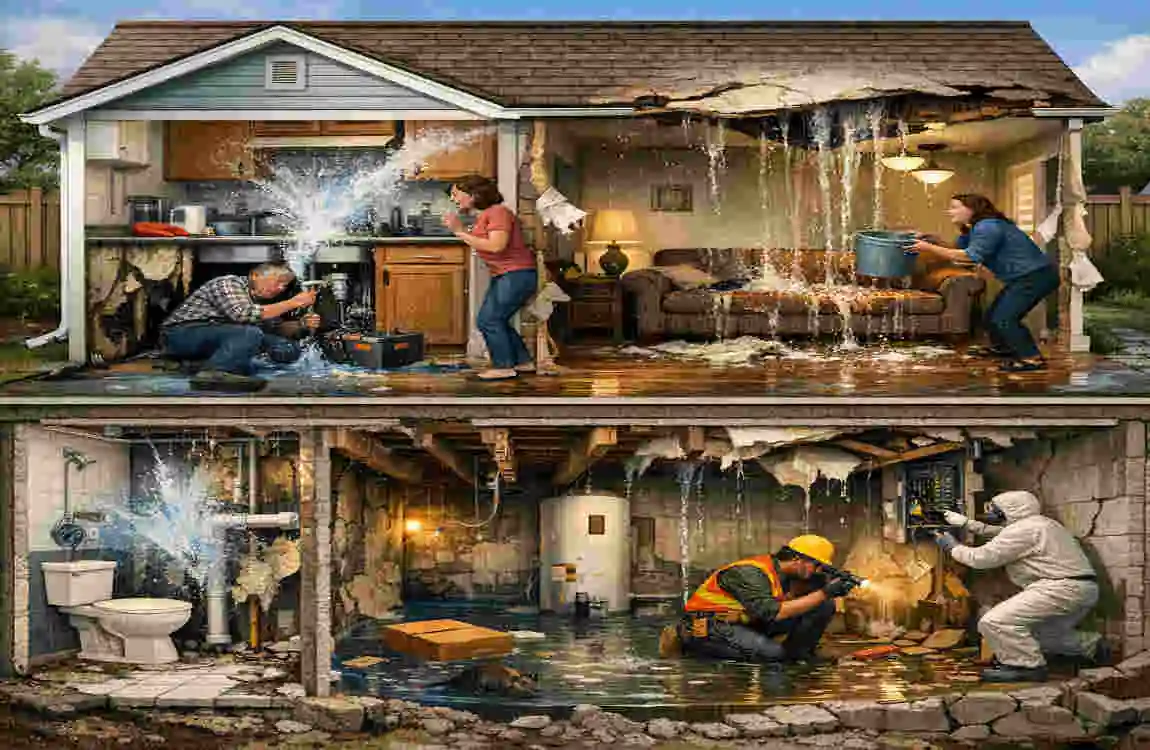
A dripping faucet or slow drain may not seem urgent. But plumbing problems often worsen over time if you do not address them promptly.
Leaks can waste water, stain surfaces, and damage cabinets, walls, or floors. In more serious cases, they can lead to corrosion or flooding.
A small plumbing fix is usually much cheaper than cleaning up water damage later.
Reduced Property Value
Buyers notice when a home has been well cared for. They also notice when it has not.
Peeling paint, damaged fixtures, old systems, and visible repair needs can lower your home’s appeal. That can affect how much someone is willing to pay.
A maintained home often keeps its value better and feels more attractive to future buyers.
Common Maintenance Tasks You Should Not Ignore
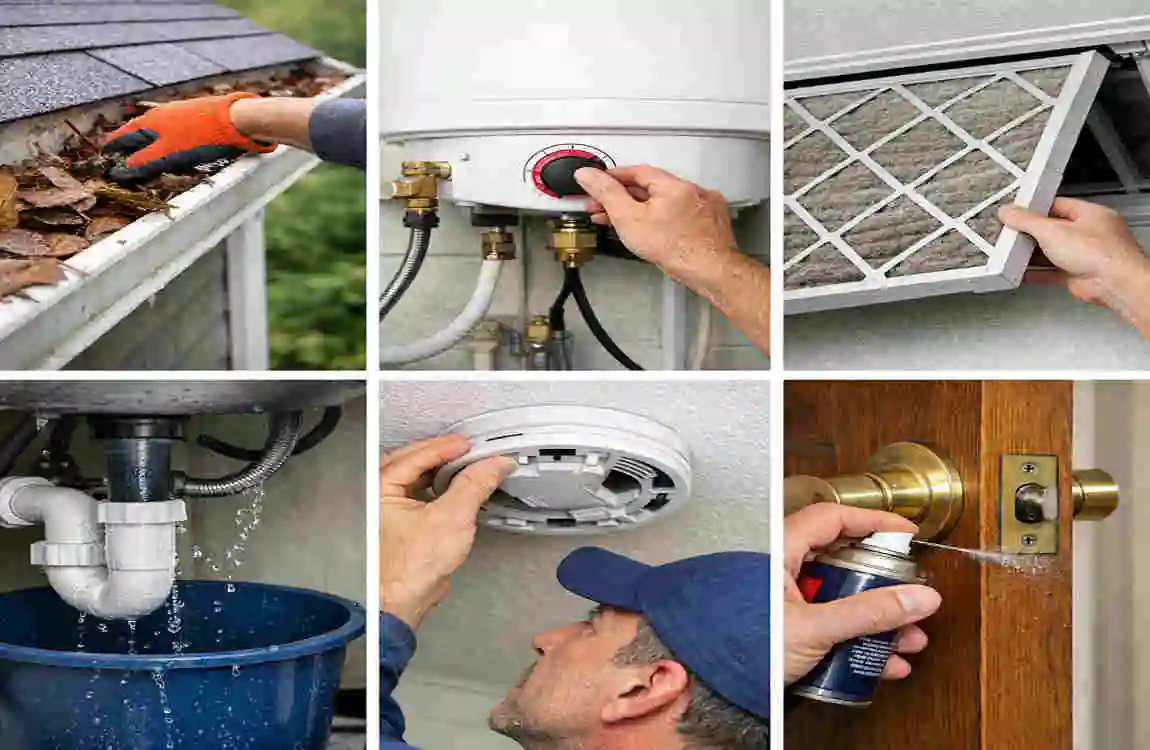
Here are some important tasks that deserve regular attention:
Maintenance Task Risk of Ignoring
Roof inspection Leaks and structural damage
Gutter cleaning Water damage and foundation issues
HVAC servicing Higher energy bills and system failure
Plumbing checks Leaks and costly repairs
Pest inspections Property damage
Painting and sealing Moisture problems
Why these tasks matter
These jobs may seem routine, but they protect the parts of your home that matter most. When you stay ahead of them, you lower the chance of expensive surprise repairs.
A little care goes a long way.
You do not need to do everything at once. Even small steps, done on a regular schedule, can make a big difference over time.
How Regular Maintenance Saves Money
Preventive maintenance often costs much less than emergency repairs. That is why it is so valuable.
It catches problems early.
When you inspect your home regularly, you can spot issues before they become serious. A small repair now may prevent a major bill later.
It extends the life of systems.
Heating, cooling, plumbing, and roofing systems all last longer when properly cared for. That means fewer replacements and less stress on your budget.
It helps you plan.
When you follow a seasonal schedule, you are less likely to be caught off guard. You can budget for repairs before they turn into emergencies.
A Simple Maintenance Habit to Follow
You do not need a complicated system to stay on track. A basic routine is enough for most homes.
Use a seasonal checklist.
Try checking your home at the change of each season. This gives you a clear reminder to look at important areas before small issues grow.
Focus on the most important parts.
Start with the roof, gutters, plumbing, HVAC system, and exterior surfaces. These are the areas that often cause the biggest problems when ignored.
Keep records
Write down what you inspected, what you repaired, and when it was done. This helps you stay organized and makes future maintenance easier.
Frequently Asked Questions
What happens if you ignore home maintenance?
Ignoring home maintenance can lead to costly repairs, structural damage, higher energy bills, and lower property value.
How often should household maintenance be done?
Most tasks should be checked seasonally, while systems like HVAC and plumbing may need yearly inspections.
Is preventive maintenance cheaper than repairs?
Yes. Preventive maintenance usually costs less because it helps fix small problems before they become major ones.
What are the most important home maintenance tasks?
Roof inspections, gutter cleaning, plumbing inspections, HVAC servicing, and pest control are among the most important tasks.
| Ignored Maintenance Issue | Possible Consequences | Potential Cost Impact |
|---|---|---|
| Roof leaks and damage | Water damage, mold growth, structural problems | Small repairs can become expensive replacements |
| Plumbing problems | Pipe bursts, water waste, flooding | Higher repair bills and property damage |
| HVAC neglect | Poor air quality, higher energy bills, system failure | Costly repairs or early replacement |
| Electrical issues | Safety hazards, power failures, fire risks | Expensive repairs and safety upgrades |
| Pest problems | Property damage and health concerns | Professional pest control and repairs |
| Exterior maintenance delays | Cracks, rot, and reduced curb appeal | Lower home value and larger restoration costs |