
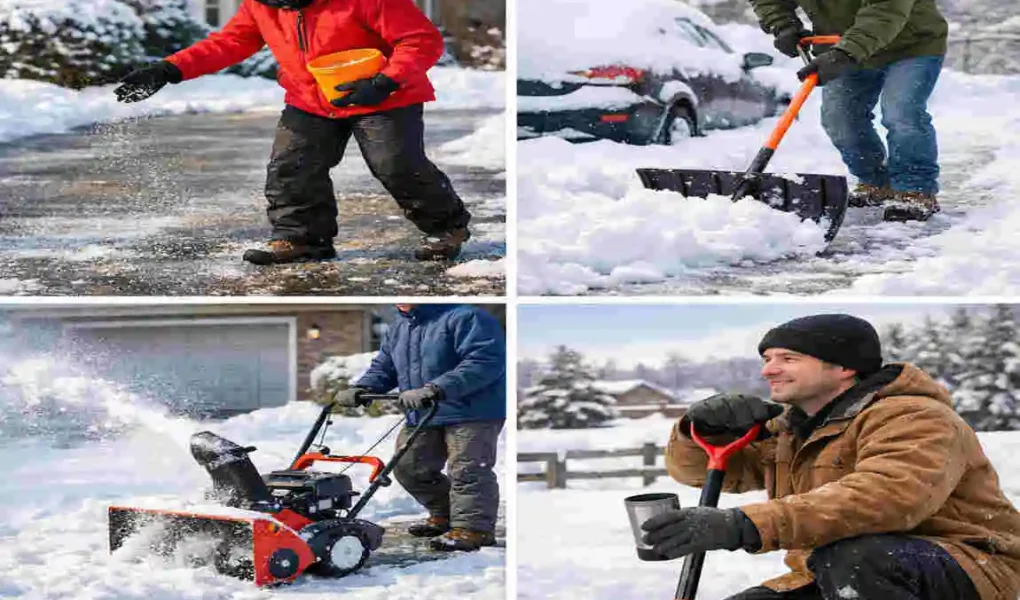
Winter can make your property look beautiful, but it also brings real problems. Snow can quickly cover driveways, sidewalks, and entrances. If you do not clear it in time, it can turn into ice and make simple movement risky.
That is why home snow plowing tips matter. With the right approach, you can keep your home safer, protect your driveway, and make winter cleaning easier.
Why Snow Plowing Is Important
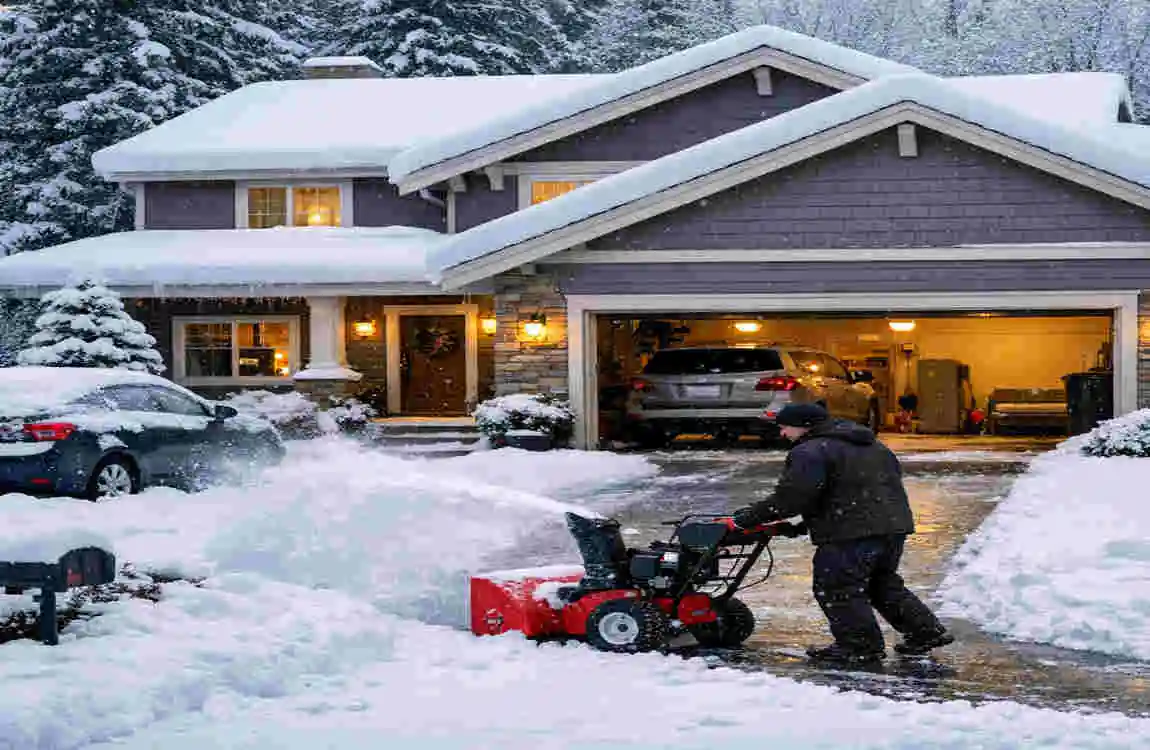
Snow removal is not just about appearance. It helps protect people, property, and daily routines.
Keeps Walkways Safe
Fresh snow can hide slippery spots. When people walk over it, the snow gets packed down and can freeze. That raises the chance of slips and falls.
Keeps Your Property Accessible
A clear driveway and walkway make it easier to leave home, receive visitors, and move around safely. This matters even more during emergencies.
Helps Prevent Ice Buildup
If snow sits too long, it starts turning into hard ice. Ice is much harder to remove and more dangerous to walk or drive on.
Plan Before the Snow Arrives
Good snow removal starts before the storm begins. A little prep now can save you a lot of effort later.
Check Your Equipment
Before winter hits, inspect your snow removal tools.
Make sure your snow plow or snow blower is ready to use. Check the fuel, oil, blades, and moving parts. If anything looks worn out, replace it early.
Mark Driveway Edges
Once snow starts piling up, it can be hard to see where the driveway ends.
Use reflective markers to show:
- Driveway edges
- Sidewalk boundaries
- Curbs
- Landscaping features
- Decorative stones or posts
This simple step helps prevent damage to your property while plowing.
Start Plowing Early
One of the best home snow-plowing tips is to start early.
Do not wait until snow builds into a deep pile. It is much easier to clear a few inches of fresh snow than a heavy layer that time, tires, or foot traffic have packed down.
If a storm is active, plow more than once. Clearing snow in stages makes the job easier and reduces stress on your equipment.
Choose the Right Plowing Pattern
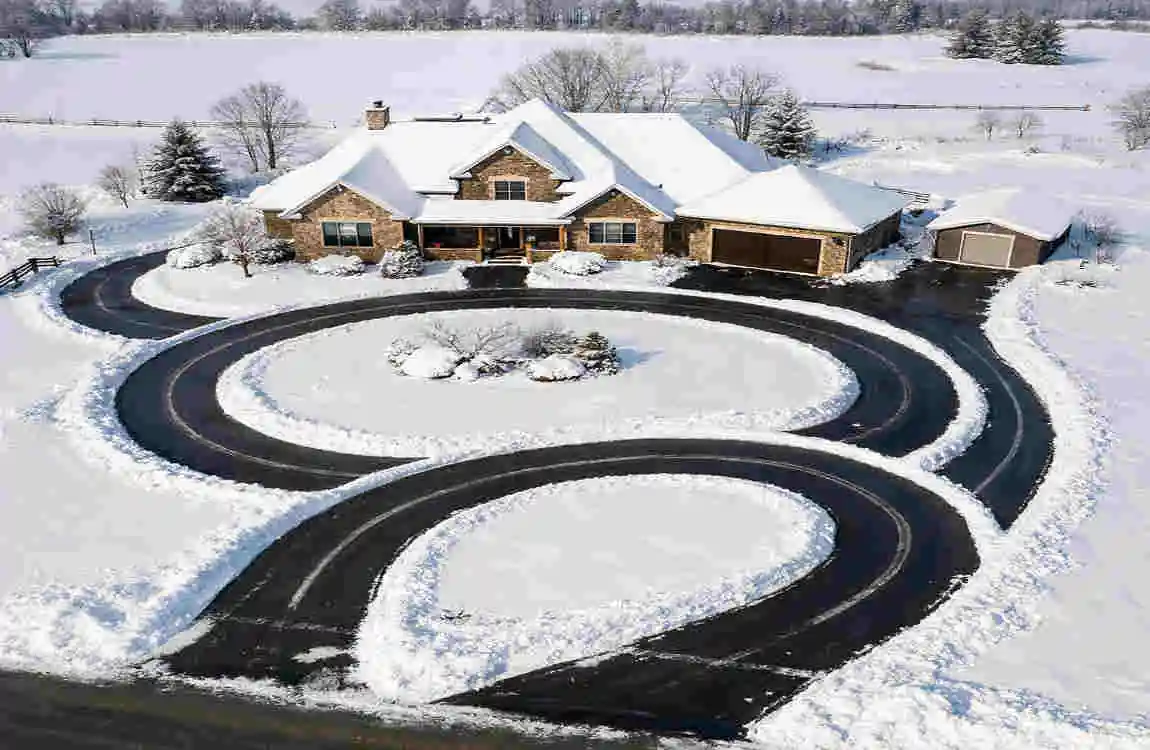
The way you plow matters. A smart pattern saves time and keeps snow from becoming a problem later.
Work From the Center Out
On larger driveways, start in the middle and push snow toward the outer edges. This gives you a clean path and keeps the space usable.
Push Snow Away From Buildings
Always move snow away from walls, garages, and entry points. This helps prevent buildup near the house and keeps drainage areas open.
Keep Important Areas Clear
Make sure you leave room for:
- Emergency exits
- Mailboxes
- Sidewalks
- Neighboring driveways
- Garage doors
A little planning helps you avoid creating new problems while solving the old ones.
Avoid Creating Large Snow Piles
It may be tempting to push all the snow into one big pile. That can cause trouble later.
Large piles can block visibility, take up parking space, and freeze into solid ice. They also melt slowly in spring, which can lead to wet spots and runoff problems.
Try to spread the snow as evenly as possible around open areas of the property. This helps it melt more evenly and keeps your space easier to use.
Protect Your Driveway
Your driveway takes a lot of stress during winter. If you are too rough with the Plow, you can damage the surface.
Adjust the Blade Carefully
Set the plow blade high enough to avoid scraping the pavement. If it sits too low, it may damage:
- Asphalt
- Concrete
- Pavers
- Decorative stone
If you are unsure, start with a safer setting and adjust slowly as needed.
Use Smooth, Controlled Movements
Fast or sharp movements can gouge the surface. Move slowly and avoid sudden turns. This keeps both your equipment and driveway in better shape.
Remove Snow Before It Turns to Ice
Fresh snow is much easier to handle than frozen snow. That is why timing matters so much.
After plowing, treat the area before temperatures drop further. You can apply ice melt when conditions allow or use sand and grit for extra traction.
Pay special attention to shady spots. These areas freeze faster and often stay icy longer than other parts of the driveway.
Stay Safe While Plowing
Snow removal can be tiring and dangerous if you do not take care of yourself.
Dress for the Weather
Wear warm, waterproof clothing. Good boots, gloves, and reflective gear help keep you dry, visible, and comfortable.
Watch for Hidden Hazards
Snow can hide rocks, curbs, toys, hoses, and other objects. Be careful when moving through areas you cannot fully see.
Pace Yourself
Do not try to rush through the job. Take breaks if needed, especially during long or heavy snowfall. Overworking yourself can lead to poor decisions and accidents.
Maintain Your Snow Plow
A snow plow works best when it is clean and well cared for.
After each use, clean off salt, dirt, and slush. Inspect the blade for damage and tighten any loose bolts. Then store the equipment in a dry place.
Regular care helps your tools last longer and reduces the chance of breakdowns when you need them most.
Common Snow Plowing Mistakes
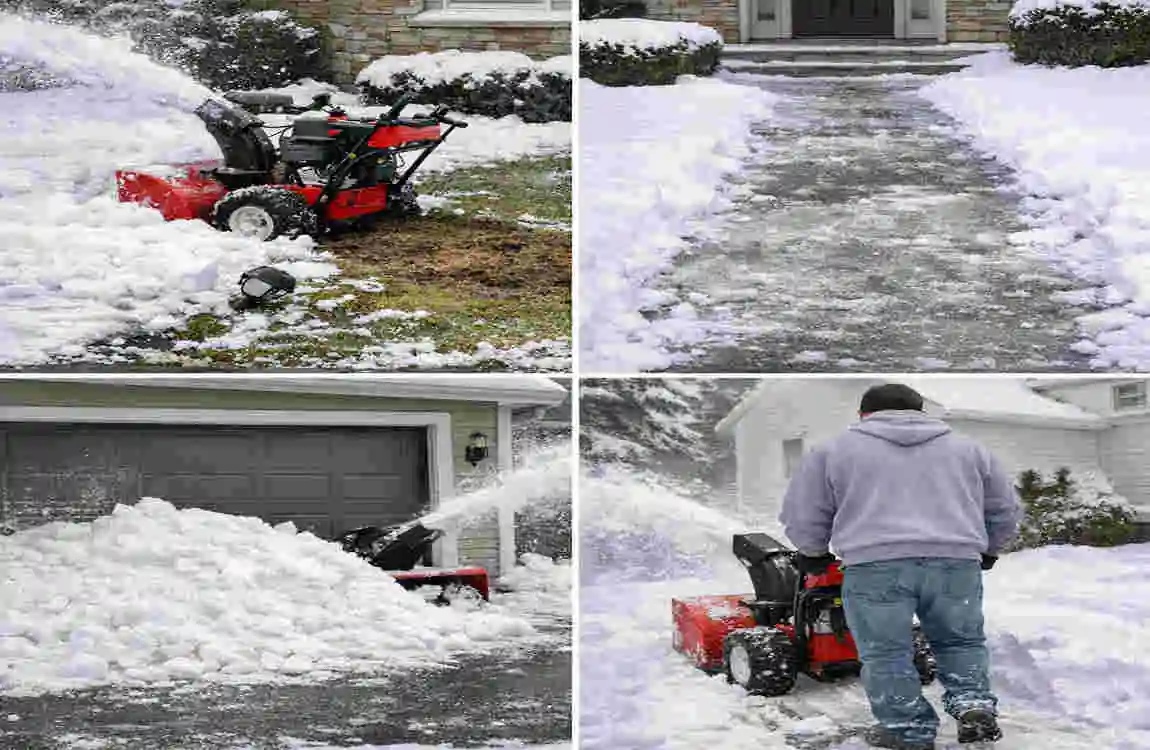
It is easy to make small mistakes during winter cleanup. Some of them can lead to damage or wasted effort.
Mistake Better Practice
Waiting too long Plow early and often
Pushing snow against buildings Push snow toward open areas
Ignoring ice Apply de-icer after plowing
Driving too fast Keep a slow, controlled speed
Skipping maintenance Clean and inspect after every use
Avoiding these mistakes can make your winter routine much smoother.
When to Hire a Professional
Sometimes, doing it yourself is not the best choice. Hiring a professional can save time and reduce risk.
You May Need Help If:
- Snowfall is very heavy
- Your driveway is long or difficult to clear
- You manage commercial property
- You have physical limitations
- You do not feel safe using snow equipment
Professional snow removal can be a smart option when the job is too large or too risky to handle alone.
Frequently Asked Questions
How often should I plow my driveway during a snowstorm?
It is best to plow every few inches of snowfall during heavy storms rather than wait until the storm ends.
What is the best time to plow snow?
The best time is early in the snowfall or right after it stops. Fresh snow is always easier to remove.
Should I use salt after plowing?
Yes. Ice melt or salt can help prevent ice from forming and improve traction.
Can snow plowing damage my driveway?
Yes, if the blade is set too low or used too aggressively. Careful adjustment helps protect the surface.
How do I stop snow from turning into ice?
Clear snow quickly and apply de-icing materials before the temperature drops too far.
| Topic | Information |
|---|---|
| Best Time to Plow | Remove snow early and plow again during heavy snowfall to prevent ice buildup. |
| Check Weather Forecast | Monitor winter weather so you can prepare before a storm arrives. |
| Use the Right Equipment | Choose a snow shovel, snow blower, or plow based on the size of your driveway. |
| Apply Ice Melt | Spread salt or ice melt after plowing to reduce slippery surfaces and prevent refreezing. |
| Clear Safe Paths | Keep driveways, sidewalks, stairs, and emergency exits free of snow. |
| Avoid Damaging Surfaces | Raise the plow blade slightly on gravel or uneven driveways to prevent damage. |