Renovating your home is a great opportunity to make choices that are better for your family and the planet. When you use eco-friendly home renovation materials, you help reduce waste, improve indoor air quality, and create a healthier, more comfortable home.
Why Choose Eco-Friendly Renovation Materials?
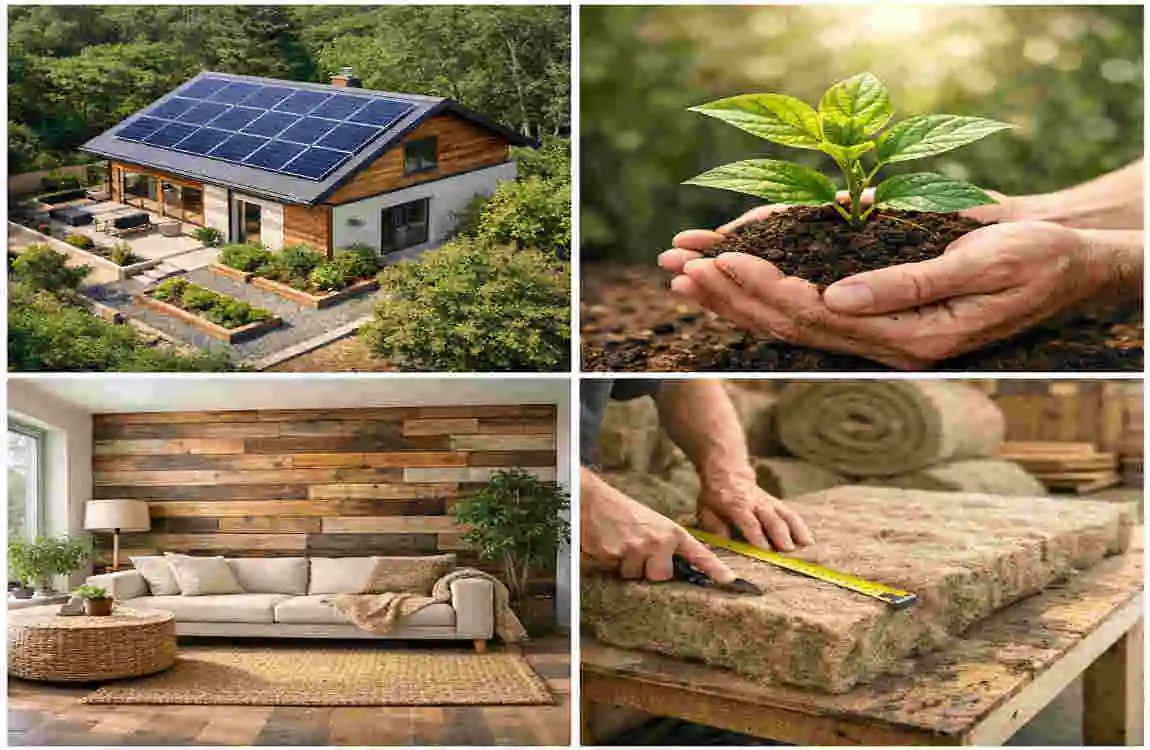
Choosing green materials is not just about helping the environment. It also brings real benefits to your home and daily life.
Better for the Environment
Eco-friendly materials often come from renewable, recycled, or responsibly sourced resources. That means less strain on forests, landfills, and energy use.
Healthier Indoor Air
Some regular building products release chemicals into the air. Green materials, especially low-VOC options, help keep your indoor air cleaner and fresher.
Long-Term Savings
Many sustainable materials last a long time and need less upkeep. That can save you money on repairs, replacements, and energy bills over time.
Best Eco-Friendly Home Renovation Materials
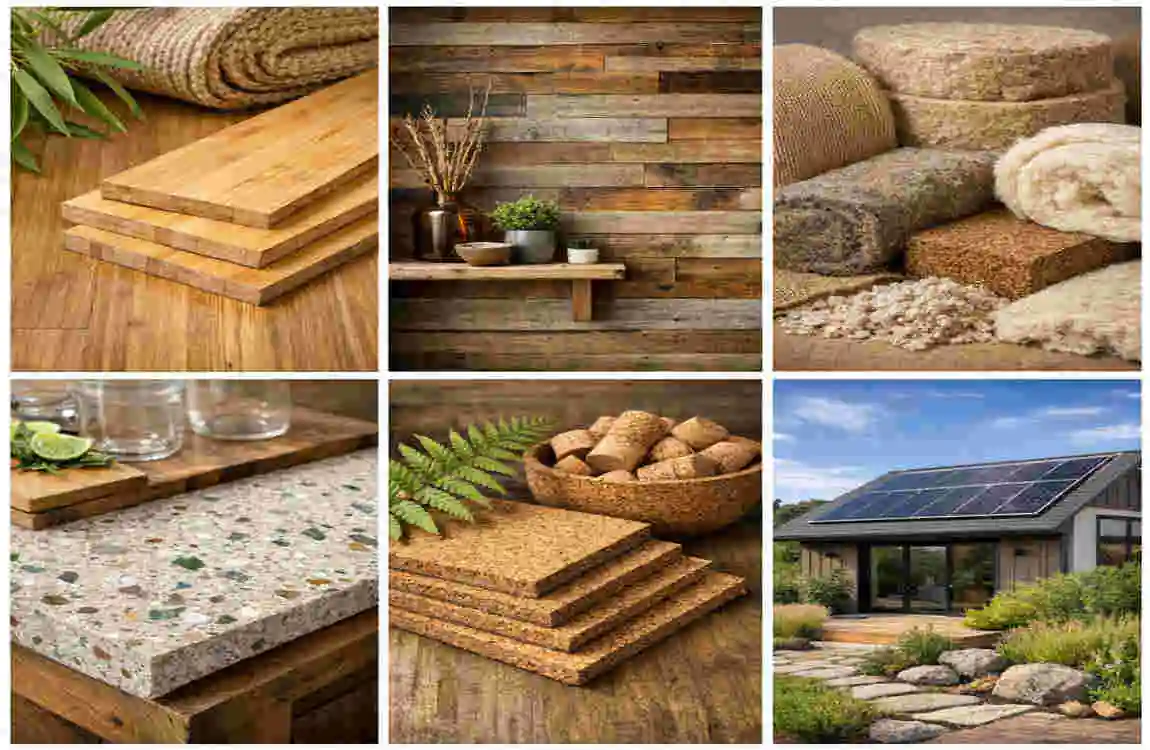
Bamboo Flooring
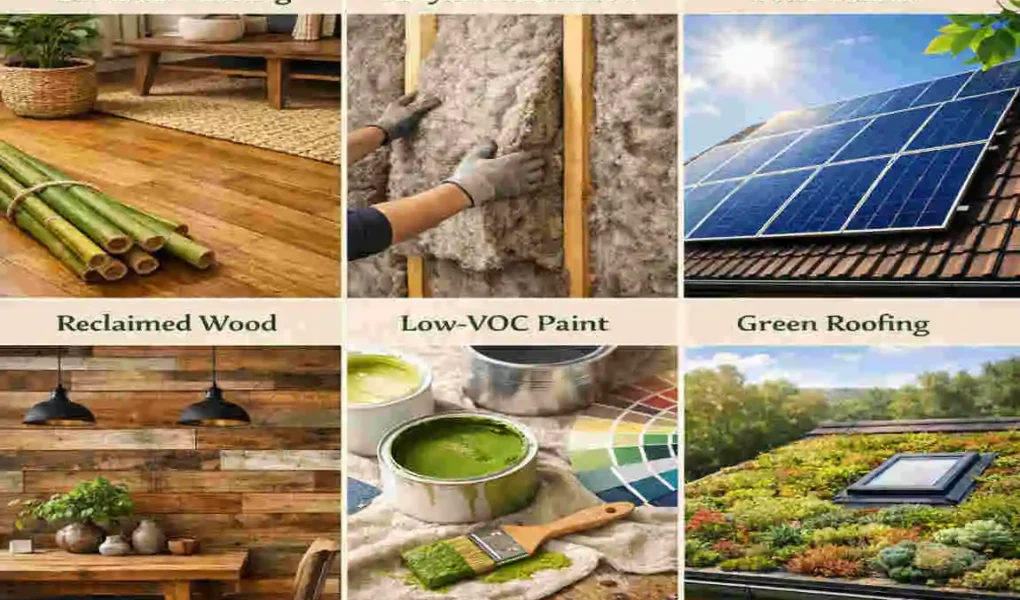
Bamboo is one of the most popular eco-friendly flooring choices. It grows much faster than hardwood, which makes it a renewable option.
It also looks modern, feels strong underfoot, and comes in many finishes. If you want something that blends style with sustainability, bamboo is a smart choice.
Reclaimed Wood
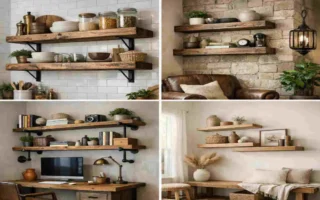
Reclaimed wood comes from old barns, factories, and buildings. Instead of throwing that wood away, it gets reused in new projects.
This material adds character and warmth to a home. You can use it for floors, walls, shelves, or furniture. It is also a great way to reduce landfill waste.
Recycled Metal
Recycled steel and aluminum can be used again and again without losing strength. That makes them very useful in green renovation projects.
You will often see recycled metal in roofing, framing, cabinets, and decorative details. It is durable, practical, and built to last.
Recycled Glass Countertops
If you want a surface that stands out, recycled glass countertops are a great option. They combine glass pieces with cement or resin to create a strong, attractive finish.
These countertops are easy to clean and help keep waste out of landfills. They also add a bright, unique look to kitchens and bathrooms.
Cork Flooring
Cork comes from the bark of cork oak trees, and the tree stays alive after harvesting. That makes cork a renewable and gentle material choice.
It feels soft underfoot, helps reduce noise, and works well in bedrooms and kitchens. It is also naturally resistant to mold and mildew.
Low-VOC Paint
Paint may seem like a small choice, but it has a big impact on your indoor air. Regular paints can release harmful fumes, while low-VOC paints release much less.
They help create a healthier space and usually have less odor. You still get plenty of color choices, so you do not have to give up style.
Recycled Insulation
Good insulation helps your home stay warm in winter and cool in summer. Recycled insulation made from paper, denim, or cellulose is a smart eco-friendly option.
It helps lower energy use, which can reduce your heating and cooling bills. It is also a simple way to make your renovation more efficient.
Quick Comparison of Eco-Friendly Renovation Materials
MaterialBest ForMain Benefit
Bamboo Flooring Fast renewable resource
Reclaimed Wood Floors and walls Reduces waste
Cork Flooring Soft and renewable
Recycled Glass Countertops Stylish and durable
Recycled Metal Roofing and cabinets Long lifespan
Low-VOC Paint Interior walls Better air quality
Recycled Insulation Walls and attics Energy efficiency
Tips for a Sustainable Home Renovation
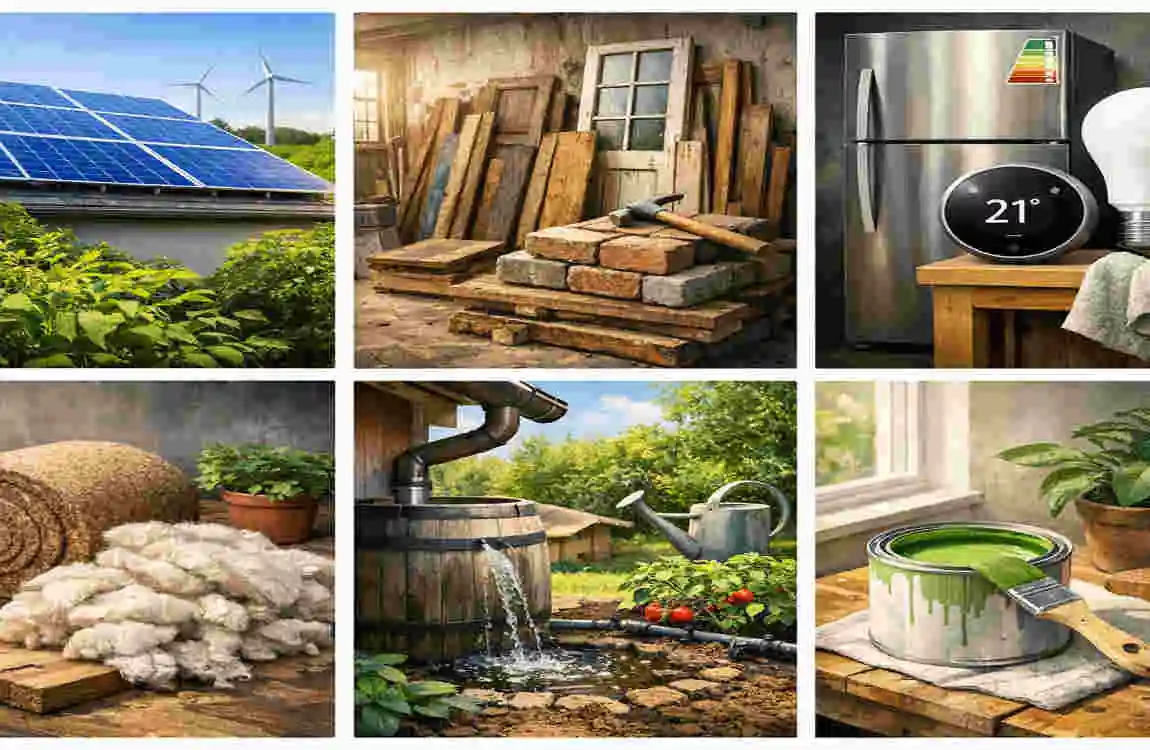
If you want your renovation to be truly eco-friendly, a few simple habits can make a big difference.
Reuse What You Can
Before buying new materials, look at what can stay. Cabinets, doors, wood trim, and fixtures can often be cleaned, repaired, or repurposed.
Buy Local When Possible
Locally sourced products usually travel less distance. That means fewer transportation emissions and often faster delivery.
Focus on Energy Efficiency
Energy-efficient windows, insulation, and fixtures help your home use less power and water. That is good for the environment and your monthly bills.
Choose Durable Products
A product that lasts longer creates less waste. It is often better to buy once and buy well than to replace cheap materials again and again.
Common Mistakes to Avoid
Even a green renovation can go off track if you do not plan carefully.
Do Not Choose Based on Price Alone
The cheapest product is not always the best value. A low-cost material may wear out faster and end up costing more in the long run.
Do Not Ignore Product Labels
Look for materials that are truly sustainable, recycled, or low-VOC. This helps you avoid greenwashing and make better decisions.
Do Not Overbuy
Buying too much material creates waste. Measure carefully and order only what you need.
Frequently Asked Questions
What are eco-friendly home renovation materials?
They are materials that are renewable, recycled, low-impact, or responsibly sourced. They help reduce environmental harm while improving home performance.
Is bamboo better than hardwood flooring?
Bamboo grows much faster than traditional hardwood trees, so it is usually a more sustainable choice. It is also strong and attractive.
What is low-VOC paint?
Low-VOC paint contains fewer harmful chemicals, which helps improve indoor air quality and reduces odor.
Are recycled materials durable?
Yes. Many recycled materials, such as reclaimed wood, recycled glass, and recycled metal, are very strong and long-lasting.
How can I make my renovation more sustainable?
Use renewable or recycled materials, improve insulation, reduce waste, reuse existing items, and choose energy-efficient products whenever possible.
| Category | Eco-Friendly Material | Benefits | Best Uses |
|---|---|---|---|
| Flooring | Bamboo | Fast-growing, durable, renewable | Living rooms, bedrooms |
| Flooring | Cork | Soft, recyclable, naturally insulating | Bedrooms, offices |
| Countertops | Recycled Glass | Stylish, durable, low maintenance | Kitchens, bathrooms |
| Wood | Reclaimed Wood | Reduces waste, unique appearance | Flooring, furniture, wall panels |
| Insulation | Cellulose | Made from recycled paper, energy efficient | Walls, attics |
| Paint | Low-VOC or Zero-VOC Paint | Improves indoor air quality, low odor | Interior and exterior walls |