
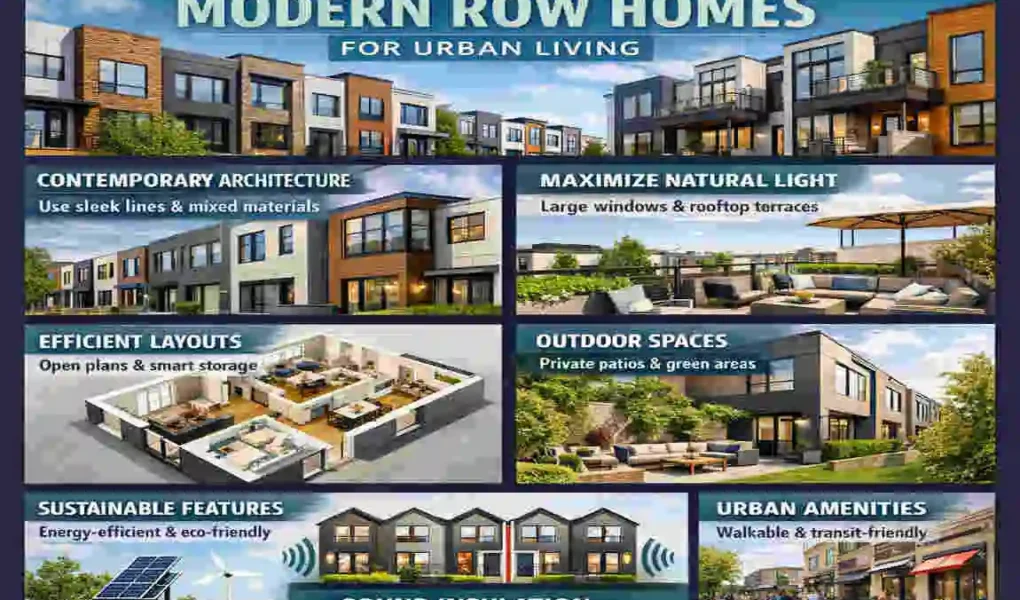
Modern row homes are becoming a smart answer to the way many people want to live today. In busy cities, land is limited, space is expensive, and people want homes that feel practical without losing style. That is where this housing type stands out. It gives homeowners a way to enjoy contemporary design, efficient layouts, and a strong connection to urban life, all within a compact footprint.
If you are a homeowner, architect, builder, real estate investor, or urban planner, you already know the pressure that comes with city development. You need homes that use land wisely, look attractive, and still feel comfortable to live in. Modern row homes can do all of that when well-designed. They work especially well in neighborhoods where density, walkability, and sustainability matter.
What Are Modern Row Homes?
Definition and Key Characteristics
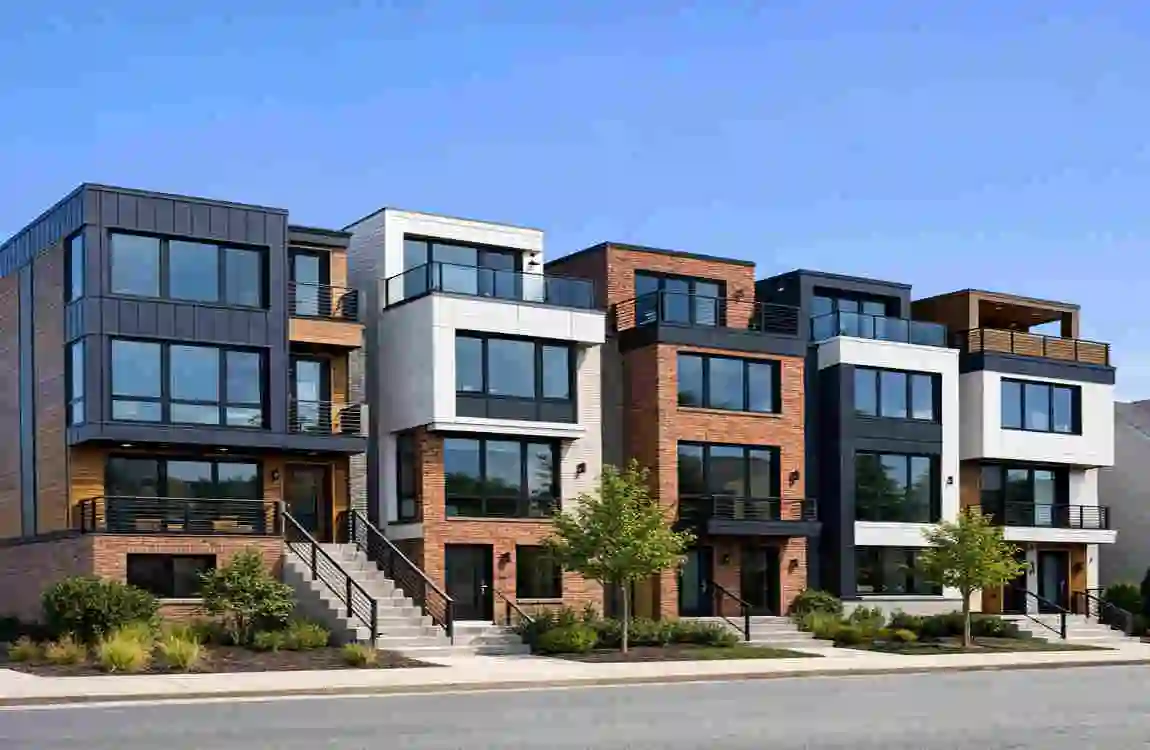
Modern row homes are attached residential homes that share one or both side walls with neighboring units. They are usually narrow, but they make up for it with multiple floors and smart layouts. This type of home is common in city neighborhoods where land is expensive and lots are smaller.
What makes them “modern” is their design. Instead of relying on the older, closed-off layouts seen in traditional homes, modern row homes often include open interiors, larger windows, simple exterior shapes, and updated materials. They feel fresh, light, and functional.
A few key traits usually define them:
- Shared side walls that help conserve space and improve energy performance
- Multi-story layouts that maximize usable square footage
- Compact urban footprints that fit dense neighborhoods
- Contemporary architectural styles with clean lines and modern finishes
These homes are not just about fitting more houses on a street. They are about creating a better city living experience in a smaller space.
Evolution from Traditional Row Houses
Row houses have a long history. In older cities, they were built to house growing populations efficiently. Many traditional row houses had narrow floor plans, formal rooms, and decorative exterior details. They were practical for their time, but they did not always match modern lifestyles.
Over time, homeowner expectations changed. People began asking for brighter rooms, better flow, more flexible spaces, and stronger connections between indoor and outdoor living. As a result, row homes evolved.
Today, modern row homes still keep the same basic structure of attached housing, but they feel very different inside and out. They often feature open kitchens, flexible living areas, minimalist exteriors, and energy-saving systems. This shift reflects how urban living has changed. People want convenience, comfort, and style in one package.
Why Modern Row Homes Are Ideal for Urban Living
Efficient Land Utilization
One of the biggest advantages of modern row homes is how well they use land. In a crowded city, every square foot matters. Detached houses take up more space because they need yards, setbacks, and wider lots. Row homes reduce that spread by placing homes side by side.
This approach makes it possible to fit more homes into a smaller area without sacrificing livability. For cities that need more housing, this is a major benefit. It supports higher residential density while still providing people with private homes rather than large apartment blocks.
For homeowners and developers, this means you can make better use of expensive urban land. For planners, it means you can support growth without forcing neighborhoods to sprawl outward.
Affordability Compared to Detached Homes
Modern row homes often cost less to build than detached houses. The reasons are simple. They share structural walls, use smaller lots, and often need fewer exterior materials. Because the design is more compact, the overall construction cost can be lower.
This does not mean they are “cheap” in quality. In fact, well-designed row homes can feel highly refined and comfortable. The savings often come from smarter planning, not weaker construction.
Maintenance is usually lower too. A smaller exterior surface means less upkeep. Heating and cooling costs may also be lower, especially when the home uses shared walls and efficient insulation. For many buyers, this makes modern row homes a more realistic path to homeownership in urban areas.
Walkability and Community Benefits
Urban living works best when daily needs are close by. Modern row homes often sit in walkable neighborhoods near shops, parks, schools, cafes, and transit stops. That gives residents a more connected lifestyle.
This walkability improves everyday life in several ways. You may spend less time in traffic, rely less on driving, and enjoy stronger neighborhood connections. When people walk more, they also tend to interact more with their surroundings and neighbors.
That sense of community matters. A row home street can feel active, welcoming, and human-scaled. Instead of isolating people, it can support a more social way of living.
Sustainability Advantages
Modern row homes also support sustainability goals. Since the homes share walls, they naturally reduce heat loss and help improve energy efficiency. This can lower energy use over time.
Their smaller footprint also means they use less land and often require fewer materials than detached homes. When paired with efficient systems and thoughtful design, they can become a very low-impact housing option.
For environmentally conscious buyers and planners, this is a strong advantage. Modern row homes can support a greener city without giving up comfort or style.
Essential Design Principles for Modern Row Homes
Open-Concept Floor Plans
A strong modern row home usually starts with an open floor plan. In narrow homes, walls can make rooms feel tight and boxed in. Open layouts solve that problem by letting space flow naturally from one area to another.
This does not mean every wall disappears. It means the home feels more connected. The kitchen, dining area, and living room can function as a single larger social zone. That makes the home feel bigger and more welcoming.
Open planning also improves movement. You can move through the space easily, and the home supports both everyday routines and entertaining. If you are designing for city living, this flexibility is a major advantage.
Maximizing Natural Light
Light can transform a small home. In narrow row homes, natural light becomes one of the most important design tools. Without it, rooms can feel dark and closed in. With it, the same home can feel airy and calm.
Large windows are one of the most effective solutions. They bring daylight deeper into the interior and connect the home with the street or courtyard. Glass doors can do the same for rear spaces and outdoor areas.
Skylights, light wells, and atriums are also powerful tools. They help pull light into the center of the home, where side windows may not be enough. If you want a row home to feel truly modern, treat light as a core design feature rather than an afterthought.
Vertical Space Optimization
Because row homes are usually narrow, the smartest way to add usable space is to build upward. Multi-level layouts allow designers to separate daily functions without spreading the house wider.
For example, the main floor may include shared spaces such as the kitchen and living room. The upper floors can hold bedrooms, offices, or private retreat areas. This keeps the layout organized and efficient.
Some designs also use lofts or mezzanines to make the most of vertical volume. These spaces can serve as reading nooks, work areas, or extra storage. When used well, vertical space adds both usefulness and architectural interest.
Indoor-Outdoor Connections
Even in a compact city home, people want to feel connected to the outdoors. That is why courtyards, balconies, rooftop terraces, and patios matter so much in modern row homes.
These features give residents a place to breathe, relax, and enjoy fresh air without leaving home. They also soften the transition between the inside and the outside, making the home feel larger.
A small courtyard at the rear can become a private escape. A rooftop terrace can create a social area with views. Even a modest balcony can improve daily life. For urban living, these outdoor extensions are not luxuries. They are part of what makes the home feel complete.
A Quick Design Checklist
Here is a simple list of design priorities to keep in mind when planning modern row homes:
- Make the floor plan open and flexible
- Bring in as much natural light as possible
- Use vertical space wisely
- Connect the interior with the outdoor areas
- Keep the layout practical for daily living
These basics create a strong foundation before you move into the finer details of style and material choices.
Architectural Features of Modern Row Homes
Contemporary Exterior Designs
The outside of a modern row home often sets the tone for the entire project. Today’s designs usually lean toward simplicity. Clean lines, balanced proportions, and minimal decoration create a look that feels current and calm.
You will often see facades with geometric shapes, large openings, and a mix of materials that add texture without clutter. This style works especially well in urban areas because it looks polished and timeless rather than overly ornate.
A modern exterior should also feel honest and well-composed. The goal is not to overload the design. The goal is to create a strong visual identity that fits the street while subtly standing out.
Popular Building Materials
Material choices play a huge role in how a row home looks and performs. Many modern designs combine traditional and contemporary materials to create a balanced feel.
Brick and stone accents can add durability and a sense of permanence. These materials also connect the home to older urban building traditions.
Fiber cement panels are popular because they offer a clean finish and hold up well in different climates. They are also often easier to maintain.
Glass-and-steel combinations create a lighter, more modern look. They are often used in windows, railings, and framing details to make the design feel open and refined.
The best projects usually mix materials carefully. Too much variety can feel noisy, while too little can feel flat. A thoughtful blend can make the home feel both contemporary and grounded.
Modern Roof Styles
Roof design is another important part of the overall architectural identity. In modern row homes, flat roofs are very common because they support a simple, streamlined look. They also make it easier to add rooftop spaces or green roofs.
Green roofs are especially appealing in urban settings. They can help manage rainwater, improve insulation, and create a small ecological benefit in a dense neighborhood.
Some modern row homes also use rooftop living spaces. These areas can be private, useful, and highly desirable. In a city where outdoor space is limited, a rooftop can become one of the best parts of the home.
Comparing Common Design Features
Design FeatureMain BenefitBest Use in Modern Row Homes
Large windows More daylight and visual openness Narrow facades and interior rooms
Flat roof Clean modern look and rooftop use Urban lots with limited space
Brick accents Durability and visual warmth Street-facing facades
Glass railings Light, openness, and a sleek feel Balconies and terraces
Fiber cement panels Low maintenance and design flexibility Contemporary exterior finishes
This table shows a simple truth: modern row homes work best when every feature supports both style and function.
Interior Design Ideas for Modern Row Homes
Space-Saving Furniture Solutions
When the floor plan is compact, the furniture has to work harder. That is why space-saving pieces matter so much in modern row homes. The right choices can make a room more useful without making it feel crowded.
Multifunctional furniture is especially helpful. A sofa bed, a storage ottoman, or a dining table that doubles as a work area can give you more flexibility in a small home. Built-in benches and wall-mounted desks also help by freeing up floor space.
Built-in storage systems are another smart solution. They can fit under stairs, along hallways, or inside alcoves. By giving every item a place, you reduce clutter and make the home easier to live in.
Modern Color Palettes
Color has a big effect on how a row home feels. In small homes, lighter tones often work well because they make the space seem more open. Neutral colors like white, soft gray, beige, and warm taupe are popular because they create a calm background.
Earth-inspired colors also work beautifully in modern row homes. Muted green, clay, sand, and warm brown can add depth without overwhelming the space. These tones often create a natural, comfortable feeling.
Accent walls can add personality. A single darker wall, a textured finish, or a bold color in a focused area can create contrast and visual interest. The key is balance. In a compact home, too many strong colors can make the space feel busy.
Smart Home Integration
Modern row homes are a great fit for smart home features. These systems make daily life easier and can also improve energy use and security.
Automated lighting can adjust brightness based on time of day or occupancy. Smart security systems can include cameras, sensors, and app-based alerts. Energy management technology can help you track heating, cooling, and electricity use more carefully.
This kind of integration is especially useful in urban settings because it adds convenience without taking up space. It also makes the home feel modern in a practical way, not just visually.
Minimalist Interior Styling
Minimalist design works very well in row homes because it avoids clutter. A compact interior can quickly feel cramped if it is overloaded with furniture, decorations, or bulky objects.
A better approach is to choose fewer items, but make each one count. Functional décor, clean surfaces, and simple shapes can make the home feel calm and open. Storage should be built into the design whenever possible so that everyday items do not sit in plain view.
This does not mean the home should feel cold or empty. It means the design should be intentional. Every element should support the way you live.
Sustainable Design Strategies for Modern Row Homes
Energy-Efficient Building Practices
Sustainability starts with the building shell. Good insulation helps keep heat inside during winter and outside during summer. This reduces the load on heating and cooling systems.
High-performance windows are also important. They reduce energy loss and help control indoor comfort. In a row home, where exterior walls are limited, strong insulation and windows can make a major difference in long-term performance.
When you combine these features with a compact form, you get a home that is naturally more efficient than many larger detached properties.
Renewable Energy Options
Solar panels are among the most common renewable energy options for modern row homes. Flat or gently sloped roofs can make them easier to install and position well.
Battery storage systems add another layer of value. They allow homeowners to store energy for later use, which can improve reliability and reduce dependence on the grid. In some urban projects, these systems can also support smarter energy sharing across units.
If you are planning for long-term value, these upgrades are worth serious consideration. They may require upfront investment, but they can pay off in utility savings and future appeal.
Water Conservation Features
Water efficiency matters just as much as energy efficiency. Modern row homes can include features like rainwater harvesting systems and low-flow fixtures to reduce water use.
Rainwater harvesting can collect runoff for irrigation or other non-potable uses. Low-flow toilets, faucets, and showerheads cut waste without reducing comfort. These systems are simple, but they support a more responsible form of urban living.
In dense neighborhoods, small improvements across many homes can have a large collective impact. That is why water-saving design is so important.
Eco-Friendly Construction Materials
Material selection also shapes a home’s environmental footprint. Recycled materials can reduce waste and lower the demand for new raw materials. Sustainable wood products, when sourced carefully, can support healthier building practices.
The best sustainable materials are not only eco-friendly. They are also durable and attractive. That matters because a green home should still feel solid, comfortable, and beautiful.
Sustainability works best when it is built into the project from the beginning, not added later as a finishing touch.
Common Challenges When Designing Modern Row Homes
Limited Width and Floor Area
The narrow shape of a row home can be both its strength and its challenge. It saves land, but it also limits the layout. Designers need to think carefully about flow, storage, and room placement.
Creative planning helps solve this. Open living zones, built-in furniture, and clear circulation paths can make a narrow home feel much more generous than it looks on paper. Every square foot should have a purpose.
Privacy Concerns
Because row homes are attached, privacy becomes an important issue. Side walls help reduce some exposure, but windows, balconies, and nearby neighbors can still create challenges.
Smart window placement is key. Designers can position openings to bring in light while limiting direct views into private areas. Soundproofing methods also help reduce noise transfer between units. This improves comfort and makes the home feel more secure and restful.
Parking and Accessibility
Parking can be a major concern in urban row home projects. Local zoning rules, lot size, and street conditions all affect what is possible. Some projects may include integrated garages, while others may rely on shared or street parking.
Accessibility is another important issue. Multi-story homes can be difficult for some residents, especially over time. Designers may need to consider stair placement, entry access, and potential future adaptations.
Balancing Density and Comfort
Urban housing needs density, but people still want comfort. The real challenge is finding the right balance. A row home should support more homes per block without feeling cramped or stressful.
That balance comes from good proportions, daylight, ventilation, storage, and thoughtful outdoor space. When these pieces work together, the home feels dense in a positive way rather than crowded.
Emerging Trends in Modern Row Homes
Smart Urban Communities
Modern row homes are increasingly part of larger community planning efforts. Instead of standing alone, they are being designed as part of connected neighborhoods with shared amenities, pedestrian-friendly paths, and common green spaces.
This trend supports both convenience and social interaction. People can enjoy private homes while also benefiting from a stronger sense of belonging. For city living, that combination is very appealing.
Flexible Living Spaces
Lifestyle needs change, and homes need to keep up. One of the biggest trends in modern row homes is flexibility. Many buyers now want rooms that can shift function over time.
A home office may later become a nursery. A guest room may double as a study. Multi-generational living is also becoming more common, which means homes need adaptable layouts that can support different ages and routines.
Flexible design is not just practical. It also helps a home stay useful for longer.
Biophilic Design
Biophilic design brings nature into the home in a deliberate way. This can include indoor greenery, natural textures, wood finishes, stone details, and views of plants or outdoor areas.
In a dense city, these touches can make a huge difference. They soften the hard edges of urban life and create a more peaceful atmosphere. Even small natural elements can improve how a home feels every day.
Net-Zero Energy Row Homes
One of the most future-focused trends is the rise of net-zero energy housing. These homes are designed to produce as much energy as they use over time, often through a mix of efficiency and renewable power.
For row homes, this is an exciting direction. Their compact form makes them well-suited for efficiency upgrades, and their rooftops can support solar energy systems. As technology improves, more urban projects may aim for this level of performance.
Cost Considerations for Designing Modern Row Homes
Factors Affecting Construction Costs
Several things can influence the cost of building modern row homes. Location is often the biggest factor, since land and labor prices vary from one city to another. Materials also matter because finishes, structural systems, and energy-efficient products can raise or lower the budget. Labor is another major piece, especially if the design is complex or custom-built.
The more tailored the project, the more likely costs will rise. That is why early planning is so important.
Budget-Friendly Design Tips
If you want to manage costs wisely, focus on the features that matter most. Good structure, efficient layout, and durable materials should come first. Decorative details can be added later if the budget allows.
Simple forms often cost less to build than highly irregular ones. Choosing materials that are both attractive and long-lasting can also reduce future maintenance costs. In the long run, a practical design often creates better value than a flashy one.
Long-Term Return on Investment
The real value of a modern row home goes beyond the initial build. Energy savings, lower maintenance, and strong urban demand can all support a better return on investment over time.
For investors, this matters because well-designed row homes often attract buyers or renters who want convenience and style. For homeowners, it means the property may hold value more effectively as the neighborhood grows.
In other words, smart design is not just about spending less today. It is also about protecting value tomorrow.
Tips for Successfully Planning a Modern Row Home Project
Work with Experienced Architects
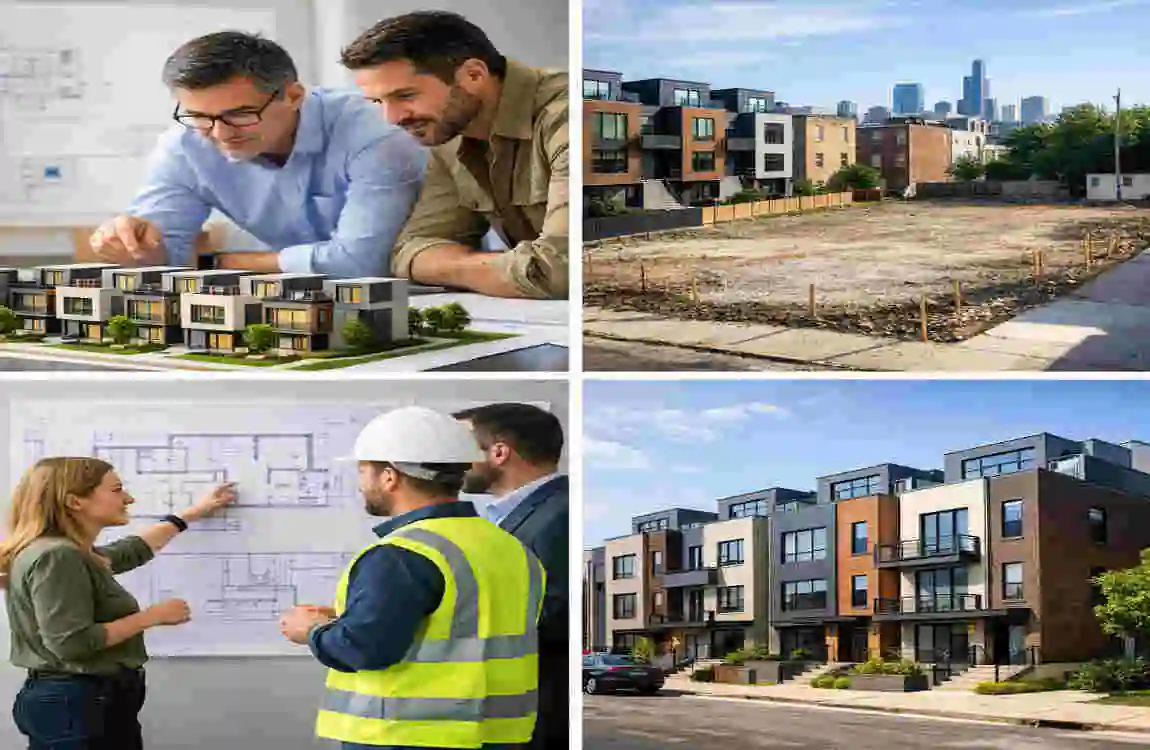
A strong project starts with the right design team. Architects who understand urban housing can help you solve spacing problems, meet code requirements, and create a home that feels both practical and beautiful. Their experience can save time and prevent expensive mistakes.
Understand Local Building Codes
Urban projects often involve zoning rules, setback requirements, height limits, parking standards, and fire safety rules. You need to know these early. If you ignore them, the design may need major changes later.
Focus on Lifestyle Needs
Think about how people will actually live in the home. Do they need a home office? Do they entertain often? Will the home support a family, a couple, or multiple generations? Good design should reflect real life, not just trends.
Prioritize Sustainability and Future Growth
Try to plan for the future from the beginning. Efficient systems, flexible rooms, and durable materials all help the home stay relevant for years. If possible, build in options that allow the home to adapt as needs change.
A Simple Planning Process
A good way to approach the project is to think in steps:
- Define the users and their lifestyle needs
- Review the site and local regulations
- Set a realistic budget
- Choose a layout that supports light, flow, and privacy
- Add sustainable and flexible features where possible
This process helps keep the project grounded and organized.
FAQ Section
What are modern row homes?
Modern row homes are attached residential properties that use contemporary architecture, efficient layouts, and urban-friendly design. They usually share side walls with neighboring homes and often include multiple floors.
Are modern row homes energy efficient?
Yes, they can be very energy efficient. Shared walls reduce heat loss, and features such as strong insulation, high-performance windows, and renewable energy systems can further improve performance.
How do modern row homes maximize small spaces?
They use open floor plans, vertical layouts, built-in storage, multifunctional furniture, and smart room placement. These features help the home feel larger and more usable.
Are modern row homes suitable for families?
Yes, many modern row homes work well for families. They can include multiple bedrooms, flexible living areas, private outdoor spaces, and storage solutions that support family life.
What is the average cost of building modern row homes?
Costs vary depending on location, materials, labor, and design complexity. In many urban areas, they are still more affordable to build than detached homes of similar quality.
| Design Element | Description |
|---|---|
| Space Optimization | Use open floor plans, built-in storage, and multifunctional furniture to maximize limited urban space. |
| Contemporary Architecture | Incorporate clean lines, minimalist facades, large windows, and simple geometric forms. |
| Natural Light | Install floor-to-ceiling windows, skylights, and glass doors to brighten interiors and reduce energy use. |
| Sustainable Features | Include energy-efficient appliances, solar panels, smart thermostats, and eco-friendly materials. |
| Flexible Layouts | Design adaptable rooms that can function as home offices, guest rooms, or recreational spaces. |
| Outdoor Living Areas | Add rooftop terraces, balconies, courtyards, or small gardens to expand usable living space. |
| Smart Home Technology | Integrate automated lighting, security systems, climate control, and voice-activated devices. |