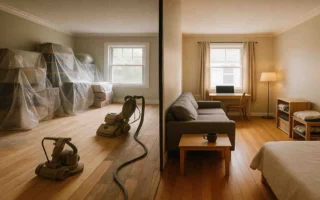
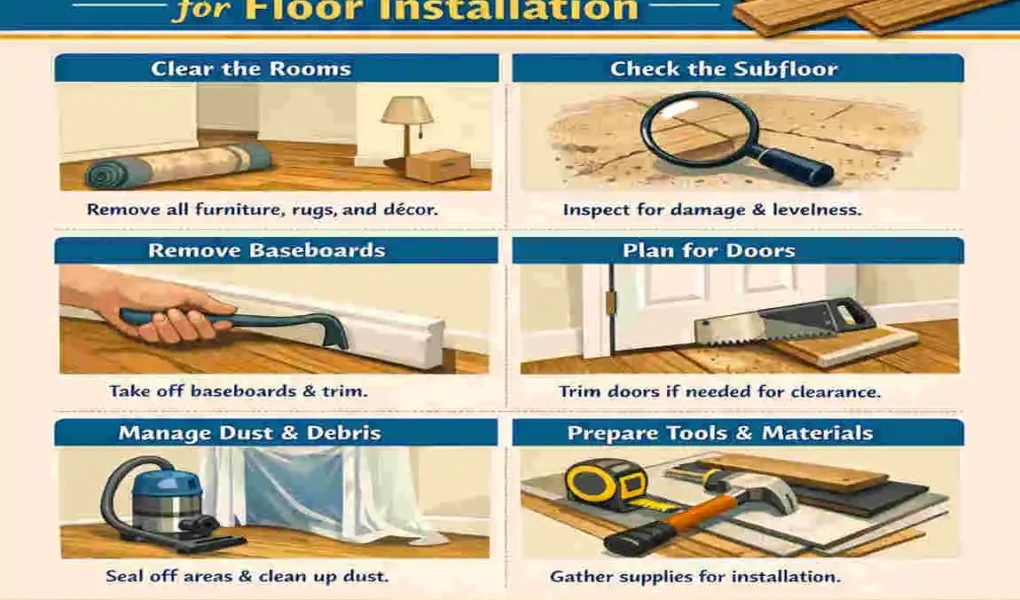
Installing new flooring is one of the easiest ways to give your home a fresh look. It can make a room feel cleaner, brighter, and more valuable. But before the new floor goes in, your home needs a little prep work.
If you prepare the space well, the installation can move faster, with fewer problems and less stress.
Why Preparing Your Home Matters

A little preparation makes a big difference. When the luxury room is ready, the installers can get to work right away. That helps everything go more smoothly.
Key benefits of preparation
- Saves time during installation
- Protects furniture and belongings
- Reduces dust and mess
- Helps avoid delays
- Supports a better final result
When your home is organized before the work begins, the whole project feels easier for everyone.
Steps to Ready Your Home for Floor Installation
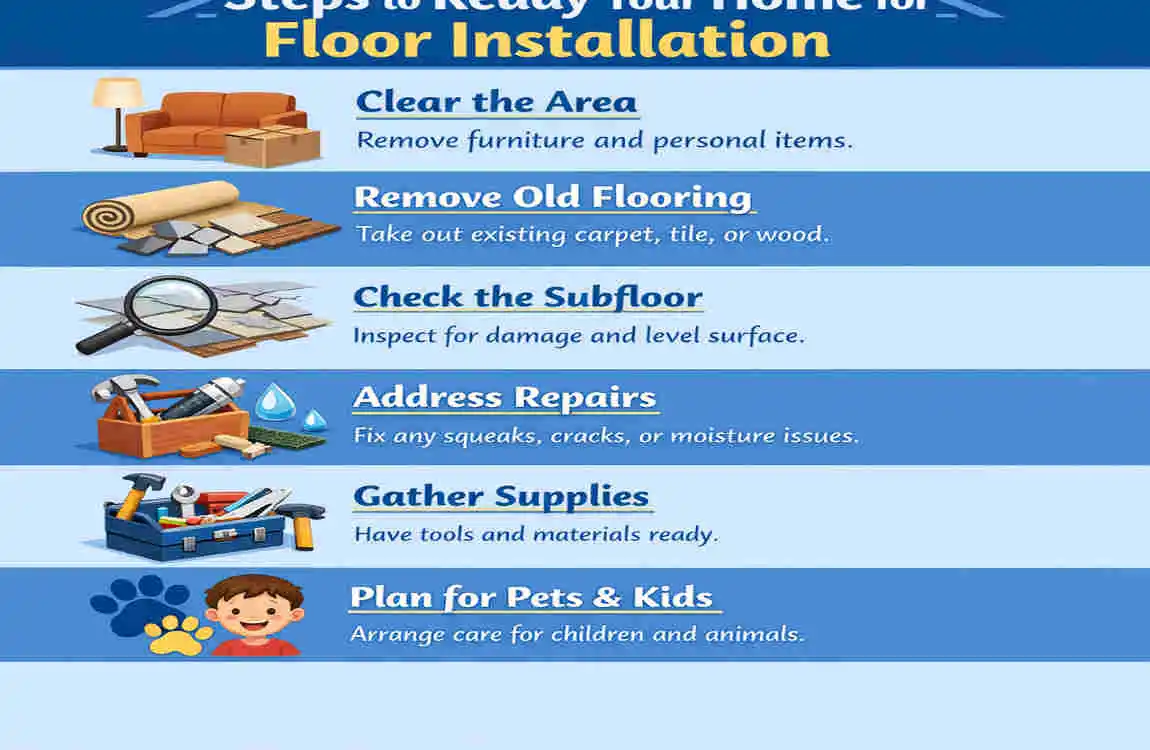
Remove Furniture
Start by clearing the room completely. Take out chairs, tables, rugs, and other movable items; if the new floor will go into closets, empty those spaces too.
This gives installers open space to work. It also reduces the risk of damage to your belongings.
Clean the Area
Sweep and vacuum the floor before installation day. Remove dust, dirt, pet hair, and small debris.
A clean room helps the installers begin right away. It also helps the new floor sit properly and look better after installation.
Remove Fragile Items
Take down mirrors, wall art, shelves, and other breakable items near the work area. Even small vibrations at work can cause them to fall.
It’s always better to move these items early than deal with damage later.
Protect Nearby Rooms
Floor work can create dust, especially during cutting or moving materials. Close the doors to nearby rooms if possible. You can also use plastic sheeting to help block dust.
This simple step keeps the rest of your home cleaner.
Make Arrangements for Pets and Children
Pets and children should stay away from the installation area. This is important for their safety and for the workers’ comfort.
A busy work zone can be noisy, crowded, and unsafe. It’s best to plan so they can stay in another room or with a friend or family member for the day.
Check the Subfloor
The subfloor is the layer under the new flooring. It should be dry, level, and in good condition.
If there are soft spots, water damage, or uneven areas, those problems should be fixed before installation starts. A good subfloor helps the new floor last longer and perform better.
Maintain Indoor Temperature
Some flooring types need time to adjust to your home’s temperature. This is especially true for hardwood and vinyl.
Try to keep your home at a steady temperature before and during installation. Most materials do best in a normal indoor range, usually around 60°F to 80°F (16°C to 27°C), but always follow the product guidelines.
Common Mistakes to Avoid
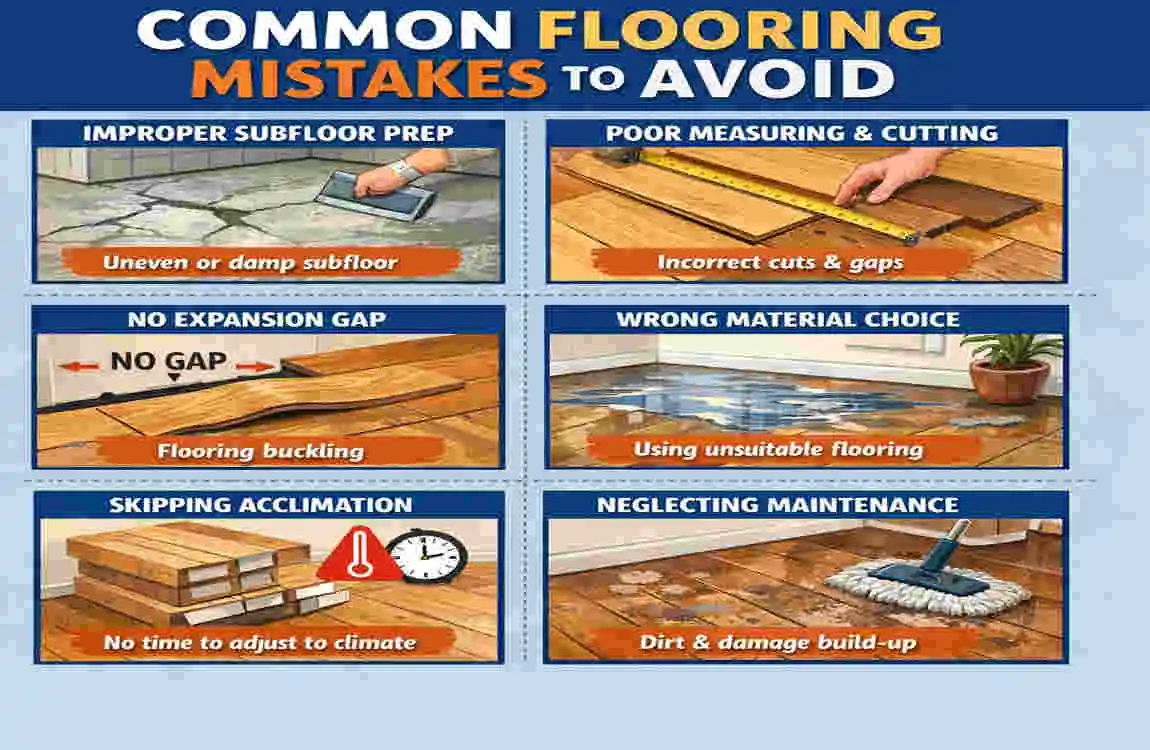
Even small mistakes can slow down the project. Try to avoid these common issues:
- Leaving heavy furniture in the room
- Forgetting to remove wall décor
- Skipping the cleaning step
- Ignoring damaged or uneven subfloors
- Letting pets or children enter the work area
If you handle these details in advance, the installation team can focus on the floor rather than dealing with avoidable problems.
Frequently Asked Questions
How long should I prepare before floor installation?
It’s best to prepare at least one day before the installers arrive. That gives you enough time to clear the room and handle any last-minute details.
Do installers move furniture?
Some companies do, but not all. It’s best to ask ahead of time so you know whether you need to move everything yourself.
Should I stay home during floor installation?
You can stay home, but it’s smart to keep away from the work area. That helps the installers work safely and without interruption.
What temperature should my home be during installation?
Most flooring materials do best in a stable indoor temperature between 60°F and 80°F (16°C to 27°C). Check the product instructions for the exact range.
Can flooring be installed over existing floors?
Sometimes, yes. It depends on the current floor and the type of new flooring. A professional installer can tell you if that option works in your home.
| Preparation Step | What to Do | Why It Matters |
|---|---|---|
| Clear the Room | Remove all furniture, rugs, and décor from the installation area. | Gives installers a safe and open workspace. |
| Empty Closets | Take out items from closets if flooring will continue inside them. | Ensures consistent flooring throughout the space. |
| Protect Valuables | Move fragile items, electronics, and artwork to a secure location. | Prevents accidental damage during installation. |
| Remove Breakables | Take down mirrors, wall decorations, and shelves if needed. | Reduces the risk of vibrations causing damage. |
| Clean the Floor | Sweep or vacuum the existing floor before installation. | Helps create a cleaner work environment. |
| Check the Subfloor | Repair uneven spots, moisture issues, or damaged areas. | Provides a stable base for the new flooring. |
| Secure Pets & Children | Keep pets and young children away from the work area. | Improves safety and minimizes interruptions. |
| Ensure Easy Access | Unlock entrances and clear pathways for installers. | Makes moving materials and tools easier. |
| Plan for Noise & Dust | Expect temporary noise and dust during the project. | Helps you prepare for a smoother installation day. |
| Allow Acclimation | Let flooring materials sit in the room if recommended by the manufacturer. | Helps prevent expansion or contraction after installation. |