
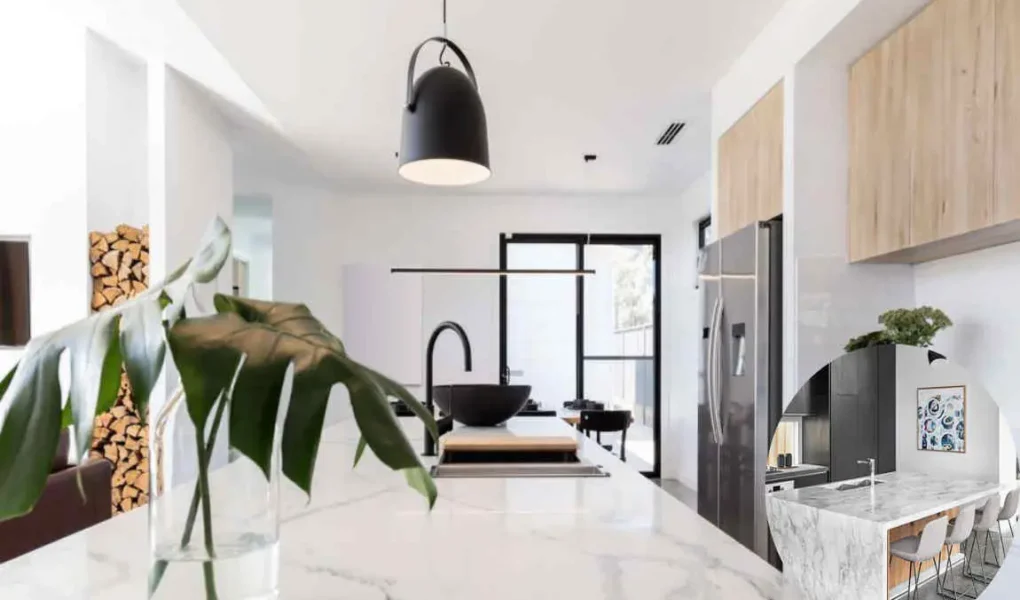
Kitchen benchtops are one of the most important features in any kitchen. They provide a strong surface for preparing meals, placing appliances, and completing everyday tasks. At the same time, they play a big role in the overall style and appearance of your kitchen.
Whether you are building a new home or renovating an old kitchen, choosing the right kitchen benchtops can make a noticeable difference. A quality benchtop adds beauty, improves functionality, and lasts for many years with proper care.
What Are Kitchen Benchtops?
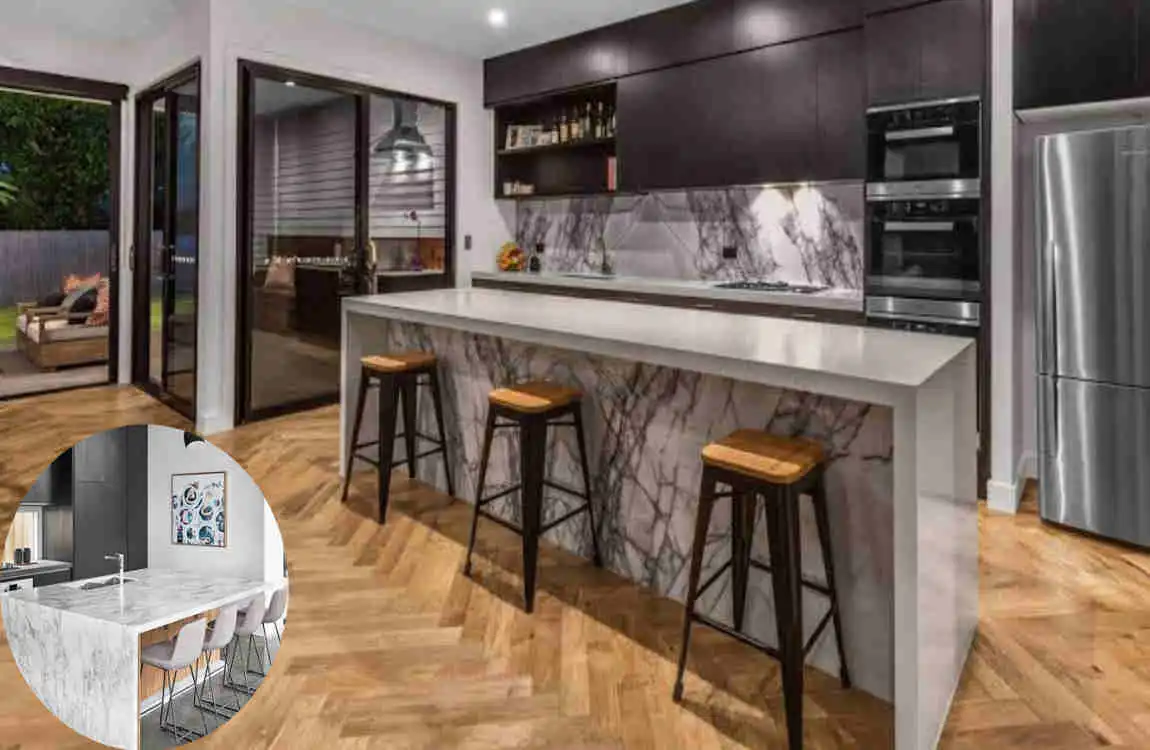
Definition of Kitchen Benchtops
Kitchen benchtops are the flat work surfaces installed on top of kitchen cabinets. They provide a durable area for food preparation, cooking, and serving meals.
Modern kitchen benchtops are available in many materials, colors, textures, and finishes, making it easy to match any kitchen design.
Common Uses
- Food preparation
- Cooking and baking
- Holding kitchen appliances
- Dining and serving meals
- Extra workspace
Why Kitchen Benchtops Matter
A good kitchen benchtop offers much more than a work surface. It improves the kitchen’s appearance while making daily cooking easier.
Some benefits include:
- Creates more usable workspace
- Enhances kitchen style
- Improves durability
- Makes cleaning easier
- Increases property value
Popular Types of Kitchen Benchtops
Quartz Benchtops
Quartz is one of the most popular materials because it combines beauty with durability.
Features
- Non-porous surface
- Scratch resistant
- Easy to clean
- Wide range of colors
Pros
- Low maintenance
- Long-lasting
- Modern appearance
Cons
- Higher cost than laminate
- Heavy material
Granite Benchtops
Granite is a natural stone known for its strength and unique patterns.
Benefits
- Excellent durability
- Heat resistant
- Luxury appearance
Maintenance
Granite should be sealed occasionally to prevent stains and keep it looking beautiful.
Marble Benchtops
Marble creates an elegant and timeless kitchen.
Advantages
- Beautiful natural patterns
- Premium appearance
- Adds value to the home
Care Requirements
Marble is softer than granite and quartz, so it requires regular sealing and careful cleaning.
Laminate Benchtops
Laminate remains one of the most affordable options.
Benefits
- Budget-friendly
- Lightweight
- Available in many designs
- Easy installation
Drawbacks
- Less heat resistant
- Can scratch more easily
Timber Benchtops
Timber adds warmth and natural beauty.
Advantages
- Unique wood grain
- Easy to repair
- Perfect for rustic kitchens
Maintenance
Timber should be oiled regularly to protect it from moisture.
Concrete and Stainless Steel Benchtops
These materials suit modern and industrial kitchens.
Concrete
- Strong
- Stylish
- Custom-made designs
Stainless Steel
- Hygienic
- Heat resistant
- Popular in professional kitchens
How to Choose the Right Kitchen Benchtops
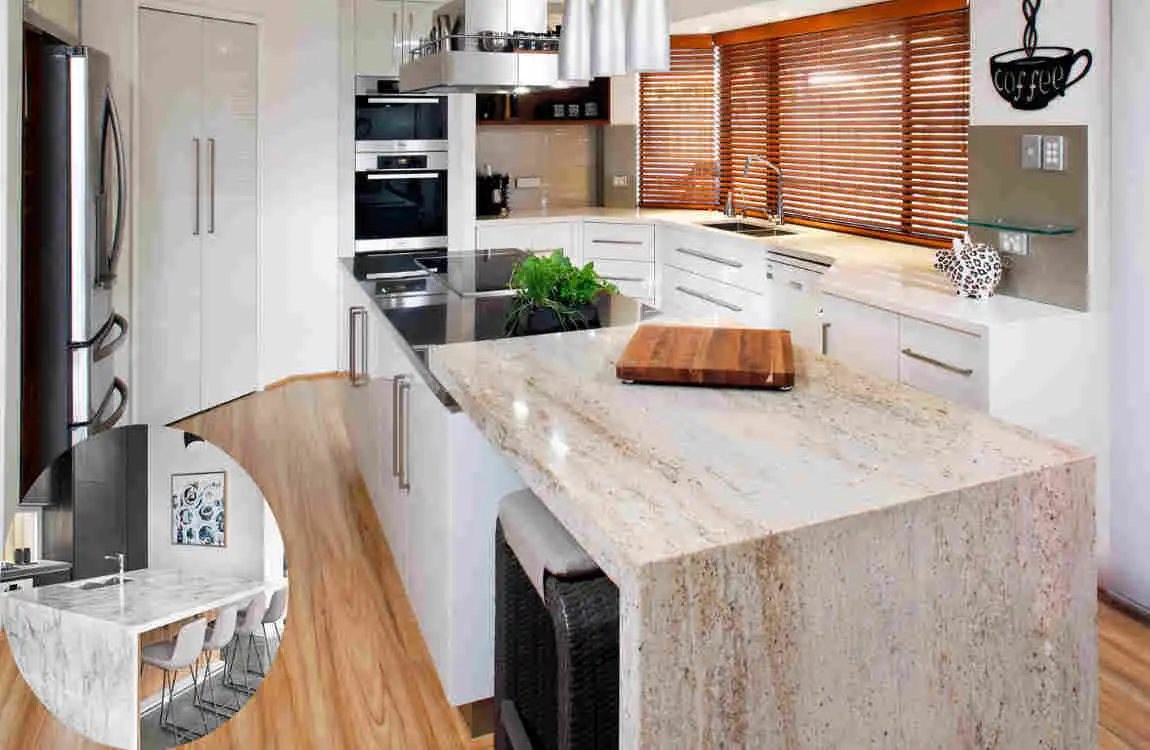
Consider Your Budget
Set a realistic budget before shopping.
Generally:
- Laminate = Most affordable
- Timber = Mid-range
- Quartz = Mid to high
- Granite = Premium
- Marble = Luxury
Match Your Kitchen Style
Choose a benchtop that complements your cabinets, flooring, and splashback.
For example:
- Modern kitchens → Quartz
- Rustic kitchens → Timber
- Luxury kitchens → Marble
- Industrial kitchens → Concrete
Durability and Maintenance
Think about how often you cook.
If your kitchen is used every day, choose a material that is durable and easy to maintain.
Quartz is an excellent option for busy households.
Heat and Scratch Resistance
Always consider resistance to:
- Hot cookware
- Knives
- Heavy appliances
- Daily wear
Natural stone generally handles heat better than laminate.
Color and Finish Options
Popular finishes include:
- Matte
- Polished
- Honed
- Textured
Neutral colors remain popular because they match almost every kitchen style.
Latest Kitchen Benchtop Design Trends
Neutral Colors
White, beige, grey, and soft earth tones continue to dominate modern kitchens because they create a bright and timeless appearance.
Waterfall Edges
Waterfall benchtops extend down the sides of cabinets, creating a seamless and luxurious finish.
Matte Finishes
Matte surfaces reduce fingerprints and provide a soft, modern appearance.
Sustainable Materials
Many homeowners now choose eco-friendly materials made from recycled or renewable resources.
Thick Benchtop Designs
Thicker benchtops create a bold statement and make the kitchen feel more premium.
Kitchen Benchtop Maintenance Tips
Daily Cleaning
Clean surfaces every day using:
- Warm water
- Mild soap
- Soft cloth
Avoid harsh chemicals that may damage the finish.
Preventing Stains
Wipe spills immediately, especially:
- Coffee
- Wine
- Oil
- Lemon juice
Quick cleaning helps prevent permanent stains.
Avoiding Scratches
Protect your benchtops by:
- Using cutting boards
- Avoiding dragging heavy objects
- Keeping sharp tools off the surface
Long-Term Care
Maintain your benchtops by:
- Resealing natural stone when needed
- Oiling timber surfaces regularly
- Following the manufacturer’s care instructions
Common Mistakes to Avoid
Many homeowners make simple mistakes when selecting kitchen benchtops.
Avoid these common problems:
- Choosing appearance over durability
- Ignoring maintenance requirements
- Selecting the wrong thickness
- Not matching the benchtop with cabinets
- Forgetting installation costs
Careful planning helps you avoid expensive repairs later.
Benefits of Investing in Quality Kitchen Benchtops
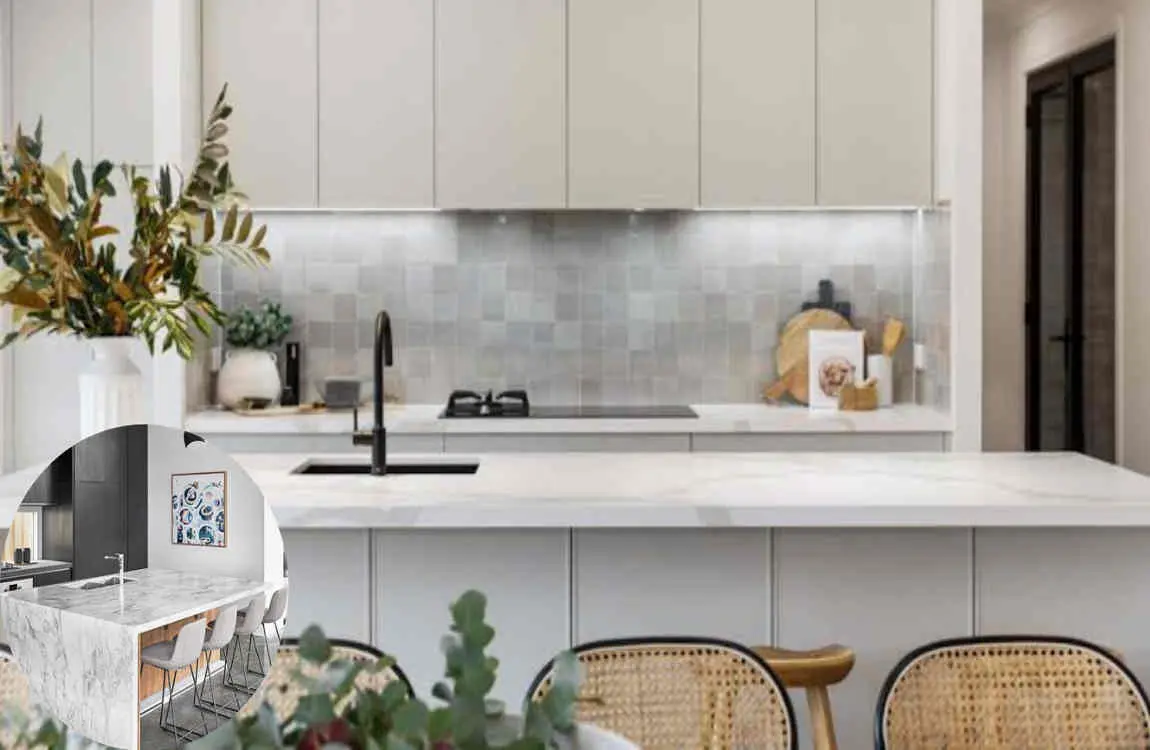
Choosing quality kitchen benchtops offers many long-term advantages.
Better Appearance
A stylish benchtop becomes the centerpiece of your kitchen.
Higher Home Value
Quality materials often increase resale value.
Long Lifespan
Premium materials can last decades with proper care.
Easy Maintenance
Modern surfaces require very little daily maintenance.
Improved Cooking Experience
A durable workspace makes cooking safer, easier, and more enjoyable.
Frequently Asked Questions (FAQs)
What is the best material for kitchen benchtops?
Quartz is one of the best options because it is durable, attractive, and requires very little maintenance.
Which kitchen benchtops are the most affordable?
Laminate kitchen benchtops are usually the most budget-friendly choice while still offering many attractive designs.
Are quartz kitchen benchtops better than granite?
Quartz is easier to maintain, while granite offers the beauty of natural stone and excellent heat resistance. The better choice depends on your preferences.
How long do kitchen benchtops last?
High-quality kitchen benchtops typically last between 20 and 50 years, depending on the material and how well they are maintained.
How do I keep kitchen benchtops looking new?
Clean them daily with mild soap and water, wipe up spills quickly, use cutting boards, and avoid placing hot pans directly on the surface. Proper care will help your benchtops stay attractive for many years.
| Benchtop Material | Appearance | Durability | Maintenance | Best For |
|---|---|---|---|---|
| Quartz | Modern, sleek, wide color range | Excellent | Low | Busy family kitchens |
| Granite | Natural stone with unique patterns | Excellent | Moderate (needs sealing) | Luxury and high-end kitchens |
| Marble | Elegant, timeless veining | Good | High | Premium, decorative kitchens |
| Laminate | Available in many colors and designs | Moderate | Low | Budget-friendly renovations |
| Solid Surface | Seamless, contemporary finish | Good | Low | Minimalist kitchen designs |
| Timber | Warm, natural look | Good | Moderate (requires oiling) | Rustic and farmhouse kitchens |
| Concrete | Industrial, custom-made style | Very Good | Moderate (needs sealing) | Modern industrial homes |
| Porcelain | Ultra-modern, thin profile | Excellent | Very Low | Heat- and stain-resistant kitchens |