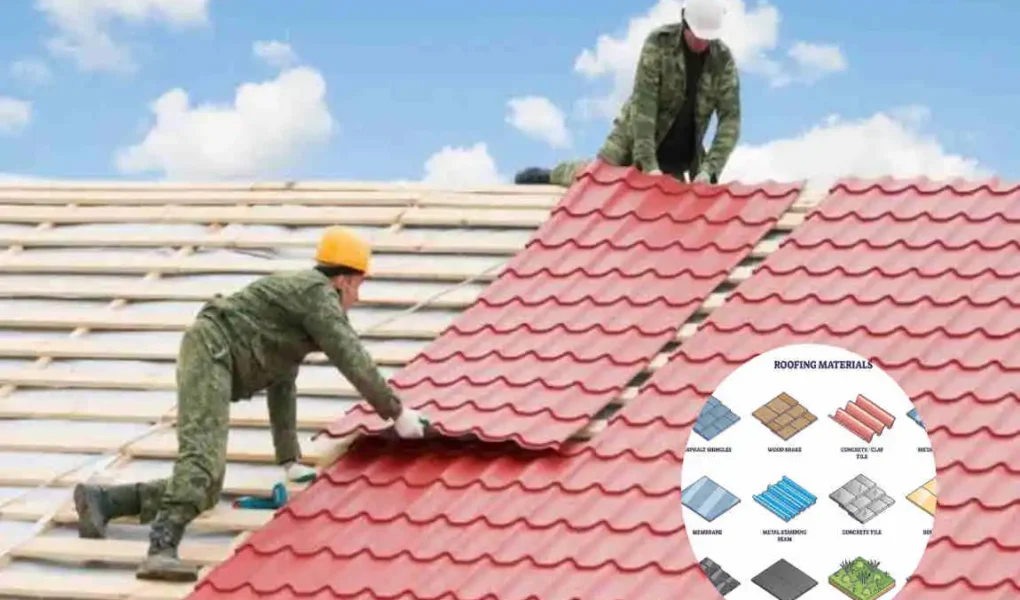
Choosing the right home roofing materials is one of the most important decisions for any homeowner. Your roof protects your home from rain, wind, heat, and snow while improving its appearance and value. The right material can also lower maintenance costs and improve energy efficiency.
Today, homeowners can choose from many roofing options, including asphalt shingles, metal roofing, clay tiles, slate, wood shakes, and synthetic materials. Each option has different benefits, costs, and lifespans.
Why Choosing the Right Home Roofing Materials Matters
Protects Your Home from Weather
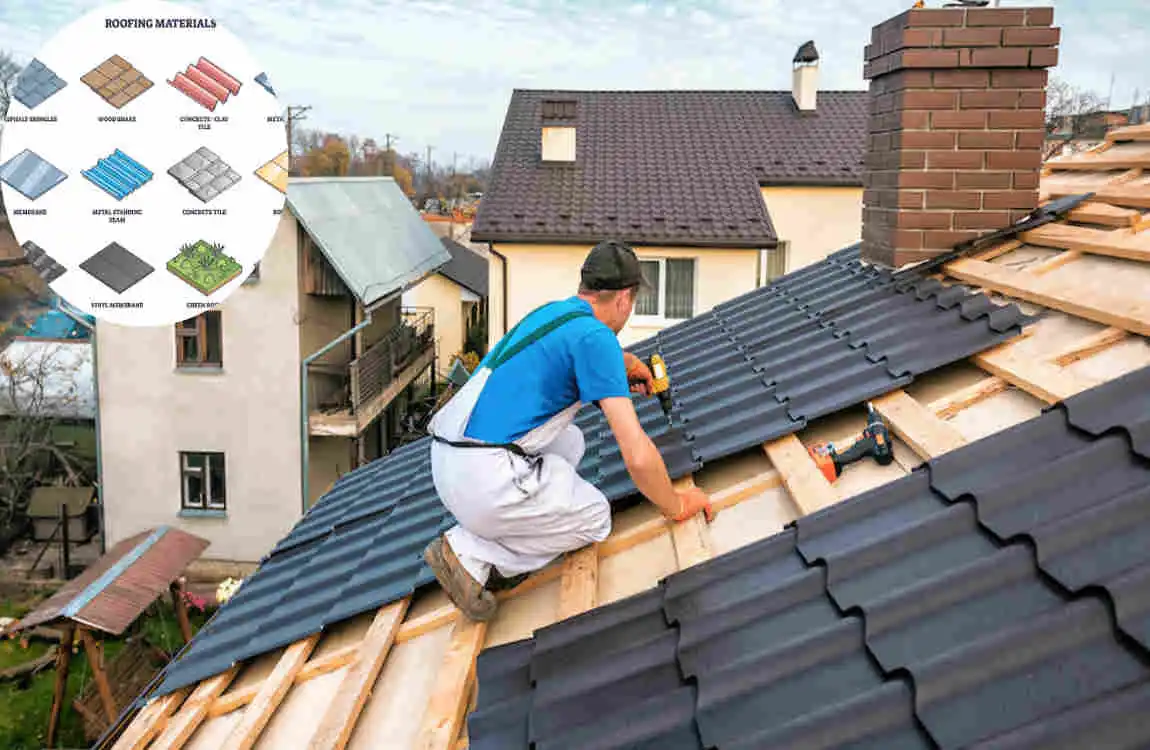
A strong roof shields your home from harsh weather. Quality roofing materials prevent leaks, moisture damage, and wind-related problems.
Improves Energy Efficiency
Some roofing materials reflect sunlight and reduce heat absorption, helping your home stay cooler during summer and lowering energy bills.
Increases Property Value
A durable and attractive roof boosts curb appeal and can increase your home’s resale value.
Reduces Long-Term Maintenance Costs
Choosing high-quality home roofing materials means fewer repairs and a longer-lasting roof.
Types of Home Roofing Materials
Asphalt Shingles
Asphalt shingles are the most common roofing material because they are affordable and easy to install.
Pros
- Budget-friendly
- Easy replacement
- Available in many colors
Cons
- Shorter lifespan
- Can be damaged by strong winds
Best For: Budget-friendly homes
Metal Roofing
Metal roofs are known for durability and energy efficiency.
Advantages
- Lasts 40–70 years
- Fire resistant
- Low maintenance
Cost: Medium to high
Clay Tiles
Clay tiles provide a classic appearance and excellent durability.
Benefits
- Long lifespan
- Excellent heat resistance
Drawbacks
- Heavy
- Higher installation cost
Best For: Warm climates
Concrete Tiles
Concrete tiles offer strength at a lower cost than clay.
Benefits
- Durable
- Weather resistant
Maintenance
Requires occasional inspection for cracks.
Slate Roofing
Slate offers one of the longest lifespans of any roofing material.
Advantages
- Luxury appearance
- Can last over 100 years
- Highly durable
Drawback
Very expensive and heavy.
Wood Shingles and Shakes
Wood roofing creates a natural and rustic look.
Pros
- Attractive appearance
- Good insulation
Cons
- Requires regular maintenance
- Vulnerable to moisture if not treated
Synthetic Roofing Materials
Synthetic roofing includes composite, rubber, and polymer shingles.
These materials are lightweight, durable, and designed to resemble natural roofing products while requiring less maintenance.
Factors to Consider Before Choosing Roofing Materials
Budget
Set a realistic budget that includes installation and future maintenance.
Local Climate
Choose roofing materials that perform well in your area’s weather conditions.
Roof Slope
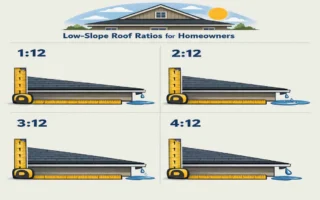
Some roofing materials work better on steep roofs, while others are suitable for low-slope designs.
Home Design
Select a roofing style that complements your home’s architecture.
Maintenance Requirements
If you prefer minimal upkeep, choose metal, slate, or synthetic roofing.
Energy Efficiency
Reflective roofing materials can reduce cooling costs.
Local Building Codes
Always ensure your selected roofing material meets local construction regulations.
Which Roofing Material Lasts the Longest?
Lifespan Comparison
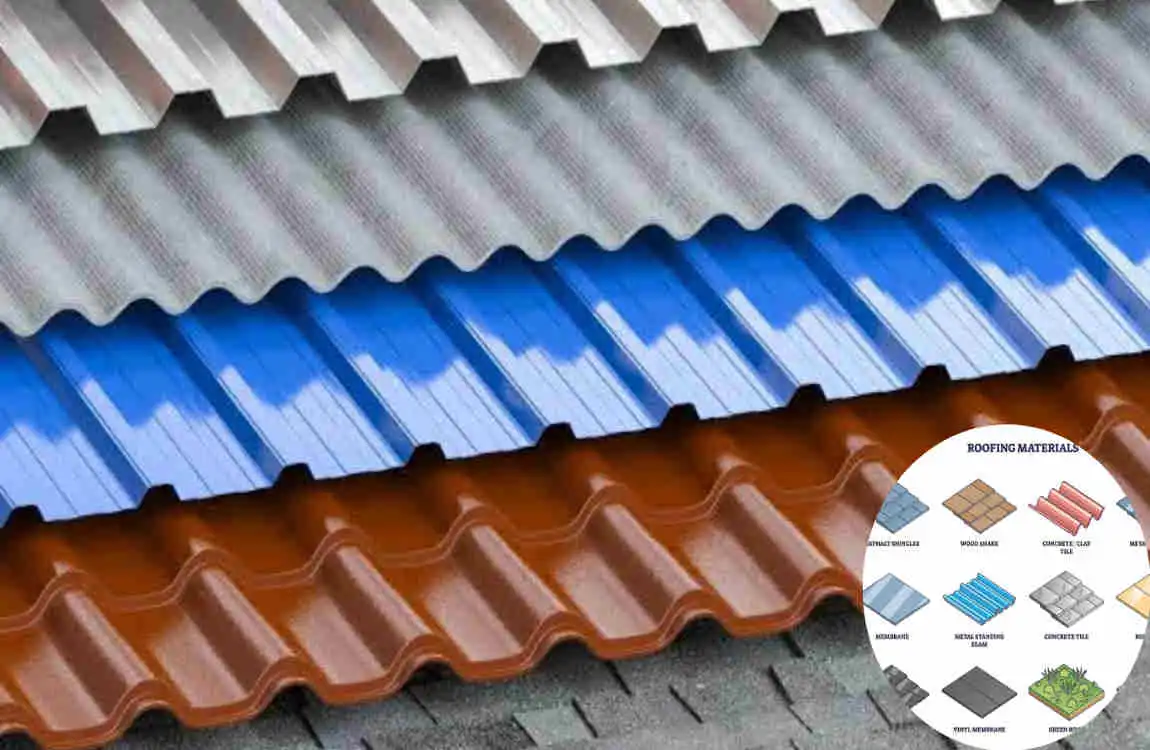
Slate roofing offers the longest lifespan, often lasting over 100 years. Clay tiles also provide excellent durability, while metal roofs commonly last several decades.
Maintenance Tips
- Clean gutters regularly.
- Remove leaves and debris.
- Replace damaged shingles quickly.
- Schedule roof inspections every year.
- Fix small leaks before they become major problems.
Best Home Roofing Materials for Different Climates
Hot Climates
Clay tiles and metal roofing perform well by reflecting heat.
Cold and Snowy Areas
Metal roofing allows snow to slide off easily, reducing roof stress.
Coastal Regions
Aluminum and other corrosion-resistant metal roofs work best in salty environments.
Areas with Heavy Rain
Asphalt shingles and metal roofing provide reliable water protection when installed correctly.
Common Roofing Mistakes to Avoid
Many homeowners make costly roofing mistakes. Avoid these common problems:
- Choosing roofing based only on price
- Ignoring proper attic ventilation
- Hiring inexperienced contractors
- Skipping regular roof inspections
- Using low-quality roofing materials
Tips to Maintain Your Roof
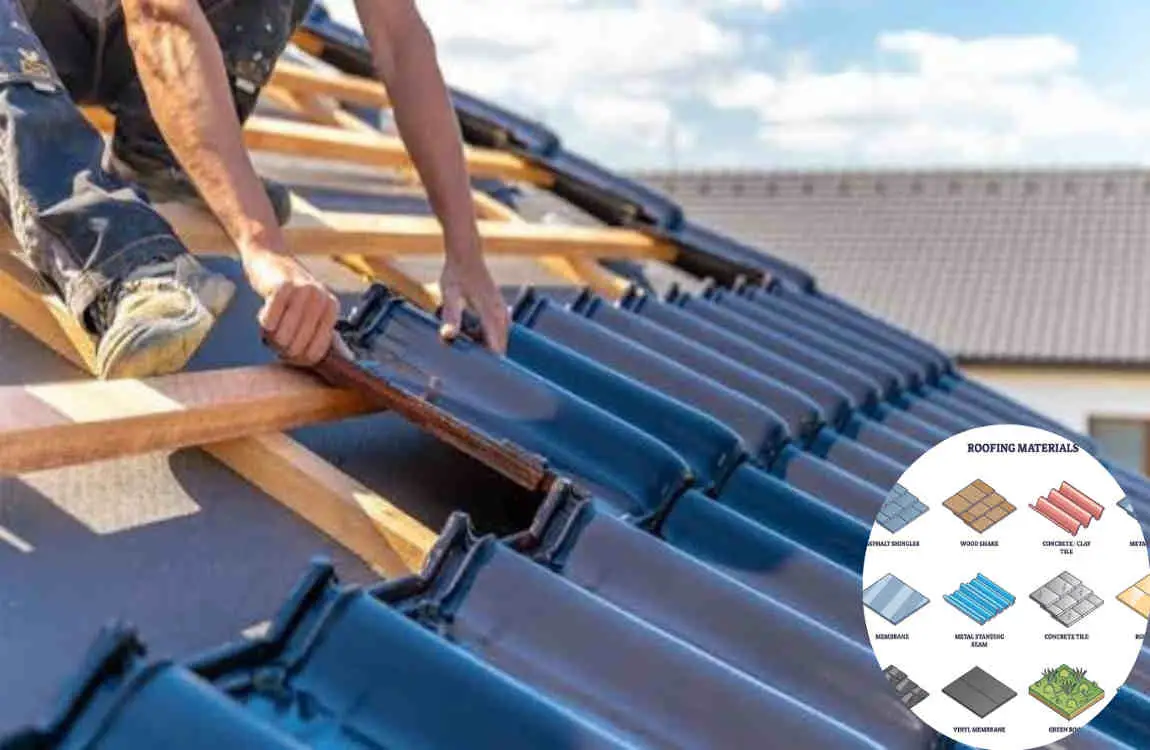
Proper maintenance helps extend the life of your roof.
- Clean gutters several times each year.
- Remove branches and leaves.
- Inspect your roof after storms.
- Replace damaged shingles immediately.
- Schedule professional inspections when needed.
Frequently Asked Questions
What are the most popular home roofing materials?
Asphalt shingles, metal roofing, clay tiles, concrete tiles, slate, wood shakes, and synthetic roofing are the most popular choices.
Which roofing material lasts the longest?
Slate roofing usually lasts between 75 and 150 years with proper maintenance.
What is the most affordable roofing option?
Asphalt shingles are generally the most affordable roofing material.
Which roofing material is best for hot climates?
Clay tiles and metal roofing are excellent choices because they resist heat and improve energy efficiency.
Is metal roofing better than asphalt shingles?
Metal roofing lasts longer and requires less maintenance, while asphalt shingles cost less upfront.
How often should a roof be replaced?
Most roofs need replacement every 20 to 50 years, depending on the material and maintenance.
| Roofing Material | Best For | Average Lifespan | Key Benefits |
|---|---|---|---|
| Asphalt Shingles | Budget-friendly homes | 20–30 years | Affordable, easy to install, widely available |
| Metal Roofing | Energy-efficient homes | 40–70 years | Durable, fire-resistant, low maintenance |
| Clay Tiles | Warm climates | 50–100 years | Long-lasting, excellent heat resistance |
| Concrete Tiles | Modern and traditional homes | 50+ years | Strong, weather-resistant, low upkeep |
| Slate Roofing | Luxury homes | 75–150 years | Premium appearance, extremely durable |
| Wood Shingles/Shakes | Rustic-style homes | 25–40 years | Natural look, good insulation |
| Synthetic Roofing | Versatile residential homes | 30–50 years | Lightweight, durable, mimics natural materials |