When building or replacing a roof, choosing the correct rafter size is one of the most important decisions. Many homeowners and DIY builders ask, how far can you span a 2×6 for a roof without risking sagging or structural problems.
A roof span is not determined by lumber size alone. It also depends on the type of wood, lumber grade, roof pitch, rafter spacing, and the weight the roof must support. Snow, wind, and roofing materials all play a role.
Understanding these factors helps you build a stronger, safer, and longer-lasting roof.
What Does Roof Span Mean?
Definition of Roof Span
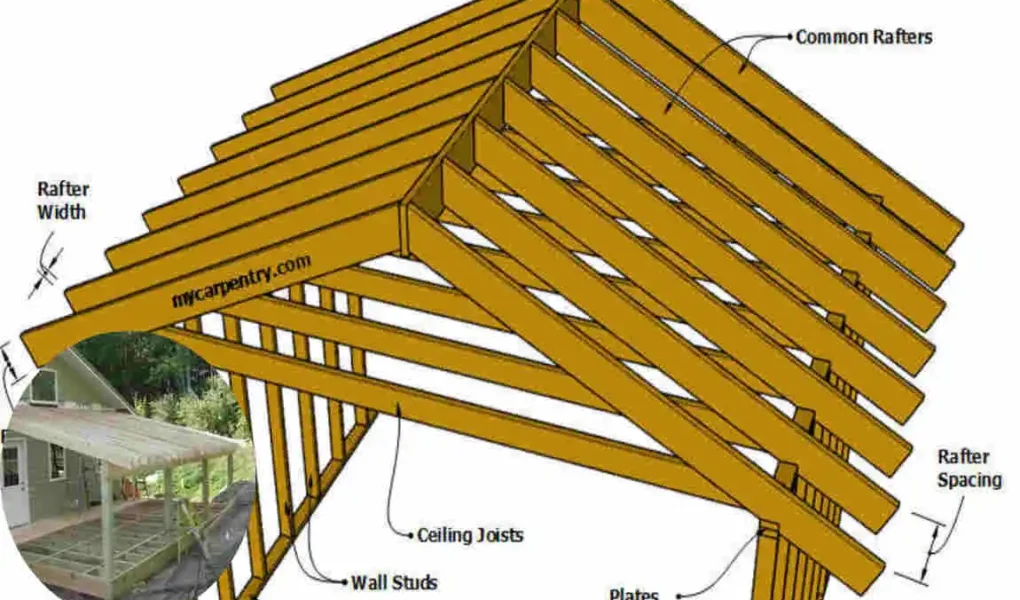
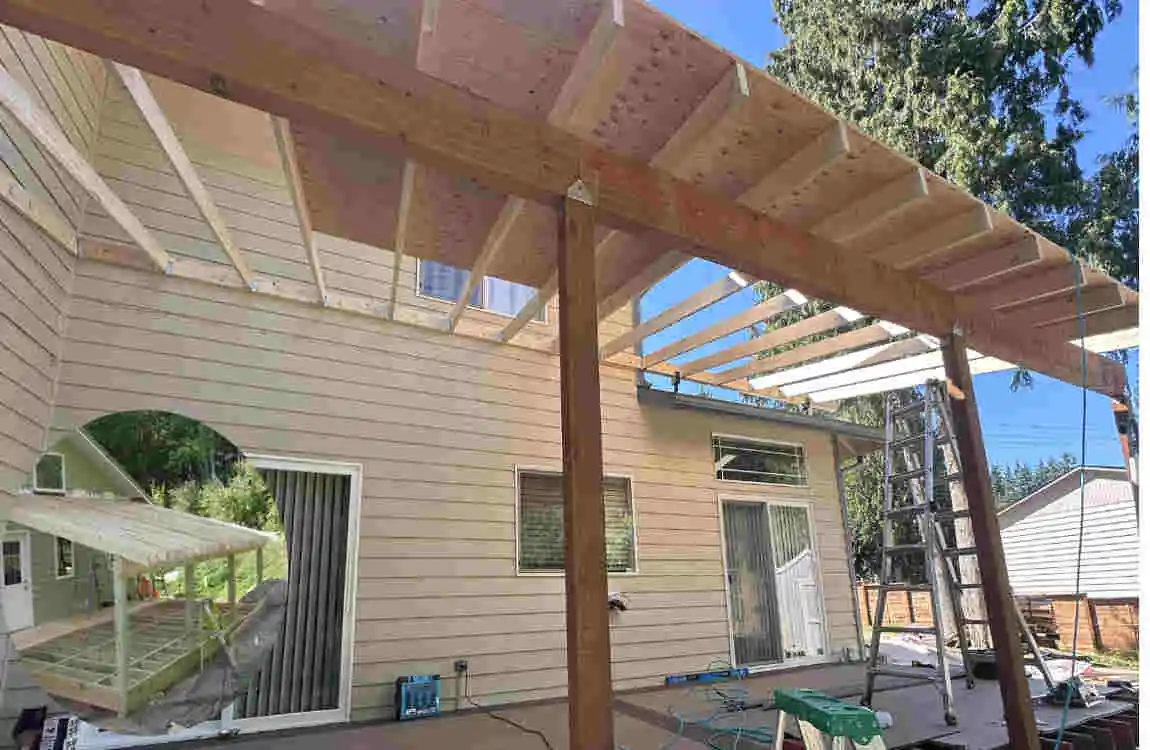
A roof span is the horizontal distance that a roof rafter covers between two supporting points. The longer the span, the more strength the rafter needs.
Why Roof Span Matters
Choosing the correct span helps:
- Prevent roof sagging
- Improve structural safety
- Increase roof lifespan
- Meet local building requirements
How Far Can You Span a 2×6 for a Roof?
Typical Maximum Span
The answer to how far can you span a 2×6 for a roof depends on several conditions. In many residential projects, a 2×6 rafter commonly spans about 9 to 14 feet, depending on wood species, spacing, and roof loads.
Small garages, sheds, porches, and cabins often use 2×6 rafters when the span falls within approved limits.
General 2×6 Roof Span Chart
Roof Condition Approximate Span
Light roof load 12–14 feet
Moderate roof load 10–12 feet
Heavy snow load 8–10 feet
Note: Always verify exact span requirements using local building codes.
Factors That Affect a 2×6 Roof Span
Wood Species
Some wood types are naturally stronger than others. Douglas Fir and Southern Pine generally support longer spans than weaker species.
Lumber Grade
Higher-grade lumber contains fewer knots and defects, making it stronger and more reliable.
Roof Pitch
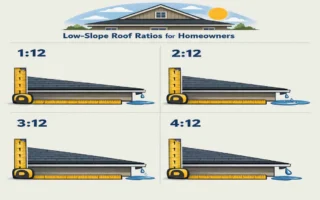
Steeper roofs often distribute loads differently than flatter roofs, which may affect allowable span.
Snow Load
Areas with heavy snowfall require shorter spans because rafters must support extra weight.
Wind Load
Strong winds place additional stress on roof framing, especially in storm-prone regions.
Rafter Spacing
Rafters spaced 16 inches on center usually carry more weight than rafters spaced 24 inches apart.
Dead Load vs. Live Load
- Dead Load: Permanent weight such as shingles and roof decking.
- Live Load: Temporary weight like snow, workers, or maintenance equipment.
Standard 2×6 Roof Span According to Building Codes
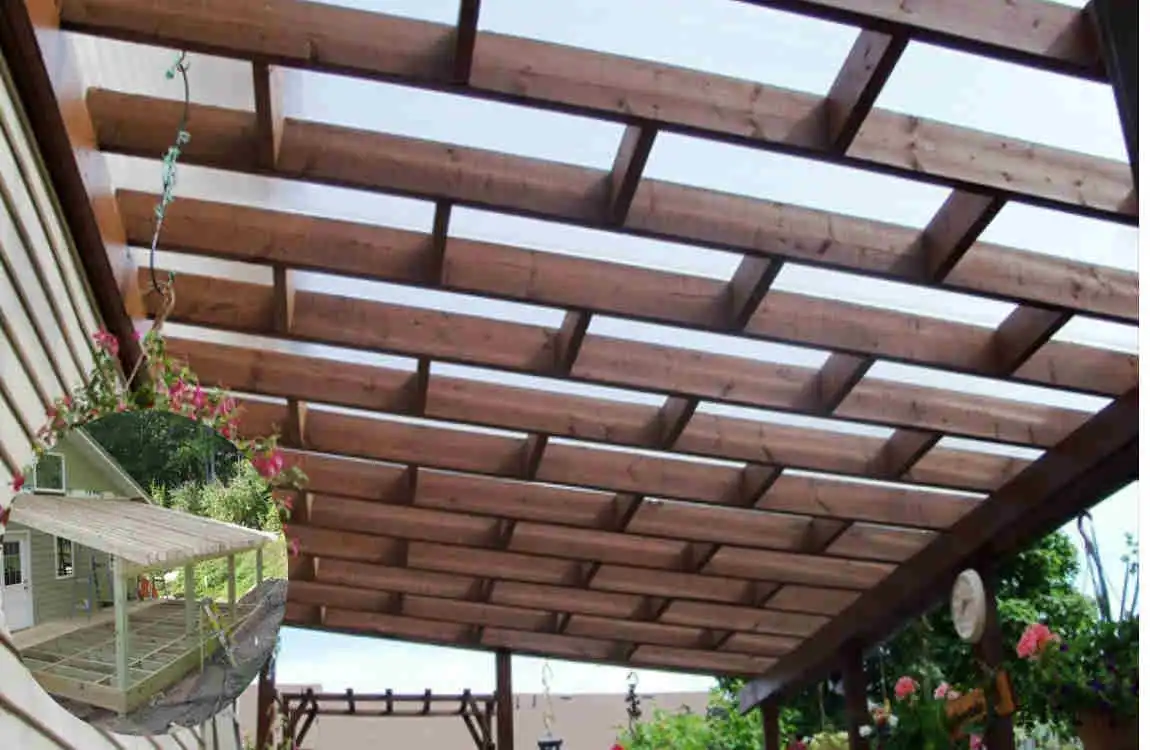
Residential Building Code Basics
Building codes provide span tables that show the maximum safe distance for different lumber sizes under various conditions.
Why Local Codes Matter
Local weather conditions vary greatly. Areas with heavy snow or strong winds often require shorter spans or larger rafters.
Importance of Span Tables
Span tables help builders choose safe lumber sizes while meeting structural requirements.
Common Uses for 2×6 Roof Rafters
Garages
Many detached garages use 2×6 rafters for moderate roof spans.
Sheds
Storage sheds and workshops commonly use 2×6 framing because of their smaller roof size.
Small Cabins
Compact cabins often rely on 2×6 rafters when designed within code limits.
Porches
Covered patios and porch roofs are another common application.
When a 2×6 Is Not Strong Enough
Large Roof Spans
Long roof spans usually require larger rafters to prevent bending.
Heavy Roofing Materials
Concrete tiles, slate, and other heavy materials place much greater loads on rafters.
High Snow Regions
Snow accumulation significantly increases roof weight, making larger framing members necessary.
Alternatives to 2×6 Roof Rafters
2×8 Rafters
Provide greater strength and allow longer spans.
2×10 Rafters
Suitable for larger homes and heavier roof loads.
Engineered Lumber
Engineered wood products offer excellent strength and consistency for demanding projects.
Tips for Building a Safe Roof
Follow these best practices:
- Follow local building codes.
- Use high-quality lumber.
- Check lumber grade before installation.
- Consider wind and snow loads.
- Consult a structural engineer for large projects.
Common Mistakes to Avoid
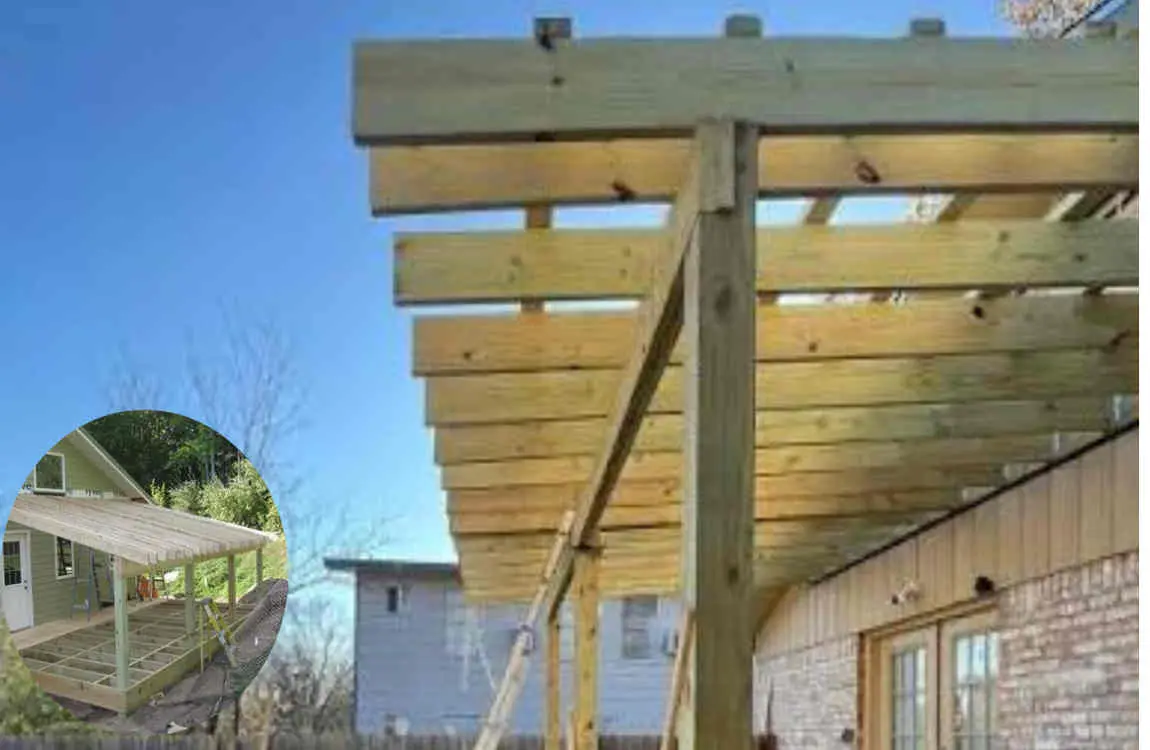
Avoid these common errors:
- Guessing the maximum span.
- Ignoring roof loads.
- Using low-grade lumber.
- Incorrect rafter spacing.
- Skipping building code requirements.
Frequently Asked Questions FAQ
How far can you span a 2×6 for a roof?
Typically 9 to 14 feet, depending on wood type, spacing, roof load, and local building codes.
Can a 2×6 support a heavy roof?
Generally, no. Heavy roofing materials often require larger rafters like 2×8 or 2×10.
Is a 2×6 strong enough for garage roof rafters?
Yes, for many small garages with approved spans and proper design.
What spacing should 2×6 roof rafters have?
The most common spacing is 16 inches or 24 inches on center, depending on the design.
Does roof pitch affect the maximum span?
Yes. Roof pitch influences how loads are distributed and may affect allowable spans.
Can I increase the span of a 2×6 roof rafter?
In some cases, adding supports or using engineered solutions can increase effective span, but this should follow building codes.
| Topic | Explanation |
|---|---|
| What Is a 2×6 Roof Span? | The horizontal distance a 2×6 roof rafter can safely span between supports without excessive bending. |
| Typical Safe Span | Most 2×6 rafters safely span 10–14 feet, depending on wood species, grade, spacing, roof slope, and snow load. |
| Common Rafter Spacing | Usually 16 inches or 24 inches on center (O.C.). Closer spacing allows better load distribution. |
| Factors That Affect Span | Wood type, lumber grade, roof pitch, live and dead loads, local climate, and building codes. |
| Best Uses | Garages, sheds, porches, small homes, and light residential roofs. |
| When 2×6 Is Not Enough | Long spans, heavy roofing materials, or high snow/wind areas may require 2×8, 2×10, or engineered lumber. |
| Building Code | Always follow your local building code or span tables, as permitted spans vary by location and structural requirements. |
| Safety Tip | Never exceed the recommended span without engineering approval, as it can lead to roof sagging or structural failure. |