
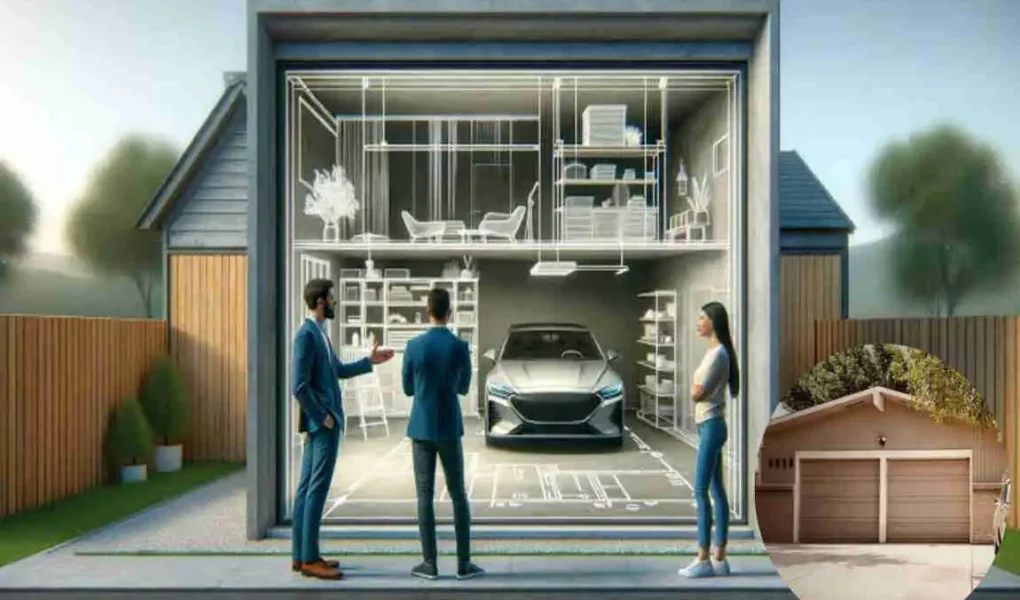
Many homeowners ask whether a garage counts as square footage because home size plays a major role in property value, resale price, taxes, and appraisals. Whether you’re buying, selling, or remodeling a house, understanding how square footage is calculated can help you make informed decisions.
In most cases, a garage does not count as square footage because it is not considered finished living space. However, there are a few exceptions, especially when a garage has been legally converted into a livable room.
What Is Considered Home Square Footage?
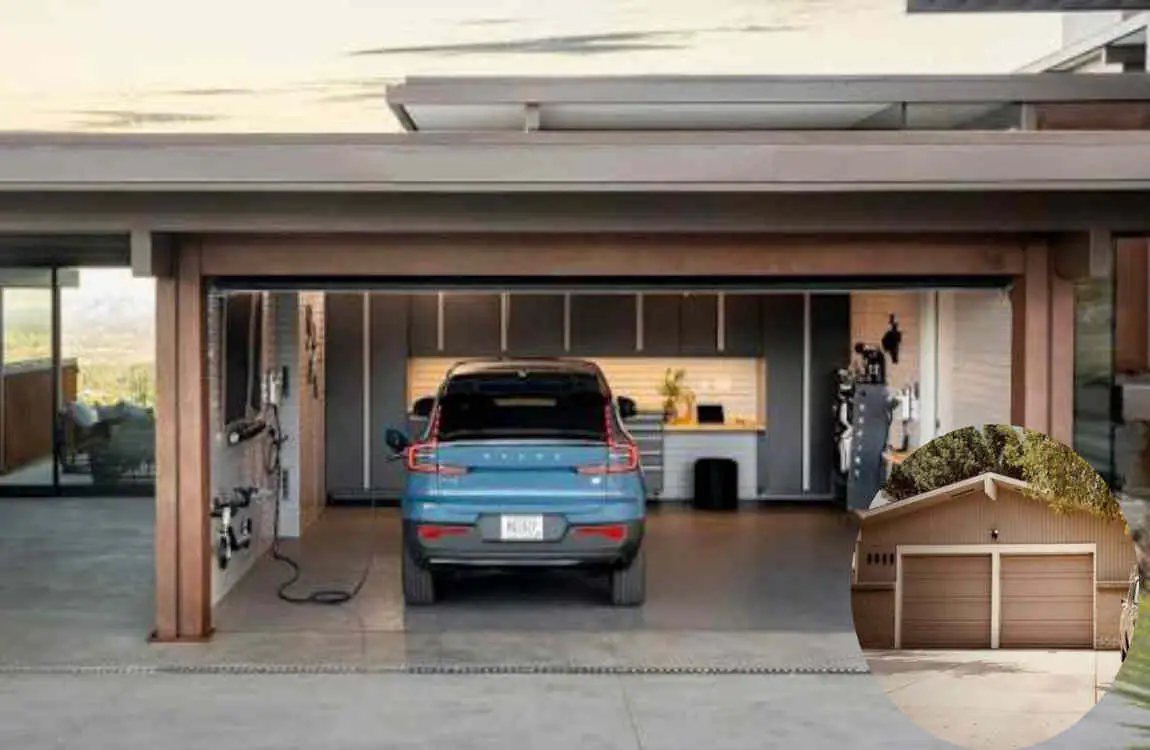
Definition of Finished Living Space
Finished living space includes areas that are designed for everyday living. These spaces usually have:
- Permanent flooring
- Finished walls and ceilings
- Heating and cooling
- Electrical wiring
- Safe access from inside the home
Rooms like bedrooms, living rooms, kitchens, and bathrooms are included in the home’s square footage.
Garages, unfinished basements, and storage rooms generally are not included.
How Square Footage Is Measured
Home square footage is usually measured from the finished interior living areas. Professionals follow accepted real estate measurement standards to ensure consistency.
Only finished, livable areas are added to the total square footage.
Does a Garage Count as Square Footage?
The Simple Answer
The answer is no in most situations.
Whether the garage is attached or detached, it normally does not count as square footage because it is not considered finished living space.
Why Garages Are Excluded
Garages are excluded because they:
- Are mainly built for parking vehicles.
- Often lack heating and cooling.
- Do not meet the same construction standards as living areas.
- Are not intended for everyday living.
Even a clean and painted garage usually isn’t counted.
When Can a Garage Count as Square Footage?
Converted Garage
A garage may count if it has been legally converted into living space.
Typically, it should include:
- Finished walls and ceiling
- Heating and air conditioning
- Proper flooring
- Insulation
- Electrical and plumbing (if needed)
Most importantly, it must meet local building requirements.
Permit Requirements
Before converting a garage, obtain the required permits.
A permitted conversion is more likely to qualify as legal living space and may improve resale value.
Attached Garage vs. Detached Garage
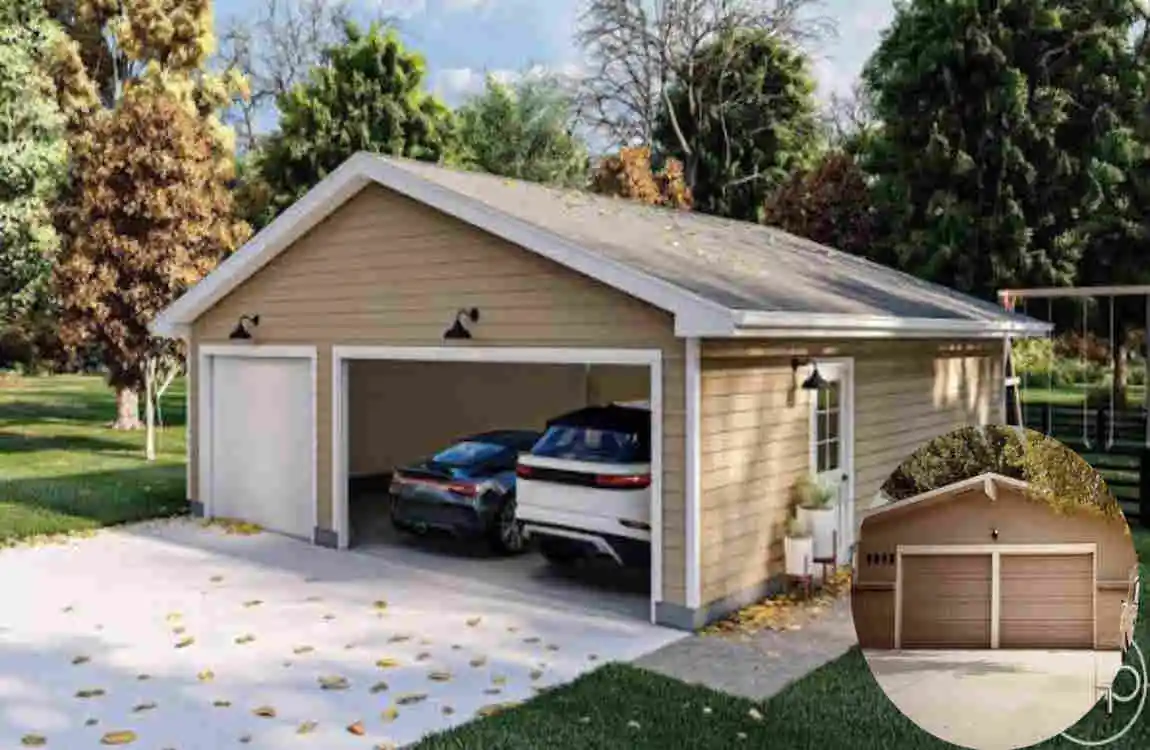
Attached Garage
An attached garage is connected directly to the house.
Although convenient, it still usually does not count as square footage unless legally converted.
Detached Garage
A detached garage is a separate building.
It also does not count toward the home’s living area but can still add value to the property.
Key Differences
FeatureAttached GarageDetached Garage
Connected to Home Yes No
Counts as Living Space Usually No No
Can Increase Property Value Yes Yes
Requires Conversion to Count Yes Yes
Does a Garage Increase Home Value?
Even though a garage may not count as square footage, it can still increase property value.
Buyer Appeal
Many buyers specifically look for homes with garages because they provide convenience and security.
Storage Benefits
Garages offer valuable storage space for:
- Tools
- Bicycles
- Seasonal decorations
- Lawn equipment
Parking Advantages
Covered parking protects vehicles from weather and may reduce maintenance costs.
Regional Demand
In areas with snow, heavy rain, or high temperatures, garages are often considered a highly desirable feature.
Garage Conversions and Home Value
Benefits
A legal garage conversion can:
- Increase usable living space
- Improve resale appeal
- Add functionality to the home
Possible Drawbacks
Removing garage parking may reduce buyer interest in neighborhoods where garages are expected.
ROI Considerations
Before converting a garage, compare renovation costs with the expected increase in home value.
How Appraisers View Garages
Separate Valuation
Appraisers usually list the garage separately from the home’s finished square footage.
Comparable Sales
They compare your property with similar homes that also have garages.
Condition and Size
A larger, well-maintained garage can positively influence the overall property value, even if it isn’t included in the home’s square footage.
Common Myths About Garage Square Footage
Attached Garages Always Count
False. Most attached garages are excluded.
Painting a Garage Makes It Living Space
False. Paint alone doesn’t qualify a garage as finished living space.
Drywall Is Enough
False. Heating, insulation, permits, and code compliance are also required.
Every Listing Measures Homes the Same Way
False. Measurement practices can vary, making professional verification important.
Tips for Homeowners
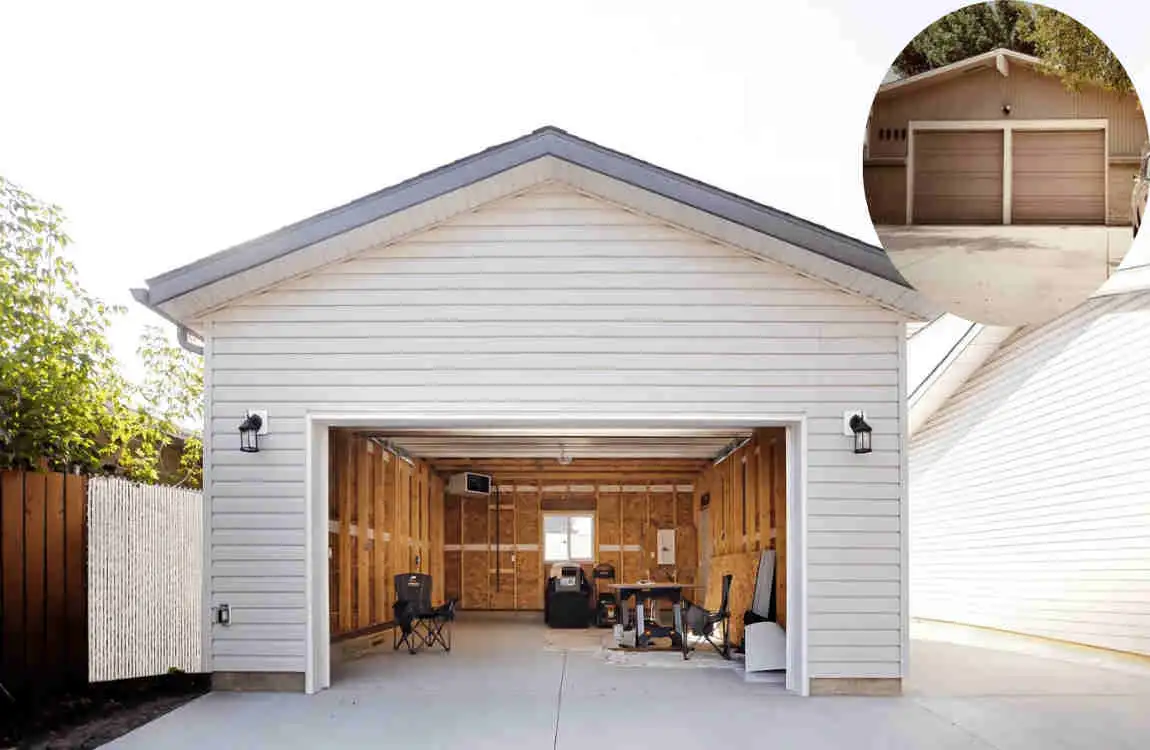
Before buying, selling, or remodeling:
- Verify local building codes.
- Get permits before converting a garage.
- Measure your home accurately.
- Keep appraisal records.
- Consult a real estate professional if needed.
Common Mistakes to Avoid
Avoid these common errors:
- Advertising garage space as finished living area.
- Skipping required permits.
- Ignoring local building regulations.
- Assuming tax records are always accurate.
Frequently Asked Questions
Does a garage count as square footage?
No. In most cases, garages are not included in a home’s finished living square footage.
Does an attached garage count as square footage?
Usually not. It only counts if it has been legally converted into finished living space.
Can a converted garage increase home square footage?
Yes. If it meets local building codes, has the proper permits, and qualifies as finished living space, it may be included.
Does a garage increase home value?
Yes. Even without counting as square footage, garages often improve property value and buyer appeal.
Do appraisers include garages in square footage?
Generally, no. Appraisers usually report garages separately while considering their contribution to the home’s overall value.