A healthy house plumbing system keeps your home comfortable, clean, and stress-free. It brings in fresh water, carries waste away, and helps your daily routines run smoothly. When plumbing is working well, you barely notice it. But when something goes wrong, the trouble can be expensive and frustrating.
The good news is that most plumbing problems can be reduced with simple care. You do not need fancy tools or expert knowledge to start. A few regular checks, smart habits, and basic maintenance steps can protect your pipes, fixtures, and appliances for years.
Why Plumbing Maintenance Matters
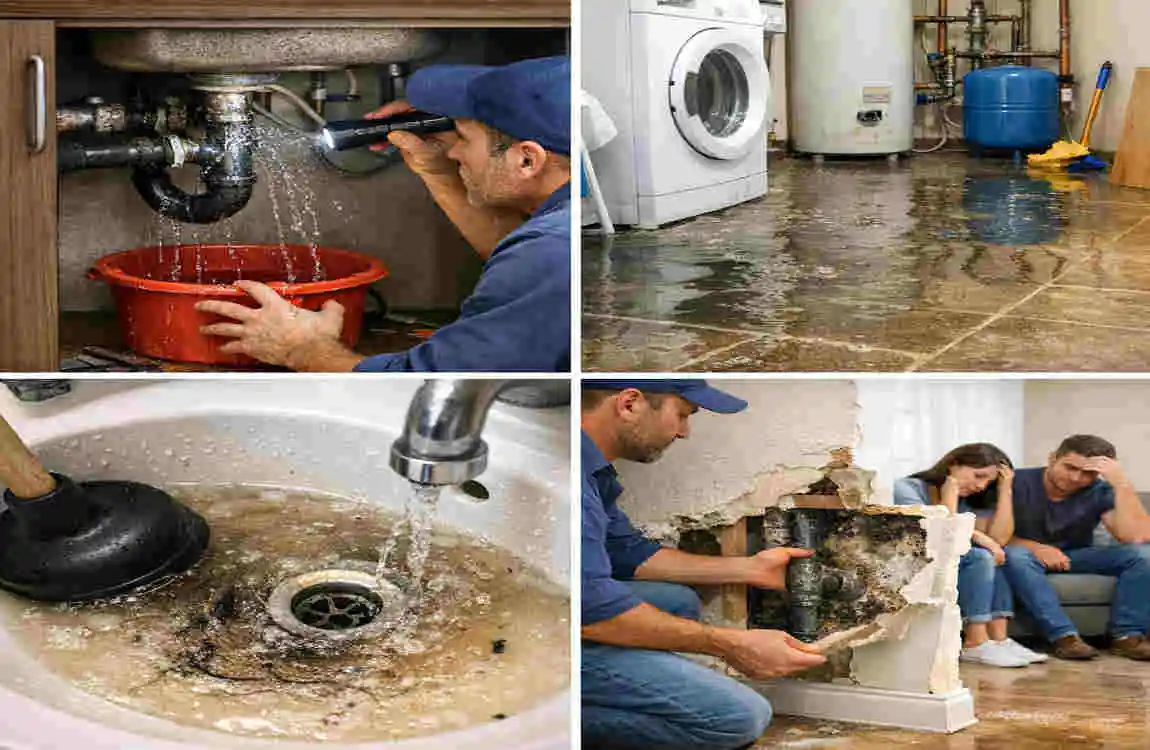
Plumbing maintenance is not just about fixing problems after they happen. It is about preventing trouble before it starts. That small habit can save you money, time, and a lot of stress.
Prevents Expensive Repairs
A small leak, slow drain, or weak toilet seal can turn into a big repair if ignored. Regular maintenance helps you catch these issues early, before they become emergencies.
Improves Water Efficiency
When your plumbing system runs properly, it uses water more wisely. That means less waste and lower utility bills. Even small leaks can waste a surprising amount of water over time.
Extends the Life of Pipes and Fixtures
Pipes, faucets, toilets, and water heaters all last longer when properly cared for. Routine maintenance reduces wear and keeps everything working as it should.
Reduces Water Damage Risks
Hidden leaks can damage walls, floors, and cabinets. Over time, they can also lead to mold and unpleasant smells. A healthy plumbing system helps protect your home from that kind of damage.
Supports Better Water Quality
Clean, well-maintained pipes help keep your water safe and pleasant to use. Rust, buildup, and leaks can affect water quality, so regular care matters.
8 Tips to Maintain a Healthy House Plumbing System
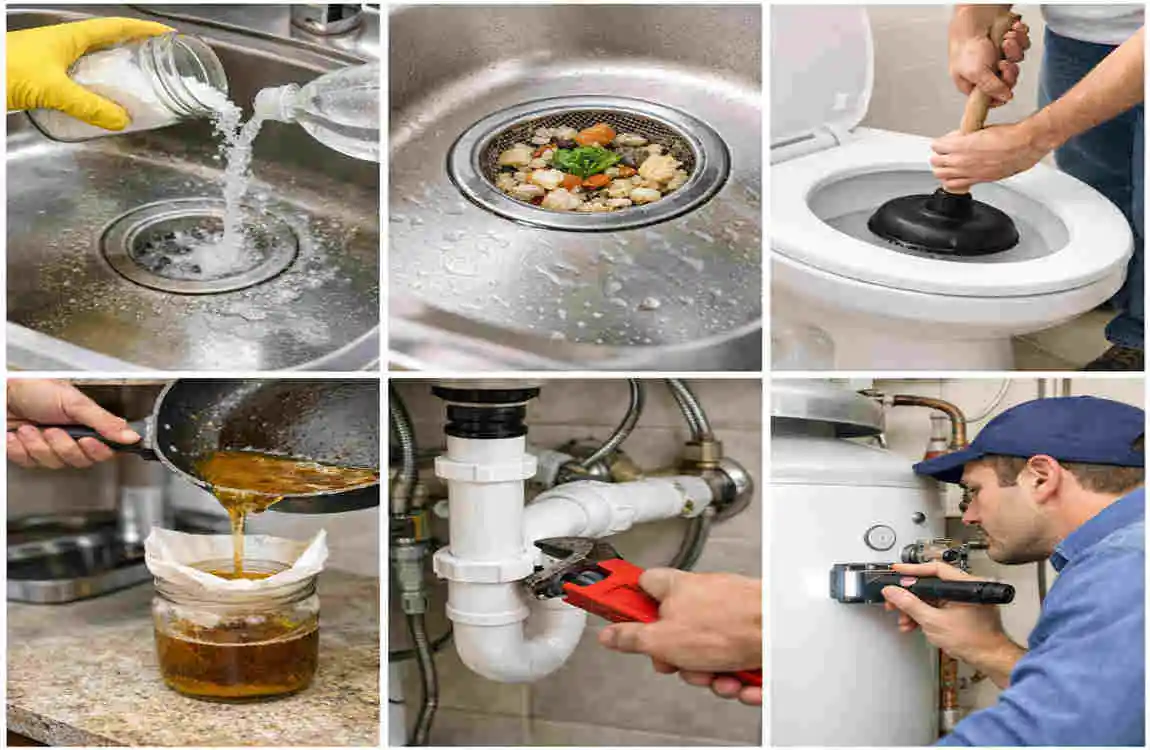
Keeping your plumbing in good shape does not have to be complicated. These eight simple tips can make a big difference.
Check for Leaks Regularly
Look at faucets, toilets, showerheads, and exposed pipes often. Watch for dripping water, damp spots, stains, or puddles under sinks.
Even a tiny leak can waste hundreds of gallons of water each year. It can also raise your water bill without you noticing right away. If you spot moisture, deal with it quickly.
Avoid Drain Clogs
Clogged drains are one of the most common plumbing problems in homes. The best way to avoid them is to be careful about what goes down the sink or toilet.
Do not pour grease, cooking oil, coffee grounds, food scraps, or hair into drains. These materials build up inside pipes and slow the flow of water. Use drain strainers in sinks and showers to catch debris before it causes trouble.
Flush Your Water Heater Once a Year
Your water heater collects sediment over time. That buildup can make the unit work harder and use more energy.
Flushing the tank once a year helps remove that sediment. This improves efficiency, lowers energy costs, and can help your water heater last longer. If you are unsure how to do it, a plumber can handle it for you.
Test Water Pressure
Water pressure that is too high can strain pipes and fixtures. It may seem nice to have strong water flow, but too much pressure can cause damage over time.
For most homes, 40 to 60 PSI is a good range. If your pressure feels unusually strong or weak, it may be worth checking. A plumber can measure it and make adjustments if needed.
Protect Pipes from Freezing
Cold weather can be hard on plumbing. When water freezes inside a pipe, it expands and can cause the pipe to burst.
To prevent this, insulate exposed pipes in basements, crawl spaces, garages, and other cold areas. During very cold nights, let faucets drip slightly so water keeps moving. This small step can help prevent major damage.
Inspect Toilets for Hidden Leaks
Toilets can waste a lot of water if they are leaking quietly. Some leaks are easy to hear, but others are hidden.
A simple test can help. Add a few drops of food coloring to the toilet tank and wait about 15 minutes. If the color appears in the bowl without flushing, there is likely a leak that needs attention.
Know Your Main Water Shut-Off Valve
Every homeowner should know where the main water shut-off valve is located. In an emergency, this knowledge can save you from serious water damage.
If a pipe bursts or a major leak develops, quickly turning off the water can protect your home. Take a few minutes to find the valve before you need it. Make sure everyone in the house knows where it is too.
Schedule Professional Plumbing Inspections
Some plumbing issues are easy to miss because they are hidden behind walls, under floors, or inside appliances. That is why a yearly inspection by a licensed plumber is so useful.
A professional can spot small problems before they become major repairs. This includes worn pipes, hidden leaks, water heater issues, and pressure problems. Think of it as a health check for your home’s plumbing.
Common Signs Your Plumbing Needs Attention
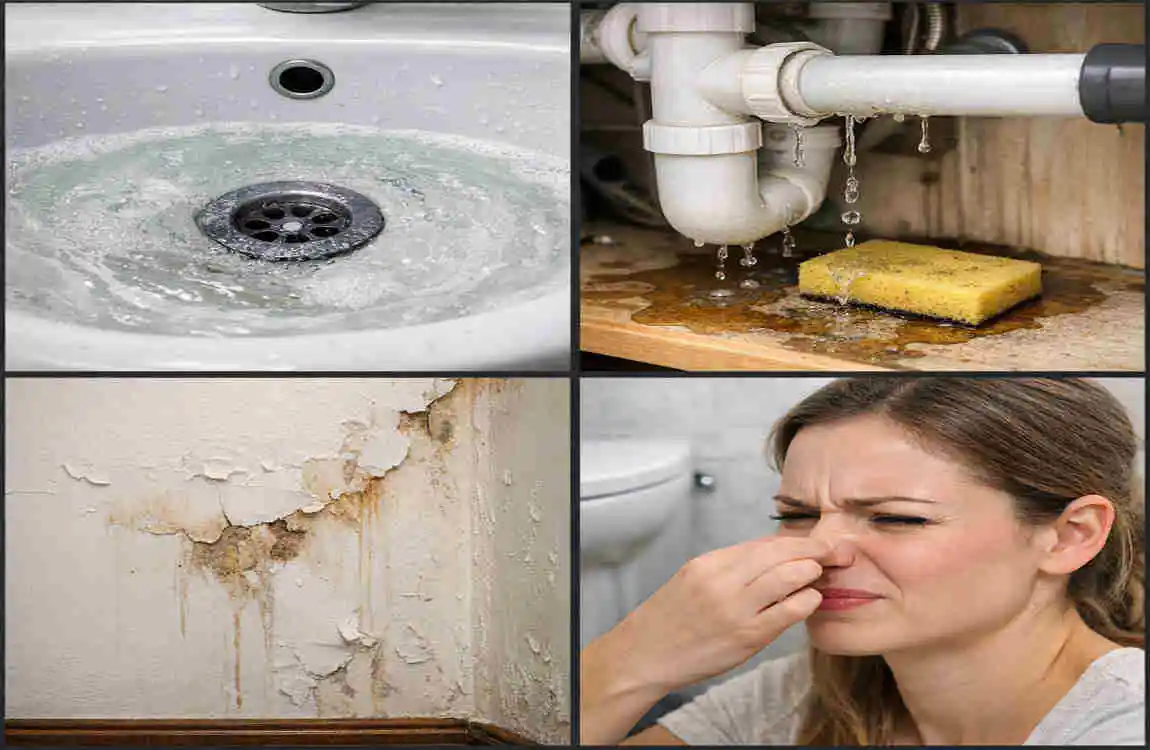
Your plumbing system usually gives warning signs before a serious problem appears. If you notice any of these, do not ignore them.
Warning Sign Possible Cause
Low water pressure Pipe blockage or leak
Slow drains Clogged drain line
Water stains on walls Hidden pipe leak
High water bills Undetected leaks
Strange pipe noises Air in pipes or pressure issues
Bad drain odors Drain blockage or sewer problem
What These Signs Mean
If your water pressure drops, you may have a leak or buildup inside the pipes. If drains empty slowly, there may be a clog forming deeper in the line. Water stains usually point to a hidden leak, while a sudden jump in your water bill often means water is escaping somewhere you cannot see.
Odd sounds, such as banging or rattling pipes, can indicate pressure issues or loose fittings. Bad smells from drains may mean a blockage or a sewer-related problem. In each case, early action is the smartest move.
Simple Monthly Plumbing Checklist
A monthly check takes only a little time, but it can prevent big repairs later. Use this simple routine to stay ahead of plumbing problems.
- Inspect visible pipes for leaks
- Clean sink and shower drains
- Check faucet and toilet performance
- Test water pressure
- Inspect outdoor hose bibs
- Look for moisture under sinks
Why This Monthly Habit Helps
This small checklist helps you spot problems early. You can catch a slow leak before it damages cabinets, notice a drain that is starting to clog, and check outdoor fixtures before weather changes cause issues.
If you make this a habit, plumbing care becomes much easier. You do not have to wait for an emergency to take action.
Extra Tips for Long-Term Plumbing Health
Be Careful with What You Flush
Toilets are only meant for human waste and toilet paper. Avoid flushing wipes, sanitary products, cotton balls, paper towels, or anything that does not break down easily. These items can create blockages fast.
Watch Your Water Bill
Your water bill can give you clues about hidden problems. If it rises without a clear reason, it may be a sign of a leak. A quick check of your faucets, toilets, and pipes can help you find the issue sooner.
Keep Drains Clean Naturally
You do not need harsh chemicals to care for drains. In many cases, hot water and a drain strainer are enough for regular upkeep. Harsh cleaners can sometimes damage pipes, especially if used too often.
Maintain Outdoor Plumbing Too
Outdoor hose bibs, irrigation lines, and exterior faucets also need care. Check them for leaks and protect them in cold weather. Outdoor plumbing is easy to forget, but it plays an important role in the full system.
When to Call a Plumber
A professional best handles some problems. If you notice repeated clogs, hidden leaks, sewage smells, low pressure throughout the house, or signs of burst pipes, call a plumber right away.
It is also smart to get help if you are unsure about a repair. A small mistake can make the problem worse. A professional can often solve the issue more quickly and safely.
Frequently Asked Questions
How often should I inspect my home’s plumbing?
A basic inspection should be done every month. A professional inspection is a smart idea once a year.
What should never go down the drain?
Avoid pouring grease, cooking oil, coffee grounds, food scraps, wipes, sanitary products, and harsh chemicals into drains.
How can I tell if I have a hidden water leak?
Common signs include high water bills, damp walls, mold growth, reduced water pressure, and the sound of running water when no fixtures are in use.
Is high water pressure harmful?
Yes. Water pressure that is too high can damage pipes, appliances, and fixtures over time.
How often should I flush my water heater?
Most homes should flush the water heater once a year to remove sediment and improve performance.
| Maintenance Task | Why It Matters | Recommended Frequency |
|---|---|---|
| Check for Leaks | Prevents water damage, mold, and higher water bills. | Monthly |
| Clean Drains | Removes buildup and reduces the risk of clogs. | Every 1–2 months |
| Avoid Grease in Drains | Prevents pipe blockages and costly plumbing repairs. | Always |
| Inspect Faucets & Toilets | Detects drips and running toilets early to save water. | Monthly |
| Test Water Pressure | High pressure can damage pipes and fixtures. | Every 6 months |
| Flush the Water Heater | Removes sediment to improve efficiency and extend lifespan. | Once a year |
| Inspect Exposed Pipes | Identifies corrosion, cracks, or leaks before they worsen. | Every 6 months |