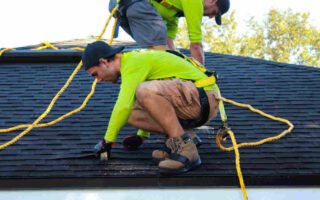
Storms can hit hard and leave behind serious roof damage. Strong wind can rip off shingles. Heavy rain can find tiny openings and turn them into leaks. Hail can bruise roofing material. Falling branches can damage the roof surface or even weaken the structure below.
When this happens, fast storm damage roof repair matters. The sooner you act, the better you protect your home from water damage, mould, and expensive repairs. A roof is your home’s first line of defence, so even small damage should be taken seriously.
Professional roofers know how to move quickly after a storm. They inspect the roof, seal weak spots, repair damage, and help your home return to normal as quickly as possible. If you understand the repair process, you can respond with more confidence and less stress.
Common Types of Storm Roof Damage
Wind Damage
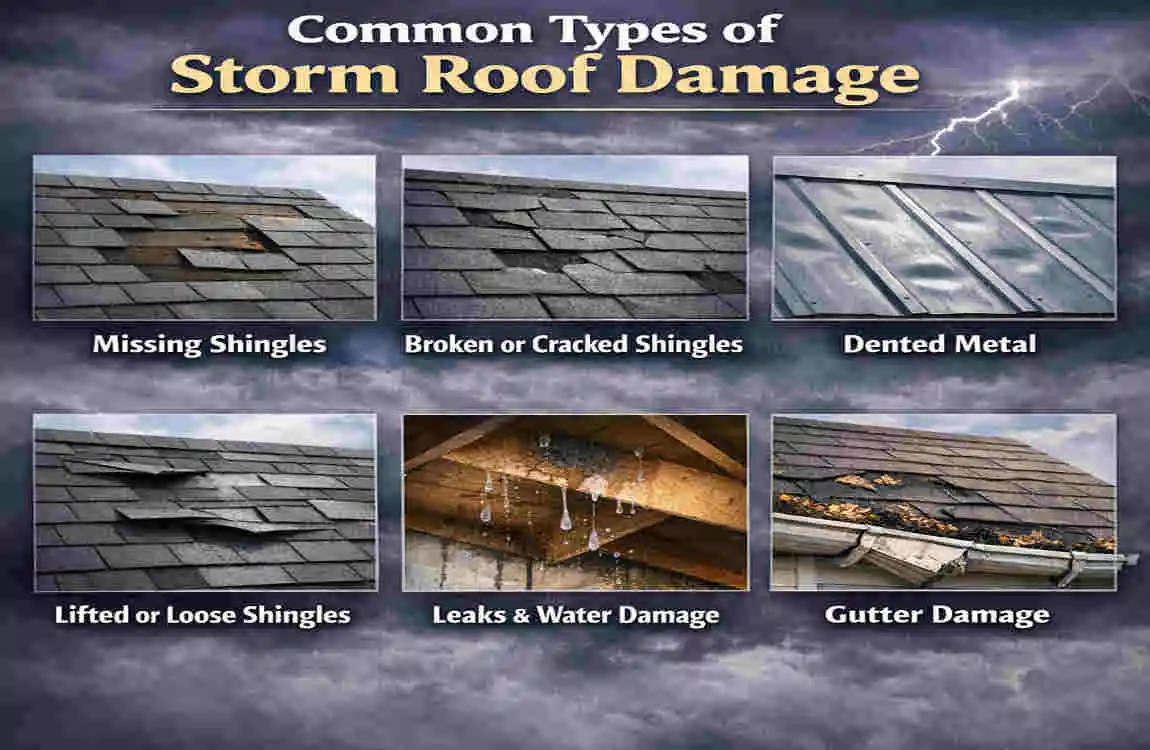
Strong winds can lift shingles, loosen flashing, and leave parts of the roof exposed. Once that protective layer is gone, water can get in much more easily.
You may notice shingles on the ground, curled edges, or bare spots on the roof. Even if the damage looks small, it can still lead to leaks later.
Rain and Leak Damage
Heavy rain can enter through cracks, damaged shingles, or weak points around vents and chimneys. At first, the problem may only show as a small stain on the ceiling.
But if you ignore it, the leak can spread. Water can damage insulation, wood, walls, and paint. That is why even minor leaks need quick attention.
Hail Damage
Hail often leaves behind dents, cracks, or soft spots in roofing materials. Some damage is easy to see, while other damage hides beneath the surface.
A roof can look fine from the ground but still be weakened by hail. That is why a proper inspection is so important after a storm.
Fallen Tree or Branch Damage
When branches or trees fall on a roof, the damage can be serious. They may break shingles, crush gutters, or even damage the roof deck underneath.
This kind of damage often requires urgent repair because it can affect both safety and structural integrity.
Gutter and Drainage Damage
Storms can also loosen gutters, clog drainage paths, or pull sections away from the roof. When water cannot drain properly, it may collect near the roof edge, causing further problems.
Good drainage is a big part of roof protection, so gutter damage should never be ignored.
How Roofers Handle Storm Damage Repairs
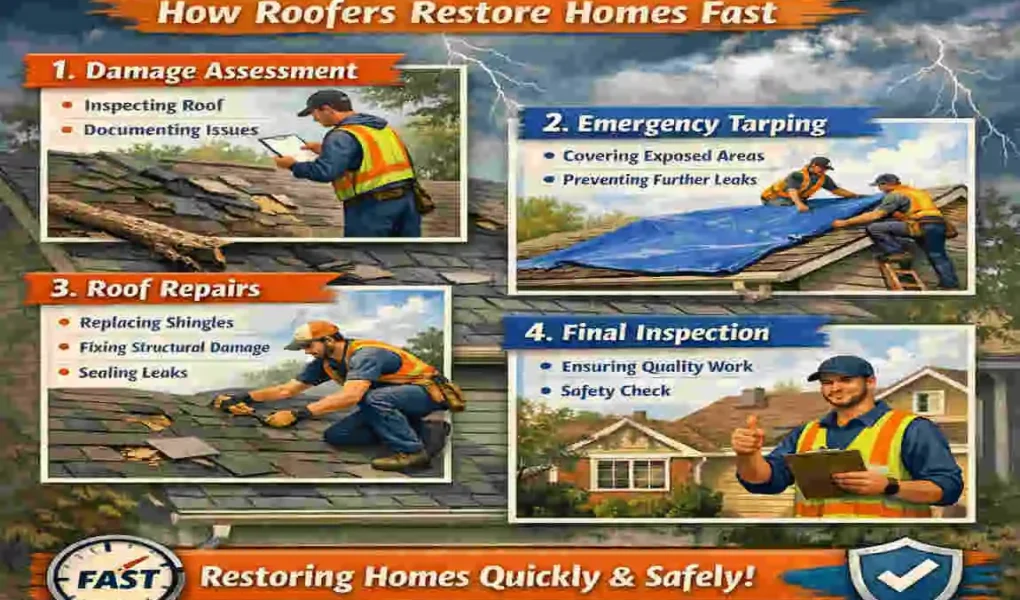
Emergency Roof Inspection
The repair process usually begins with a careful inspection. Roofers look at shingles, flashing, vents, gutters, and other weak points. They also check the roof structure for signs of hidden damage.
This step helps them understand how serious the problem is. In some cases, the roof only needs a few repairs. In other cases, a larger fix or replacement may be necessary.
A good inspection matters because not all storm damage is easy to see from the ground.
Temporary Roof Protection
If the roof has major damage, roofers may first install temporary protection. This keeps the home safe while a full repair plan is prepared.
Common temporary steps include:
- Roof tarps to block rain
- Covering exposed areas
- Sealing open sections
- Stopping more water from entering
These quick actions help reduce further damage and give you time to plan the permanent repair.
Repairing or Replacing Damaged Materials
Once the roof is secure, the roofer begins the real repair work. This may include replacing missing shingles, fixing flashing, sealing leaks, or patching damaged sections.
If the storm caused widespread damage, a partial or full roof replacement may be needed. Roofers often choose strong, weather-ready materials so the roof can handle future storms better.
This step restores the roof’s protection and helps your home stay safe again.
Checking Interior Damage
Storm damage is not always limited to the outside of the roof. Water may have already entered the attic, ceiling, or walls. Roofers often check for signs like:
- Ceiling stains
- Damp insulation
- Mold growth
- Wall damage
Catching interior damage early can save a lot of time and money later. It also helps stop the problem from spreading deeper into the home.
Why Fast Storm Damage Roof Repair Matters
It Stops Small Problems from Growing
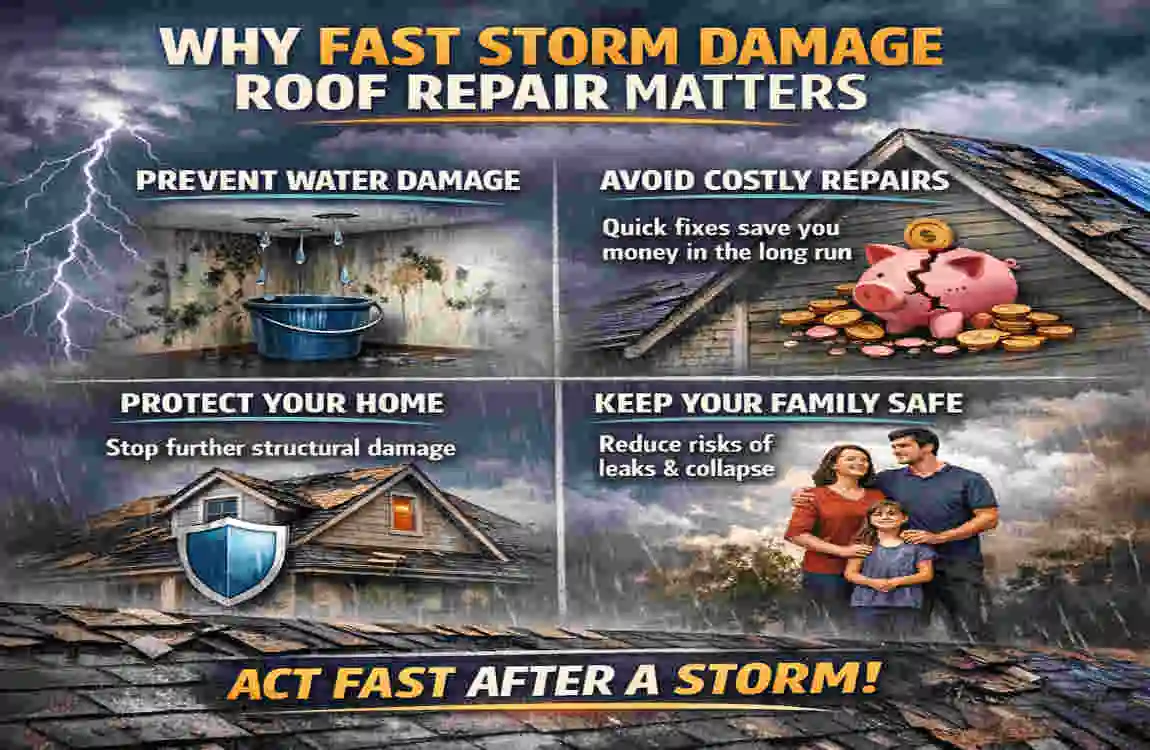
A small leak may not seem urgent at first. But over time, water can weaken wood, stain ceilings, and create mould. What starts as a minor issue can turn into a major repair.
Quick action keeps the damage from spreading.
It Protects Your Home’s Value
A damaged roof can lower the value of your property. It can also make your home look neglected, even if the rest of the house is in good shape.
Fast repairs help protect your investment and keep your home in better condition overall.
It Improves Safety
A damaged roof can create safety risks. Water near electrical areas, weak roof sections, and mould growth are all serious concerns.
Repairing storm damage quickly helps keep your family safer.
It Reduces Stress
Storm damage is stressful enough on its own. A fast, reliable repair process can bring peace of mind. You know the home is protected, and you can focus on getting life back to normal.
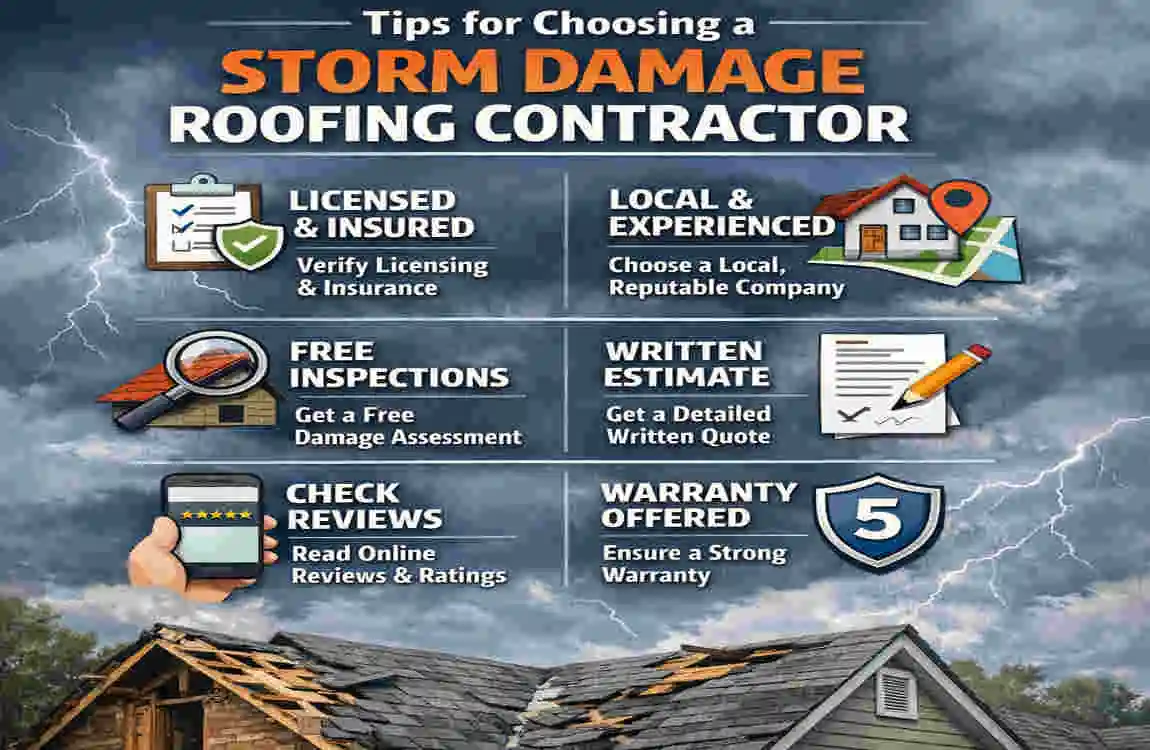
Tips for Choosing a Storm Damage Roofing Contractor
Look for Storm Repair Experience
Not every roofer handles storm damage the same way. Choose a contractor who understands emergency repairs, hidden damage, and weather-related roofing problems.
Experience makes a big difference when time matters.
Check Licensing and Insurance
Always make sure the contractor is properly licensed and insured. This protects both you and the workers during the repair process.
It also shows that the company takes its work seriously.
Ask for Written Estimates
A written estimate helps you understand the cost, the repair plan, and the materials being used. It also reduces confusion later.
You should never feel pressured to agree to vague pricing.
Read Customer Reviews
Reviews can tell you a lot about how a contractor works. Look for comments about speed, honesty, communication, and quality of work.
A trustworthy roofer should have a solid track record.
Ask About Warranties
A good warranty can give you extra peace of mind. It shows that the company stands behind its work and the materials it uses.
That matters when you are making a major home repair.
Simple Signs You May Need Roof Repair After a Storm
If you are unsure whether your roof was damaged, watch for these signs:
- Missing or loose shingles
- Water stains on ceilings
- Debris on the roof or in the yard
- Leaks during rain
- Granules in gutters
- Bent or damaged flashing
- Sagging roof areas
Even if the signs seem small, it is still smart to get the roof checked. Some damage hides beneath the surface.
Frequently Asked Questions
How soon should I repair my roof after storm damage?
You should schedule repairs as soon as possible. Quick action helps prevent leaks, mould, and larger structural problems.
Can I repair storm damage myself?
Minor issues may look simple, but roof repair can be dangerous. A professional roofer has the tools and training to handle it safely.
Does homeowners insurance cover storm roof damage?
Many insurance policies cover storm damage, but coverage depends on your plan and the cause of the damage.
How do roofers find hidden storm damage?
Roofers inspect shingles, flashing, roof decking, attic spaces, and interior areas to find damage that may not be obvious.
Should I replace my roof after a major storm?
A replacement may be needed if the damage is widespread, the roof is already old, or repairs cannot restore proper protection.
| Topic | Information |
|---|---|
| Storm Damage Roof Repair | A process that fixes roof issues caused by storms, including leaks, missing shingles, wind damage, and structural problems. |
| Common Storm Roof Damage | Broken or missing shingles, cracked tiles, damaged flashing, fallen trees, hail impacts, and water leaks. |
| First Step After Storm Damage | Roofers inspect the roof, identify damage, take safety measures, and provide a repair plan. |
| Emergency Roof Protection | Temporary solutions like tarping and sealing leaks help prevent further water damage inside the home. |
| Roof Repair Process | Damaged materials are removed, repairs are completed, and the roof is restored to protect the home again. |
| Insurance Assistance | Many professional roofers help homeowners document damage and work with insurance companies for claims. |
| Repair Time | Minor repairs may take a few hours, while major storm restoration can require several days. |
| Benefits of Professional Roofers | Experts ensure safe repairs, proper materials, and long-lasting protection against future storms. |
| Prevention Tips | Regular inspections, strong roofing materials, clean gutters, and proper maintenance reduce storm damage risks. |