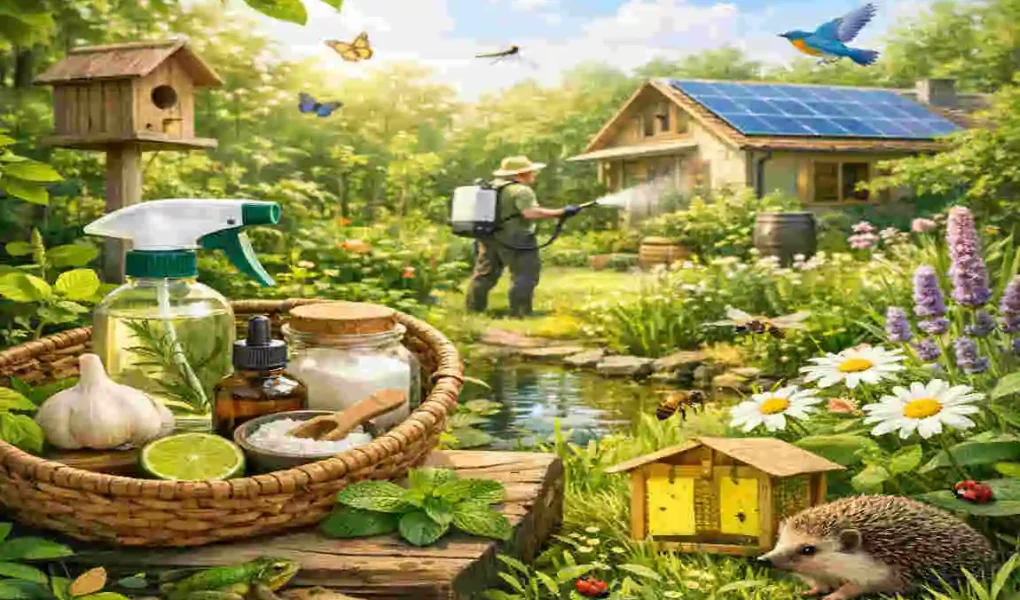
Green pest control is a smart and practical way to deal with household pests without depending too much on harsh chemicals. If you want a cleaner home and a safer environment for your family, pets, and garden, this approach is worth understanding.
Instead of focusing only on spraying pests away, green pest control looks at why pests are coming in and how to stop them in a safer, more lasting way. That makes it a useful choice for homeowners who want both protection and peace of mind.
What Is Green Pest Control?
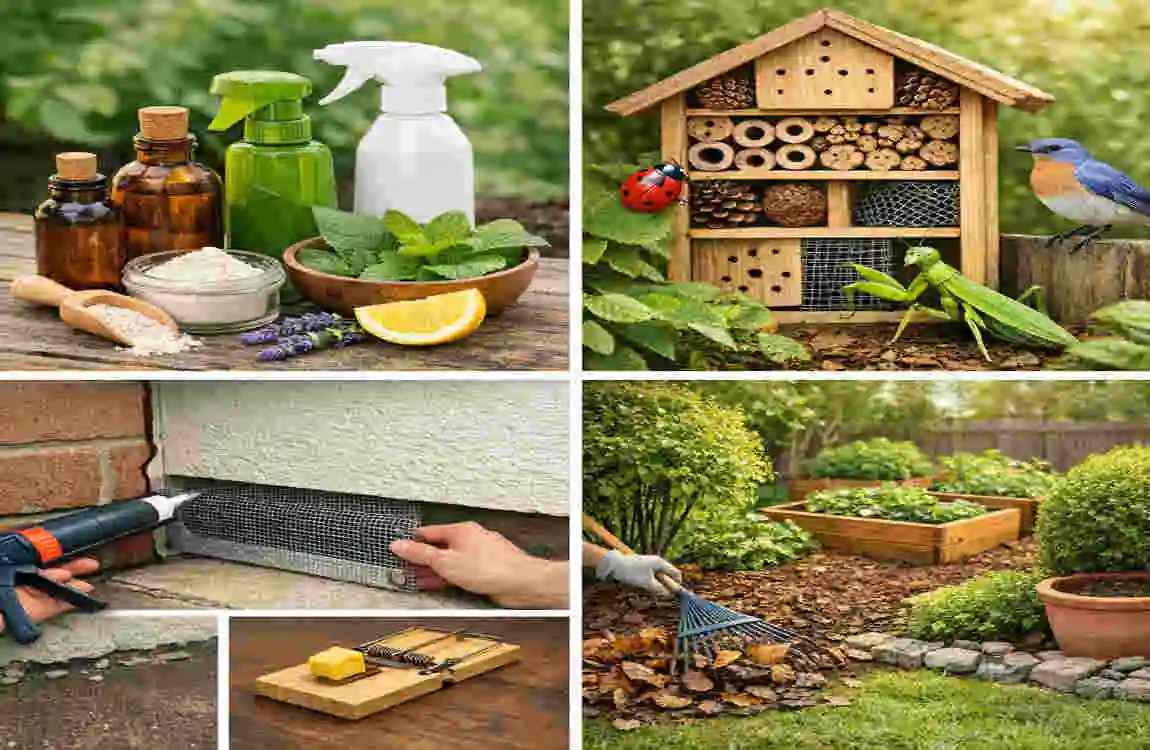
Green pest control is a pest management method that uses eco-friendly prevention and treatment steps. It aims to lower pest problems while keeping unnecessary chemical use to a minimum.
Rather than starting with strong pesticides right away, it usually begins with:
- Cleaning and sanitation
- Sealing openings
- Monitoring pest activity
- Using traps or barriers
- Applying low-impact treatments only when needed
The main idea is simple: control pests while reducing risk to people, pets, and the environment.
This approach works especially well when used early. When you stop pests from settling in, you avoid bigger problems later.
Benefits of Green Pest Control
Green pest control offers several real advantages for homeowners. It is not just about being “natural.” It is about being smarter and safer in managing pest issues.
Reduced Chemical Use
One of the biggest benefits is that it uses fewer chemical products. That means less exposure in your living space and less unnecessary spraying.
Safer Living Spaces
Because it focuses more on prevention and targeted treatment, it can help create a healthier home environment. This is especially important if you have children, pets, or anyone sensitive to chemicals.
Better Prevention
Green pest control does not only remove pests. It helps you figure out what attracts them in the first place. That may include food crumbs, standing water, open gaps, or clutter.
Environmentally Responsible
This method is designed to reduce harm to beneficial insects, soil, water, and nearby ecosystems. That makes it a thoughtful choice for sustainable living.
Long-Term Protection
When you seal entry points, store food properly, and keep your home clean, you reduce the chance of pests returning. This gives you more lasting protection than quick fixes alone.
Effective Green Pest Control Solutions

Green pest control works best when you combine several simple steps. One method alone may help, but a combination usually gives better results.
Seal Entry Points
Pests often enter through very small openings. Cracks in walls, gaps around windows, spaces under doors, and holes around pipes can all become entry points.
Take time to inspect your home carefully. Look for places where insects or rodents could slip inside. Then seal those gaps with weather stripping, caulk, mesh, or door sweeps.
This is one of the most effective steps because it stops the problem before it starts.
Keep Food and Waste Secure
Food attracts many pests, including ants, cockroaches, rodents, and flies. That is why good storage matters.
Use airtight containers for dry goods. Clean spills right away. Do not leave pet food out for too long. Also, keep garbage bins tightly closed and remove trash regularly.
A clean kitchen sends a strong message to pests: there is nothing easy here for you.
Remove Standing Water
Water is just as important as food for many pests. Mosquitoes, for example, can breed in stagnant water around your home.
Check for water in plant trays, buckets, clogged gutters, bird baths, and outdoor containers. Empty anything that collects water and does not need to stay filled.
Even small amounts of standing water can become a breeding site, so this step matters more than many people realize.
Use Traps and Physical Barriers
Sometimes you need direct control, but that does not always mean spraying chemicals everywhere. Traps and barriers can do a lot of the work.
Examples include:
- Sticky traps for monitoring insects
- Mechanical traps for rodents
- Screens for windows and vents
- Door sweeps to block gaps under doors
These tools help control pests while keeping treatment targeted and limited. They are especially useful when you want to avoid broad pesticide use.
Consider Low-Impact Treatments
Sometimes prevention is not enough, especially if the infestation is already established. In that case, a pest professional may suggest a low-impact treatment.
This could mean a more targeted product, careful placement, or a method designed to reduce environmental impact. The goal is not to avoid all treatment. The goal is to use only what is necessary.
If any product is used, always follow the label instructions carefully. Using more than needed does not make the treatment better. In fact, it can increase risk without improving results.
Green Pest Control vs. Traditional Pest Control
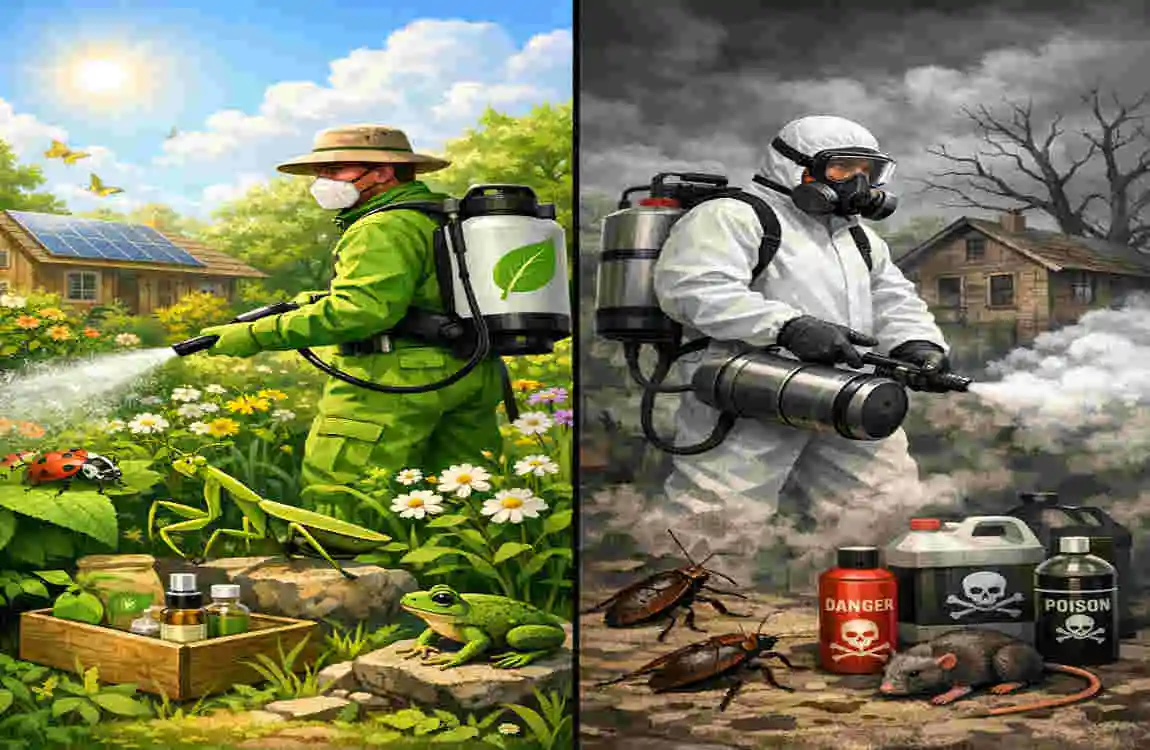
To understand the difference clearly, it helps to compare the two side by side.
Feature Green Pest Control Traditional Approach
Main focus: Prevention and targeted treatment. Often relies more heavily on pesticides.
Chemical use: Minimized where possible. May involve broader chemical applications.
Prevention Strong emphasis Varies by service.
Environmental impact Designed to reduce unnecessary impact Depends on products and application.
Long-term strategy Exclusion, sanitation, monitoring Treatment-focused in some cases
The biggest difference is in the mindset. Green pest control asks, “How do we stop pests from becoming a problem?” Traditional approaches often focus more on “How do we remove them now?”
Both can work, but green pest control usually aims for a more balanced, sustainable solution.
When Should You Call a Professional?
Some minor pest issues can be handled with simple home prevention. But there are times when calling a professional is the better choice.
Call for help if you notice:
- Repeated infestations
- Signs of structural damage
- Rodent droppings or nesting
- Termite activity
- Large numbers of insects returning after cleaning
- Pest activity in hidden areas like walls, attics, or crawl spaces
A professional can correctly identify the pest, find the source, and develop a targeted plan. That matters because different pests need different solutions.
For example, ants and termites are not handled the same way. Rodents also require a very different approach than mosquitoes. A trained expert can help avoid guesswork and unnecessary treatment.
Simple Green Pest Prevention Tips for Homeowners
If you want to keep pest control simple, start with daily habits that make your home less inviting to pests.
Try these basic steps:
- Clean kitchen surfaces often
- Store food in sealed containers
- Fix leaks and reduce moisture
- Empty trash regularly
- Close off cracks and small holes
- Keep outdoor areas neat and uncluttered
These habits may seem small, but they work together to make a big difference. In many homes, prevention is the best pest control.
FAQs
Is green pest control safe for pets?
Many green pest control methods are designed to reduce unnecessary chemical exposure, but safety depends on the exact product or treatment used. Keep pets away from treated areas as directed on the label or by a professional.
Does green pest control really work?
Yes, it can work very well. Good sanitation, sealing entry points, traps, monitoring, and targeted treatments are effective for many common pests. Serious infestations may still need professional help.
Is green pest control more expensive?
It may cost more at first because it can involve inspection, monitoring, and prevention work. Over time, though, it may help reduce repeat pest problems, which can save money.
What is the best natural way to prevent pests?
The best basic steps are sealing cracks, storing food properly, reducing moisture, removing standing water, and keeping your home clean. These habits are simple but very effective.
| Green Pest Control Method | How It Helps | Best For |
|---|---|---|
| Natural Repellents | Uses plant-based ingredients to discourage pests | Ants, mosquitoes, flies |
| Diatomaceous Earth | Damages the outer bodies of crawling insects | Roaches, ants, fleas |
| Essential Oils | Strong scents can repel certain pests | Spiders, ants, mosquitoes |
| Sealing Entry Points | Blocks cracks and gaps where pests enter | Rodents, insects |
| Sticky Traps | Captures pests without chemical sprays | Roaches, flies, spiders |