Pest problems are not new, but the way they show up around homes keeps changing. Warmer seasons, heavier rain, more travel, dense neighborhoods, and busy household routines all give pests more chances to move in. A small leak under the sink or a gap near the garage door can become an open invitation.
In 2026, homeowners are paying closer attention to prevention. That is smart. Waiting until pests spread through the home usually costs more time, stress, and money. The better move is to understand which pests are most common, why they appear, and what you can do before the problem grows.
Why Pest Problems Are Still So Common in 2026
Most household pest issues start with the same basic needs. Pests look for food, water, shelter, warmth, and safe nesting areas. If your home offers those things, pests do not care how clean or well-kept it looks from the street.
Homeowners looking for dependable pest control services in Jonesboro, GA often have one simple question: why do pests keep coming back after sprays, traps, or store-bought treatments? In many cases, the real issue is that the root cause was never addressed. A professional pest control service in Jonesboro can help identify hidden entry points, moisture problems, and food sources that attract pests. While a spray may eliminate the pests you see, it will not seal cracks, dry a damp crawl space, or remove the conditions that allow infestations to return.
Pest prevention works best when you treat the home like a system. The kitchen, attic, crawl space, garage, yard, gutters, and foundation all play a role. One weak spot can undo the rest of your effort. That is why a good solution looks at both the pest and the condition that attracted it.
Ants in Kitchens, Bathrooms, and Around Windows
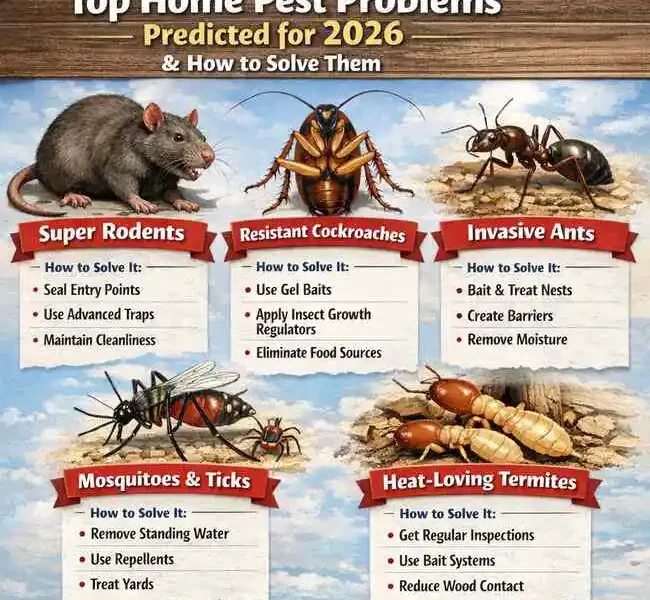
Ants are one of the most common pest problems homeowners face. They often show up near sinks, countertops, trash cans, pet bowls, and window frames. A few ants may not seem like much, but those ants may be scouts looking for food. Once they find it, they leave a scent trail for the rest of the colony.
The solution starts with removing easy food sources. Wipe counters after meals, clean sticky spills, rinse containers before recycling, and store sugar, cereal, flour, and snacks in sealed containers. Do not forget pet food. Leaving a bowl out overnight can turn a quiet kitchen into a tiny ant highway by morning.
Outside the home, trim plants away from the siding and keep mulch from touching the foundation. Seal small openings around windows, doors, and pipes. Ants are patient. They do not need a front door. They only need a crack.
Cockroaches in Warm, Damp Areas
Cockroaches are a serious household pest because they can contaminate food surfaces and trigger allergies. They like warmth, moisture, grease, and tight hiding spaces. Kitchens, bathrooms, laundry rooms, drains, and cabinet gaps often give them exactly what they need.
The biggest mistake is treating only the visible roaches. If you see one, there may be more hiding nearby. Roaches can live behind appliances, under sinks, inside wall voids, and near plumbing lines. Store-bought sprays may scatter them, which can make the issue harder to control.
A provider such as DAPS Services may inspect the areas where roaches live, not just the spots where homeowners see them. That matters because roach control works best when treatment, sanitation, moisture repair, and monitoring work together. Clean under the fridge and stove, take trash out often, fix leaks, and avoid leaving dirty dishes in the sink overnight.
Rodents in Garages, Attics, and Wall Voids
Mice and rats become a major problem once they enter a home. They chew wires, damage insulation, leave droppings, and contaminate stored food. They also reproduce quickly, so a small issue can turn into a larger one before you hear scratching in the walls.
The solution starts outside. Walk around the home and look for gaps around garage doors, crawl space vents, utility lines, roof edges, and foundation cracks. A mouse can squeeze through a very small opening. If a gap looks too small to matter, check it anyway. That is where the trouble usually laughs at you.
Inside, store pet food, bird seed, grass seed, and pantry items in sealed containers. Keep garages organized and avoid stacking cardboard boxes against walls. Rodents use clutter as cover. Traps can help reduce activity, but they will not solve the problem if rodents keep finding a way inside.
Termites and Hidden Wood Damage
Termites are one of the most expensive pest problems because they often work quietly. They can damage wood inside walls, crawl spaces, floors, and structural areas before a homeowner sees obvious signs. Unlike ants or flies, termites do not need to walk across your counter to cause trouble.
Prevention focuses on moisture and wood contact. Keep firewood away from the house, avoid storing lumber against the foundation, and make sure soil does not touch siding or trim. Clean gutters so water moves away from the home. Fix leaks and drainage problems, especially near crawl spaces and basements.
Look for mud tubes, discarded wings, soft wood, blistering paint, or doors that suddenly stick. These signs do not always mean termites, but they should not be ignored. Termites are like a slow leak in a roof. By the time the stain appears, the damage may already be larger than expected.
Mosquitoes Around Yards and Patios
Mosquitoes remain a common problem because they need very little standing water to breed. Buckets, clogged gutters, plant saucers, bird baths, toys, tarps, and low spots in the yard can all hold enough water. After rain, a yard can become a mosquito nursery without looking messy.
The solution is simple but easy to forget. Walk your property after rain and empty anything that holds water. Clean gutters, refresh bird baths often, and check outdoor furniture covers. Keep grass trimmed and reduce heavy shade where mosquitoes rest during the day.
Screens also matter. Repair tears in window and door screens, especially near patios and bedrooms. Mosquito control is not only about comfort. It also helps reduce bite risk around children, pets, and guests.
Ticks in Grass, Brush, and Wooded Edges
Ticks are not only a hiking problem. They can show up in yards, especially where grass, brush, leaf litter, and wooded areas meet. Pets can bring ticks inside, and people can pick them up during yardwork, play, or walks near tall grass.
Prevention starts with yard maintenance. Keep grass cut, remove leaf piles, trim brush, and create a cleaner edge between lawn and wooded areas. If pets spend time outdoors, check them before they come inside. Pay attention around ears, legs, collars, and paws.
Personal protection helps too. Wear long pants for yardwork in brushy areas and check your clothing afterward. If ticks are common around your property, a professional yard inspection can help identify hot spots and reduce risk areas.
Bed Bugs After Travel or Used Furniture
Bed bugs are frustrating because they do not show up only in dirty homes. They travel on luggage, furniture, clothing, and personal items. Hotels, apartments, dorms, public transportation, and secondhand furniture can all be part of the story.
The best solution is early detection. After travel, inspect luggage before bringing it deep into the home. Wash and dry travel clothes on high heat when the fabric allows it. Check mattress seams, headboards, bed frames, and nearby furniture for small dark stains, shed skins, or live bugs.
Be careful with used furniture. A free couch on the curb can become the most expensive “deal” of the year. Inspect secondhand beds, couches, and upholstered chairs before bringing them inside. If you suspect bed bugs, avoid moving items from room to room. That can spread the problem.
Flies, Drain Flies, and Fruit Flies
Flies can make a clean home feel dirty fast. House flies often come from trash, pet waste, or open doors. Fruit flies usually come from ripe produce, sticky spills, or residue in drains and bins. Drain flies breed in organic buildup inside drains.
The solution depends on the type of fly. For fruit flies, remove overripe produce, wipe counters, clean trash cans, and rinse recyclables. For drain flies, clean the drain walls, not just the surface. Pouring something down the drain may not remove the buildup where larvae develop.
Screens, door sweeps, and tight trash lids help too. If flies keep returning, look for a breeding source. Swatting adults may feel satisfying, but it does not fix the problem. It is pest control theater. The flies know it. So should we.
Spiders in Corners, Garages, and Storage Areas
Spiders often show up where other insects are present. They like quiet spaces such as garages, basements, closets, sheds, and storage rooms. Most are harmless, but webs and repeated sightings can make a home feel neglected.
The solution is to reduce hiding places and food sources. Vacuum webs, clean corners, shake out stored items, and use sealed plastic bins instead of cardboard boxes. Keep garage clutter off the floor where possible. Outside, reduce insects around entry points by managing porch lights and sealing gaps.
Spiders are often a clue. If you keep seeing them in the same areas, check for insects that may be attracting them. Solving the food source often reduces the spider problem too.
The Best Prevention Plan for 2026
The best pest plan is not complicated. It is steady. You want to remove what pests need before they settle in. That means less food, less water, fewer hiding spots, and fewer entry points.
A strong home prevention routine includes:
- Store pantry food, pet food, and bird seed in sealed containers.
- Fix plumbing leaks and dry damp areas quickly.
- Seal gaps around doors, windows, vents, pipes, and foundations.
- Keep gutters clean and move water away from the home.
- Reduce clutter in garages, closets, attics, and crawl spaces.
These steps do not replace professional help for serious infestations, but they make a major difference. They also help treatments work better. A pest-free home is built through habits, not one heroic Saturday with a spray bottle.
Common Mistakes Homeowners Should Avoid
One common mistake is waiting until pests are everywhere. A few droppings, a few ants, or one roach sighting can be an early warning. Acting early gives you more options and less stress.
Another mistake is using the wrong product for the wrong pest. Some sprays scatter insects. Some baits fail if other food sources remain nearby. Foggers often miss cracks and hiding spaces. The label matters, and the pest ID matters even more.
Homeowners also forget the outside of the home. Overgrown plants, clogged gutters, standing water, loose weather stripping, and foundation gaps can all drive indoor pest problems. Treating only the room where you saw pests is like mopping the floor while the sink is still overflowing.
Final Thoughts: Solve the Cause, Not Just the Sighting
The most common pest problems in 2026 have one thing in common. They usually start with conditions around the home that pests can use. Food, water, shelter, clutter, moisture, and entry points give pests the opening they need.
Start with a careful walkthrough. Check the kitchen, bathrooms, garage, attic, crawl space, yard, gutters, and foundation. Fix small problems before they become large ones. Seal gaps, clean hidden food residue, repair leaks, and remove standing water.
If pests keep returning, do not keep guessing. Get the pest identified and find the source. A clear plan will always beat random sprays, panic traps, and late-night searches after something runs across the floor.