
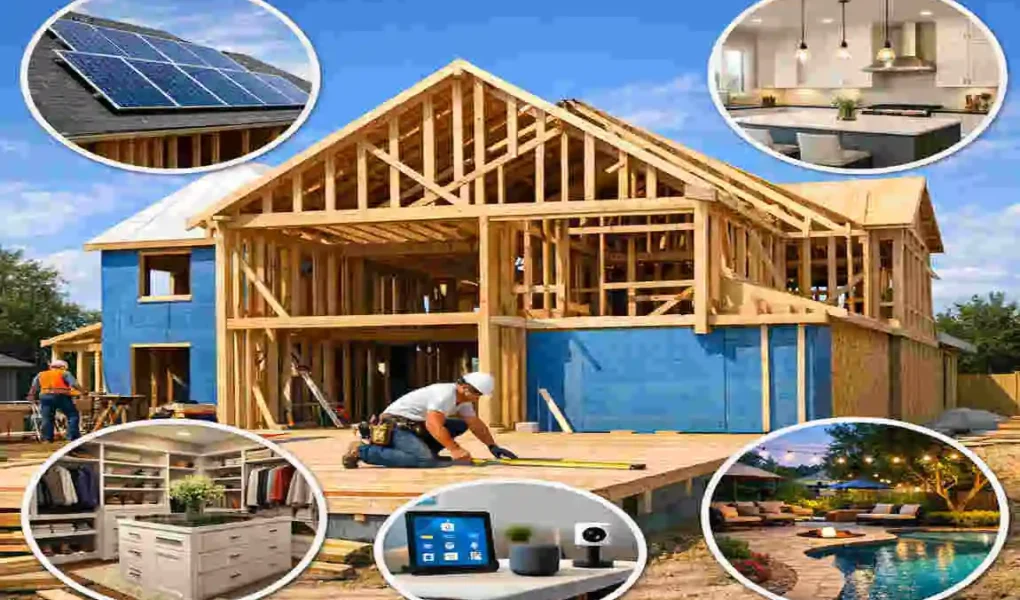
Building a new home is exciting, but it can also feel overwhelming. This is your chance to make smart choices before the walls are closed and the finishes are locked in. If you plan well during construction, you can save money, avoid stress, and create a home that truly fits your life.
The key is simple: think ahead. Focus on layout, materials, energy use, storage, and future needs. That way, your home will feel comfortable now and still work well years from today.
Start with a Practical Floor Plan
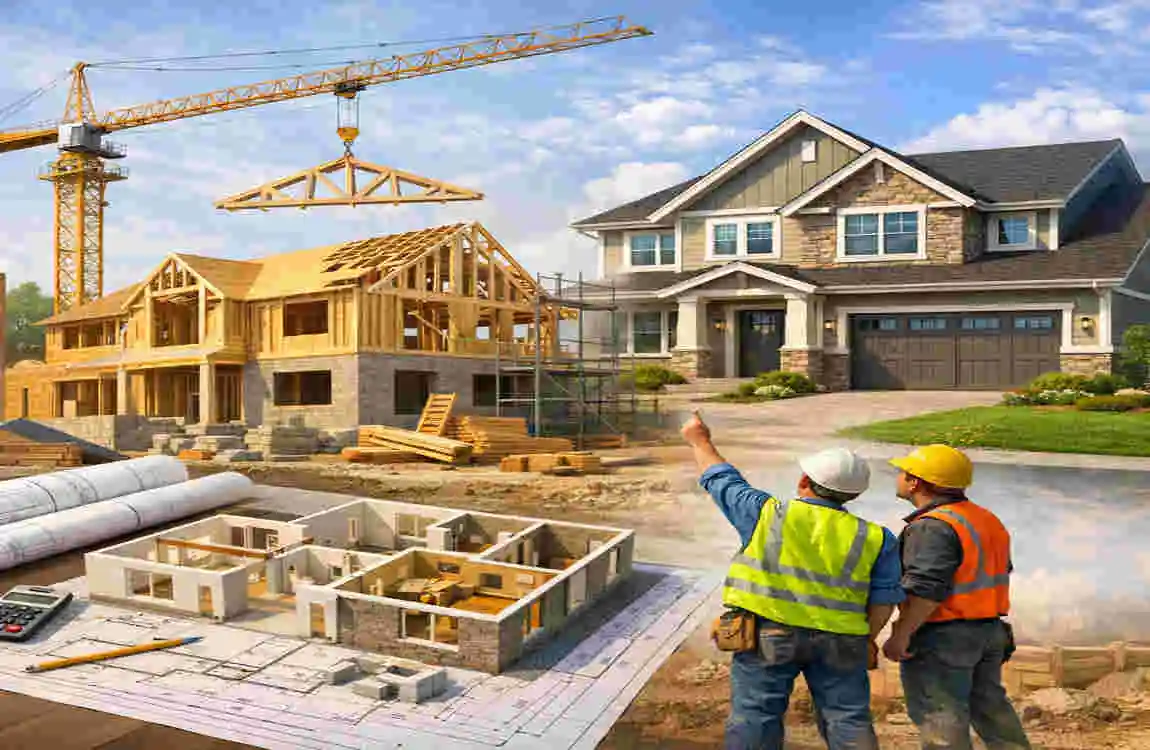
A good floor plan is the heart of a great home. It shapes how you move, live, and relax every day. Before you choose design details, think about how your family will actually use the space.
Make daily life easier.
An open living area can help the home feel larger and more connected. It is also easier when you want to cook, talk, and keep an eye on children at the same time. Bedrooms and bathrooms should be arranged to support privacy and convenience.
Plan for the future.
Your needs may change over time. A home office today might become a nursery later. A guest room might one day be used as a hobby room. Choosing a flexible layout gives you more freedom in the long run.
A practical floor plan should also include storage, laundry space, and easy room flow. These details may seem small, but they make everyday living much smoother.
Prioritize Quality Construction Materials
The materials used in your home affect how long it lasts, how much care it needs, and how well it handles weather and wear.
Choose durability over short-term savings.
Some cheaper materials may look fine at first, but they often wear out faster. Strong roofing, quality insulation, and moisture-resistant products are worth serious attention. They help protect the home and reduce the need for repairs later.
Think about comfort and value.
Good materials also improve comfort. Better insulation can help keep indoor temperatures steady. Durable flooring can handle heavy use without showing damage too quickly. In other words, quality materials are not just about appearance—they support the long-term value of your home.
Design for Energy Efficiency
Energy-efficient homes are more comfortable and often much cheaper to run. When you plan these features during construction, they are easier and less expensive to install.
Smart upgrades to consider
LED lights, efficient appliances, good insulation, and modern windows all help reduce energy use. A smart thermostat can also make heating and cooling easier to control. These features may seem simple, but together they can make a big difference in your monthly bills.
Better comfort all year
Energy efficiency is not only about saving money. It also helps your home feel better to live in. Proper insulation and quality windows can reduce drafts, heat loss, and uneven temperatures. That means a more stable and pleasant home environment.
Plan Electrical and Plumbing Carefully
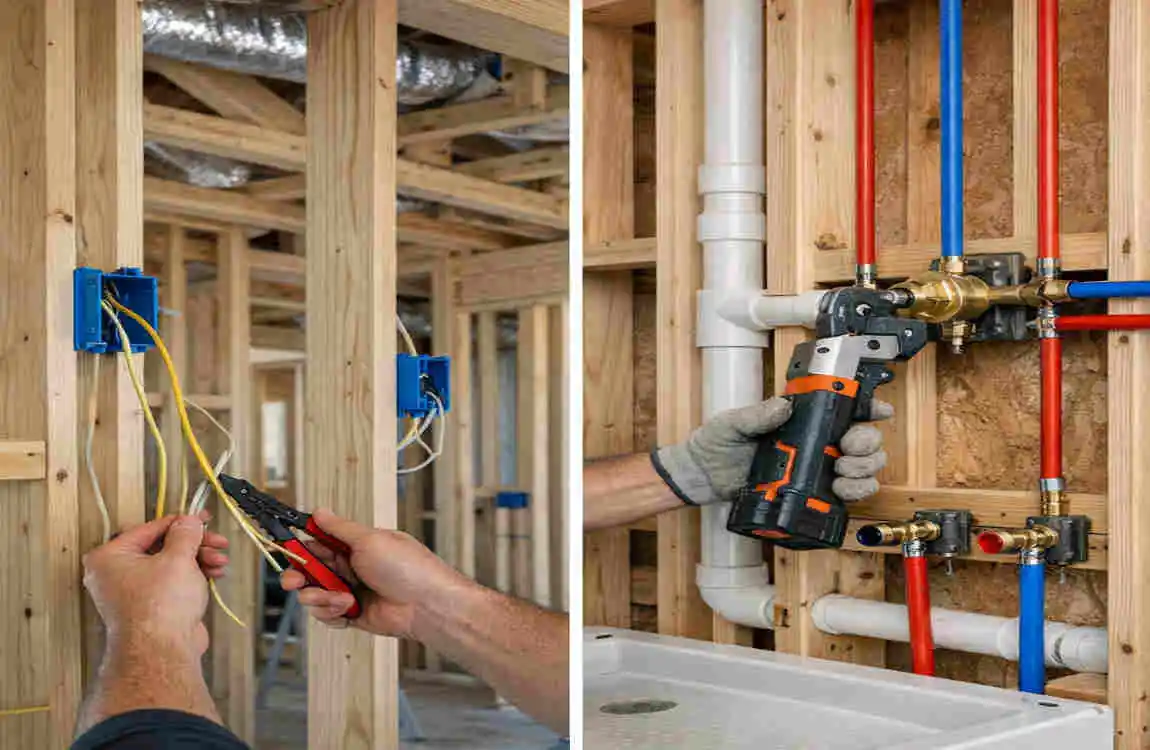
This is one of the most important parts of construction planning because it is much easier to do it right the first time than to fix it later.
Think beyond today
You may want extra outlets, USB charging areas, outdoor power points, or wiring for future appliances. Plumbing should also be planned with the future in mind, especially if you may add a water filter, extra sink, or upgraded bathroom fixture later.
Avoid expensive changes later.
Once the drywall is in place, changes become more difficult and costly. Careful planning now helps you avoid opening walls later. That saves time, money, and frustration.
Maximize Natural Light
Natural light can completely change the feeling of a home. Bright rooms feel larger, cleaner, and more welcoming.
Use windows wisely
Larger windows, patio doors, and skylights can bring more daylight into the house. Light-colored walls and finishes also help reflect brightness around the room. When planned well, these features make the home feel open and cheerful.
Support airflow too.
Good window placement can also improve ventilation. That helps fresh air circulate throughout the house, improving comfort. So when you plan for light, you are often improving air flow at the same time.
Build Smart Storage
Storage is one of the most overlooked parts of home planning, yet it affects how organized your home feels every day.
Add storage where it matters.
Walk-in closets, pantry space, built-in shelves, garage cabinets, and under-stair storage can all make a big difference. These features help keep clutter out of sight and make rooms easier to use.
Keep the home tidy long term.
When storage is built into the design, you do not have to rely on temporary fixes like extra boxes or standalone furniture. That gives your home a cleaner look and a more peaceful feel.
Prepare for Smart Home Technology
Modern homes work best when technology is planned early. It is much easier to install wiring and systems during construction than to add them later.
Useful smart features
You may want smart security, video doorbells, smart lighting, automated garage doors, or whole-home Wi-Fi wiring. These features improve convenience and can also add a sense of safety.
Plan for later upgrades
Even if you do not install every smart feature right away, preparing for them now is wise. Pre-wiring and proper setup make future upgrades much simpler.
Choose Timeless Interior Finishes
Trends come and go, but some finishes always look good. Choosing classic styles helps your home stay attractive for years.
Feature Recommended Choice
Flooring Hardwood or luxury vinyl
Cabinets Neutral colors
Countertops Quartz or granite
Wall Paint Soft neutral shades
Fixtures Matte black or brushed nickel
These choices are popular because they are simple, clean, and easy to match with different styles over time. If you want your home to feel fresh for many years, timeless finishes are a smart path.
Focus on Outdoor Living
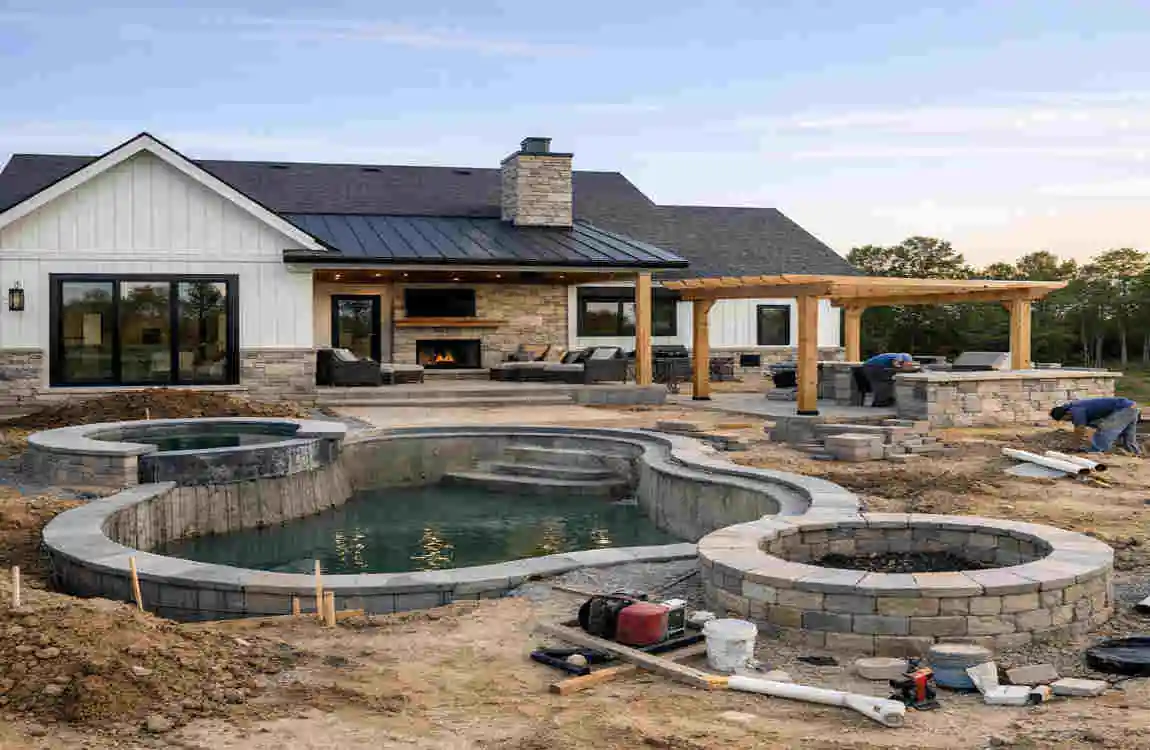
Outdoor spaces can add real value to your home. They also give you more room to relax, entertain, and enjoy daily life.
Make outdoor areas feel connected.
Covered patios, decks, and seating areas work best when they flow naturally from the house. If you plan them during construction, the transition between indoor and outdoor living feels smoother and more natural.
Add value and comfort.
A well-planned outdoor space can become one of the best parts of the home. It gives you a place to enjoy fresh air, spend time with family, or host friends without feeling crowded inside.
Work Closely with Your Builder
Even the best plan needs good communication to come together properly. Your builder is your main partner during construction, so staying involved matters.
Stay informed
Visit the site when possible. Ask questions early. Review progress regularly. If something does not look right, bring it up before the issue grows.
Keep records
It also helps to save notes, approvals, and upgrade decisions. Clear records prevent confusion and help everyone stay on the same page.
A good working relationship with your builder often leads to a better final result.
Frequently Asked Questions
What should I prioritize when building a new home?
Focus first on the floor plan, quality construction, energy efficiency, storage, and future needs before choosing decorative features.
Is it cheaper to add upgrades during construction?
Yes. It is usually much cheaper to install things like wiring, plumbing, insulation, and smart home features during construction than after the home is finished.
How can I make my new home more energy efficient?
Use good insulation, efficient windows, LED lights, smart thermostats, and energy-saving appliances.
Why is planning important during home construction?
Good planning helps reduce mistakes, control costs, and make sure the home fits your lifestyle now and in the future.
If you want, I can also turn this into a more SEO-friendly blog version, a shorter social-media-style article, or a more detailed 3,000+ word version.
| Aspect | Details |
|---|---|
| Topic | How to Shape the Perfect New Home During Construction |
| Purpose | Build a functional, comfortable, and future-ready home that matches your lifestyle. |
| Planning | Create a realistic budget, floor plan, and construction timeline before work begins. |
| Layout | Design open, practical spaces with good room flow and storage. |
| Natural Light | Position windows and living areas to maximize daylight and energy efficiency. |
| Material Selection | Choose durable, low-maintenance, and high-quality building materials. |
| Energy Efficiency | Include quality insulation, energy-efficient windows, and smart HVAC systems. |