Plumbing problems can show up at the worst time. A faucet may start dripping, a drain may slow down, or your water pressure may suddenly drop. If you live in Arvada, CO, learning a few simple troubleshooting steps can help you handle small issues quickly and avoid bigger damage.
Common Plumbing Problems in Arvada, CO
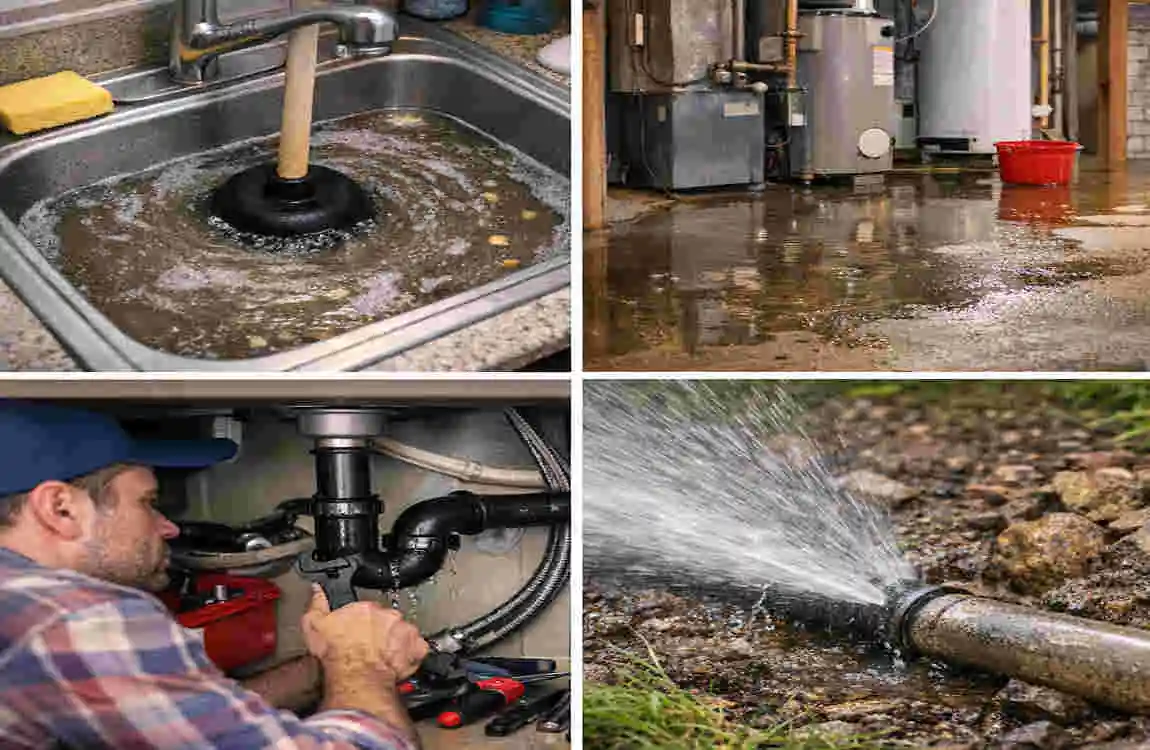
Homeowners in Arvada often deal with the same basic plumbing troubles. Some are easy to fix, while others need a plumber’s help.
Plumbing ProblemPossible CauseQuick Solution
Leaky Faucet Worn-out washer or cartridge Replace the damaged part
Clogged Drain Hair, grease, soap buildup Use a plunger or drain snake
Low Water Pressure Mineral buildup or hidden leak Clean the aerator and inspect pipes
Running Toilet Faulty flapper valve Replace the flapper
No Hot Water Water heater issue Check the thermostat or reset the heater
Burst Pipe Freezing temperatures or pipe damage Shut off the main water supply right away
Why these problems happen
Many plumbing issues occur due to normal wear and tear. Over time, parts wear out, pipes accumulate buildup, and fixtures stop working as they should. In colder months, pipes may also freeze or crack, especially in exposed areas.
Easy Plumbing Troubleshooting Tips
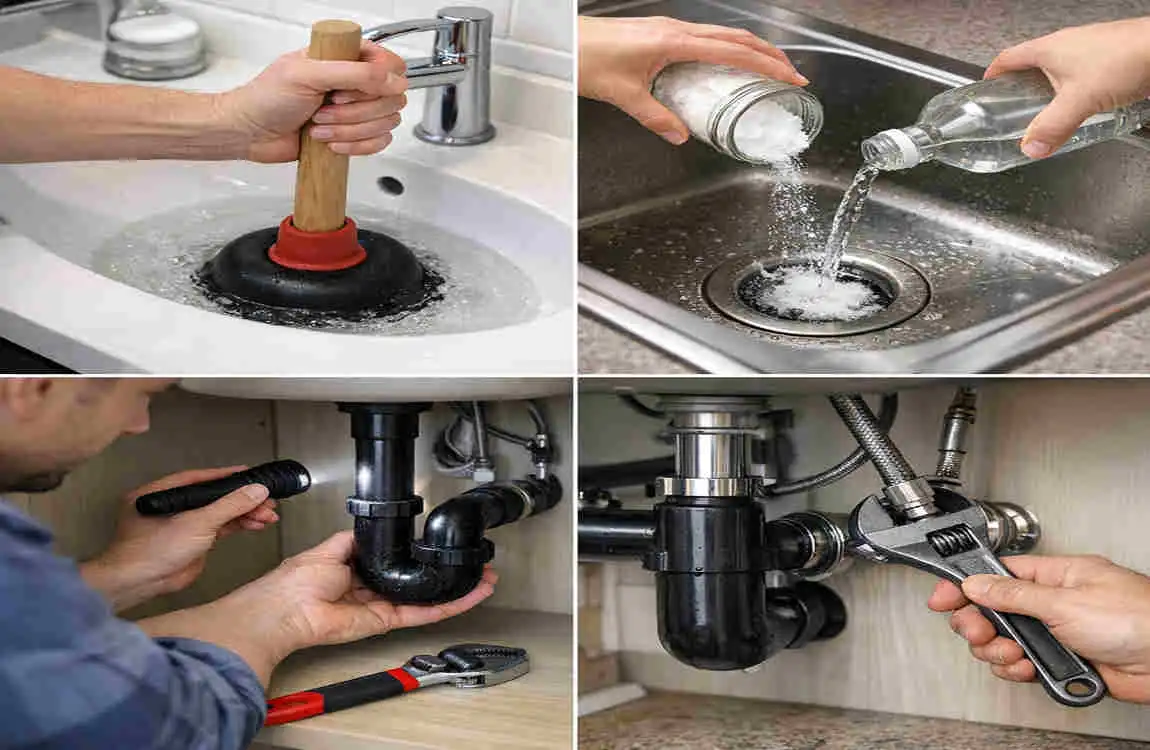
You do not need to be a plumber to check a few basic things in your home. Start with the simple steps below.
Check for visible leaks.
Look under sinks, around toilets, and near your water heater. Small leaks can waste a lot of water over time. They can also cause stains, mould, and damage to cabinets or walls.
If you see water, try to find where it is coming from before it spreads.
Test the water pressure.
If your water feels weak, remove the faucet aerator and clean it. Mineral buildup can block flow and make pressure seem lower than it really is.
If cleaning the aerator does not help, the problem may be deeper in the pipes.
Clear minor drain clogs
For slow drains, start with a plunger. If that does not work, try a drain snake to pull out hair or debris.
It is best to avoid strong chemical drain cleaners. They can damage older pipes and may not solve the real problem.
Inspect the toilet
A toilet that keeps running usually has a flapper problem or a float issue. Open the tank and watch how the parts move after flushing.
Often, a simple adjustment or replacement part fixes the issue fast.
Know your main shut-off valve.
Every homeowner should know where the main water shut-off valve is located. If a pipe bursts or a major leak occurs, quickly turning off the water can prevent serious damage.
This is one of the most important things you can learn as a homeowner.
Preventive Plumbing Maintenance
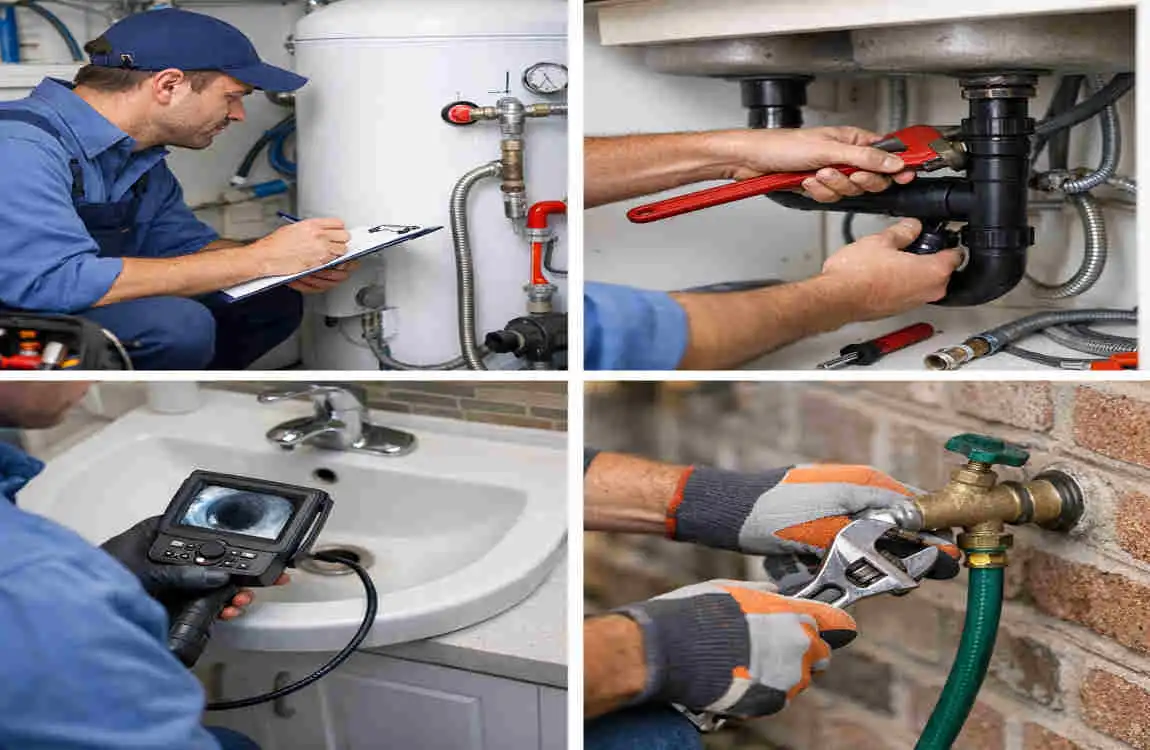
A little maintenance can save you a lot of trouble later. If you take care of your plumbing before problems start, you can avoid many emergency repairs.
Simple habits that help
- Do not pour grease down kitchen drains
- Clean drain strainers often
- Insulate exposed pipes during winter
- Check for leaks every few months
- Flush your water heater once a year
These small steps help your plumbing system last longer and work better.
Why prevention matters
Plumbing problems often start small. A tiny drip can turn into water damage. A slow drain can become a full clog. A hidden leak can raise your water bill and damage your home before you even notice it.
That is why regular checks matter. When you stay ahead of problems, you save both time and money.
When to Call a Professional Plumber
Some plumbing issues are too big for DIY fixes. If you keep trying to repair the same problem and it comes back, it is usually time to call a pro.
Call a plumber if you notice:
- Repeated drain clogs
- Burst or leaking pipes
- Sewer odours inside your home
- Water heater failure
- Major water pressure problems
- Water stains on walls or ceilings
These signs may point to a deeper issue in your plumbing system. A licensed plumber can find the cause and fix it before the damage gets worse.
Why fast action helps
The sooner you address a plumbing problem, the easier it is to control. Early repairs can prevent expensive water damage, protect your home, and extend the life of your plumbing system.
Frequently Asked Questions
What is the most common plumbing problem?
Clogged drains and leaky faucets are among the most common issues in homes.
Why is my water pressure low?
A clogged aerator, mineral buildup, pipe leaks, or a problem with the local water supply may cause low pressure.
Can I unclog a drain without chemicals?
Yes. A plunger, drain snake, or even hot water with dish soap may help with a minor clog.
How often should plumbing be inspected?
A yearly plumbing inspection is a good idea. It can help catch leaks, corrosion, and small issues early.
When should I call a plumber?
Call a licensed plumber if you have burst pipes, sewer backups, major leaks, water heater problems, or issues that do not improve after basic troubleshooting.
| Topic | Information |
|---|---|
| Location | Arvada, Colorado, USA |
| Common Plumbing Issues | Leaky faucets, clogged drains, running toilets, low water pressure, pipe leaks, water heater problems |
| Possible Causes | Mineral buildup, worn-out fixtures, aging pipes, tree root intrusion, frozen pipes, sediment accumulation |
| DIY Fixes | Tighten loose fittings, use a plunger for minor clogs, clean faucet aerators, check shut-off valves |
| When to Call a Plumber | Burst pipes, sewer backups, major leaks, no hot water, recurring drain clogs, gas water heater issues |
| Preventive Maintenance | Inspect pipes regularly, avoid pouring grease down drains, flush the water heater annually, fix small leaks promptly |
| Benefits of Professional Service | Accurate diagnosis, long-lasting repairs, code-compliant work, reduced risk of water damage |
| Average Repair Time | Minor repairs: 30–90 minutes; Major repairs: Several hours to a full day |
| Best Time for Maintenance | Once a year or before winter to prevent freezing and costly damage |
| Homeowner Tip | Address small plumbing problems early to avoid expensive emergency repairs later. |