Floor renovation is one of the best ways to improve your home without changing everything else. A new floor can make a room look brighter, feel cleaner, and even add value to your property.
The good news is that floor renovation does not always have to be expensive. You can choose budget-friendly materials, mid-range upgrades, or luxury finishes depending on your goals and budget.
Why Floor Renovation Is Worth the Investment

Improves Home Appearance
Old floors can make even a nice room look tired. A fresh floor instantly gives your home a more modern and polished look.
Increases Property Value
Good flooring can make your home more attractive to buyers. This is especially helpful if you plan to sell later.
Enhances Comfort and Safety
New floors can feel better underfoot and reduce problems like cracks, chips, or slippery spots.
Makes Cleaning Easier
Many modern flooring materials are easier to clean than old carpet or damaged wood. That saves time and effort every day.
Set Your Floor Renovation Budget
Before choosing a material, think about how much you want to spend. Your budget will help you narrow down the best options.
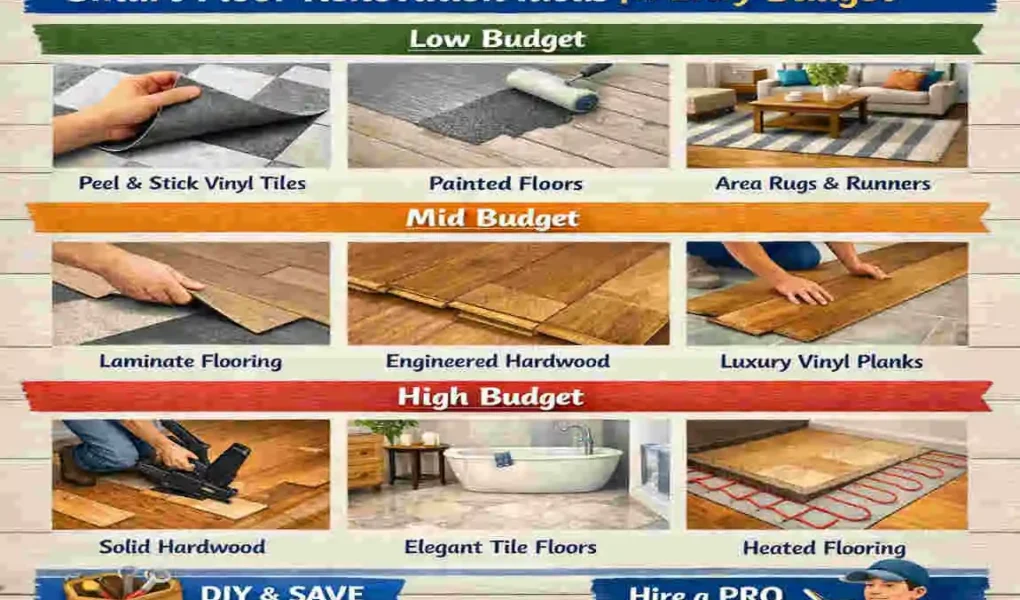
Low Budget Renovation Ideas
If you want to keep costs down, look at vinyl, peel-and-stick flooring, or laminate. These choices are affordable and still look good.
Mid-Range Flooring Upgrades
If you can spend more, engineered wood and tile are strong choices. They offer a more refined look and better long-term value.
Luxury Floor Renovation Options
For a high-end finish, go with hardwood or natural stone. These materials are beautiful and durable, but they cost more.
BudgetFlooring OptionsEstimated Cost
Low Vinyl, Peel-and-Stick, Laminate $2–$5/sq. ft.
Medium Engineered Wood, Tile $5–$10/sq. ft.
High Hardwood, Natural Stone $10–$25+/sq. ft.
Best Flooring Materials for Every Budget
Luxury Vinyl Plank (LVP)
LVP is popular because it looks like wood but costs much less. It also handles moisture well, which makes it great for busy homes.
Laminate Flooring
Laminate is a smart option if you want the look of wood on a budget. It is easy to install and simple to maintain.
Ceramic and Porcelain Tile
Tile works well in kitchens, bathrooms, and entryways. It is tough, water-resistant, and long-lasting.
Hardwood Flooring
Hardwood offers a classic look that many homeowners love. It costs more, but it can last for many years.
Engineered Wood
Engineered wood gives you the look of real wood with better stability in some rooms. It is a strong middle-ground choice.
Natural Stone
Stone floors feel premium and unique. They are durable, but they need proper care and a bigger budget.
Budget-Friendly Floor Renovation Ideas

Refinish Existing Hardwood
If your wood floor is still in good shape, refinishing it can save a lot of money. It can make old floors look almost new.
Install Peel-and-Stick Flooring
This is a simple, low-cost choice for renters or DIY enthusiasts. It is quick to install and easy to replace.
Paint Concrete Floors
If you have concrete floors, paint can give them a clean and modern finish. This works well in basements and utility spaces.
Use Area Rugs for Style
Rugs do not replace flooring, but they can improve the look of a room. They also add warmth and comfort.
Room-by-Room Floor Renovation Tips
Living Room
Choose something stylish and durable, like laminate, LVP, or hardwood. These materials work well in a main living space.
Kitchen
Pick a floor that handles spills and foot traffic well. Tile and vinyl are great choices for kitchens.
Bathroom
Bathrooms need moisture-resistant flooring. Tile or waterproof vinyl is usually the best option.
Bedroom
Bedrooms are a good place for softer, warmer flooring. Wood, laminate, or carpet-style options can work well.
Basement
Basements often have moisture concerns, so choose flooring carefully. Vinyl and tile are usually safer choices.
DIY vs Professional Floor Renovation
DIY Advantages
DIY can save money, especially for simple flooring projects. It also gives you more control over the process.
When to Hire Professionals
Hire a pro for tricky jobs like hardwood, tile, or uneven subfloors. Professional work can help avoid costly mistakes.
Cost Comparison
DIY usually lowers labor costs, but it may take longer. Professional installation costs more, but the result is often cleaner and faster.
Tips to Save Money on Floor Renovation
- Compare multiple quotes
- Buy flooring during sales
- Choose durable materials
- Renovate one room at a time
- Reuse the existing subfloor when possible
These small steps can help you stay on budget without giving up quality.
Common Floor Renovation Mistakes to Avoid
Ignoring Moisture Issues
Moisture can damage flooring over time. Always check for leaks or damp spots before installing new floors.
Choosing the Wrong Material
Not every floor works in every room. For example, wood may not be the best choice for a wet bathroom.
Poor Measurements
Wrong measurements can lead to wasted material and extra cost. Measure carefully before buying anything.
Skipping Underlayment
Underlayment helps with comfort, noise, and support. Do not skip it if your flooring needs it.
Hiring Unqualified Installers
Cheap labor can become expensive if the job is done badly. Always check experience before hiring.
Floor Maintenance After Renovation
Daily Cleaning Tips
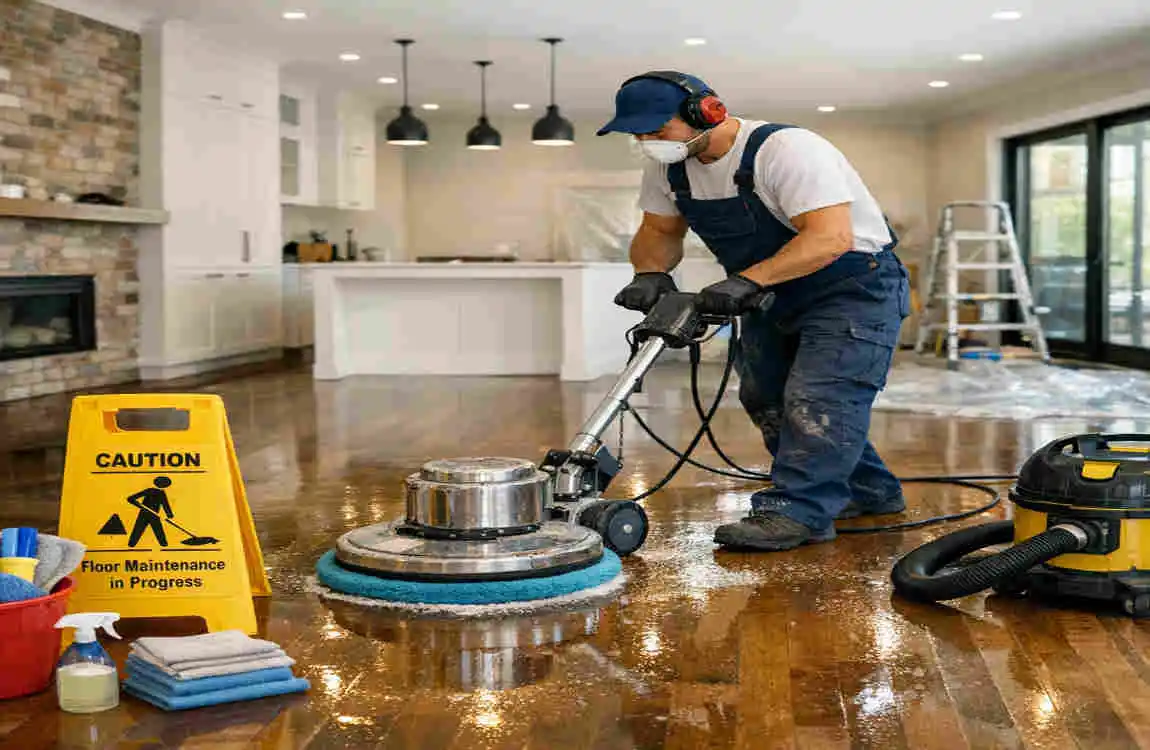
Sweep or vacuum often to remove dirt and dust. This keeps the floor looking fresh.
Preventing Scratches
Use furniture pads and avoid dragging heavy items. Small habits can protect your floor for years.
Protecting Floors from Moisture
Wipe up spills quickly. This is especially important for wood and laminate floors.
Long-Term Maintenance
Follow the care instructions for your flooring type. Regular care helps your investment last longer.
Frequently Asked Questions
What is the average cost of floor renovation?
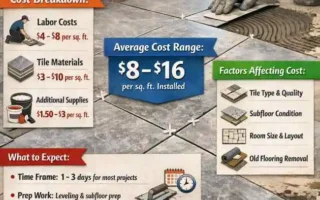
Most projects cost between $2 and $25+ per square foot, depending on the material and labor.
What is the most affordable flooring option?
Vinyl, laminate, and peel-and-stick flooring are usually the cheapest choices.
Which flooring lasts the longest?
Hardwood and natural stone can last for decades with proper care.
Can I renovate floors without replacing them?
Yes. You can refinish hardwood, paint concrete, or, in some cases, install flooring over an existing surface.
| Budget Range | Floor Renovation Idea | Estimated Cost | Best For | Key Benefits |
|---|---|---|---|---|
| Under $200 | Deep cleaning and floor polish | Low | Hardwood, tile | Restores shine and improves appearance |
| $200–$500 | Peel-and-stick vinyl flooring | Low–Medium | Bedrooms, rentals | Affordable, DIY-friendly, stylish |
| $500–$1,500 | Luxury vinyl plank (LVP) flooring | Medium | Living rooms, kitchens | Waterproof, durable, wood-look finish |
| $1,500–$3,000 | Laminate flooring installation | Medium | Whole-home updates | Budget-friendly and scratch-resistant |
| $3,000–$6,000 | Engineered hardwood flooring | High | Main living areas | Elegant appearance and long-lasting value |
| $6,000+ | Solid hardwood or premium tile flooring | Premium | Entire home | Increases home value and offers timeless style |
| Any Budget | Refinish existing hardwood floors | Varies | Hardwood floors | Extends floor life at a lower cost than replacement |
| Any Budget | Add rugs and decorative trim | Low | Any room | Refreshes the space without major renovation |