
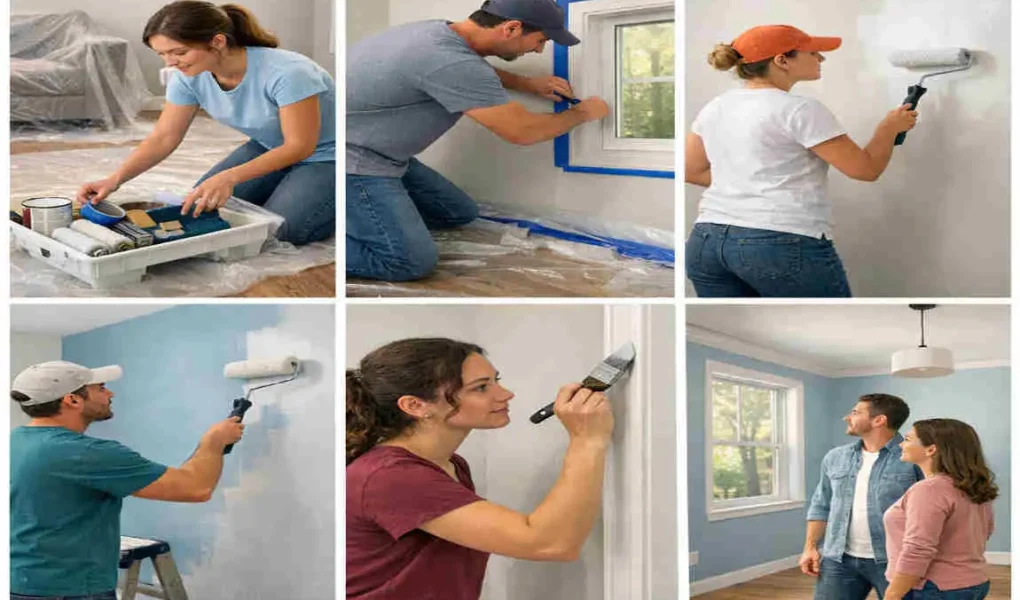
Painting a new home is one of the best ways to make it feel truly yours. Fresh paint can turn plain walls into a warm, welcoming space that matches your style. It also helps cover small marks, adds protection, and gives every room a clean finish.
If you are wondering how to paint a new house interior, the good news is that the process is very manageable when you follow the right steps. You do not need to be a professional to get a smooth result. You need the right tools, good preparation, and a little patience.
Why Paint a New House Interior Before Moving In?
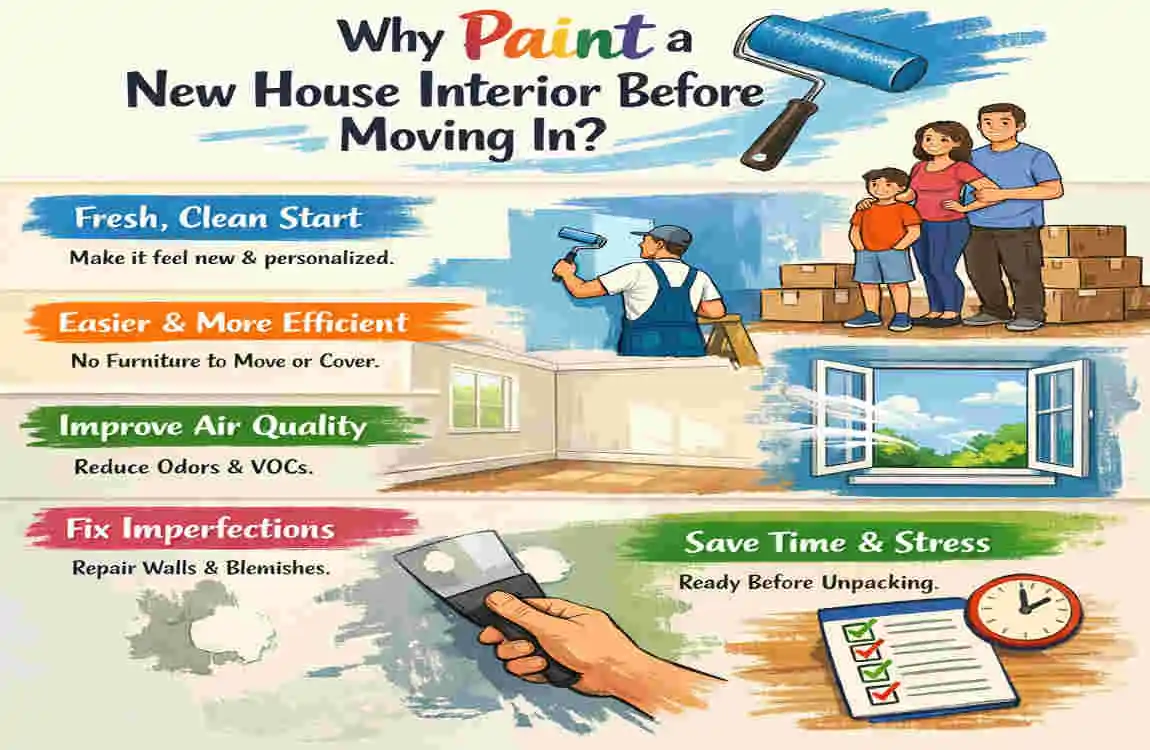
Easier Access to Walls
Painting is much easier when the rooms are empty. You can reach corners, ceilings, trim, and edges without moving furniture around. This saves effort and helps you work faster.
Saves Time and Money
When a house is empty, the painting job usually goes quicker. You also avoid the extra cost of covering or shifting furniture later. That makes the whole project simpler and less stressful.
Creates a Fresh, Personalized Look
A new house often comes with basic builder paint. It may look plain or too neutral. Painting lets you choose colors that feel more like your home and less like a model house.
Tools and Materials You’ll Need
Before you start, gather everything in one place. Having the right supplies ready will make the work go more smoothly.
Essential Painting Supplies
- Paint
- Primer
- Rollers
- Brushes
- Painter’s tape
- Drop cloths
- Paint tray
- Extension pole
Safety Equipment
- Gloves
- Safety glasses
- Face mask
- Ladder
Using quality tools matters. Cheap brushes and rollers can leave streaks, shed hairs, or make the paint look uneven.
How to Prepare a New House for Painting
Good preparation is one of the most important parts of DIY interior painting. If you skip this step, even the best paint may not look right.
Clean the Walls
New walls can still collect construction dust. Wipe them down so the paint sticks properly. A clean surface gives better results.
Repair Small Imperfections
Look for nail holes, dents, or rough patches. Fill them with spackle or wall filler, then let them dry. Small fixes now will help the walls look smooth later.
Sand the Surface
Lightly sand patched areas and rough spots. This helps the paint go on evenly and improves the finish.
Apply Painter’s Tape
Use tape around trim, windows, and outlets. This helps create clean lines and protects areas you do not want to paint.
Protect Floors and Furniture
Place drop cloths on the floor to catch drips. If any furniture is in the room, cover it well.
Choosing the Right Interior Paint
Not all paint is the same. The finish you choose affects both the look and the durability of the walls.
Paint Finishes Explained
- Flat: Hides flaws well, but is less washable
- Eggshell: Soft look, good for most living areas
- Satin: Slight shine, easy to clean
- Semi-gloss: Great for trim, doors, and kitchens
- Gloss: Very shiny, most durable, but shows flaws
Best Paint Colors for New Homes
Light neutral colors are popular because they make rooms feel open and bright. Soft white, beige, light gray, and warm cream are common choices. If you want more personality, you can use accent walls in bedrooms or living spaces.
Water-Based vs Oil-Based Paint
For most interiors, water-based paint is the better choice. It dries faster, has less smell, and is easier to clean up. Oil-based paint is more durable in some cases, but it takes longer to dry and is less beginner-friendly.
How to Paint a New House Interior Step by Step
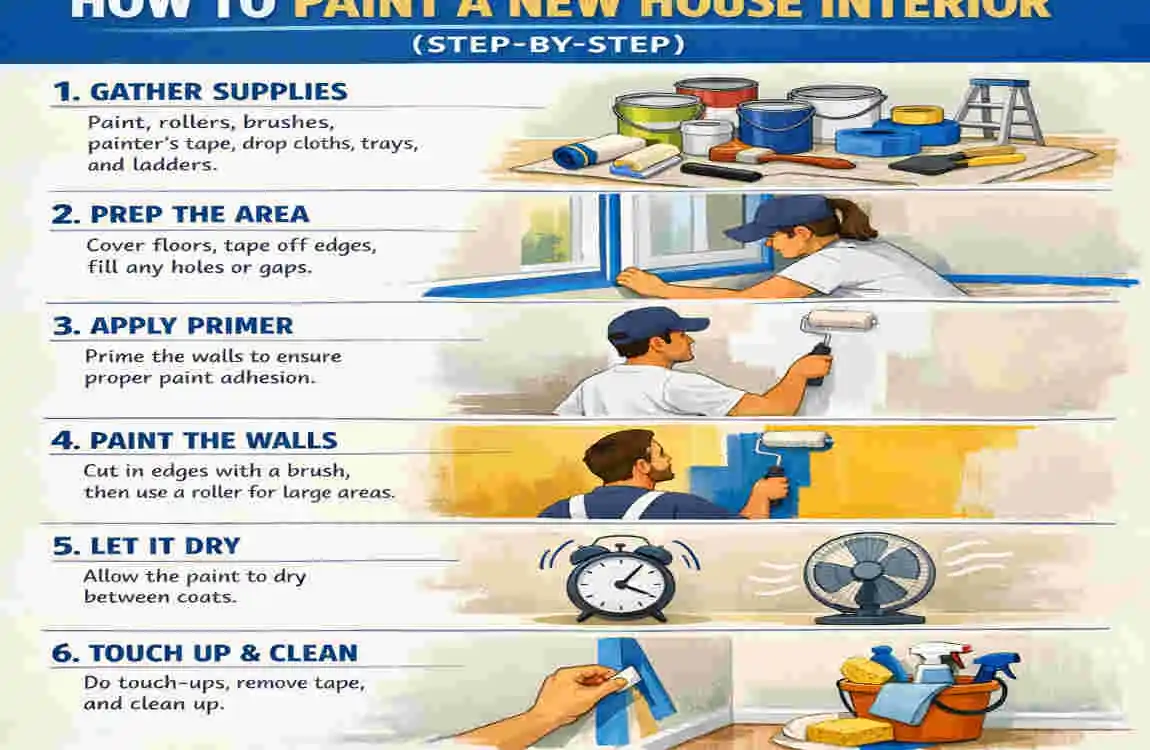
Now let’s look at how to paint a new house interior in a simple, clear order.
Apply Primer
Primer helps the topcoat stick better and gives you a more even finish. It is especially useful on new drywall or patched areas. Do not skip this step if you want the paint to last.
Cut in Around Edges
Use a brush to paint around the ceiling edges, corners, and trim. This is called cutting in. It creates a clean border before you roll the larger wall areas.
Roll the Walls Evenly
Dip the roller into the paint tray and apply paint in smooth, even strokes. Work in sections so the paint stays wet while you blend it. This helps avoid visible lines.
Apply a Second Coat
Most new interiors need at least two coats. The second coat deepens the color and gives the walls a more polished look. Let the first coat dry fully before adding the next one.
Paint Trim, Doors, and Ceilings
After the walls are done, move to the trim, doors, and ceiling if needed. Many painters save these areas for last because they require more precision.
Allow Proper Drying Time
Let the paint dry fully before touching the walls or moving furniture back in. Drying time depends on the paint type, room temperature, and humidity.
Recommended Painting Order
To keep things organized, follow this order:
- Ceiling
- Walls
- Trim
- Doors
- Baseboards
This order helps you avoid dripping paint onto finished areas.
Common Painting Mistakes to Avoid
A few simple mistakes can ruin an otherwise good paint job. Try to avoid these:
Skipping Primer
Primer helps with adhesion and coverage. Without it, the finish may look patchy.
Using Cheap Brushes
Low-quality brushes can leave streaks and loose bristles on the wall. A better brush often yields better results.
Painting Over Dirty Walls
Dust and debris make it harder for paint to stick. Always clean the walls first.
Applying Thick Coats
Thick paint layers can drip, sag, or dry unevenly. Thin, even coats work better.
Removing Tape Too Late
Take the painter’s tape off while the paint is still slightly wet. If you wait too long, the dried paint may peel with it.
DIY vs Hiring Professional Painters
DIY Painting Professional Painting
Lower cost Faster completion
Flexible schedule High-quality finish
Requires more time Higher upfront cost
Great for small projects Ideal for large homes
If you have time and patience, DIY interior painting can save money. But if your home is large or you want a perfect finish, hiring a professional may be worth it.
Interior Painting Cost Estimate
The total cost depends on several factors.
Factors Affecting Cost
- Home size
- Paint quality
- Number of coats
- Labor charges
- Ceiling height
If you paint the house yourself, your main costs will be supplies and paint. If you hire someone, labor becomes a significant part of the total cost.
Tips for a Smooth and Long-Lasting Finish
If you want your paint job to look good for a long time, keep these tips in mind:
- Use quality paint
- Maintain proper ventilation
- Keep a wet edge while rolling
- Paint in good lighting
- Allow enough drying time
These small habits can make a big difference in the final result.
Cleaning Up After Painting
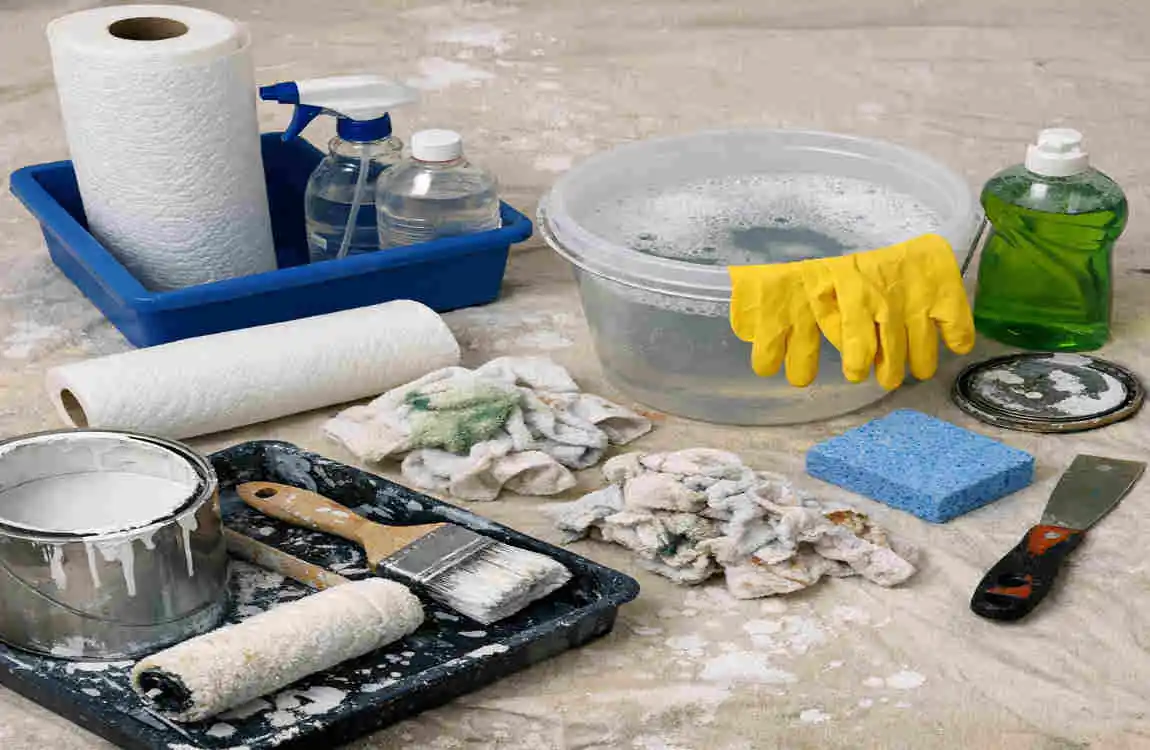
Once the painting is finished, take time to clean up properly.
Remove Painter’s Tape
Pull the tape off carefully before the paint sets. This helps prevent peeling.
Clean Brushes and Rollers
Wash your tools right away so the paint does not dry on them.
Dispose of Paint Properly
Do not pour extra paint down the drain. Follow local disposal rules.
Store Leftover Paint
Keep extra paint in a sealed container so you can use it later for touch-ups.
FAQ
How do you paint a new house interior for the first time?
Start by cleaning the walls, applying primer, cutting in edges, and then rolling the walls with even coats.
Should I use primer before painting new interior walls?
Yes. Primer helps paint stick better and gives a more even finish.
What is the correct order to paint a room?
Paint the ceiling first, then the walls, trim, doors, and baseboards.
How many coats of paint does a new house need?
Most new houses need two coats for good coverage.
How long should paint dry between coats?
It depends on the paint, but many coats need at least a few hours before repainting.
What type of paint is best for interior walls?
Water-based paint is usually the best choice for most rooms.
| Topic | Information |
|---|---|
| Project | Painting the interior of a new house |
| Best Time to Paint | After drywall is finished and fully dry, before moving in |
| First Step | Clean walls and repair any small imperfections |
| Primer Needed? | Yes, apply a quality primer for better paint adhesion and coverage |
| Recommended Paint | Interior latex paint (eggshell for walls, satin or semi-gloss for trim) |
| Painting Order | Ceiling → Walls → Trim → Doors |
| Tools Required | Rollers, brushes, paint tray, painter’s tape, drop cloths, ladder |