

Industrial style interiors are popular because they feel modern, practical, and easy to live with. In industrial modern homes, you often see raw materials, clean lines, open spaces, and simple furniture that does its job without looking fussy. That is a big part of the charm.
In real life, it needs regular care to stay sharp and stylish. Dust collects on exposed surfaces. Metal can rust. Wood can dry out. Concrete can stain. Brick can crumble a little over time.
What Defines Industrial Style Interiors?
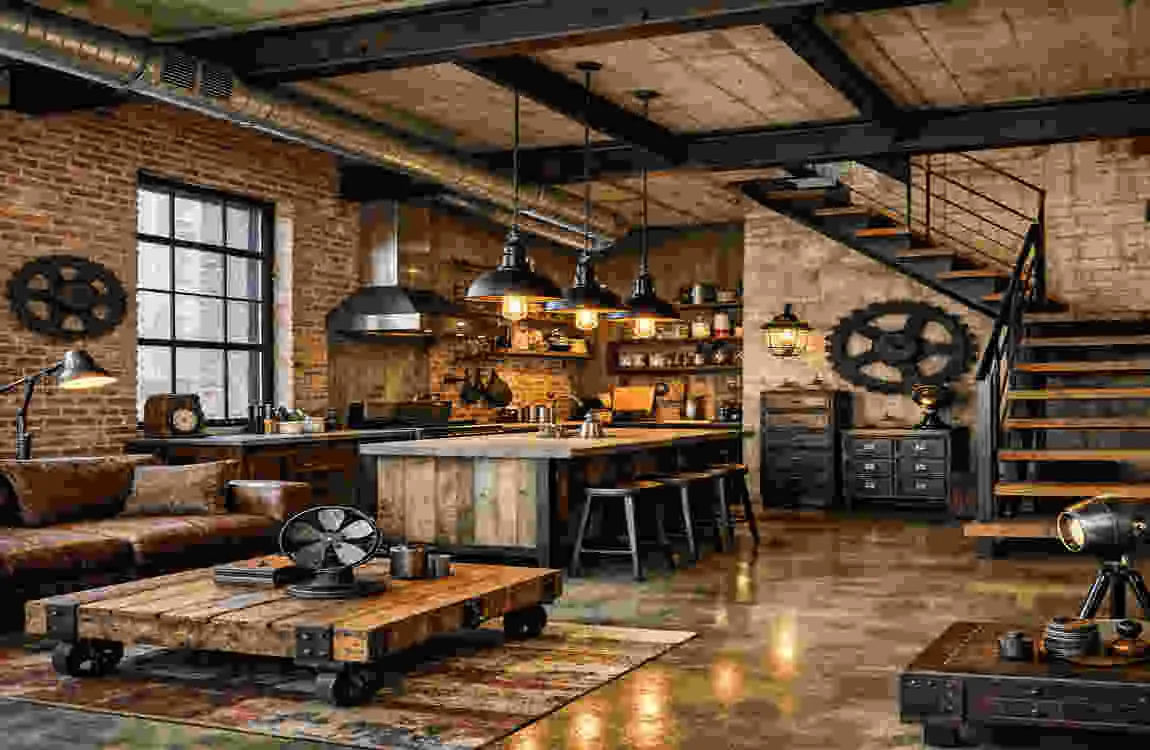
Industrial design is built around honest materials and a simple structure. It often includes exposed brick, raw wood, steel, concrete, and black or gray tones. Instead of hiding pipes, beams, or vents, the style often highlights them.
This look works especially well in industrial modern homes because it blends old and new. You might see vintage-inspired tables beside clean-lined sofas, or rough brick walls paired with sleek lighting. That mix makes the space feel balanced.
Common materials used in industrial interiors
Industrial spaces usually include:
- Brick
- Concrete
- Wood
- Metal
- Leather
- Glass
Why industrial style feels timeless
The style stays popular because it is simple, useful, and easy to adapt. You can make it look more modern, more cozy, or more vintage without changing the whole room.
Why Maintenance Matters in Industrial Modern Homes
Industrial interiors use materials that look raw or unfinished. That is part of the appeal, but it also means small problems show up quickly. A little rust, dust, or moisture can change the whole look.
Maintenance matters for two big reasons. First, it protects your home’s appearance. Second, it helps the materials last longer. If you care for the surfaces early, you avoid bigger repairs later.
Aesthetic reasons to maintain the look
Industrial style depends on a clean, intentional finish. If surfaces become dull, stained, or damaged, the space can start to look messy rather than stylish.
Functional reasons to maintain the materials
Regular care keeps brick from crumbling, wood from drying, and metal from rusting. That means your home stays strong, safe, and comfortable.
How to Care for Exposed Brick Walls
Brick is one of the most beautiful parts of industrial design, but it needs gentle care. Dust can sit inside the texture, and moisture can weaken the surface over time.
Use a soft brush, microfiber cloth, or vacuum brush attachment to remove dust. If you see a stain, spot-clean it with a mild cleaner and a damp cloth. Do not scrub too hard, because the brick can wear down.
Sealing the brick is also helpful. A good seal can reduce moisture damage and help prevent crumbling. Check the mortar lines too. If you notice cracking or missing pieces, fix them early before the damage spreads.
Best cleaning tools for brick
- Soft brush
- Dry microfiber cloth
- Vacuum with brush attachment
- Mild cleaner and water
When to reseal brick surfaces
Reseal when the surface starts to absorb water quickly or looks dull and dusty even after cleaning.
How to Maintain Concrete Floors and Surfaces
Concrete gives industrial modern homes their strong, clean look. It is durable, but it can still stain, scratch, and crack.
Sweep often to remove dirt that can act like sandpaper. Mop with a gentle cleaner and avoid harsh chemicals, since they can dull the finish. If you spill something, clean it right away. Concrete can absorb stains if you wait too long.
Sealing concrete is a smart move. It helps protect against moisture, marks, and everyday wear. If your floors or counters are sealed well, they will stay fresh-looking much longer.
Preventing scratches on concrete floors
Use felt pads under furniture. Avoid dragging heavy items. If possible, place rugs in high-traffic areas.
Cleaning spills before they stain
Wipe spills as soon as they happen. This is especially important for coffee, oil, wine, and colored drinks.
How to Care for Wood in Industrial Interiors
Wood adds warmth to industrial spaces. It softens the harder surfaces and makes the home feel more welcoming. But wood can fade, scratch, or dry out if you ignore it.
Clean wood gently with a wood-safe cleaner and a soft cloth. Do not soak it in water. Too much moisture can warp the surface or damage the finish. For reclaimed or distressed wood, go even easier, because older wood can be more delicate.
If the wood looks dry, use oil or a finish made for that type of surface. This helps protect it and bring back some of its natural look.
Caring for reclaimed wood furniture
Reclaimed wood often has more texture and character, but it may also have small cracks or uneven spots. Clean it carefully and check for loose joints.
Protecting wood from sunlight and humidity
Try to keep wood away from direct sunlight and extreme humidity. Both can change the material’s color and shape over time.
How to Prevent Rust on Metal Features
Metal is everywhere in industrial modern homes. You see it in stair railings, table legs, lighting frames, shelves, and window details. It looks stylish, but it needs protection.
Keep metal clean and dry. Dust it often and wipe away moisture quickly. If a piece is exposed to water or steam, dry it right after cleaning. For added protection, use a rust inhibitor or a coating designed for that metal finish.
If you spot early rust, deal with it fast. The longer you wait, the harder it is to stop.
Best metals for easier maintenance
Powder-coated steel and stainless steel are often easier to maintain because they resist rust better than untreated metal.
How to clean matte black finishes
Use a soft cloth and a mild cleaner. Avoid rough sponges, because they can leave marks on the finish.
How to Keep Lighting Fixtures Looking Good
Lighting is a major part of the industrial look. Pendant lights, exposed bulbs, sconces, and metal cages all add character. But dust and grime can make them look old fast.
Turn off the power first, then dust the fixture with a dry cloth. For glass shades, use a gentle glass cleaner. For metal parts, wipe with a soft, slightly damp cloth. Check cords, bulb fittings, and brackets while you clean.
Also, replace old bulbs when needed. Energy-efficient bulbs are a smart choice because they last longer and help keep the style practical.
Cleaning glass shades and metal cages
Remove dust often so the light stays bright. A clean fixture makes the whole room look fresher.
Choosing bulbs that fit the style
Use warm or neutral light bulbs to make the space feel softer and more inviting.
How to Manage Dust in Open Industrial Spaces
Open layouts and exposed surfaces make industrial spaces beautiful, but they also collect dust quickly. Beams, vents, shelves, and decorative items all need attention.
A simple dusting routine works best. Wipe flat surfaces, vacuum floors, and clean high spots regularly. If your home holds a lot of dust, an air purifier can help. So can keeping clutter under control.
Weekly cleaning checklist
- Dust shelves and decor
- Vacuum rugs and floors
- Wipe tables and metal surfaces
- Check vents and corners
- Remove clutter from open surfaces
Best storage solutions for industrial homes
Use closed baskets, low-profile cabinets, and simple storage benches. These keep the space tidy without breaking the style.
How to Keep Furniture Functional and Stylish
Furniture in industrial interiors should look good and last. Strong materials like leather, wood, and metal work well because they match the style and hold up over time.
Clean upholstery and cushions based on the material. Wipe tabletops regularly and protect them from hot dishes, water rings, and scratches. If you own vintage pieces, check them often for weak joints or worn finishes.
Care tips for leather sofas and chairs
Wipe leather with a soft cloth and condition it when it starts to feel dry. This helps prevent cracking.
Maintaining vintage furniture pieces
Vintage furniture can add a lot of character, but handle it gently. Small repairs early can save a lot of trouble later.
How to Preserve the Industrial Look Without Making It Feel Cold
Industrial style can sometimes feel harsh if not balanced well. The best way to soften it is with textiles, plants, and warm accents.
Add a rug, some cushions, and simple curtains. Use natural textures like linen, cotton, jute, or wool. Bring in a few plants to add life and color. Just do not overdecorate. The style works best when it stays open and uncluttered.
Warm accents that still fit the style
- Neutral rugs
- Soft throws
- Wooden bowls
- Green plants
- Warm lighting
Minimal styling mistakes to avoid
Do not fill every surface. Too many decor items can hide the structure that makes the industrial style special.
Seasonal Maintenance Tips
Different seasons affect industrial interiors in different ways. Humidity can affect metal and wood. Sunlight can fade surfaces. Dust can build up more in dry months.
In spring and summer, check for moisture and clean dust more often. In fall and winter, watch for dry air, condensation, and extra grime from closed windows and heavy use.
A simple seasonal routine keeps your home looking cared for all year.
Spring and summer upkeep
- Check for rust
- Clean windows and light fixtures
- Watch humidity levels
- Seal or polish materials if needed
Fall and winter maintenance
- Inspect heating vents
- Clean off condensation
- Dust more often
- Protect wood from dry indoor air
Common Mistakes to Avoid
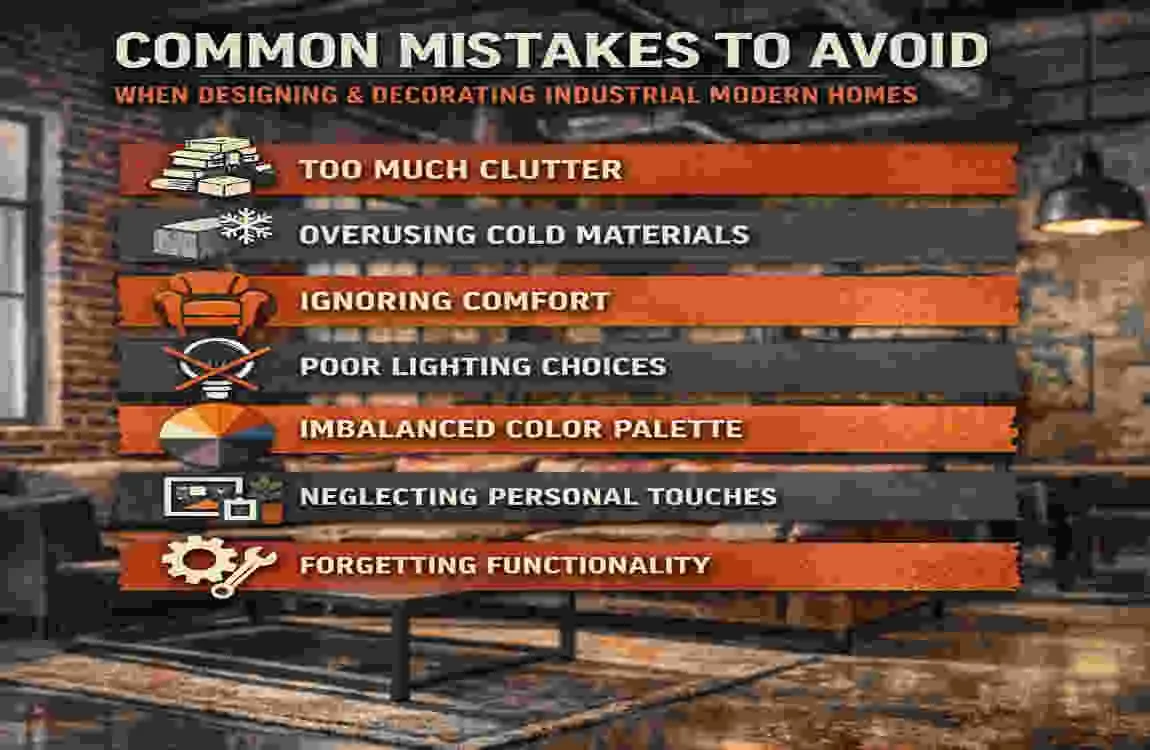
A few mistakes can make industrial interiors wear out faster than they should. Avoid harsh cleaners on delicate surfaces. Do not ignore moisture near brick, concrete, or metal. Do not let stains or rust sit too long.
Also, do not choose furniture just because it looks industrial. It still needs to be durable and easy to maintain. Good style should work in real life, too.
Simple Maintenance Routine for Industrial Modern Homes
You do not need a complicated plan. A short routine is enough if you stick to it.
Daily upkeep checklist
- Tidy visible clutter
- Wipe small spills
- Remove light dust
- Straighten furniture and decor
Monthly inspection checklist
- Check seals on brick and concrete
- Inspect metal for rust
- Treat dry wood
- Clean lighting fixtures
- Refresh cushions, rugs, and decor
FAQ
How do I clean industrial-style interiors without damaging them?
Use soft cloths, gentle cleaners, and products made for each material. Avoid rough scrubbers on wood, concrete, and metal.
How often should I maintain an industrial style interior?
Light cleaning should happen weekly. Deeper checks are best done monthly, with seasonal care as needed.
What colors work best in industrial modern homes?
Neutral shades work best, such as gray, black, white, brown, and muted earth tones.
Can industrial interiors still feel cozy?
Yes. Add rugs, warm lighting, plants, cushions, and natural textures to soften the look.
What is the biggest maintenance challenge in industrial interiors?
Usually, it is moisture, dust, and wear on raw materials.
| Industrial Interior Maintenance Tip | What to Do | Why It Matters |
|---|---|---|
| Clean Exposed Materials | Dust metal, brick, concrete, and wood surfaces weekly with a soft cloth | Prevents buildup and keeps the raw industrial look fresh |
| Protect Metal Fixtures | Use anti-rust spray or metal polish on steel and iron furniture | Helps avoid corrosion and maintains shine |
| Maintain Brick Walls | Seal exposed brick every few years | Reduces moisture damage and dust shedding |
| Care for Wooden Elements | Apply wood oil or polish to reclaimed wood furniture | Preserves texture and prevents cracking |
| Keep Neutral Colors Balanced | Use black, gray, brown, and white tones consistently | Maintains the authentic industrial aesthetic |
| Use Warm Lighting | Install Edison bulbs or warm LED lighting | Softens the rough industrial atmosphere |
| Avoid Overcrowding | Keep open spaces and minimal décor | Enhances the spacious warehouse-inspired design |
| Refresh Textiles | Clean leather sofas, rugs, and curtains regularly | Adds comfort while keeping the space stylish |
| Inspect Pipes & Fixtures | Check exposed pipes and hardware for leaks or wear | Keeps functional design elements in good condition |
| Add Greenery Carefully | Use simple indoor plants in metal or concrete pots | Brings warmth without losing the industrial vibe |