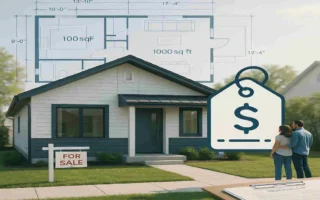

Selling a home that still has tenants can feel a little more complicated than selling an empty property. You have to think about price, timing, tenant rights, and buyer interest all at once.
The good news is that it can still go smoothly. With the right plan, clear communication, and a little patience, you can sell the property without creating unnecessary stress for yourself or your tenants.
Understand Your Tenant’s Rights
Before you list the property, start with the basics. Read the lease agreement carefully and check your local rental rules.
This step matters because tenants usually have legal protections. They may need advance notice for showings and may have rules about privacy, access, and moving timelines.
Fixed-term lease vs. month-to-month
If the tenant has a fixed-term lease, you may need to wait until the lease ends. In some cases, you can still sell the property with the tenant in place.
If the agreement is month-to-month, you may have more flexibility. Even then, you still need to give proper notice before making changes or showing the home.
Why this matters
When you understand the rules early, you avoid delays and conflicts later. It also helps you plan whether to sell to a buyer who wants the tenant to stay or to someone who wants an empty property.
Communicate Early With Your Tenants
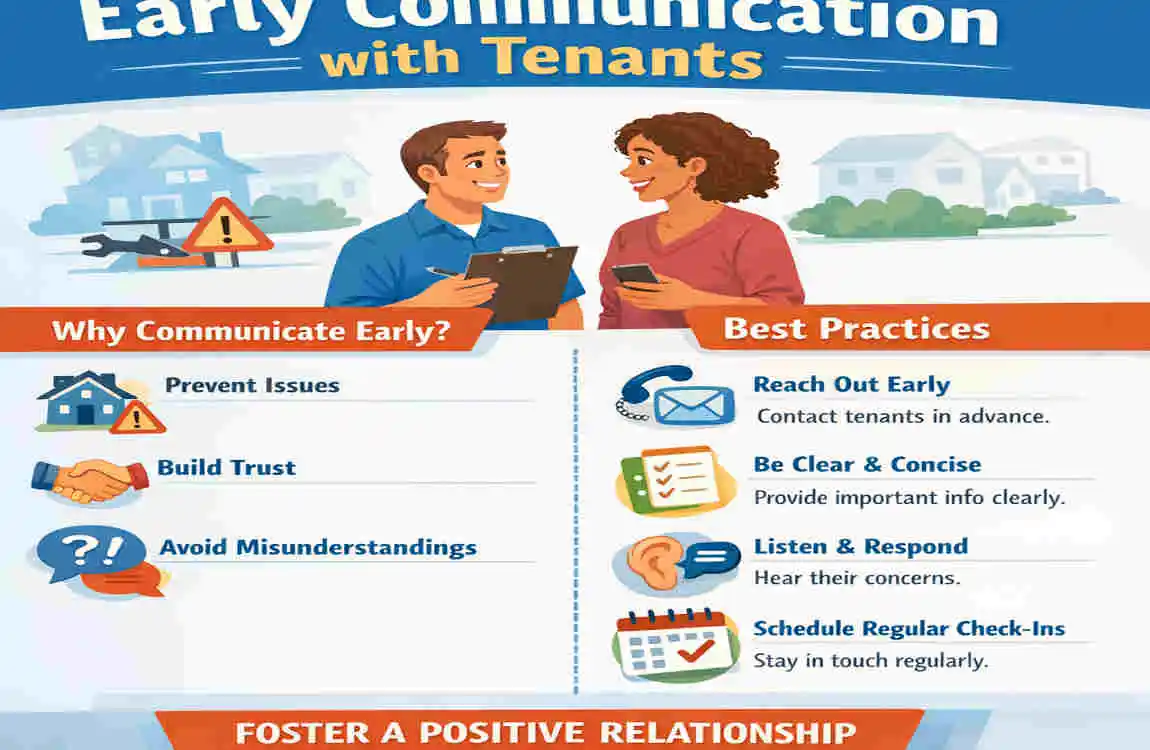
Good communication can make a big difference. Let your tenants know your plans as soon as possible.
When people feel informed, they are usually more cooperative. When they feel surprised, they may become tense or resistant.
What to explain clearly
Tell them:
- When the property will be listed
- How viewings will be scheduled
- What changes they may need to prepare for
- What support or notice they will receive
Keep the tone respectful.
Try to be direct but kind. Your tenants do not need a long speech. They need clear, honest information.
A respectful conversation can reduce frustration and make the whole process easier for everyone.
Consider Selling to Another Investor
One of the easiest ways to sell a tenant-occupied home is to market it to real estate investors.
Why investors may like tenant-occupied homes
Many investors want a property with existing tenants because it provides immediate income. That means they do not have to look for renters after purchase.
This can make your home more attractive to a certain type of buyer and may help the sale move faster.
A simpler transition
Selling to an investor may also reduce disruption for the tenant. In some cases, the tenant can stay in the home after the sale, which creates a smoother handoff.
If your goal is to avoid a vacancy period, this can be a smart option.
Prepare the Property for Buyers

Even when tenants live in the home, presentation still matters. Buyers want to see a property that looks cared for and easy to maintain.
Focus on small improvements.
You do not always need a full renovation. A few simple updates can help a lot:
- Fresh paint
- Minor repairs
- Better curb appeal
- Updated fixtures
Talk before making changes.
Always discuss plans with the tenants first. Since they live there, they should know what is happening and when.
If you work with them instead of around them, you are more likely to get their support.
Schedule Showings Carefully
Showings can be tricky in an occupied property. The goal is to allow buyers to view the home without making life difficult for the tenant.
Use a thoughtful schedule.
Try to:
- Give proper notice
- Avoid last-minute visits
- Group appointments together when possible
- Respect tenant privacy and belongings
Why this helps
If showings are too frequent or disorganized, tenants may become frustrated. That can affect how the home looks and feels during visits.
A calm, well-planned schedule creates a better experience for everyone and helps buyers focus on the property itself.
Offer Incentives When Appropriate
Selling a home can be inconvenient for tenants. They may need to keep the property neat, adjust their routines, or handle more visitors than usual.
A small incentive can encourage cooperation and reduce tension.
Possible incentives include:
- Reduced rent during the selling period
- Help with moving costs
- Flexible move-out dates
- A positive rental reference
Why incentives work
These gestures show respect. They also help tenants feel their efforts are being recognized.
You do not always need to offer something big. Even a small act of flexibility can improve the relationship and make the process smoother.
Highlight the Property’s Investment Value

When you market a tenant-occupied home, think about what buyers actually want to know.
Some buyers are not looking for a family home right away. They are looking for income potential.
What to highlight
Make sure you point out things like:
- Reliable rental income
- Good tenant history
- Strong investment potential
- Well-maintained condition
Why this matters
A property with tenants already in place can be very appealing to investors who want immediate cash flow. If the home has been cared for and the tenants are dependable, that can become a strong selling point.
Strategy Benefit
Review lease terms Avoid legal problems
Communicate early Maintain tenant cooperation
Target investors Attract suitable buyers
Plan showings Reduce tenant disruption
Improve presentation Increase buyer interest
Work With an Experienced Real Estate Professional
Selling a tenant-occupied property is easier with the right help. A real estate professional who understands rental homes can guide you through the process.
What they can help with
They can assist with:
- Tenant communication
- Pricing strategy
- Showing schedules
- Buyer targeting
- Lease-related questions
Why experience matters
An experienced agent can help you decide whether to sell the property while occupied, wait until it becomes vacant, or focus on investors.
That kind of guidance can save time, reduce stress, and help you make a better decision.
Frequently Asked Questions
Can I sell my house while tenants are living there?
Yes. Many homes are sold while tenants still live in them. You need to follow the lease terms and local rental laws.
Do tenants have to leave when a house is sold?
Not always. If the buyer agrees to keep the rental arrangement in place, the tenants may stay after the sale.
Is it harder to sell a home with tenants?
It can take more planning because of showings and tenant rights. Still, many buyers, especially investors, are interested in tenant-occupied homes.
How can I make tenants cooperate during a sale?
Be clear, give proper notice, stay flexible, and offer fair incentives when needed. Respect goes a long way.
| Strategy | Description | Benefits |
|---|---|---|
| Review the Lease Agreement | Check tenant rights, lease terms, and sale conditions before listing the property. | Avoids legal issues and protects both parties. |
| Communicate Early With Tenants | Inform tenants about the sale process and expected timelines. | Builds trust and reduces conflicts. |
| Offer Flexible Showings | Schedule property visits at convenient times for tenants. | Makes inspections easier while respecting privacy. |
| Highlight Rental Income | Market the property as an investment opportunity with existing tenants. | Attracts real estate investors and landlords. |
| Maintain the Property | Ensure the home is clean, safe, and well-maintained during the sale. | Improves buyer interest and property value. |
| Consider Tenant Incentives | Offer small benefits for cooperation, such as moving assistance or flexible arrangements. | Encourages smoother transactions. |
| Work With an Experienced Agent | Choose a real estate professional familiar with tenant-occupied properties. | Helps handle negotiations and legal requirements. |
| Be Transparent With Buyers | Clearly disclose tenant details, lease terms, and rental information. | Creates buyer confidence and prevents surprises. |