
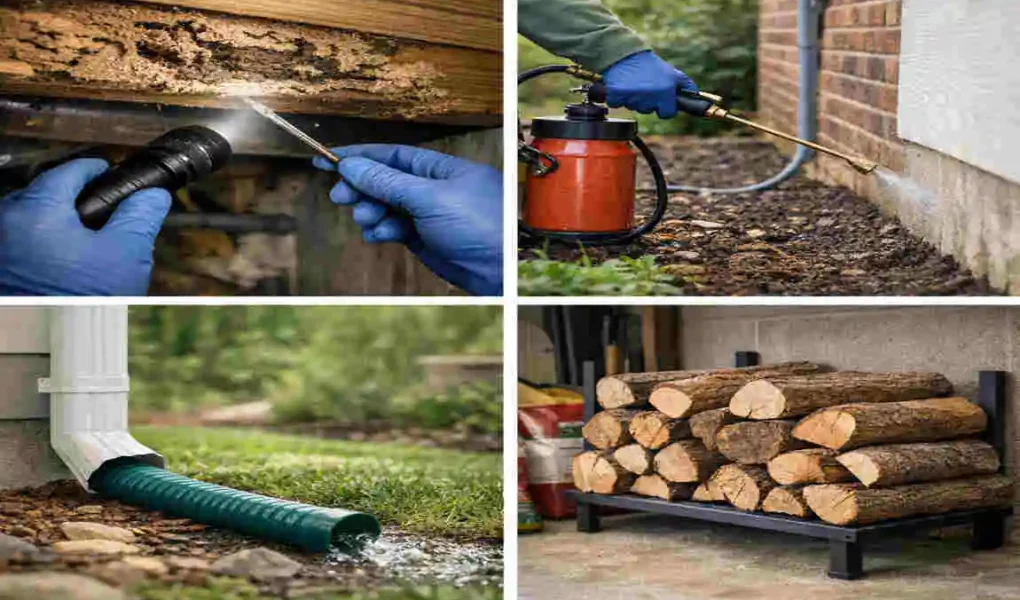
Termites can cause serious and hidden damage to a home. They often work quietly, so many homeowners do not notice the problem until repairs become expensive.
The good news is that termite prevention does not have to be complicated. With a few simple home maintenance habits, you can reduce risk and help protect your property over the long term.
Keep Moisture Away From Your Home
Moisture is one of the biggest reasons termites move in. Damp spaces make it easier for them to survive and build colonies.
Fix leaks quickly
Leaky pipes, dripping faucets, and roof leaks should never be ignored. Even small leaks can create a wet area that attracts termites.
Clean gutters and improve drainage
Clogged gutters can cause water to overflow near your clean home. Over time, that extra moisture can soak into wood and soil around the foundation.
Make sure rainwater drains away from the house rather than pooling at the base.
Ventilate damp areas
Basements, crawl spaces, and attics can accumulate moisture if they lack adequate airflow. Good ventilation helps keep these spaces dry and less inviting to pests.
Simple moisture-control checklist:
- Fix plumbing leaks fast
- Clean gutters regularly
- Direct water away from the foundation
- Improve airflow in damp indoor spaces
Keeping your home dry is one of the easiest and most effective ways to reduce termite risk.
Inspect Wooden Structures Regularly
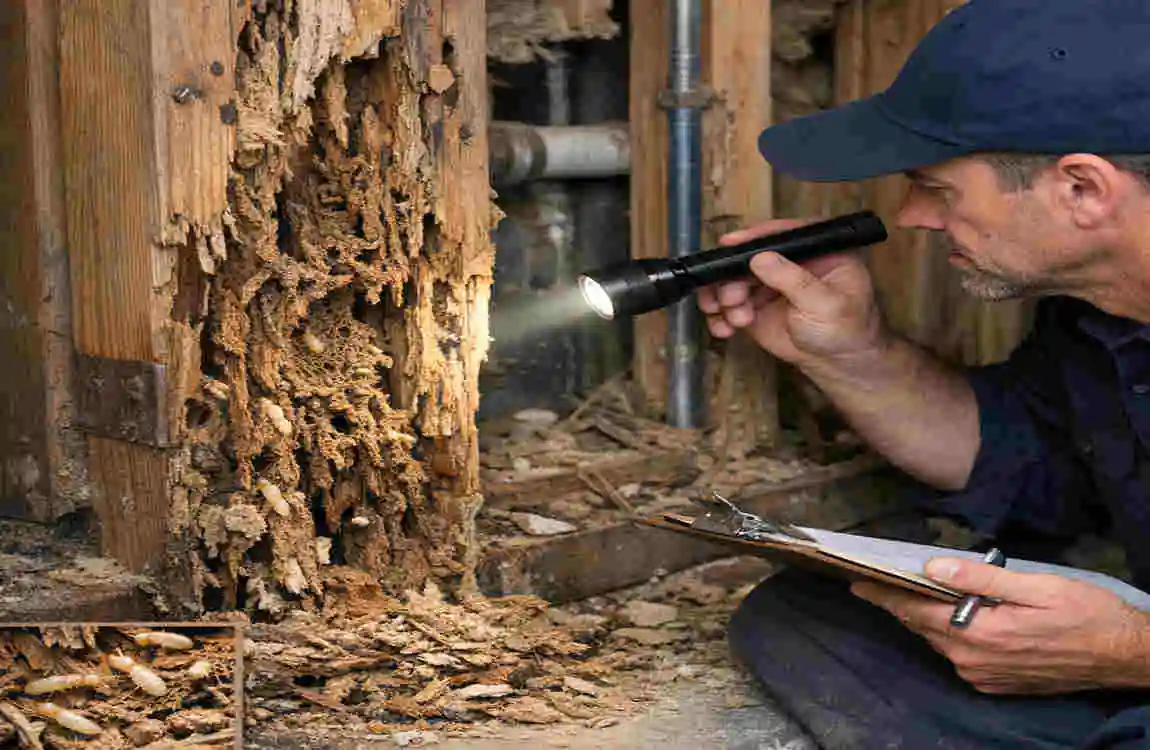
Termites feed on wood, so regular checks are very important. The earlier you spot damage, the easier it is to handle.
Areas to check
Look closely at:
- Wooden doors and window frames
- Decks and fences
- Floorboards
- Roof beams
- Storage spaces with wood materials
Warning signs to watch for
Some signs are easy to miss, so take your time when checking. Look for:
- Hollow-sounding wood
- Small cracks or holes
- Termite droppings
- Mud tubes along walls or foundations
Why regular inspection helps
A quick monthly check can help you catch problems before they spread. You do not need to be an expert to notice changes in the wood around your home.
If something looks soft, damaged, or unusual, it is worth getting it checked sooner rather than later.
Remove Wood and Organic Debris Near Your Home
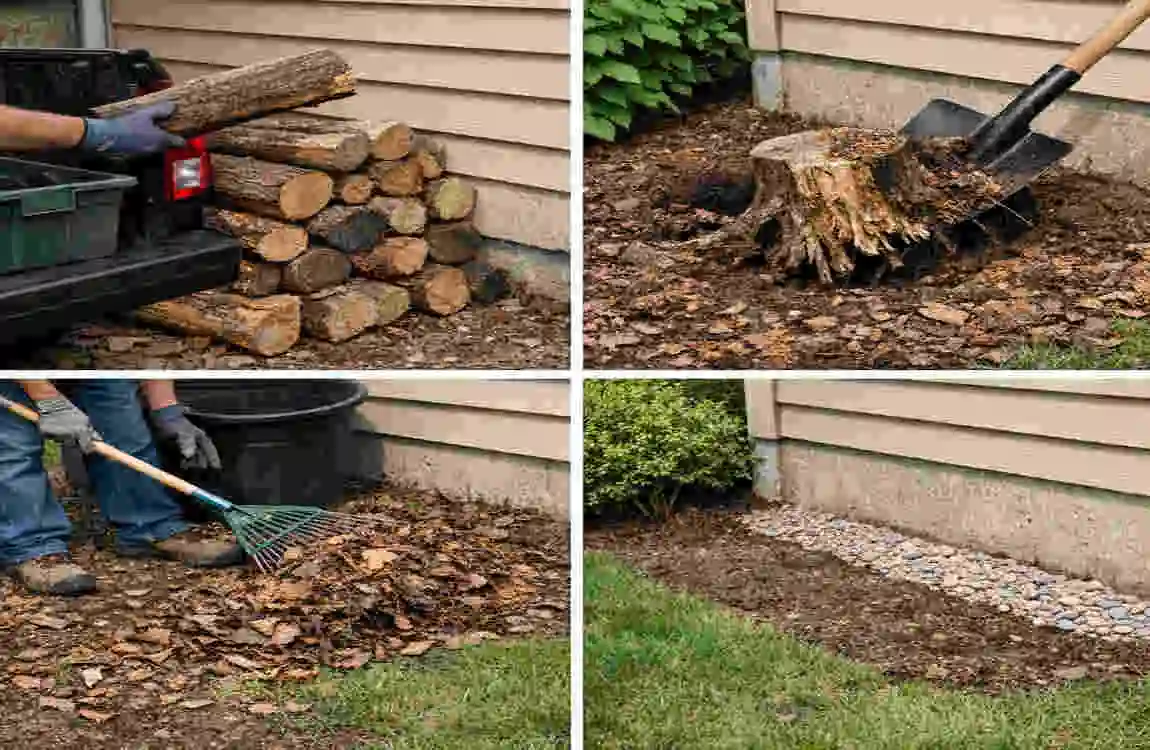
Termites are more likely to move toward your house if they find easy food sources nearby. Wood piles and yard debris can give them exactly that.
Keep firewood away from the house.
Firewood stored right beside the wall can become an open invitation to termites. It is better to keep it in a dry area away from your clean home.
Clear out stumps and branches.
Old tree stumps, fallen limbs, and dead branches can also attract termites. Cleaning these up reduces shelter and food sources around your property.
Use termite-smart landscaping choices.
Some yard materials hold moisture more than others. That is why it helps to choose safer alternatives when possible.
Problem Area Recommended Solution
Firewood near walls Store wood away from the house
Tree stumps Remove old stumps from the yard
Wooden mulch Use termite-resistant alternatives
Fallen branches Clean outdoor debris regularly
Why this matters
Creating a clear space around your clean home makes it harder for termites to move from the yard into the structure.
Schedule Professional Termite Inspections
Even if you keep your home clean and dry, termites can still hide in places you cannot easily see. That is why professional inspections are so useful.
What experts can check
A termite professional can inspect:
- Foundation areas
- Crawl spaces
- Hidden wooden structures
- Moisture-prone areas
- Signs of active termite movement
Why inspections are important
Some termite damage happens behind walls or under flooring, so homeowners may not notice it right away. A trained inspector knows where to look and what signs to spot.
How often should you do it?
For many homes, a yearly inspection is a smart choice. This is especially important if your clean home is older or located in an area where termites are common.
A professional inspection gives you peace of mind and helps catch hidden problems early.
Why Termite Prevention Matters
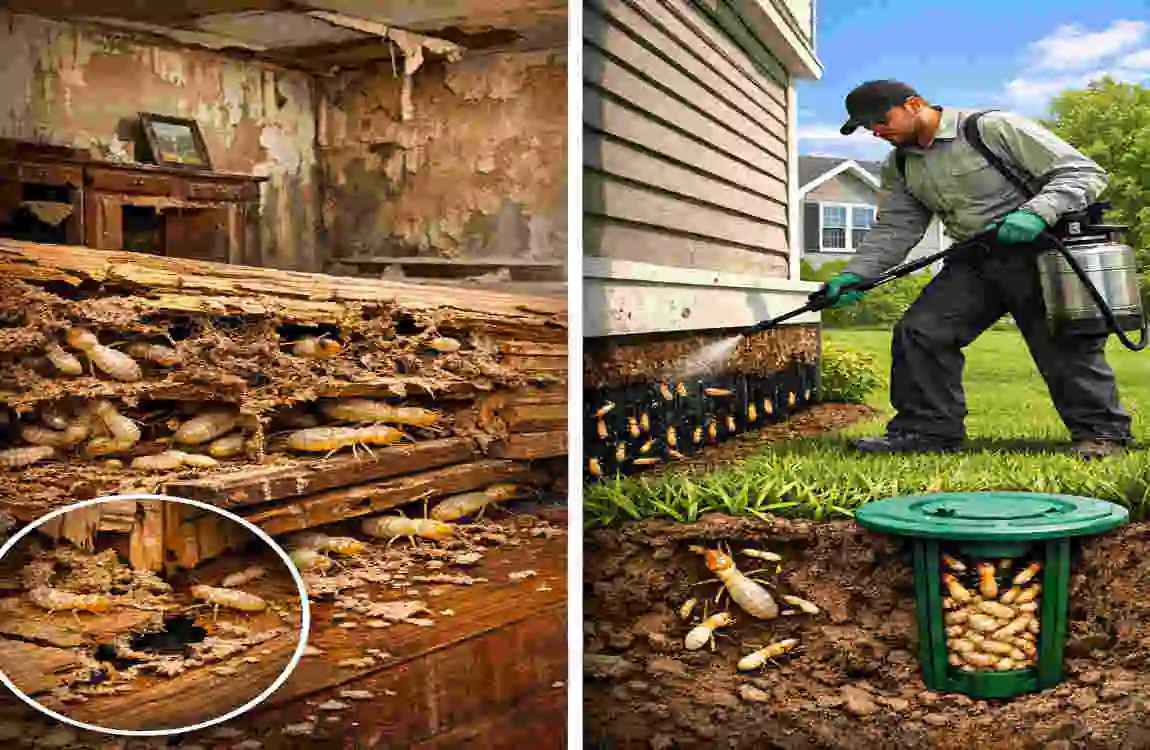
Termites eat wood and other cellulose materials, which means they can damage clean floors, walls, beams, and even structural supports. Once they settle in, the damage can spread fast.
That is why prevention is so important. A few regular checks and small repairs can save you from major repair costs later.
What makes termites such a problem?
They are hard to spot early. Many homeowners only notice them after they have already caused damage inside walls, under floors, or around the foundation.
The smart approach
Instead of waiting for an infestation, it is better to make your home less attractive to termites in the first place.
Frequently Asked Questions
What are the first signs of termite damage?
Common signs include hollow-sounding wood, small holes in wood, mud tubes near foundations, discarded wings, and damaged flooring.
How often should I inspect my home for termites?
A termite inspection once a year is a good habit, especially in termite-prone areas.
Can termites damage a house foundation?
Yes. They can damage wooden parts connected to the foundation and weaken structural areas over time.
Does keeping a house dry prevent termites?
It does not guarantee full protection, but it greatly lowers the risk by making the home less attractive to termites.
| Maintenance Tip | What to Do | Why It Helps |
|---|---|---|
| Control Moisture Around Your Home | Fix leaks, clean gutters, and keep the foundation area dry. | Termites are attracted to damp wood and moisture-rich areas. |
| Inspect Wooden Structures Regularly | Check doors, windows, floors, and wooden beams for cracks or damage. | Early detection helps prevent costly termite infestations. |
| Keep Wood Away from Soil | Store firewood, mulch, and wooden items away from your home’s foundation. | Reduces direct access points for termites to enter your house. |
| Schedule Professional Inspections | Have your home checked by termite experts periodically. | Professional inspections can identify hidden termite activity before major damage occurs. |