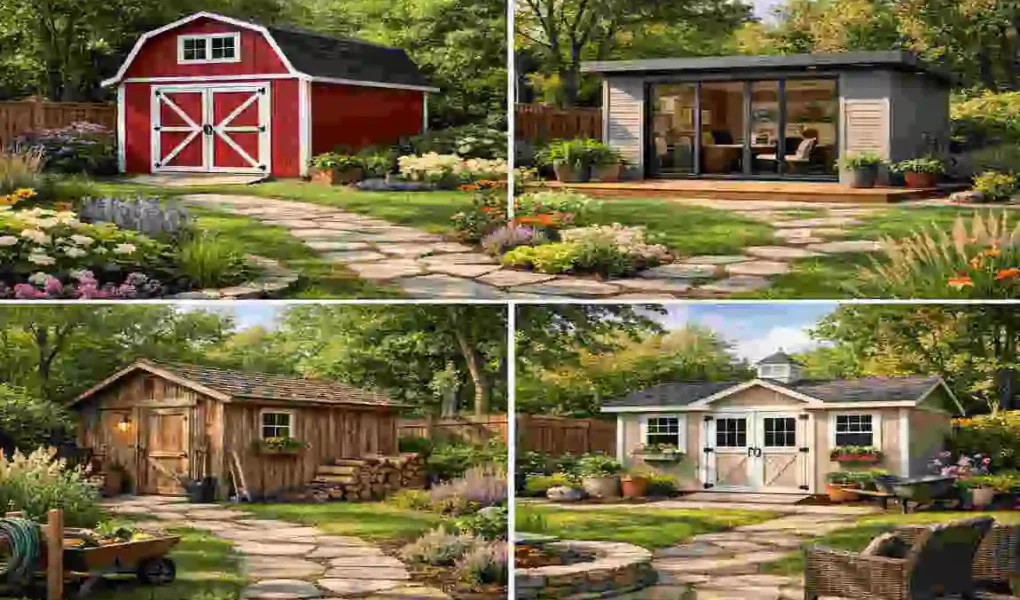
A backyard shed can do much more than hold a few tools. It can help you stay organized, protect outdoor items, and even give you extra space to work or relax.
You need to think about size, material, purpose, placement, and features. The better you plan, the more useful your shed will be for years to come.
Why Choosing the Right Shed Matters
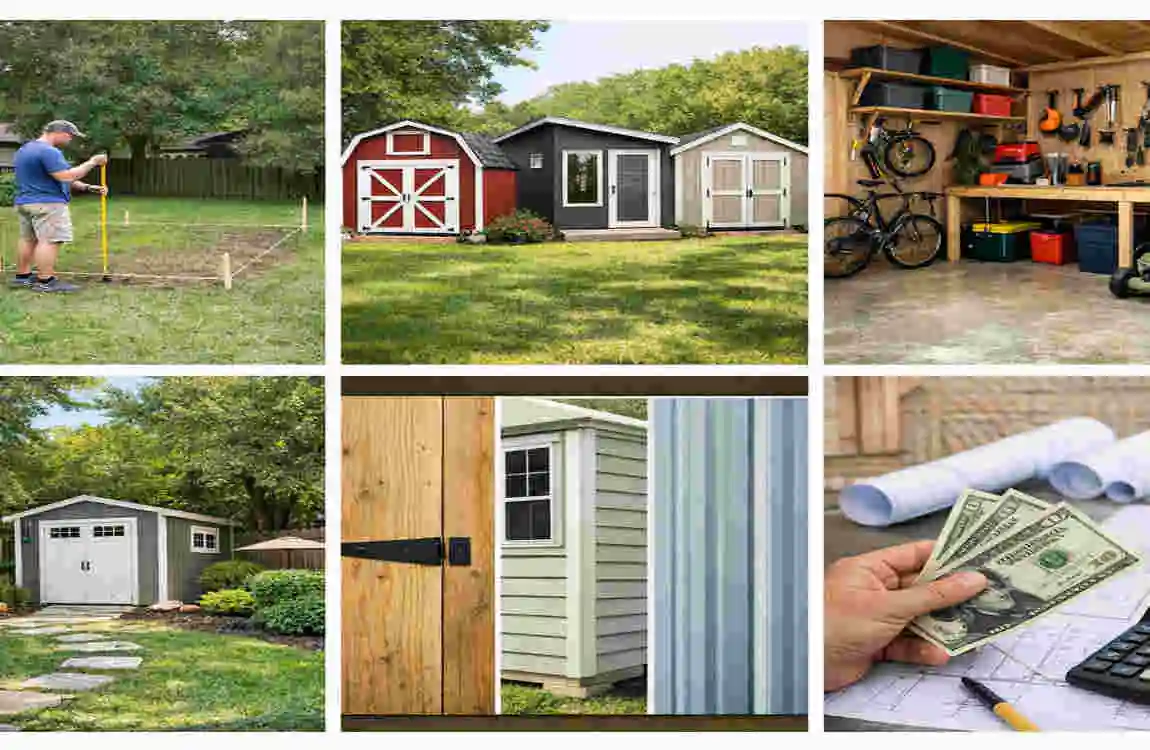
The right shed can make your backyard feel more open and more useful. It gives your things a proper place and helps keep your home from feeling cluttered.
A good shed also protects your belongings from rain, sun, wind, and snow. That matters if you store tools, bikes, garden supplies, or seasonal items outside.
What happens when you choose the wrong shed?
If the shed is too small, too weak, or placed in the wrong spot, you may run into problems later. You could face moisture damage, poor access, or expensive repairs.
That is why it helps to plan carefully before buying.
Factors to Consider When Choosing a Backyard Shed
Determine Your Shed Purpose
Before you look at styles or prices, think about how you will use the shed. Your purpose should guide every other choice.
Common shed uses include:
- Garden storage for tools and lawn equipment
- Workshop space for hobbies or DIY projects
- Home office for quiet backyard work
- Outdoor storage for bikes, sports gear, and seasonal items
If you want to store only a few items, a small shed may be enough. But if you want a work area, you will need more space, better light, and possibly electricity.
Choose the Right Shed Size
Size is one of the most important decisions. A shed that is too small can quickly feel crowded, while one that is too large may take up too much yard space.
Shed Size Best For
Small (4×6 to 6×8 ft) Gardening tools and small items
Medium (8×10 to 10×12 ft) Lawn equipment and storage boxes
Large (12×16 ft or bigger) Workshops, offices, and large storage
It is usually smart to choose a shed with a little extra room. Your storage needs may grow over time.
Select the Best Shed Material
The material affects how the shed looks, how long it lasts, and how much care it needs.
Wood sheds
Wood sheds have a natural look and blend nicely with many backyards. They are easy to paint and customize.
The main downside is maintenance. Wood may need sealing, painting, or treatment over time.
Metal sheds
Metal sheds are strong and often cost less than other options. They resist pests and usually need less upkeep.
However, some homeowners feel they look less warm or less attractive than wood.
Plastic or resin sheds
Resin sheds are lightweight, easy to install, and resistant to rust and rot. They work well for basic storage.
They may not have the same custom look as wood, but they are practical and low maintenance.
Consider Your Backyard Space
Before you buy, measure your yard carefully. A shed should fit well without making the backyard feel cramped.
Think about these points:
- Distance from fences and property lines
- Ground level and drainage
- Space for delivery and installation
- Sunlight and weather exposure
A shed placed in a bad spot may cause water problems or block movement in your yard. Good placement makes the whole space work better.
Think About Shed Design and Features
The right features can make a simple shed much more useful. Think about what will make daily use easier for you.
Popular shed features include:
- Windows for natural light
- Shelving for better organization
- Double doors for larger equipment
- Ventilation to improve airflow
- Electrical access for workshops
- Ramps for easy entry
If you plan to use the shed often, these details matter. A few smart features can make it much more comfortable and practical.
How to Prepare Your Backyard Before Installation
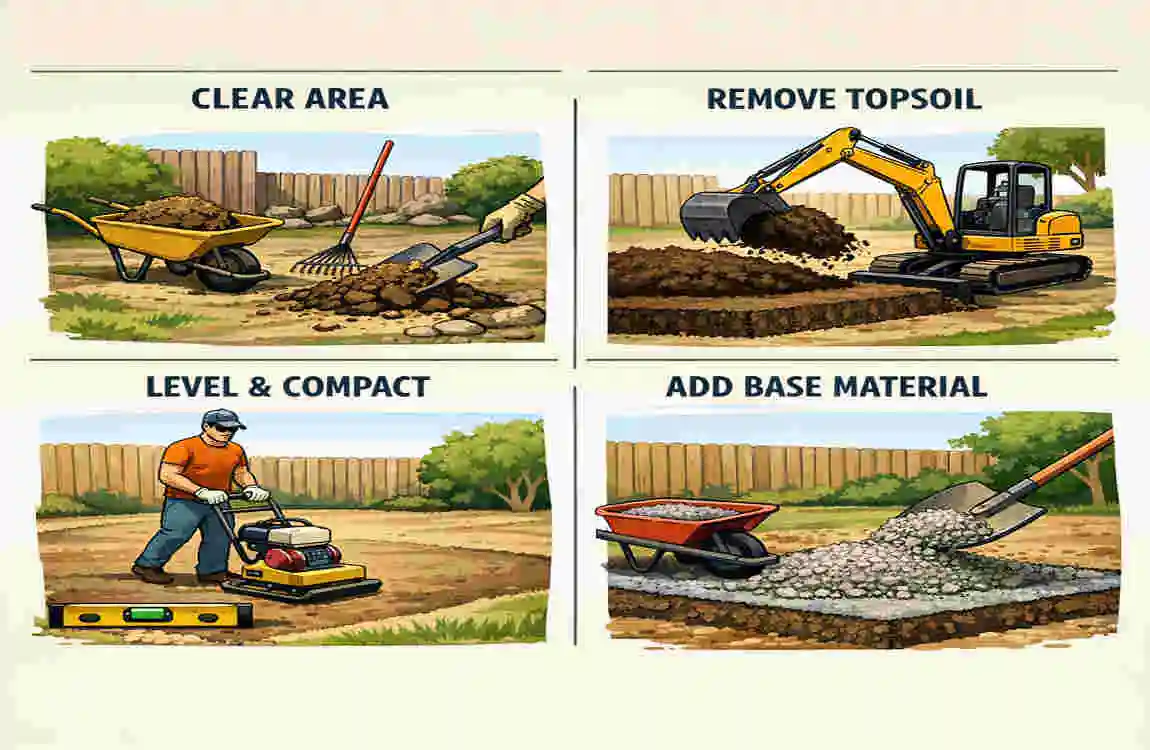
A good shed needs a good base. If the ground is not ready, the shed may shift, tilt, or wear out faster.
Before installation, make sure to:
- Pick a flat and stable location
- Build a strong foundation
- Check for proper drainage
- Review any local building rules
- Clear away plants, debris, and obstacles
A solid foundation helps protect the shed from moisture and movement. This step is easy to overlook, but it makes a big difference in the long run.
Common Mistakes to Avoid When Buying a Shed
Many homeowners rush the decision and later wish they had chosen differently. You can avoid that by watching out for a few common mistakes.
Mistakes to avoid:
- Buying a shed that is too small
- Ignoring your local weather
- Choosing low-quality materials
- Forgetting about ventilation
- Installing it on uneven ground
If you plan, your shed will be more useful and more durable.
Benefits of Adding a Shed to Your Backyard
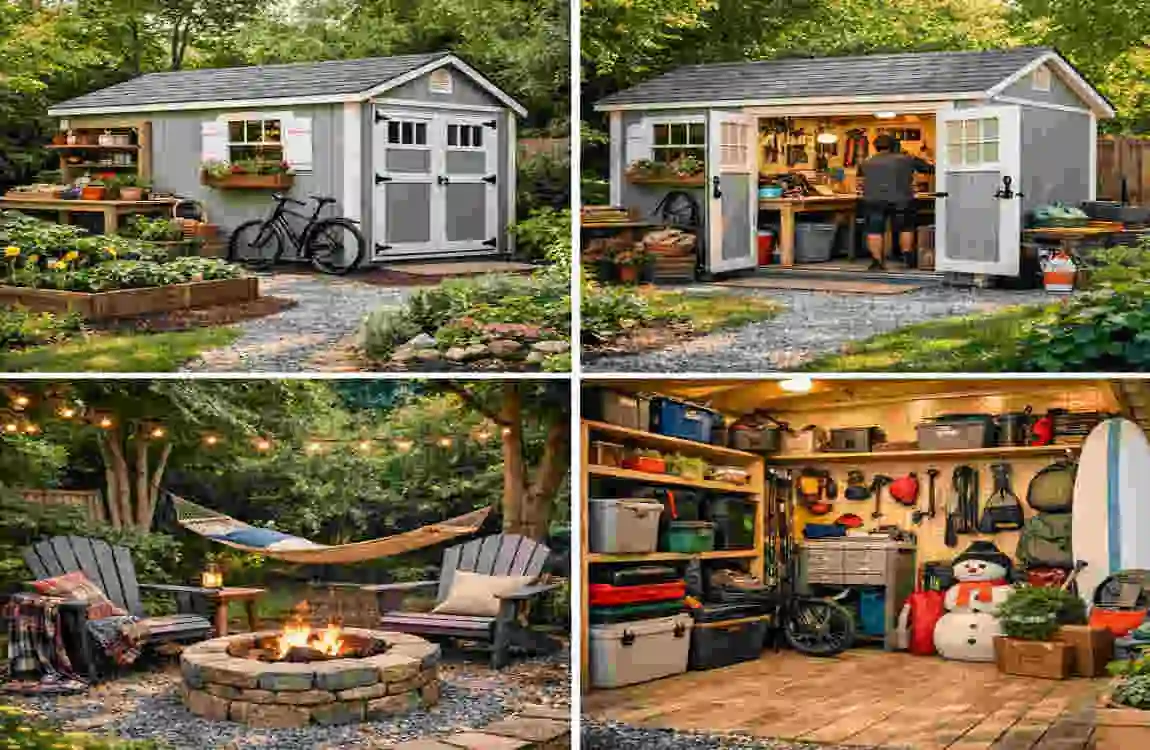
A shed is not just extra storage. It can improve how you use your entire outdoor space.
Main benefits:
- Creates more storage space
- Keeps outdoor items organized
- Protects belongings from weather damage
- Improves backyard functionality
- Can add appeal and value to your property
When chosen well, a shed becomes a helpful extension of your home.
Frequently Asked Questions
What is the best material for a backyard shed?
It depends on what you need. Wood is attractive and customizable, metal is durable, and resin is low maintenance.
What size shed should I buy?
Choose a size based on what you plan to store and how much yard space you have. It is often better to go slightly larger if you can.
Do sheds need a foundation?
Yes. A foundation helps keep the shed stable and protects it from moisture and damage.
How long does a backyard shed last?
That depends on the material and care. A well-built shed can last 10 to 30 years or more.
| Factor | What to Consider | Helpful Tips |
|---|---|---|
| Purpose of the Shed | Storage, workshop, gardening, or outdoor office | Choose a design based on how you plan to use the space |
| Size & Space | Available backyard area and storage needs | Measure your yard before buying and leave room for access |
| Material Options | Wood, metal, or plastic sheds | Wood offers style, metal provides durability, and plastic needs less maintenance |
| Shed Location | Ground level, sunlight, drainage, and accessibility | Place it on a stable foundation away from water buildup |
| Design & Style | Match your home’s exterior and backyard look | Select colors and designs that improve your outdoor appearance |