
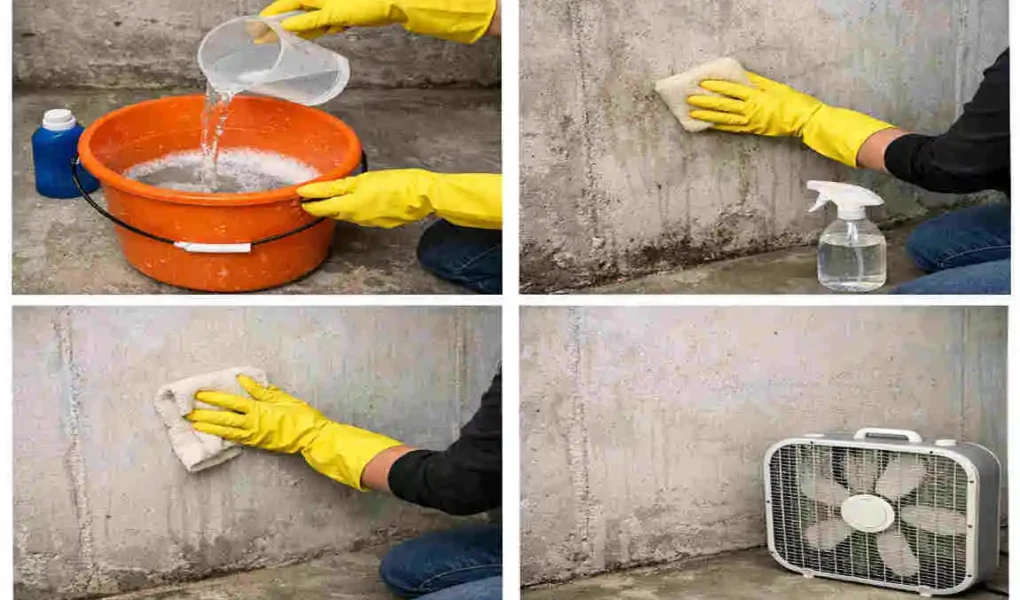
Basement walls often collect dust, dirt, mold, mildew, and moisture stains because basements usually sit below ground and stay cooler and damper than the rest of the house. Over time, that makes the walls a magnet for buildup. If you clean them the wrong way, though, you can damage concrete, brick, paint, or waterproof coatings.
That is why safe cleaning matters so much. You want your basement walls to look cleaner, but you also want to protect the surface underneath. The good news is that how to clean basement walls is not complicated once you know the right method for the wall type and the type of dirt you are dealing with.
Why Cleaning Basement Walls Is Important
Prevent Mold and Mildew Growth
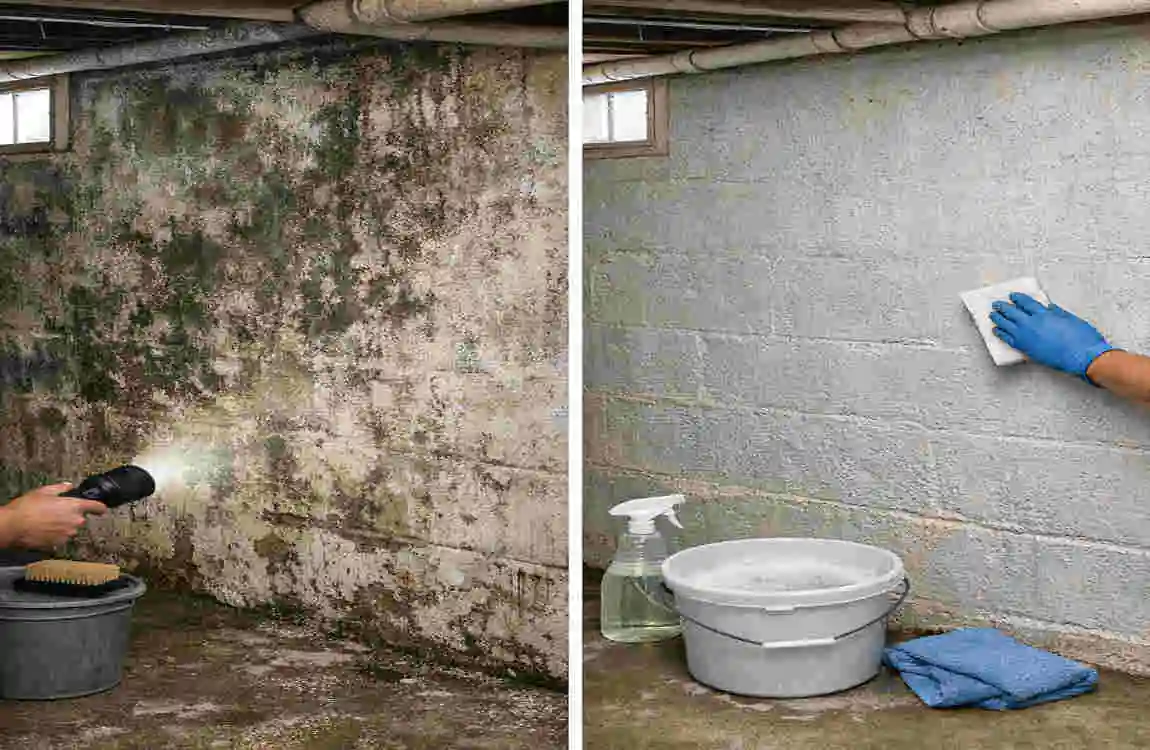
Basements often hold more moisture than other parts of a home. When that moisture mixes with dust and dirt, it creates the perfect place for mold and mildew to grow.
This is more than just a cleaning issue. Mold can create a musty smell, make the basement feel unhealthy, and sometimes affect indoor air quality. If you have kids, older adults, or anyone with allergies in the home, keeping basement walls clean becomes even more important.
When you clean regularly, you remove the dirt that mold feeds on. That makes it harder for spores to spread and settle again.
Protect Your Basement Structure
Basement walls are not just there to divide space. They help support and protect your home. Dirt, stains, and moisture can hide small cracks, leaks, or signs of damage.
If you clean the walls often, you can spot problems early. That gives you time to fix them before they turn into bigger repairs. A clean wall is easier to inspect, and that can save you money later.
Improve Basement Appearance
A dirty basement often feels dark, cramped, and neglected. Clean walls can make the space look brighter and more usable.
That matters a lot if you want to store items, use the basement as a workshop, or finish it into a living area. Even a simple cleaning can make the whole space feel more open and cared for.
Identify Your Basement Wall Type Before Cleaning
Before you start scrubbing, take a close look at what kind of wall you have. Different surfaces need different care. If you use the wrong method, you may scratch, peel, or weaken the wall.
Concrete Basement Walls
Concrete is one of the most common basement wall types. It is strong, but it is also porous, which means it can absorb dirt and moisture.
You can usually clean concrete basement walls with mild soap, warm water, and a soft brush. The main thing to remember is to avoid harsh acids unless a stain is very stubborn and you know the product is safe for concrete.
Concrete can handle a little scrubbing, but too much force can still wear down the surface over time.
Brick Basement Walls
Brick walls need a gentler touch. The brick itself may be strong, but the mortar joints between bricks can wear down easily.
For brick, use a soft brush and mild cleaner. Avoid aggressive scrubbing and never use strong pressure washing indoors. That can damage the mortar and create more problems than it solves.
Painted Basement Walls
Painted walls need special care because strong cleaners can cause peeling, dull spots, or fading.
If you want to clean painted walls, start with a gentle solution and test it on a hidden area first. That way, you can make sure the paint does not react badly.
Block Basement Walls
Block walls often have a rough or textured finish. Dirt can sit inside those small grooves and make the wall look older than it is.
These walls are usually safe to clean with a soft brush and mild cleaner. But if you see damp spots or recurring stains, check for a moisture problem before you begin scrubbing.
Wall Type Cleaning Guide
Wall Type Safe Cleaning Method Avoid
Concrete Mild soap and water Strong chemicals
Brick Soft brush cleaning Heavy scrubbing
Painted walls Gentle wiping Bleach-heavy solutions
Block walls Soft brush and cleaner High-pressure water
Tools and Supplies Needed to Clean Basement Walls
Having the right tools makes the job easier and safer. You do not need expensive supplies. In most cases, gentle tools work best.
Essential Cleaning Supplies
- Soft-bristle brush
- Microfiber cloths
- Bucket
- Warm water
- Mild detergent
- Spray bottle
- Protective gloves
- Safety goggles
- Vacuum cleaner
Optional Supplies for Tough Problems
- Mold remover
- Baking soda
- Vinegar solution
- Dehumidifier
The reason gentle tools matter is simple. Basement walls can be sensitive, especially if they are painted, unfinished, or already affected by moisture. Soft materials help clean the wall without scraping it up.
A vacuum also helps because it removes dust before water touches the wall. That step can save you a lot of time and mess.
How to Clean Basement Walls Step by Step
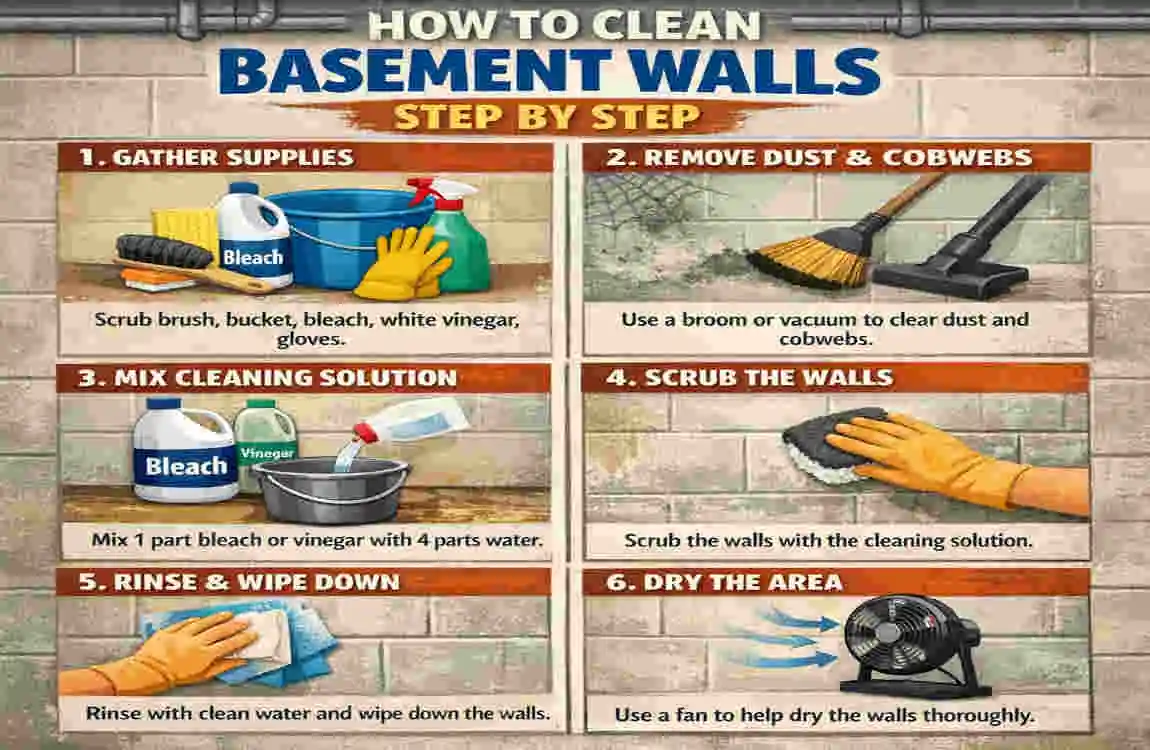
Prepare the Basement Area
Before you clean anything, clear the space. Move furniture, storage boxes, and other items away from the wall so you can reach every section easily.
Next, open windows if possible and improve airflow. If you have fans or a dehumidifier, turn them on. Better air movement helps the walls dry faster after cleaning.
Put on gloves and safety goggles before you begin. If you notice cracks, leaks, or signs of water damage, make a note of them before cleaning. That way, you do not miss important repairs later.
This first step matters because a clean workspace is safer and easier to manage.
Remove Loose Dust and Dirt
Start with dry cleaning. Use a vacuum with a brush attachment or a dry microfiber cloth to remove loose dust, cobwebs, and debris.
This step may feel small, but it is important. If you skip it and go straight to wet cleaning, you may push dirt deeper into the wall instead of removing it.
For unfinished basement walls, this is especially helpful because concrete and block surfaces can trap dust inside their rough texture. Take your time and work from top to bottom.
Make a Safe Cleaning Solution
The safest cleaning solution is usually the simplest one. In many cases, warm water and mild dish soap will do the job.
Here are a few safe options:
- Warm water + mild dish soap for general dirt
- Water + vinegar mixture for light stains
- Baking soda paste for stubborn marks
Mix only what you need. You do not want to soak the wall or use a cleaner that is too strong.
Try to avoid harsh chemicals unless the stain clearly calls for it. Strong cleaners can damage paint, weaken finishes, or leave behind fumes that linger in a closed basement.
Scrub Walls Gently
Dip your brush or cloth into the cleaning solution, then clean a small section at a time. Work from top to bottom so dirty water does not run over areas you already cleaned.
Use circular motions and light pressure. Let the cleaner do most of the work. If you press too hard, you may scratch paint, wear down mortar, or damage the surface.
If one spot needs extra attention, repeat the cleaning rather than scrubbing harder. That is a safer way to remove stains without harming the wall.
Rinse and Dry the Walls
After cleaning, wipe the wall with a clean damp cloth to remove leftover soap or cleaner. You do not want residue to stay behind, especially on painted or concrete surfaces.
Then dry the walls with towels if possible. Keep fans running and let air move through the basement.
Drying is one of the most important parts of the process. If moisture stays on the wall, it can lead to mold, mildew, and new stains.
Inspect the Walls After Cleaning
Once the walls are dry, inspect them carefully. Look for:
- New cracks
- Water stains
- Mold returning
- Peeling paint
This is your chance to catch hidden issues. If you see the same stain coming back again and again, that usually means there is a moisture source behind it.
How to Remove Mold From Basement Walls Safely
Identify Mold Problems
Mold does not always look dramatic at first. Sometimes it appears as tiny black, green, or white spots. Other times you notice it by smell before you see it.
A musty odor often means mold is growing somewhere nearby. Damp corners, dark areas, and walls with past water problems are the most common trouble spots.
Safe Mold Cleaning Methods
If you see a small mold area, use a mold cleaner made for wall surfaces, or try a gentle solution that is safe for your wall type. Always wear gloves and goggles.
Try not to brush aggressively. Scrubbing too hard can spread spores into the air. Instead, clean carefully and dispose of dirty cloths or rags properly.
If you use bleach, do so carefully and only when the wall material allows it. Bleach can help in some cases, but it also has strong fumes and may harm certain surfaces.
When to Call a Professional
Some mold problems are too big for a simple cleanup. Call a professional if:
- The mold covers a large area
- The mold keeps coming back
- You suspect a leak behind the wall
- The basement smells strongly musty even after cleaning
A professional can find the moisture source and treat the problem more fully. That matters because cleaning mold without fixing the cause usually gives only temporary results.
Common Basement Wall Cleaning Mistakes to Avoid
Using Too Much Water
This is one of the biggest mistakes people make. Too much water can make basement moisture problems worse.
Basements already tend to stay damp. If you soak the walls, you may create the perfect setting for mold and mildew.
Using Harsh Chemicals
Strong chemicals can damage paint, concrete, brick, and waterproof coatings. They may also leave fumes behind that are unpleasant in a closed basement.
A mild cleaner is usually safer and often works just as well for everyday dirt.
Ignoring Moisture Issues
If your basement walls show signs of water damage, cleaning alone will not solve the real problem. You need to check for leaks, drainage issues, or foundation cracks.
Cleaning without fixing the source is only a short-term solution.
Scrubbing Too Hard
It can be tempting to attack a stain with force, but that can do more harm than good. Hard scrubbing may remove paint, scratch surfaces, or wear down mortar.
Gentle cleaning is usually the smarter choice.
Not Drying Walls Properly
A wall that stays wet for too long can quickly develop mold again. Drying is just as important as washing.
Always keep the area ventilated until the walls are fully dry.
How to Prevent Basement Walls From Getting Dirty Again
Control Basement Humidity
Humidity control is one of the best ways to keep basement walls cleaner for longer. A dehumidifier can help pull extra moisture from the air.
Good airflow also matters. When air moves freely, walls dry faster and stay fresher.
Fix Water Problems Quickly
If you spot leaks, cracks, or drainage issues, deal with them right away. Even a small water problem can lead to bigger stains and mold later.
Outside drainage, window leaks, and pipe issues should all be checked if the walls keep getting dirty in the same place.
Apply Basement Wall Protection
In some basements, a protective coating can help reduce future stains. Painted surfaces should also be maintained so they keep their barrier in good shape.
If you plan to use a waterproof coating, make sure the wall is dry and the product is right for the surface.
Regular Basement Maintenance
You do not need to deep-clean the basement all the time, but you should inspect the walls every few months.
A quick check for dust, stains, or moisture can help you catch problems early. It is much easier to clean a small area than to handle a large buildup later.
Cleaning Basement Walls Before Finishing a Basement
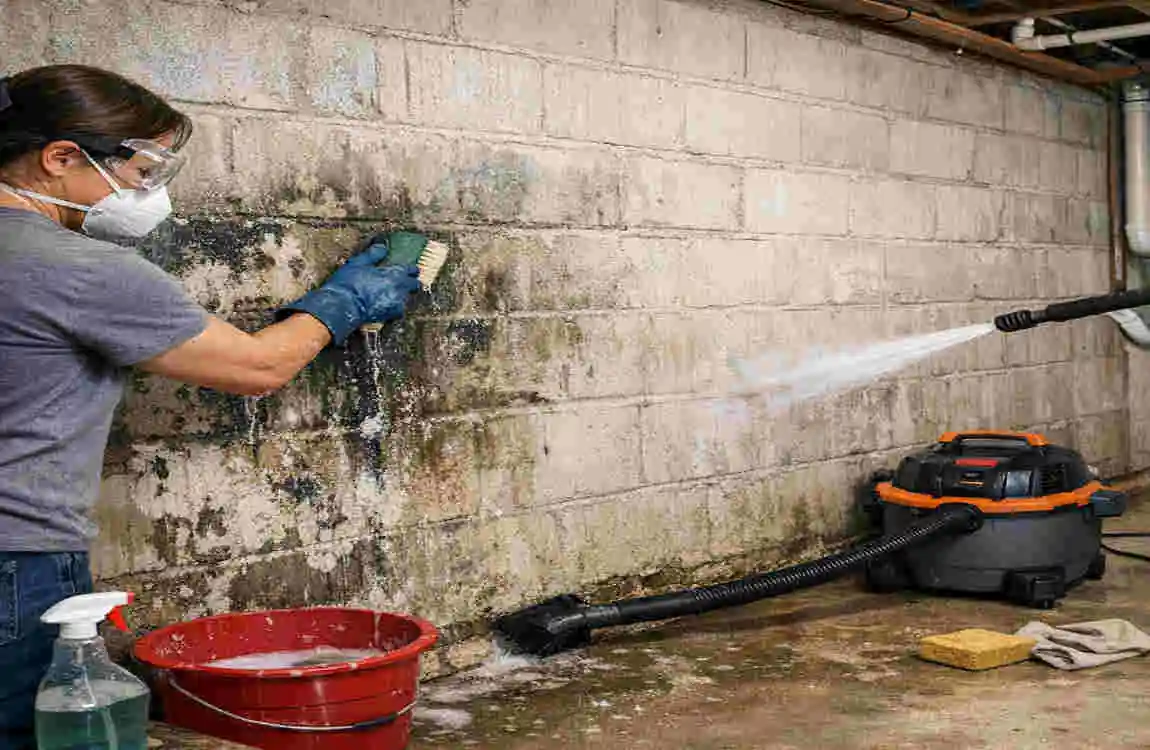
If you plan to turn your basement into a nicer living area, cleaning the walls should be one of your first tasks.
Before you paint, install drywall, or add storage, the walls need to be clean and dry. That helps new materials stick better and reduces the chance of hidden damage.
It is also a smart time to check moisture levels. If the walls still show signs of dampness, fix that first before moving forward with the renovation.
A clean wall gives your project a better start and helps the finished space last longer.
FAQ
What is the best way to clean basement walls?
The best method is usually warm water, mild detergent, and a soft brush. Always match the cleaning method to the wall material so you do not cause damage.
Can I use bleach to clean basement walls?
Bleach can help with some mold problems, but it should be used carefully. It may damage certain surfaces and can create strong fumes in a basement.
How often should basement walls be cleaned?
Most basements should be inspected and cleaned at least once or twice a year. If your basement has more moisture or dust, you may need to clean it more often.
How do I remove stains from concrete basement walls?
Start with warm water and a mild cleaner. Scrub lightly with a soft brush. For tougher stains, you may need a cleaner made for concrete surfaces.
Can dirty basement walls cause mold?
Yes. Dirt, moisture, and poor airflow can create the right conditions for mold and mildew to grow.
Should basement walls be dry before cleaning?
It helps to check moisture first. If the wall is already wet, you should find the source of the moisture before cleaning, so you do not spread the problem.
How can I keep basement walls clean longer?
Keep humidity low, fix leaks quickly, improve ventilation, and inspect the walls regularly. These steps make a big difference over time.
| Step | Method | Details |
|---|---|---|
| Remove Dust & Debris | Dry Cleaning | Use a soft brush, broom, or vacuum to remove dirt, cobwebs, and loose particles before washing. |
| Check Wall Material | Inspection | Identify if walls are concrete, painted, brick, or drywall to choose the safest cleaning method. |
| Prepare Cleaning Solution | Mild Cleaner | Mix warm water with mild dish soap. Avoid harsh chemicals that can damage surfaces. |
| Clean Small Areas First | Gentle Scrubbing | Use a soft sponge or brush and test a hidden spot before cleaning the entire wall. |
| Remove Mold or Mildew | Safe Treatment | Use a mold cleaner or a diluted vinegar solution for small areas. Wear gloves and ensure good ventilation. |
| Avoid Excess Water | Moisture Control | Do not soak basement walls. Too much water can increase dampness and damage paint or drywall. |