
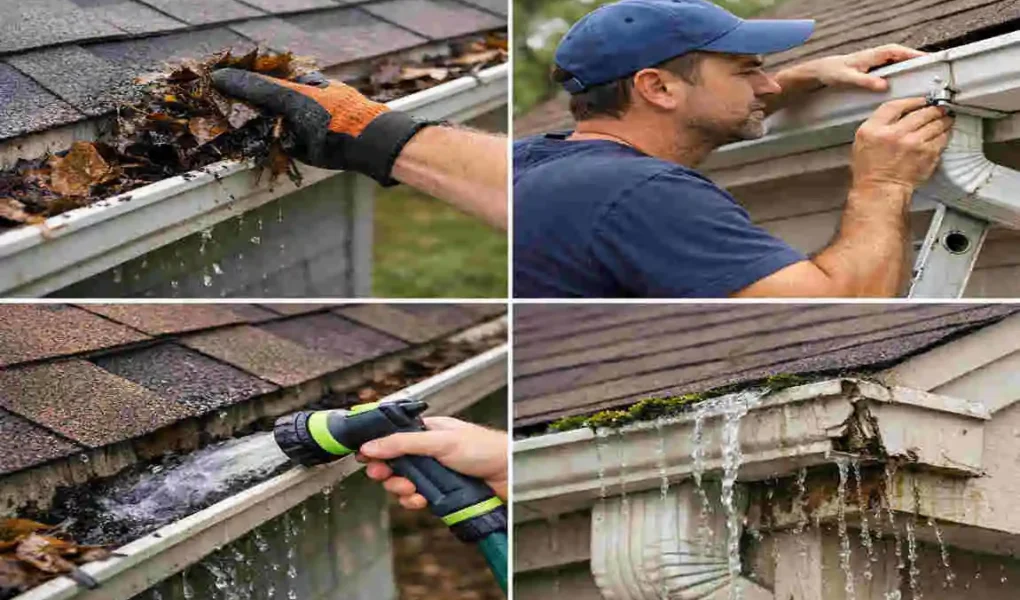
Keeping your gutters clean and working properly is one of the simplest ways to protect your home from water damage. Gutters may not seem like a big deal, but they do an important job. They collect rainwater from the roof and move it away from your house.
When gutters get clogged or damaged, water can spill over the sides and cause serious problems. You may deal with roof leaks, mold, foundation cracks, basement flooding, and even yard damage. That is why regular home gutter maintenance matters so much.
Why Gutter Maintenance Is Important
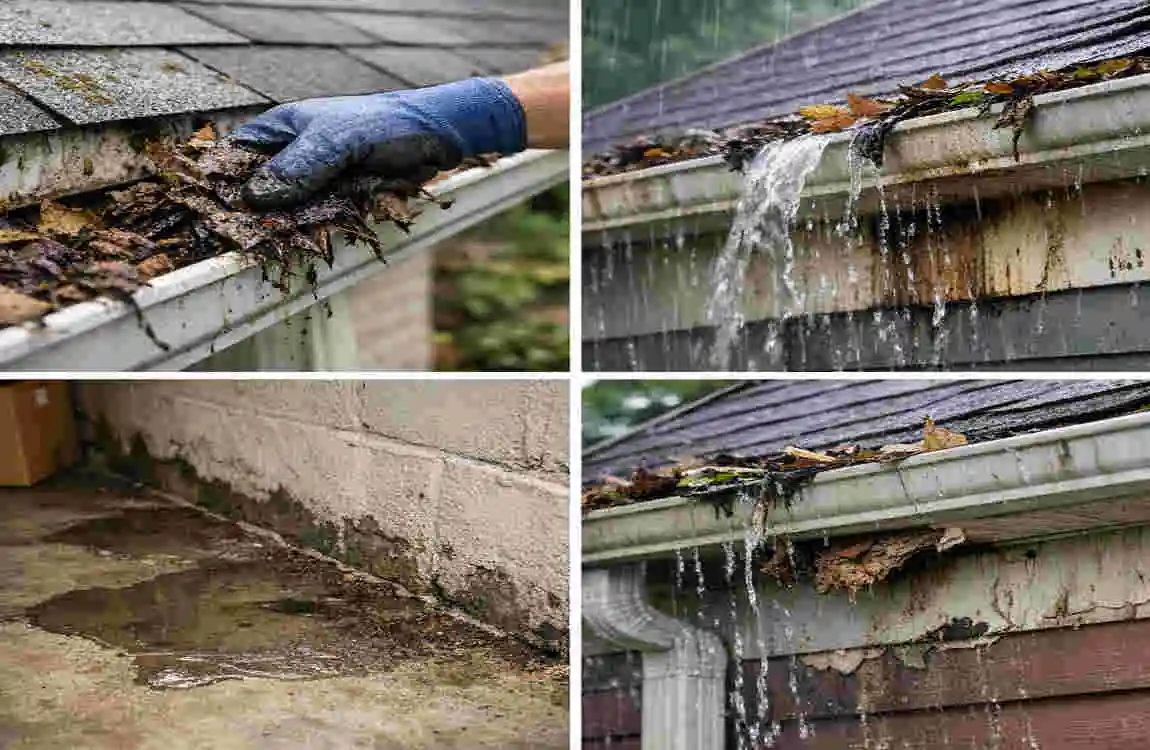
Your gutter system protects your home in more ways than one. It does not just move water away from the roof. It also helps protect the walls, foundation, and landscaping around your house.
Here are some of the biggest benefits of keeping gutters in good shape:
- Prevents roof leaks and wood rot
- Protects your foundation from water buildup
- Reduces the chance of basement flooding
- Helps stop mold and mildew growth
- Protects landscaping from erosion
- Extends the life of your gutters
A little maintenance now can save you from expensive repairs later. That is why it is smart to check your gutters regularly.
Signs Your Gutters Need Maintenance
It is not always hard to tell when your gutters need attention. In many cases, your home will show clear warning signs.
Sign What It Means
Water overflowing Gutters are clogged with leaves or dirt
Sagging gutters Brackets may be loose or damaged
Plants growing inside gutters Debris has built up for too long
Peeling exterior paint Water is spilling over the edges
Water pooling near foundation Downspouts may be blocked or poorly placed
If you notice any of these signs, it is a good idea to act quickly. Waiting too long can turn a small problem into a bigger one.
Essential Gutter Maintenance Tips
Clean Gutters Regularly
Cleaning is the most important part of home gutter maintenance. Gutters should usually be cleaned at least twice a year—once in spring and once in fall.
If your home has many trees nearby, you may need to clean them more often. Leaves, twigs, and dirt can build up fast and block the flow of water.
Try to remove all debris by hand or with a small scoop. After that, rinse the gutters with water to make sure they are draining well.
Check Downspouts
Downspouts carry water away from your home. If they are blocked, water can back up into the gutters and overflow.
Make sure each downspout is clear and working properly. Water should drain at least 5 to 10 feet away from your foundation. If water drains too close to the house, it can collect around the base, causing damage.
Inspect for Damage
While cleaning your gutters, look for small signs of damage. Catching problems early can save you money.
Check for:
- Rust
- Cracks
- Holes
- Loose fasteners
- Separated joints
Even a small crack can allow water to leak onto your siding or foundation. Fixing these issues early is always easier than waiting until they get worse.
Trim Nearby Trees
Trees can be one of the biggest causes of gutter clogs. Branches drop leaves, seeds, and twigs straight into the gutters.
Trimming overhanging branches helps keep debris out. It also lowers the chance of branches damaging your gutters during storms. This simple step can make a big difference.
Install Gutter Guards
Gutter guards are a helpful add-on for many homes. They are designed to block large debris while still allowing water to pass through.
They do not remove the need for maintenance completely, but they can reduce how often you need to clean your gutters. If you live near many trees, gutter guards may be worth considering.
How Often Should Gutters Be Cleaned?
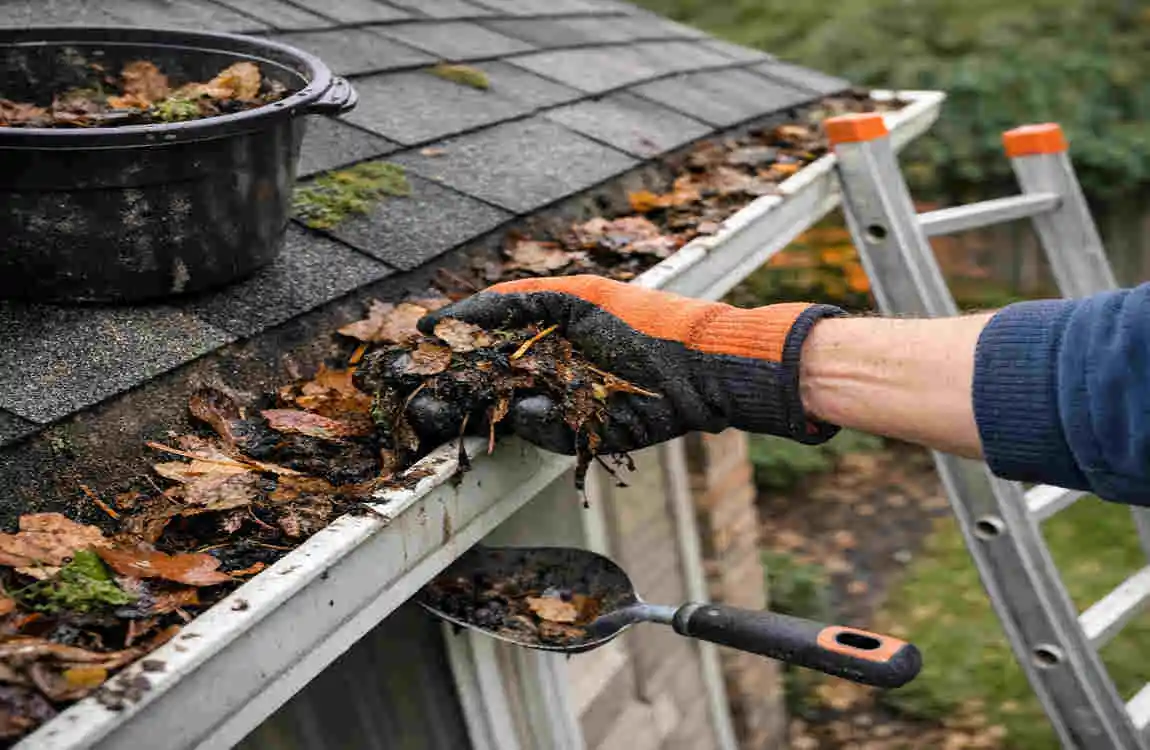
The best cleaning schedule depends on your home and surroundings. In general, most homes do well with a simple seasonal routine.
- Spring: Clear out winter debris and check for damage
- Fall: Remove fallen leaves before winter begins
- After major storms: Look for blockages, loose parts, or overflowing water
If trees surround your home, inspect the gutters every few months. A quick check can help you catch problems before they get worse.
Common Causes of Water Damage from Clogged Gutters
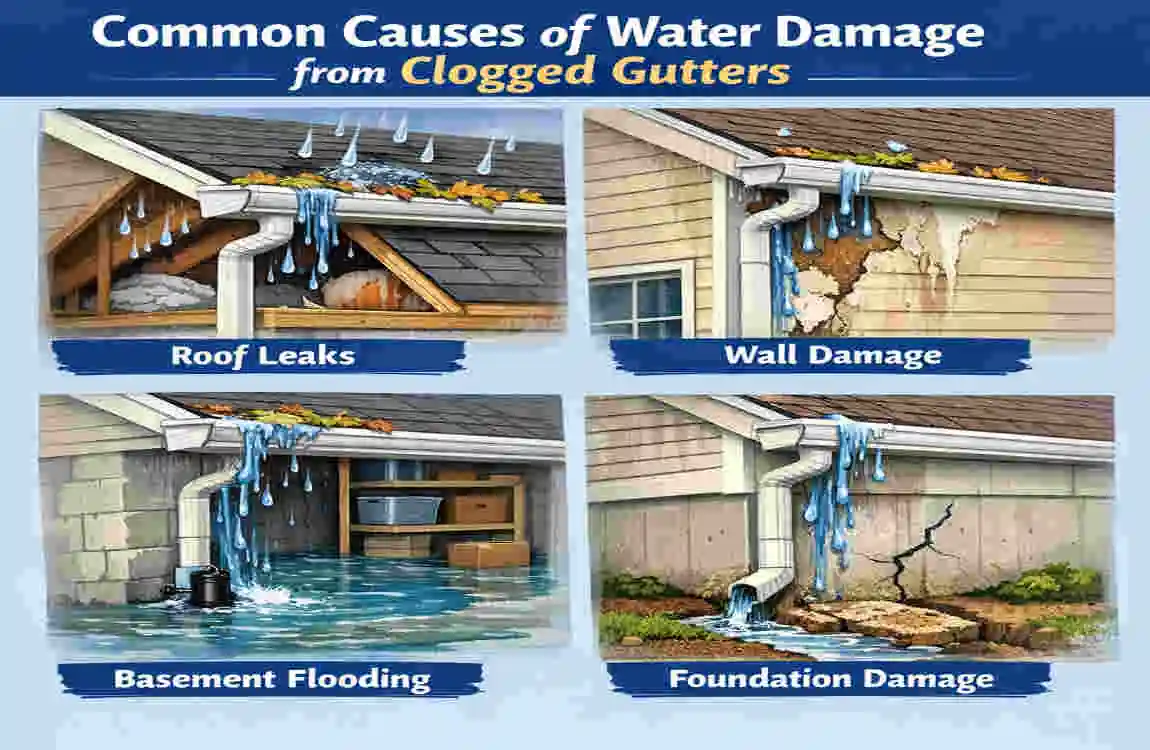
When gutters stop working the way they should, water has nowhere to go. That is when damage starts.
Some of the most common problems include:
- Roof leaks
- Damaged fascia boards
- Foundation cracks
- Basement flooding
- Mold and mildew
- Soil erosion
- Staining on exterior walls
Water damage often starts small, but it can spread quickly. That is why regular gutter care is such an important part of home maintenance.
Frequently Asked Questions
How often should I clean my gutters?
Most homeowners should clean gutters at least twice a year. Spring and fall are the most important times. If you have many trees nearby, you may need to clean them more often.
Can clogged gutters damage my foundation?
Yes. When water overflows, it can pool around the base of your home. Over time, this can lead to cracks, settling, and basement leaks.
Are gutter guards worth installing?
Yes, for many homes they are. Gutter guards help reduce debris buildup and make cleaning easier. They can also improve water flow.
What happens if I never clean my gutters?
Neglected gutters can lead to roof leaks, mold growth, wood rot, siding damage, landscape erosion, and foundation problems.
| Topic | Information |
|---|---|
| Purpose | Keeps rainwater flowing away from your home’s roof, walls, and foundation. |
| Why It Matters | Prevents water damage, roof leaks, foundation cracks, mold growth, and landscape erosion. |
| Recommended Cleaning | Clean gutters at least twice a year (spring and fall), or more often if you have many trees nearby. |
| Signs of Clogged Gutters | Overflowing water, sagging gutters, plant growth, bird nests, stains on siding, or basement moisture. |
| Essential Maintenance Tasks | Remove leaves and debris, flush gutters with water, inspect downspouts, tighten brackets, and seal leaks. |