A sustainable home remodel is a smart way to improve your home while also protecting the environment. It helps you save energy, reduce water use, cut down on waste, and create a healthier space for your family. The best part is that eco-friendly choices often save money over time too.
Why Choose a Sustainable Home Remodel?
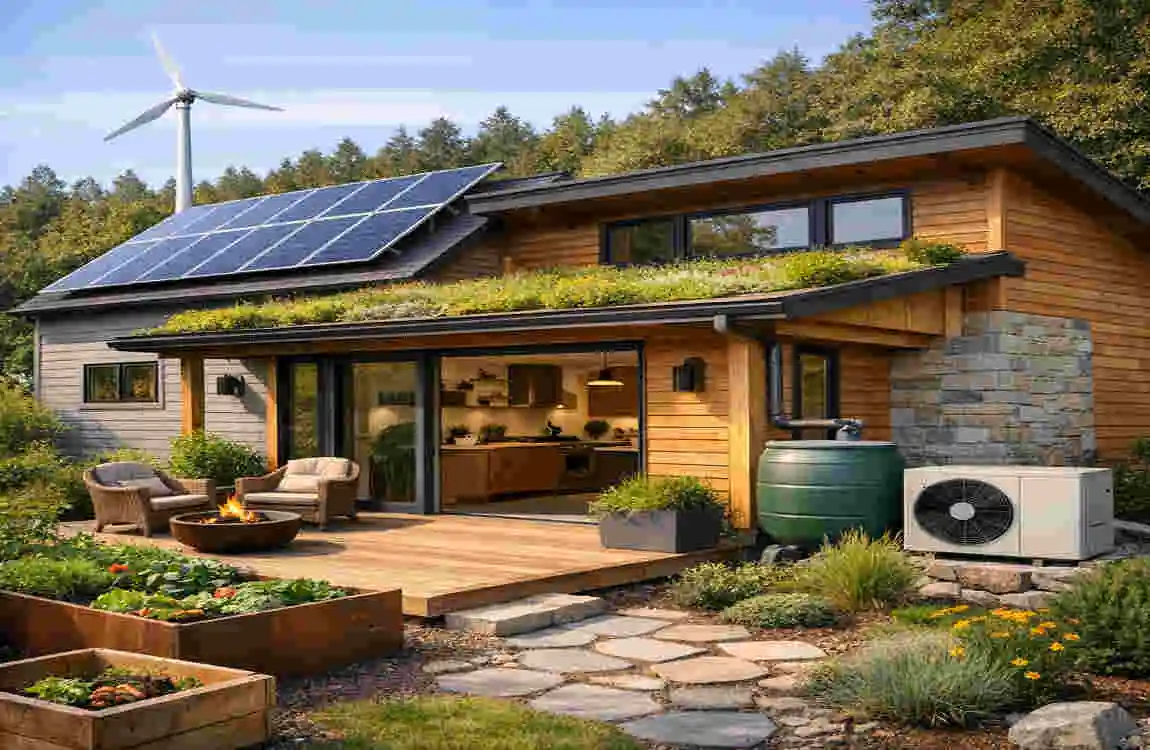
A sustainable remodel is not only about being “green.” It is also about making your home remodel work better for daily life. When you plan carefully, you can lower bills, reduce repairs, and improve comfort at the same time.
Key Benefits
A sustainable remodel can help you in many practical ways:
- Lower energy and water bills
- Better indoor air quality
- Higher property value
- Less harm to the environment
- A healthier home for your family
- Less maintenance over time
These benefits matter because they affect both your budget and your quality of life. A well-planned remodel gives you long-term value, not just a fresh new look.
Set Clear Sustainable Remodeling Goals
Before you choose colors, materials, or appliances, think about what you really want to improve. Clear goals make the project easier to manage and help you spend your money wisely.
What Do You Want to Improve?
Ask yourself simple questions like:
- Do you want to cut monthly utility costs?
- Do you need better insulation?
- Are your appliances old and inefficient?
- Do you want to use more eco-friendly materials?
- Would more natural light make your home feel better?
When you know your goals, it becomes easier to decide what matters most. For example, if your biggest concern is high electricity bills, then energy upgrades should come first. If your home feels stuffy, air quality and ventilation may be the priority.
Keep the Budget Focused
A sustainable remodel works best when you avoid random upgrades. Spend more on improvements that will save money or improve comfort for many years. This keeps your project practical and prevents waste.
Improve Energy Efficiency
Energy efficiency is one of the most important parts of a sustainable remodel. If your home remodel uses less power, you save money and reduce your environmental impact.
Smart Upgrades to Consider
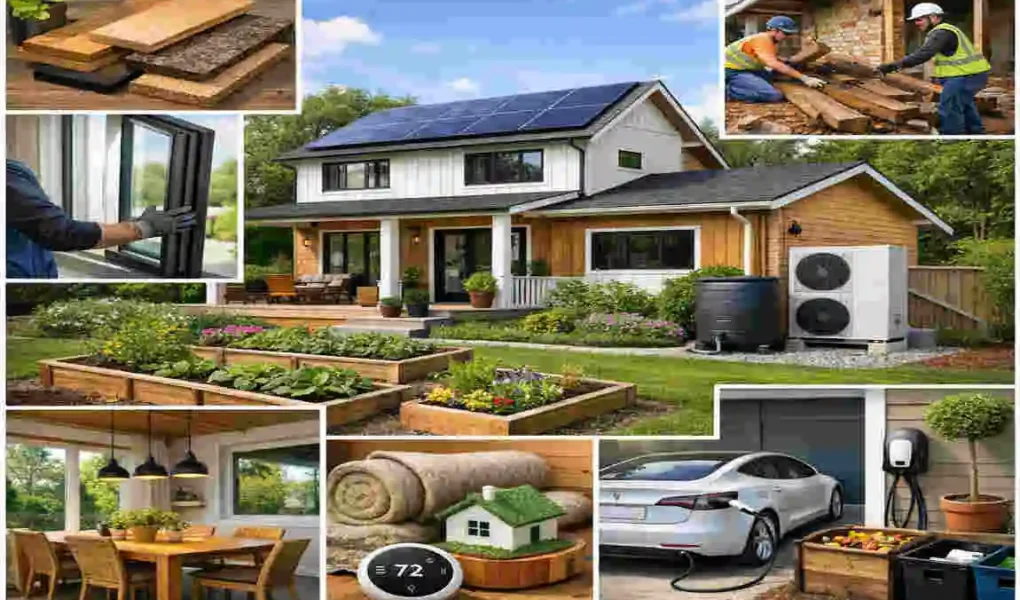
Some of the most effective upgrades include:
- LED lighting
- Energy-efficient windows
- High-performance insulation
- Smart thermostats
- ENERGY STAR® appliances
These changes may seem small at first, but they add up quickly. For example, LED bulbs use much less electricity than older bulbs and last much longer. Better insulation helps keep warm air inside during winter and cool air inside during summer. That means your heating and cooling systems do not have to work as hard.
Why This Step Matters
Energy upgrades make your home remodel more comfortable every day. Rooms stay at a more even temperature, drafts are reduced, and your utility bills become easier to manage. This is one of the smartest places to invest during a remodel.
Choose Eco-Friendly Building Materials
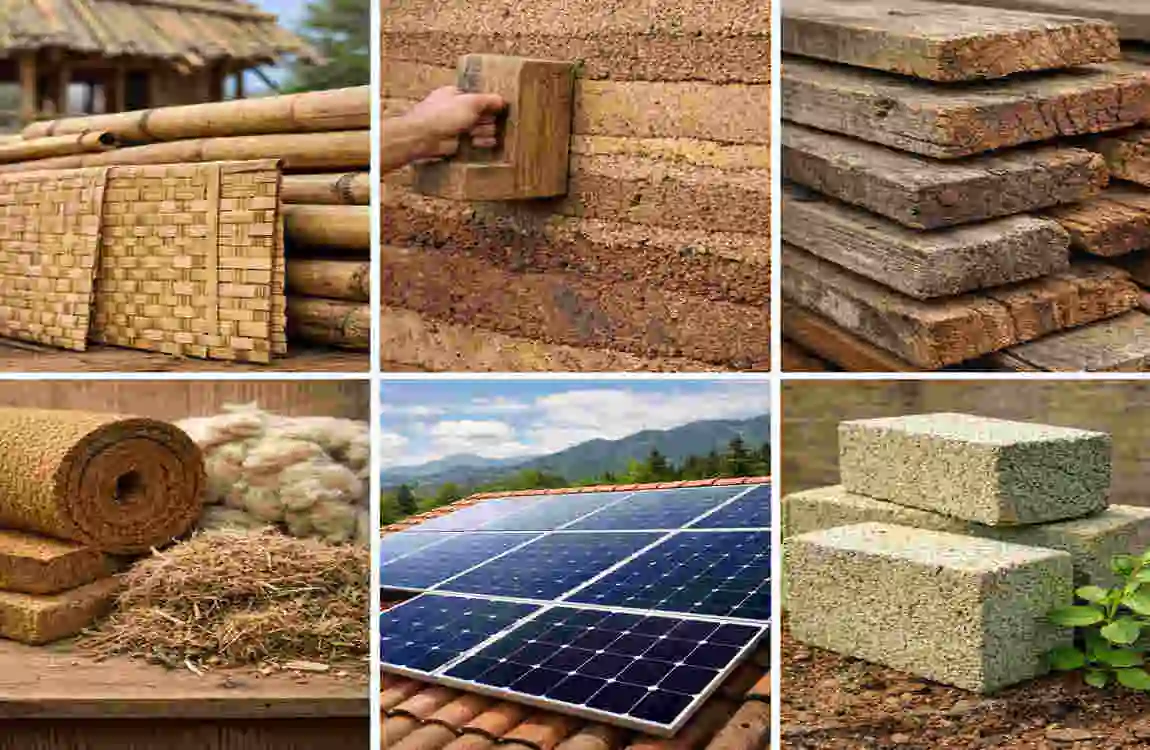
The materials you pick have a big effect on how sustainable your remodel really is. Some materials are better because they last longer, come from renewable sources, or use recycled content.
Good Sustainable Material Choices
MaterialBenefits
Bamboo flooring Fast-growing and durable
Reclaimed wood Reduces waste and adds character
Recycled steel Strong and recyclable
Cork flooring Renewable and comfortable
Recycled glass countertops Stylish and eco-friendly
These materials are popular because they balance function and style. Bamboo grows quickly, which makes it a renewable choice. Reclaimed wood adds warmth and character to your space while keeping usable wood out of landfills. Recycled steel is a strong option that can be reused later.
What to Look For
When choosing materials, try to focus on durability, renewability, and low waste. A product that lasts a long time is often more sustainable than one that needs frequent replacement. In other words, the best choice is not always the cheapest one upfront.
Reduce Water Usage
A sustainable remodel should also help you save water. Water-saving upgrades are simple, practical, and often easy to install.
Water-Saving Options
You can reduce water use by adding:
- Low-flow faucets
- Water-saving showerheads
- Dual-flush toilets
- Rainwater collection systems where permitted
These upgrades lower water consumption without making daily life harder. In fact, many people do not even notice a difference in comfort after installation.
Why Water Efficiency Matters
Saving water helps the environment and lowers your utility bills. It also protects your home remodel from unnecessary strain on plumbing systems. If you want your remodel to be truly sustainable, water efficiency should not be left out.
Improve Indoor Air Quality
A healthy home is just as important as an efficient one. Many building products release chemicals into the air, so it helps to choose safer materials whenever possible.
Healthier Choices for Your Home
Look for:
- Low-VOC paints
- Low-VOC adhesives
- Natural flooring materials
- Proper ventilation systems
- Air-purifying houseplants
These choices can help reduce harmful chemicals inside your home. Low-VOC products emit fewer fumes, making the air easier to breathe. Proper ventilation also helps remove moisture, odors, and indoor pollutants.
Why This Step Is Important
Good indoor air quality supports better comfort and health. It can be especially helpful for children, older adults, and anyone with allergies or breathing problems. A beautiful home should also feel safe and fresh.
Reduce Construction Waste
Remodeling often creates a lot of waste, but much of it does not need to end up in a landfill. With a little planning, you can reuse, donate, or recycle many parts of the project.
Simple Ways to Cut Waste
You can:
- Donate reusable cabinets and fixtures
- Recycle metal, wood, and concrete
- Reuse existing materials whenever possible
- Buy only what you need
This step is good for both the planet and your budget. Less waste usually means lower disposal costs too. It also makes the project feel more thoughtful and organized.
Plan Before Demolition
Before you tear anything out, look closely at what can be saved. Some cabinets, doors, hardware, and wood pieces may still have useful life left. Reusing even a few items can make a real difference.
Add Smart Home Technology
Smart home tools can make sustainable living much easier. They help you use energy and water more efficiently without needing to think about it all the time.
Useful Smart Upgrades
Popular choices include:
- Smart lighting controls
- Smart thermostats
- Smart irrigation systems
- Energy monitoring devices
- Automated window shades
These tools help you control energy use more precisely. For example, a smart thermostat can adjust temperatures based on when you are home. Automated shades can block heat during the day and reduce the need for air conditioning.
Why Smart Tech Helps
Smart technology does not just add convenience. It also helps you build better habits. When you can see how much energy your home uses, it becomes easier to spot waste and make changes.
Common Sustainable Remodeling Mistakes
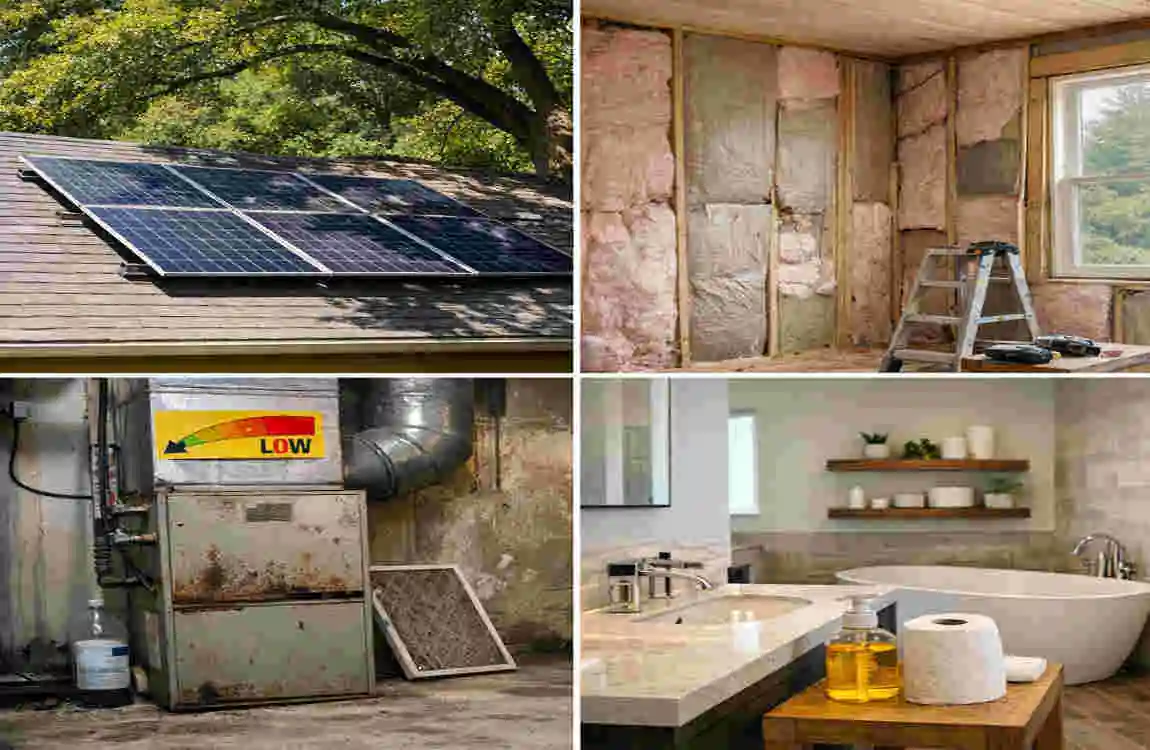
Even a good plan can go off track if you are not careful. Many homeowners make simple mistakes that reduce the value of their remodel.
Mistakes to Avoid
- Choosing cheap materials that wear out quickly
- Ignoring insulation upgrades
- Forgetting ventilation improvements
- Buying oversized HVAC equipment
- Focusing only on appearance instead of efficiency
These mistakes can lead to higher costs later. For example, a low-cost material that breaks down quickly may need replacement sooner than expected. That means more waste and more spending.
Think Long-Term
The best sustainable remodel is one that continues to perform well years from now. Always ask yourself whether a choice will save time, energy, or money over the long run.
Simple Sustainable Remodel Checklist
If you want a quick planning guide, use this short checklist before starting your project.
- Set your main goals
- Improve insulation and lighting
- Choose durable, eco-friendly materials
- Save water with efficient fixtures
- Use low-VOC products
- Reuse and recycle as much as possible
- Add smart controls where helpful
This kind of checklist keeps your remodel focused and easier to manage.
Frequently Asked Questions (FAQs)
What is a sustainable home remodel?
A sustainable home remodel uses eco-friendly materials, energy-efficient systems, and water-saving solutions to reduce the home’s environmental impact.
Is sustainable remodeling expensive?
Some upgrades cost more upfront, but many save money over time through lower energy bills and reduced maintenance.
Which upgrade saves the most energy?
Improving insulation, replacing old windows, upgrading HVAC systems, and installing LED lighting usually bring the biggest energy savings.
What are the best eco-friendly flooring options?
Bamboo, cork, reclaimed wood, and recycled tile are among the most popular sustainable flooring choices.
How can I reduce waste during a remodel?
Reuse materials, donate usable items, recycle construction debris, and buy only the supplies you really need.
| Topic | Information |
|---|---|
| Article Title | How to Plan a Sustainable Home Remodel: Smart Guide |
| Goal | Improve your home’s efficiency, comfort, and environmental impact while reducing long-term costs. |
| Best Time to Remodel | During mild weather (spring or fall) for smoother construction and better energy upgrades. |
| Key Planning Step | Set a realistic budget, define sustainability goals, and prioritize high-impact improvements. |
| Eco-Friendly Materials | Reclaimed wood, bamboo flooring, recycled metal, recycled glass, and low-VOC paints. |
| Energy-Efficient Upgrades | LED lighting, Energy Star appliances, high-performance insulation, smart thermostats, and energy-efficient windows. |
| Water-Saving Features | Low-flow faucets, dual-flush toilets, water-efficient showerheads, and rainwater collection systems. |