Plumbing repairs may look simple at first, but small mistakes can quickly turn into bigger and more expensive problems. A leaky faucet, a clogged drain, or a loose fitting might seem easy to handle on your own. Still, the wrong repair method can damage pipes, waste water, and even cause flooding.
Using Too Much Drain Cleaner
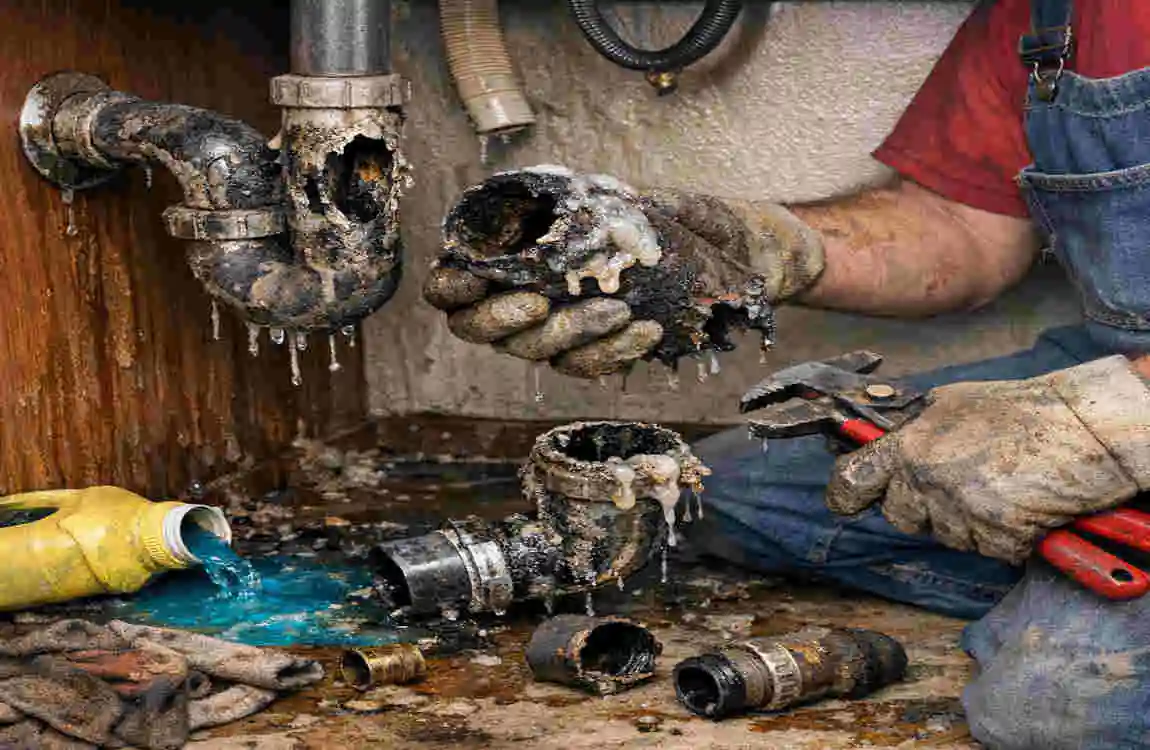
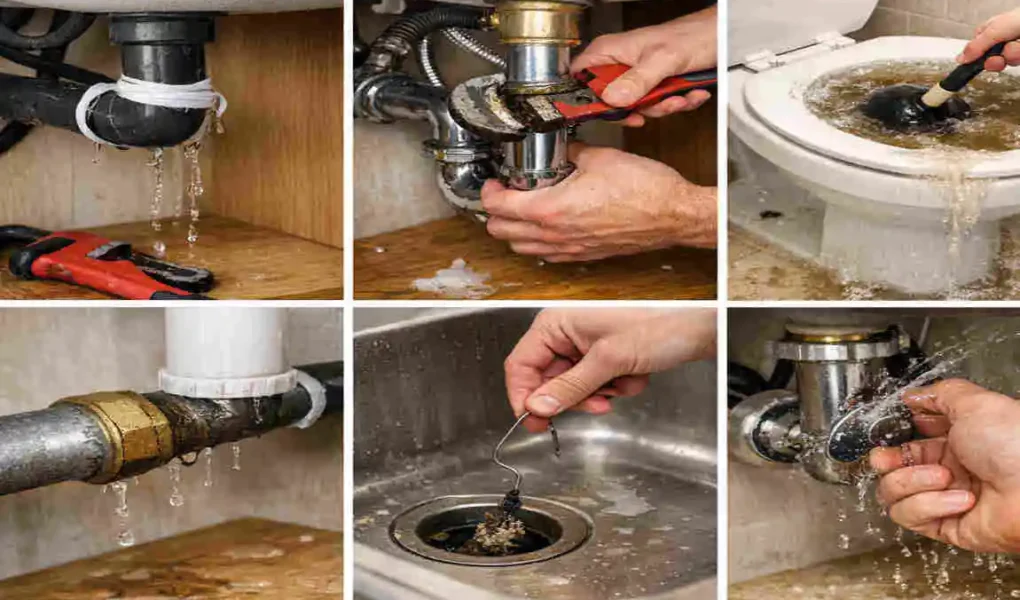
Many people reach for chemical drain cleaners when a sink or shower gets clogged. They seem like a quick fix, but using them too often can harm your pipes over time. These cleaners can be harsh on both metal and plastic pipes.
A better approach is to use a plunger, a drain snake, or even a simple baking soda-vinegar mix for small clogs. Hot water and mild soap can also help keep drains cleaner between repairs.
Overtightening Plumbing Connections
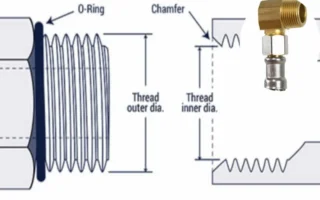
It is easy to think that tighter means safer. In plumbing, that is not always true. When you overtighten fittings, supply lines, or faucet parts, you can crack the connection or damage the rubber washer inside.
The best rule is to tighten parts until they feel snug, then check for leaks. If needed, adjust gently. This helps prevent damage while still keeping the connection secure.
Ignoring Small Leaks
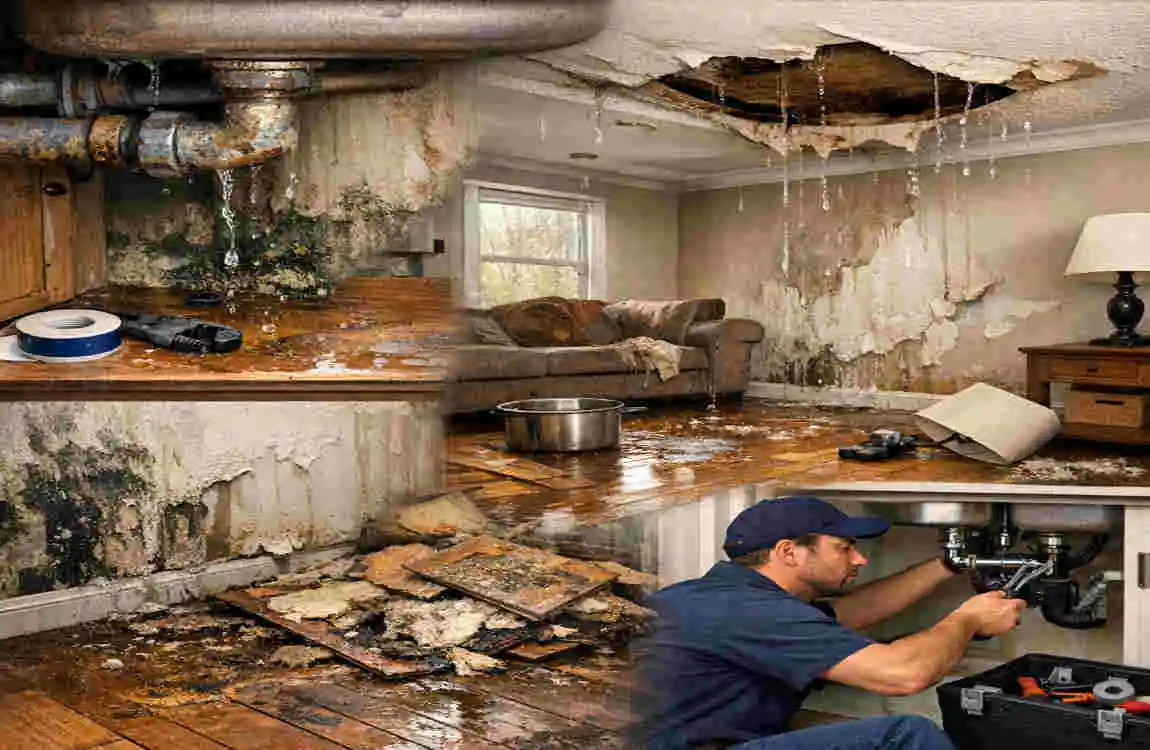
A small drip may not seem urgent, but it can waste a lot of water over time. More importantly, even a tiny leak can lead to mold, wood damage, or stains behind walls and under cabinets.
Look for signs like:
- Water stains
- Damp cabinets
- Higher water bills
- Musty smells
If you notice any of these, fix the leak as soon as possible. Acting early can save you from much larger repair costs later.
Using the Wrong Plumbing Parts
Not every pipe, washer, or fitting is the same. Using the wrong size or material can cause leaks or make the system work poorly. This is a common mistake during DIY repairs.
Before buying replacement parts, take the time to measure the old part, check the pipe material, and choose high-quality parts that match your system. A little care here can prevent repeated repairs.
Forgetting to Shut Off the Water Supply
This is one of the most serious plumbing mistakes a homeowner can make. If you start a repair without turning off the water, you may end up with a flooded floor, damaged walls, or soaked furniture.
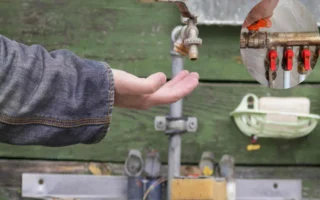
Always shut off the local water valve first. If the repair is larger, turn off the main water supply. It also helps to open nearby faucets afterward to release remaining pressure in the pipes.
Attempting Repairs Beyond Your Skill Level
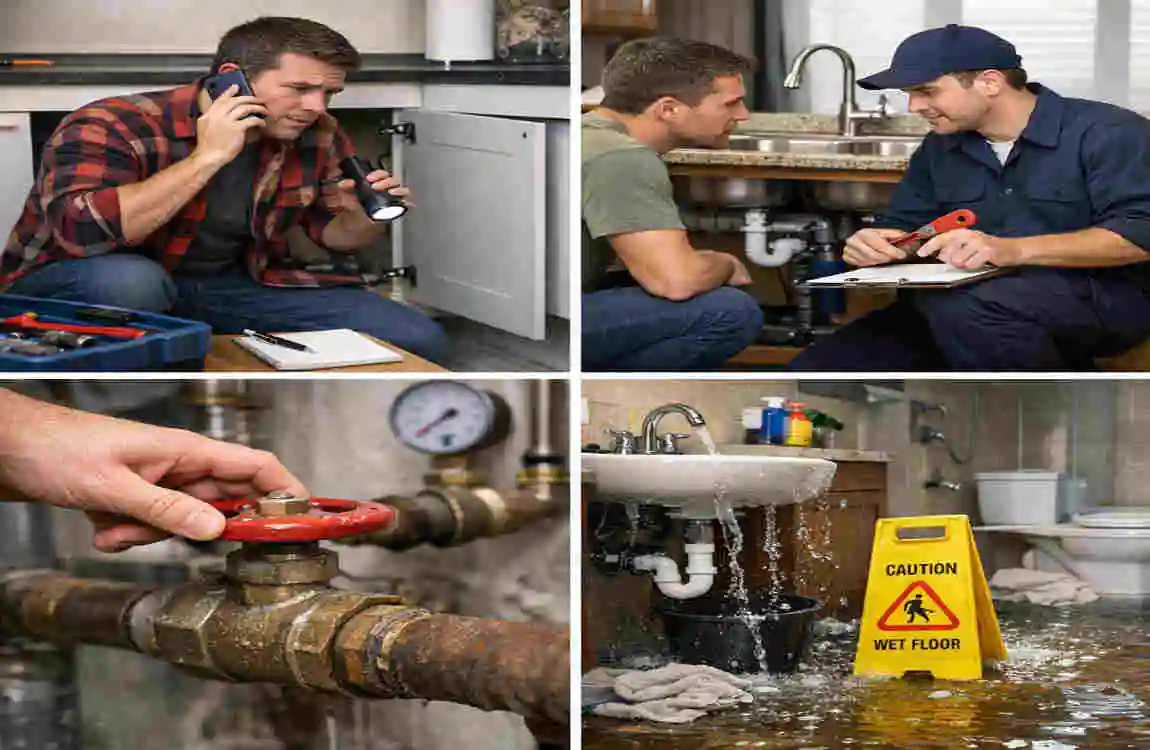
Some plumbing jobs are safe for homeowners to handle, but others are best left to a professional. Replacing pipes, fixing sewer line problems, or installing a water heater often requires special tools and experience.
You should call a licensed plumber if you notice:
- Burst pipes
- Sewer backups
- Major leaks
- Low water pressure throughout the home
- Water heater problems
Trying to handle these issues without the right knowledge can make things worse and cost more in the long run.
Frequently Asked Questions
What is the most common plumbing repair mistake?
Ignoring small leaks is one of the most common mistakes, as they can grow into major damage over time.
Can chemical drain cleaners damage pipes?
Yes. Frequent use can weaken or corrode certain types of pipes.
Should I always turn off the water before repairs?
Yes. Turning off the water helps prevent flooding and makes the repair safer.
When should I call a plumber?
Call a plumber for burst pipes, sewer issues, water heater problems, or any repair that feels beyond your skill level.
How can I prevent plumbing problems at home?
Check for leaks regularly, avoid harsh drain cleaners, use the right parts, and keep up with basic maintenance.
| Plumbing Repair Error | Why It’s a Mistake | Better Approach |
|---|---|---|
| Using Too Much Drain Cleaner | Harsh chemicals can damage pipes and seals over time. | Try a plunger, drain snake, or enzyme-based cleaner first. |
| Overtightening Pipe Connections | Excessive force can crack fittings or strip threads, leading to leaks. | Tighten connections until snug, not overly tight. |
| Ignoring Small Leaks | Minor leaks can cause water damage, mold, and higher utility bills. | Repair leaks as soon as they are noticed. |
| Using the Wrong Plumbing Parts | Incorrect sizes or materials can create poor seals and future failures. | Match replacement parts to the existing plumbing system. |
| Skipping Water Shut-Off | Working on live water lines can cause flooding and property damage. | Always turn off the main or local water supply before repairs. |
| Applying Too Much Plumber’s Tape or Sealant | Excess material can prevent proper sealing or clog fittings. | Use the recommended amount for a secure, leak-free connection. |