Changing your home can feel exciting. Maybe you want a fresh look, a better layout, or more comfort for your family. Whatever your reason, home improvement works best when you plan first.
A good project is not just about making your home look nicer. It should also make your space more comfortable, useful, and valuable. If you jump in too fast, you may spend more money than planned or end up with results you do not like.
Define Your Home Improvement Goals
Know What You Want to Change
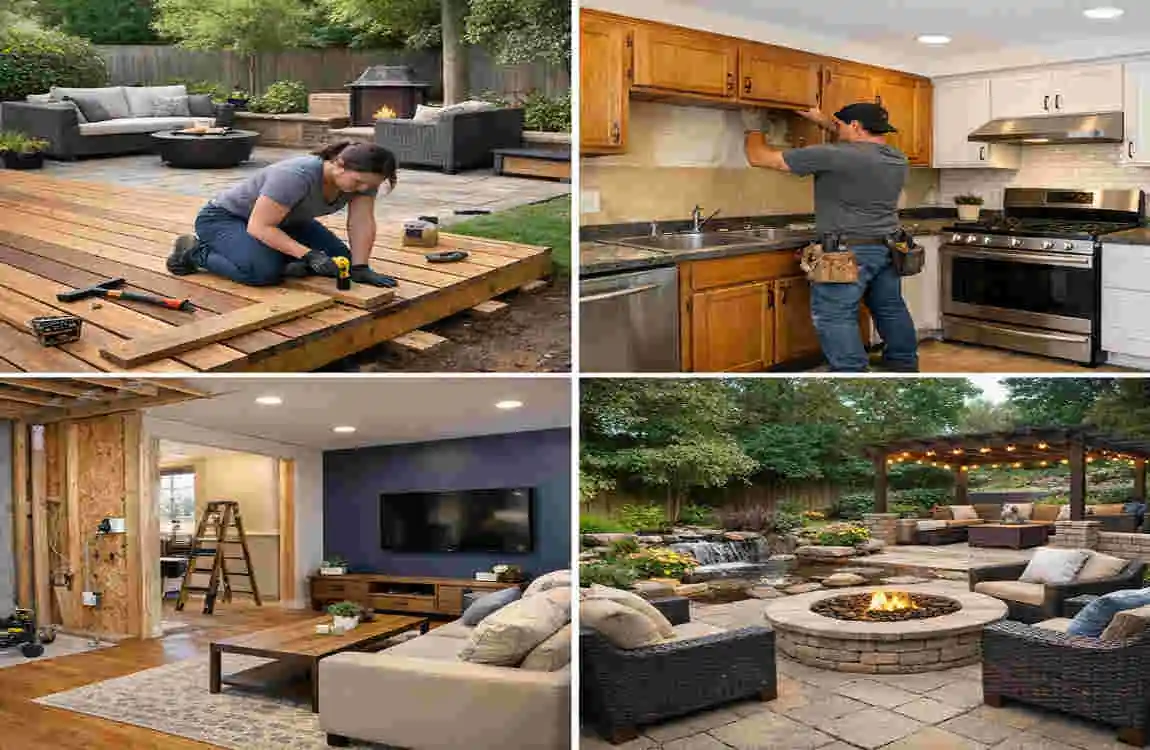
Before you start, ask yourself what you really want from the project. Do you want a bigger kitchen? A more open living room? Better storage? Or do you want a new look?
When you know your goal clearly, it becomes much easier to make good decisions. You can choose the right design, materials, and budget without getting distracted.
Avoid Trend-Only Choices
It is easy to get excited by what looks popular right now. But not every trend will work for your home.
Choose changes that fit your lifestyle, not just what looks good online. A smart home improvement should work for you now and still make sense years later.
Create a Realistic Budget
List Every Possible Cost
A budget should cover more than just materials. Many homeowners forget the extra costs until the project is already underway.
Your budget should include:
- Materials and supplies
- Labor charges
- Permits and inspections
- Unexpected repairs
- Furniture or decoration updates
Keep a Backup Fund
Even with good planning, unexpected costs can arise. You may find hidden damage, outdated m, or plumbing issues once work begins.
That is why it helps to set aside extra money. A backup fund gives you breathing room and reduces stress if something unexpected happens.
Be Honest About What You Can Afford
It is better to choose a smaller project you can finish well than to start something too large and struggle halfway through. A realistic budget keeps the project manageable.
Inspect Your Home First
Check for Hidden Problems
Before you make any major changes, take a close look at your home’s current condition. Some problems are not visible at first, but they can affect the whole project.
Look for issues like:
- Roof damage
- Plumbing problems
- Electrical concerns
- Foundation cracks
- Water leaks
- Poor insulation
Fix Problems Before Cosmetic Changes
If you paint walls or install new floors before fixing deeper problems, you may have to redo the work later—that wastes time and money.
For example, a leak behind a wall can ruin new drywall. Poor insulation can make a beautiful room uncomfortable. Always fix the structure first.
Why This Step Matters
A home that looks good on the surface but has hidden damage can become expensive fast. An early inspection helps you avoid that problem.
Plan Your Design Carefully
Think About How You Live
A good design is not only about style. It should support your daily routine.
Ask yourself how each space will be used. Do you cook often? Do you need more room for children? Do you want a quiet space to work? These details matter.
Focus on the Main Design Areas
When planning, think about:
- Room layout
- Storage needs
- Natural lighting
- Color choices
- Energy-efficient features
Keep It Comfortable and Practical
A stylish home is nice, but comfort matters too. A room should feel easy to use, not crowded or awkward.
Try to balance beauty with function. That balance usually creates the best result.
Choose Quality Materials
Why Material Quality Matters
Cheap materials may seem like a good way to save money at first. But they often wear out faster and need more repairs later.
That can cost more in the long run. Quality materials often last longer and perform better, which makes them a smarter choice.
Areas Where Quality Really Counts
Some parts of the home deserve extra attention because they get used every day. These include:
- Flooring
- Windows
- Doors
- Fixtures
- Countertops
Think Long-Term
A strong material may cost more now, but it can save you from replacement costs later. If you want your home changes to last, quality should be a priority.
Hire the Right Professionals
Choose Experienced Help
For bigger projects, the right professional can make a huge difference. A skilled contractor or designer can help you avoid mistakes, save time, and finish the work properly.
Check Before You Hire
Before choosing anyone, look at:
- Experience
- Reviews
- Past work
- Licensing
- Communication style
Why This Matters
A good professional does more than complete the job. They help guide the project from start to finish and keep things safe and organised.
If someone gives unclear answers or rushes you, take that as a warning sign.
Consider Energy-Efficient Upgrades

Save Money Over Time
Modern homeowners often want improvements that lower energy use. These upgrades can make your home more comfortable and reduce monthly bills.
Helpful Energy-Efficient Improvements
Some of the best options include:
- Better insulation
- Energy-efficient windows
- LED lighting
- Smart home systems
- Efficient heating and cooling equipment
Make Your Home More Comfortable
Energy-efficient upgrades do more than save money. They can also help keep your home cooler in summer, warmer in winter, and more consistent year-round.
That makes daily living much more pleasant.
Think About Future Home Value
Choose Upgrades That Appeal to Buyers
Even if you plan to stay in your home for many years, it is still wise to think about resale value. Some improvements offer a stronger return than others.
Popular value-boosting upgrades include:
- Kitchen remodeling
- Bathroom upgrades
- Outdoor living spaces
- Improved curb appeal
- Modern storage solutions
Balance Personal Style and Market Appeal
You want your home to feel like yours, but not every choice should be overly personal. Very unusual colours, layouts, or features may not appeal to future buyers.
A balanced approach is best. Pick upgrades that suit your taste while still keeping the home attractive to others.
Prepare for the Construction Process
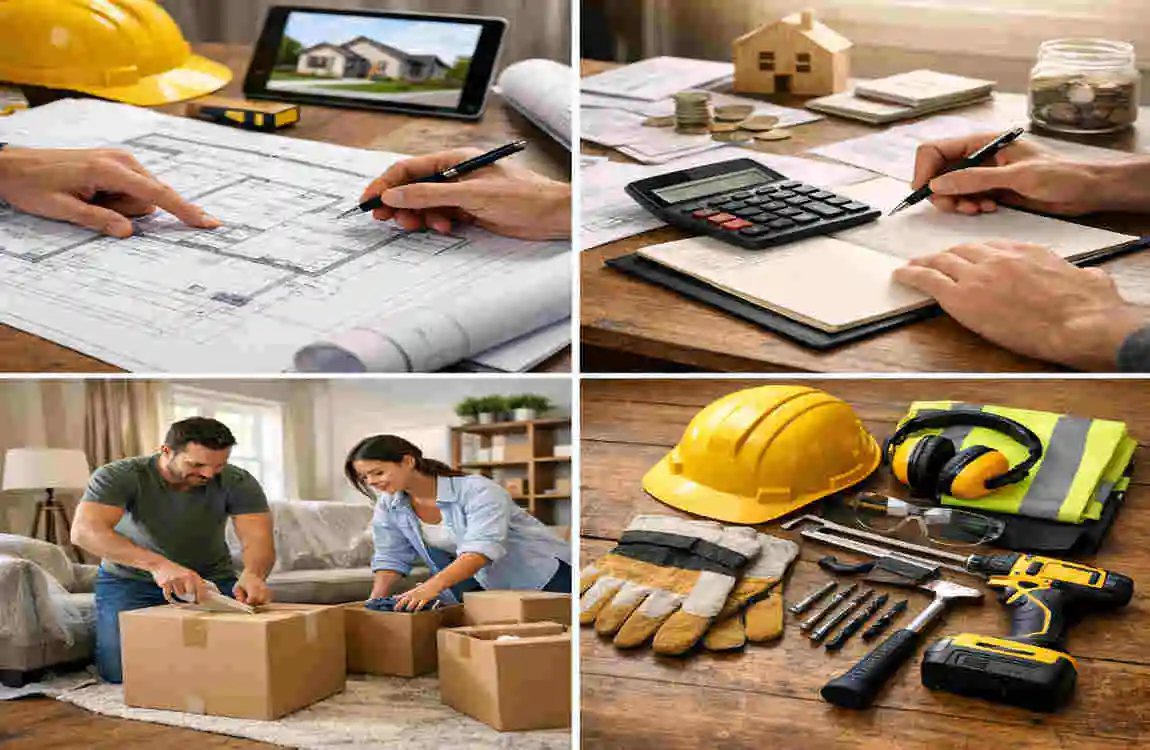
Expect Some Disruption
Home projects can create noise, dust, and a lot of temporary mess. Even a small renovation can disrupt your normal routine.
It helps to prepare early so the process feels less stressful.
Simple Ways to Prepare
- Protect furniture and flooring
- Arrange temporary living spaces if needed
- Stay in touch with contractors
- Set realistic timelines
Be Flexible
Delays can happen. Materials may arrive late, or unexpected issues may slow things down. If you stay flexible, the process feels easier to manage.
Frequently Asked Questions
What should I do before renovating my home?
Before renovating, inspect your home, set a budget, define your goals, and create a clear project plan.
How can I save money when changing my home?
You can save money by planning carefully, comparing material prices, avoiding unnecessary upgrades, and hiring reliable professionals.
Should I renovate my home before selling it?
Yes. Helpful upgrades like kitchen changes, bathroom updates, and better curb appeal can increase market value.
How long does a home renovation usually take?
It depends on the project. Small updates may take a few weeks, while major renovations can take several months.
What home improvements add the most value?
Kitchen remodelling, bathroom upgrades, energy-efficient changes, and outdoor improvements often offer strong value.
| Tip | Why It Matters | Quick Action |
|---|---|---|
| Set a Clear Budget | Prevents overspending during renovations or upgrades. | Calculate costs, materials, and extra expenses before starting. |
| Plan Your Design Goals | Helps create a home that matches your needs and lifestyle. | Decide your style, layout, and priorities. |
| Inspect Your Home First | Identifies hidden problems before making changes. | Check plumbing, electrical systems, roofing, and structure. |
| Choose Quality Materials | Improves durability and long-term value. | Invest in reliable materials instead of only focusing on low cost. |
| Understand Permits & Rules | Avoids legal issues and project delays. | Check local building codes and permit requirements. |
| Hire Trusted Professionals | Ensures safer and better-quality work. | Research contractors and check reviews before hiring. |
| Consider Energy Efficiency | Reduces future utility costs and improves comfort. | Add insulation, efficient lighting, and smart home features. |
| Prepare for Disruptions | Makes the renovation process easier to manage. | Plan temporary living arrangements if needed. |
| Think About Future Value | Helps increase your home’s resale appeal. | Choose improvements that add function and market value. |