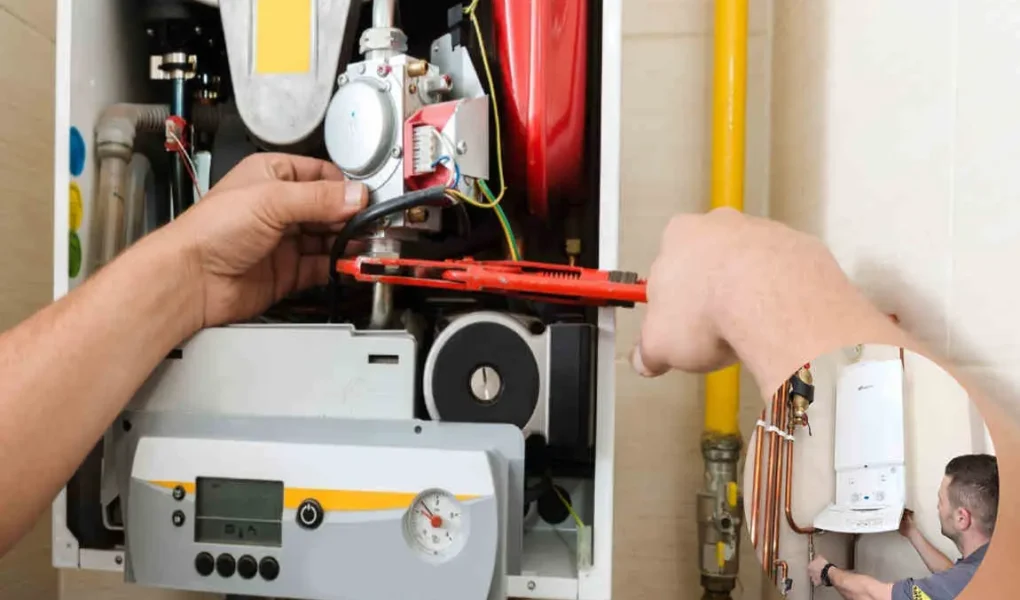
When winter arrives and the temperature drops, your heating system becomes the heart of your home. It keeps your family warm, protects your pipes from freezing, and turns a cold house into a cozy space. But what happens when that trusty system suddenly stops working?
A reliable heater is more than a comfort—it’s a necessity. On those freezing nights, a broken furnace can quickly turn into a serious problem. That’s why understanding house heating repair matters so much for every homeowner.
Heating issues come in many shapes. Sometimes it’s weak airflow, other times it’s strange banging noises, and occasionally the system simply refuses to turn on. Each of these problems has a cause—and often a solution.
What Is House Heating Repair?
Definition of House Heating Repair
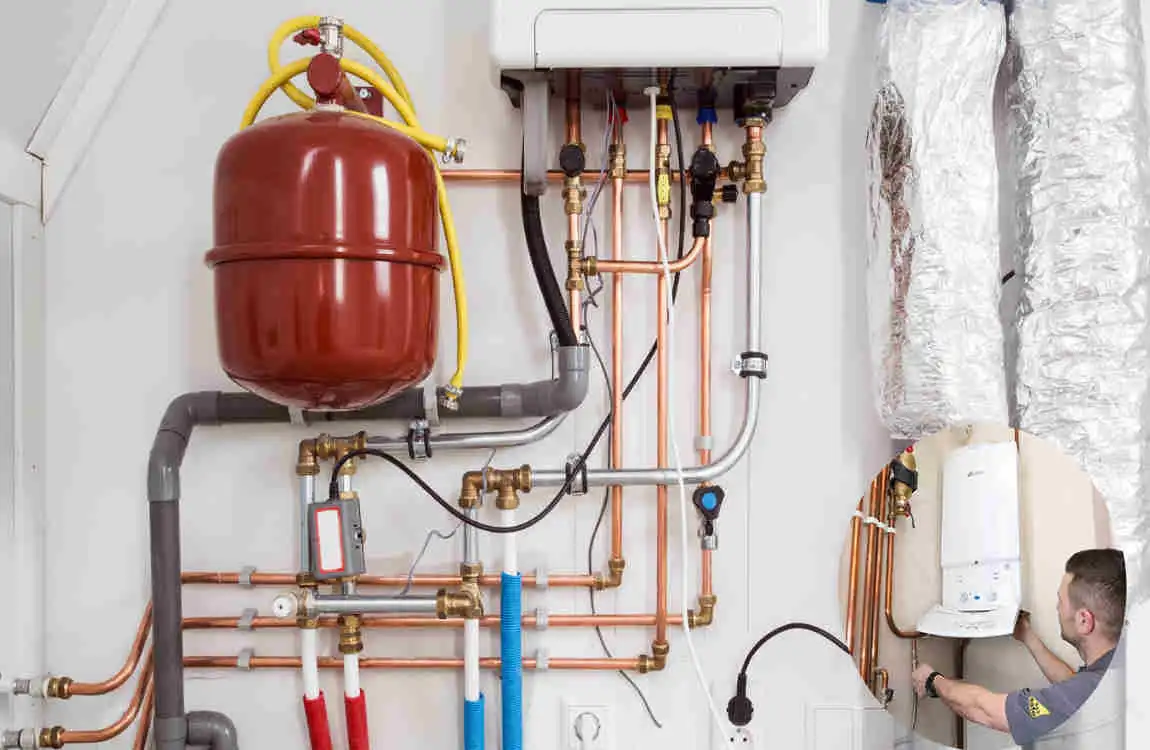
House heating repair refers to the process of finding and fixing problems within your home’s heating equipment. This includes furnaces, boilers, heat pumps, and their related parts like thermostats, blowers, and filters.
The goal is simple: restore safe, efficient, and reliable warmth to your home. A good repair not only fixes the immediate issue but also helps your system run smoothly for years to come.
Why Heating Systems Need Repairs
Just like any machine, your heating system experiences wear and tear over time. Parts age, dust builds up, and small issues grow bigger if left ignored.
Daily use puts pressure on motors, belts, and electrical connections. Add in temperature swings and occasional power surges, and it’s easy to see why repairs become part of home ownership.
Signs Your Heating System Requires Immediate Attention
Your heater often warns you before it fails. Learning to spot these signs can save you money and stress.
Watch out for these red flags:
- Weak or cold air coming from your vents.
- Loud banging, rattling, or squealing sounds.
- A sudden spike in your energy bills.
- Strange or burning smells in the house.
- The system turning on and off too often.
If you notice any of these, don’t wait. Early action prevents bigger, costlier problems down the road.
Common House Heating Problems
Heater Not Producing Warm Air
This is one of the most frustrating issues. You set the thermostat, wait patiently, and yet only cold or lukewarm air flows out.
The cause could be a clogged filter, a faulty thermostat, or a problem with the heating element. Sometimes it’s as simple as a wrong setting, while other times it points to a deeper mechanical fault.
Uneven Heating Throughout the House
Ever notice that one room feels toasty while another stays chilly? Uneven heating is a common complaint among homeowners.
This usually happens because of blocked vents, leaky ductwork, or poor insulation. In some cases, an aging system simply can’t push warm air evenly to every corner of your home.
Strange Noises from the Furnace
A healthy furnace should run quietly. When you start hearing bangs, whistles, or grinding sounds, your system is trying to tell you something.
Loud noises often signal loose parts, a failing blower motor, or airflow problems. Ignoring these sounds can lead to more serious damage over time.
Heating System Frequently Turns On and Off
This behavior is known as “short cycling.” Your heater keeps starting and stopping without properly warming the house.
Short cycling wastes energy and puts extra strain on your equipment. Common causes include a dirty filter, an overheating system, or a thermostat placed in the wrong spot.
Thermostat Malfunctions
Sometimes the problem isn’t the heater at all—it’s the thermostat. A faulty thermostat can misread the temperature or fail to communicate with your system.
If your home feels colder than the number on the display, or the heater won’t respond, your thermostat may need repair or replacement.
Quick Troubleshooting Before Calling a Technician
Before you pick up the phone, try these simple checks. Many heating issues have easy solutions you can handle yourself.
Check the Thermostat Settings
Start with the basics. Make sure your thermostat is set to “heat,” and the temperature is higher than the current room reading.
Also, check the batteries if you have a digital model. A dead battery is a surprisingly common reason for a silent heater.
Replace Dirty Air Filters
A clogged filter blocks airflow and forces your system to work harder. This can cause weak heating and even complete shutdowns.
Check your filter every month during winter. If it looks gray and dusty, replace it. This one small step can make a big difference.
Inspect Circuit Breakers
If your heater won’t turn on at all, head to your electrical panel. A tripped breaker could be cutting off power to the system.
Flip the breaker off and then back on. If it trips again right away, stop and call a professional, as this may signal an electrical fault.
Ensure Vents Are Open
Walk through your home and check every vent. Furniture, rugs, or closed dampers can block airflow and cause uneven heating.
Make sure all supply and return vents stay open and clear. Good airflow helps your system heat your home efficiently.
Reset the Heating System Safely
Many modern systems have a reset button. Turning the unit off, waiting a few minutes, and restarting it can clear minor glitches.
Always follow your manufacturer’s instructions. If a reset doesn’t work, it’s time to bring in an expert.
When to Call a Professional for House Heating Repair
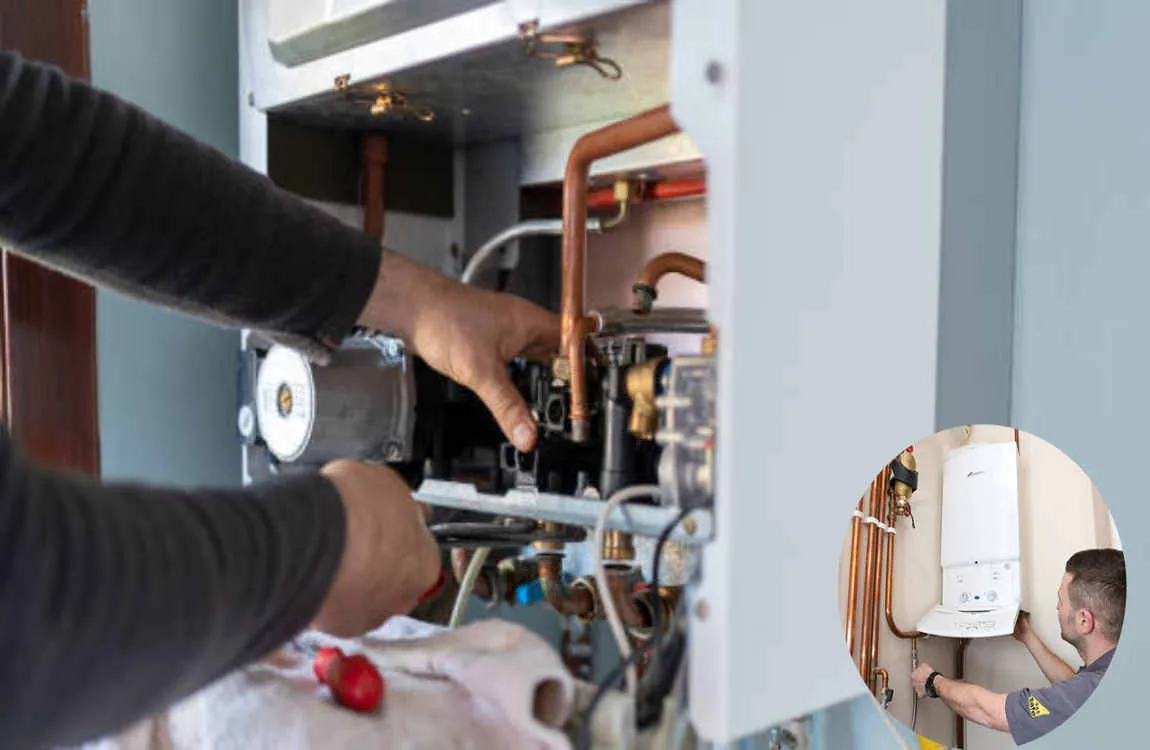
Some problems are too risky or complex to fix on your own. In these situations, a trained technician keeps you safe and gets the job done right.
Gas Furnace Issues
Gas-powered systems require special care. If you smell gas or suspect a leak, leave your home immediately and call your gas company.
Never try to repair gas components yourself. The risk of fire or poisoning is simply too high.
Electrical Problems
Frequent breaker trips, sparks, or burning wires point to serious electrical issues. These problems can cause fires if handled incorrectly.
A licensed technician has the tools and knowledge to fix wiring safely. Don’t take chances with electricity.
Pilot Light or Ignition Failure
If your pilot light keeps going out or your ignition won’t spark, your furnace can’t produce heat. This is a common but tricky repair.
A professional can safely inspect the ignition system and replace worn parts to restore reliable heating.
Unusual Burning Smells
A burning smell that lasts more than a few minutes is a warning sign. It could mean overheating wires or a damaged component.
Turn off your system and call an expert right away. This is not a problem to ignore.
Complete Heating System Failure
When your heater stops working entirely, especially during freezing weather, quick action matters. A professional can diagnose the root cause fast.
Many companies offer emergency services for exactly these moments. Prompt repair protects both your comfort and your pipes.
House Heating Repair Costs
Understanding repair costs helps you plan and budget wisely. Prices vary based on the problem, your location, and the type of system you own.
Here’s a helpful breakdown of common repairs and their estimated costs:
Repair Type Estimated Cost
Thermostat Repair $100–$300
Air Filter Replacement $20–$80
Blower Motor Repair $150–$600
Ignition Repair $150–$500
Heat Exchanger Repair $500–$2,000+
Costs vary depending on location, system type, and labor.
As you can see, minor repairs are fairly affordable, while major components cost much more. This is exactly why regular maintenance pays off—it helps you avoid the expensive fixes.
Always ask for a written estimate before work begins. This protects you from surprise charges and lets you compare fair prices.
Tips to Prevent Heating Repairs
The best repair is the one you never need. With a little care, you can keep your heating system running smoothly and avoid costly breakdowns.
Schedule Annual Maintenance
Think of this like a yearly checkup for your heater. A technician cleans, inspects, and tunes your system before problems appear.
Booking maintenance before winter ensures your system is ready when you need it most. It’s one of the smartest habits you can build.
Replace Filters Regularly
We can’t stress this enough—clean filters keep your system healthy. A fresh filter improves airflow and reduces strain on the motor.
Set a reminder to check your filter monthly. Replacing it takes just minutes but saves you plenty in the long run.
Keep Air Vents Clean
Dust and debris can build up in your vents over time. This reduces airflow and lowers your system’s efficiency.
Vacuum your vents regularly and keep them free of furniture and clutter. Clean vents mean better, more even heating.
Seal Air Leaks Around Doors and Windows
Warm air escaping through cracks forces your heater to work overtime. This wastes energy and increases wear on your system.
Use weatherstripping or caulk to seal gaps around doors and windows. You’ll stay warmer and cut your energy bills too.
Test Your Heating System Before Winter
Don’t wait for the first cold night to discover a problem. Turn on your heater in early fall to make sure it works.
Testing early gives you time to schedule repairs before the busy winter rush. It’s a simple step that saves a lot of stress.
Repair vs. Replace Your Heating System
At some point, every homeowner faces a big question: should you repair the system or replace it entirely? Let’s break down how to make this decision.
When Repair Is the Better Option
If your system is relatively new and the problem is minor, repair usually makes sense. Fixing a thermostat or blower motor costs far less than a new unit.
Repair is also the right choice when your system still runs most of the time efficiently. A single fix can extend its life for several more years.
When Replacement Saves More Money
Sometimes repairs stop being worth it. If your heater breaks down often or needs an expensive part, replacement may be smarter.
A good rule of thumb: if the repair costs more than half the price of a new system, consider replacing it. Newer units are also more energy-efficient, which lowers your monthly bills.
Average Lifespan of Heating Systems
Knowing how long your system should last helps guide your decision. Most furnaces run for 15 to 20 years with proper care.
Heat pumps typically last 10 to 15 years, while boilers can last even longer. If your heating system is near the end of its lifespan, replacement is often the better investment.
Choosing a Reliable Heating Repair Service
Finding the right technician makes all the difference. A skilled, honest professional gives you peace of mind and quality work. Here’s how to choose wisely.
Check Licensing and Insurance
Always confirm that your technician holds proper licenses. This proves they have the training to handle your system safely.
Insurance is just as important. It protects you in case of accidents or damage during the repair.
Read Customer Reviews
Reviews tell you what to expect from a company. Look for consistent praise about reliability, honesty, and quality.
Pay attention to how a company responds to complaints too. Good service providers address concerns quickly and respectfully.
Ask About Emergency Services
Heating problems don’t always happen during business hours. A company that offers 24/7 emergency service can be a lifesaver.
Ask about their response times and after-hours availability before you need them. It’s better to know ahead of time.
Request Written Estimates
Never accept a vague price over the phone. A written estimate spells out the costs clearly and prevents surprises.
Compare estimates from a few companies. This helps you find fair pricing without sacrificing quality.
Compare Warranties
A strong warranty shows that a company stands behind its work. It also protects you if the problem returns.
Ask about both parts and labor warranties. The best providers offer solid guarantees on their repairs.
Winter Heating Safety Tips
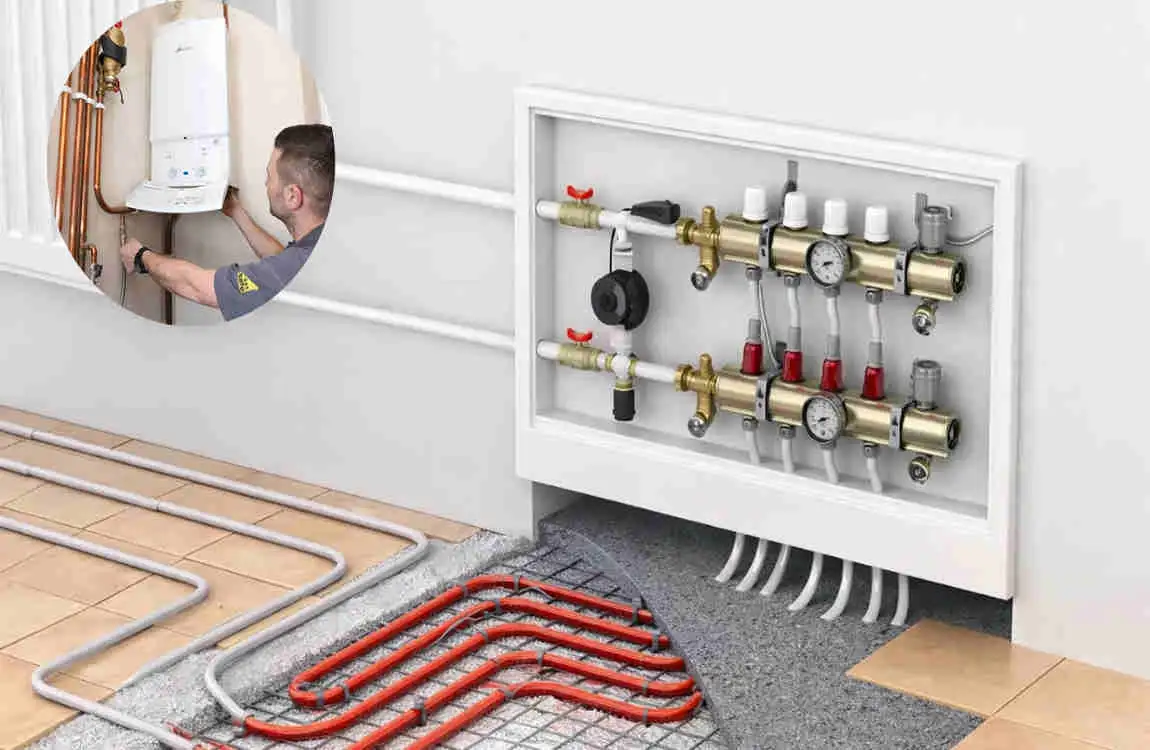
Your safety matters just as much as your comfort. Follow these simple tips to protect your home and family during the cold months.
- Install carbon monoxide detectors. These devices alert you to dangerous, invisible gas leaks. Place them near bedrooms and heating equipment.
- Keep flammable items away from heaters. Store curtains, paper, and cleaning supplies at a safe distance from any heat source.
- Never block heating vents. Blocked vents reduce airflow and can cause your system to overheat.
- Inspect gas lines regularly. Watch for signs of damage or leaks, and call a professional if you notice anything unusual.
- Schedule professional inspections annually. A yearly checkup catches hidden dangers before they become serious.
Taking these small steps creates a safer, warmer home for everyone. Never take heating safety lightly.
Frequently Asked Questions FAQs
What is house heating repair?
House heating repair involves diagnosing and fixing problems in heating systems such as furnaces, boilers, or heat pumps to restore safe and efficient operation.
How do I know if my heating system needs repair?
Common signs include weak heating, unusual noises, higher energy bills, unpleasant odors, and frequent system cycling.
How much does house heating repair cost?
Most repairs range from $100 to $600, while major component replacements can cost $1,000 or more.
Can I repair my heating system myself?
Basic tasks like changing air filters or checking thermostat settings are safe, but electrical or gas-related repairs should be handled by a qualified technician.
How often should a heating system be serviced?
Experts recommend professional maintenance once a year, preferably before the winter season.
How can I reduce future heating repair costs?
Regular maintenance, timely filter replacement, keeping vents clean, and addressing minor issues early can significantly reduce repair expenses.
| Topic | Information |
|---|---|
| What Is House Heating Repair? | House heating repair involves fixing heating systems such as furnaces, boilers, heat pumps, or electric heaters to restore warmth and efficiency. |
| Common Heating Problems | No heat, uneven heating, strange noises, thermostat issues, pilot light failure, clogged filters, or frequent cycling. |
| Signs You Need Repair | Cold rooms, rising energy bills, unusual smells, weak airflow, or the system won’t turn on. |
| Fast Solutions | Replace air filters, check thermostat settings, reset the system, inspect circuit breakers, and schedule professional repairs for major issues. |
| Benefits of Prompt Repair | Improves indoor comfort, reduces energy costs, prevents expensive breakdowns, and extends the heating system’s lifespan. |
| DIY vs. Professional Repair | Homeowners can replace filters and check thermostats, but gas, electrical, or mechanical repairs should be handled by certified HVAC technicians. |
| Preventive Maintenance Tips | Schedule annual heating inspections, clean vents, replace filters every 1–3 months, and keep outdoor units free of debris. |
| Average Repair Cost | Most heating repairs range from $150–$600, depending on the issue, system type, and replacement parts needed. |
| Best Time for Service | Early fall or at the first sign of heating problems before winter temperatures become severe. |
| Key Takeaway | Fast house heating repair keeps your home warm, improves energy efficiency, and helps avoid emergency breakdowns during the winter season. |