A home inspection is a big step in any buying or selling process. It gives everyone a clear look at the home’s condition before the deal moves forward. When you prepare well, the inspection becomes smoother, faster, and far less stressful.
The good news is that you do not need to make big changes. A few smart steps can help you present the home well and avoid avoidable problems.
Why a Home Inspection Matters
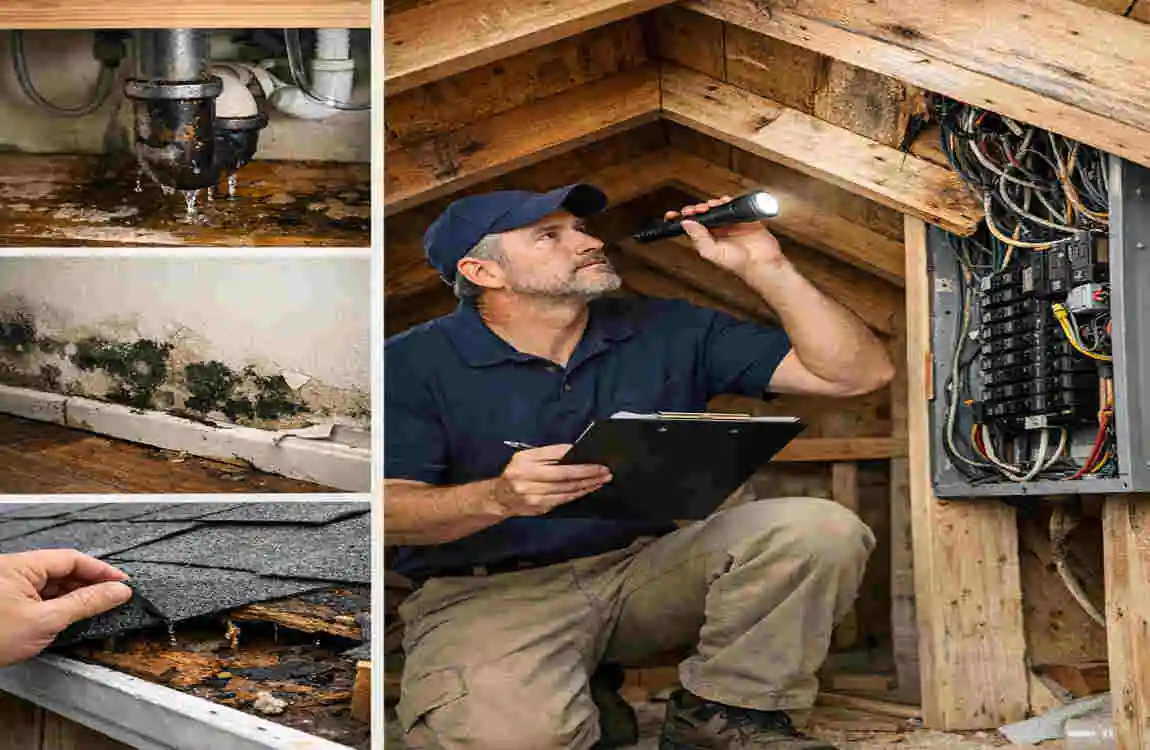
A home inspection helps uncover issues that may not be easy to spot during a normal walk-through. It provides a close look at the home’s main systems and key components.
What inspectors usually check
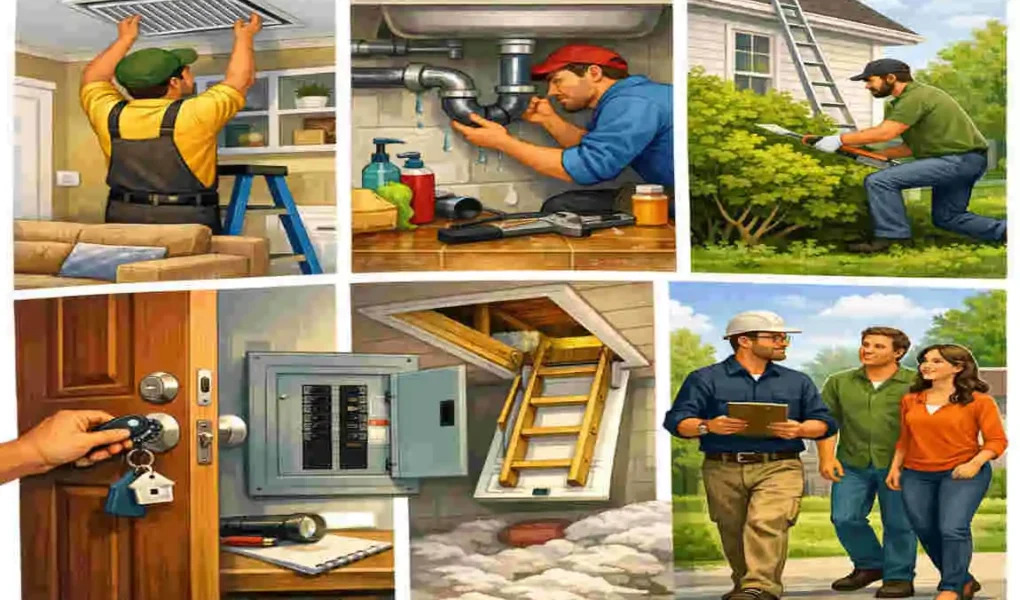
Inspectors often review:
- Roofing
- Foundation
- Plumbing
- Electrical system
- HVAC system
- Windows and doors
- Insulation and ventilation
This report helps buyers understand what they are getting. It also helps sellers address small issues early rather than face surprises later.
Smart Tips for a Smooth Home Inspection
Clean and Declutter the Home
A clean home makes a strong first impression. It also helps the inspector move easily through the space.
Focus on areas like the attic, basement, electrical panel, water heater, and HVAC equipment. These spots should be easy to reach. Cleanliness does not change the home’s condition, but it does make the process faster and easier.
Complete Minor Repairs
Small problems can make a home look less cared for than it really is. Before the inspection, take care of simple fixes such as:
- Dripping faucets
- Burnt-out light bulbs
- Loose doorknobs
- Cracked caulking
- Weak smoke detector batteries
These small repairs show that the home has been maintained with care.
Test Major Systems
Make sure the main systems work before the inspector arrives. Check the heating, cooling, plumbing, electrical outlets, appliances, and garage door opener.
If something obvious is not working, fix it early. That way, you avoid unnecessary concerns during the inspection.
Improve the Exterior
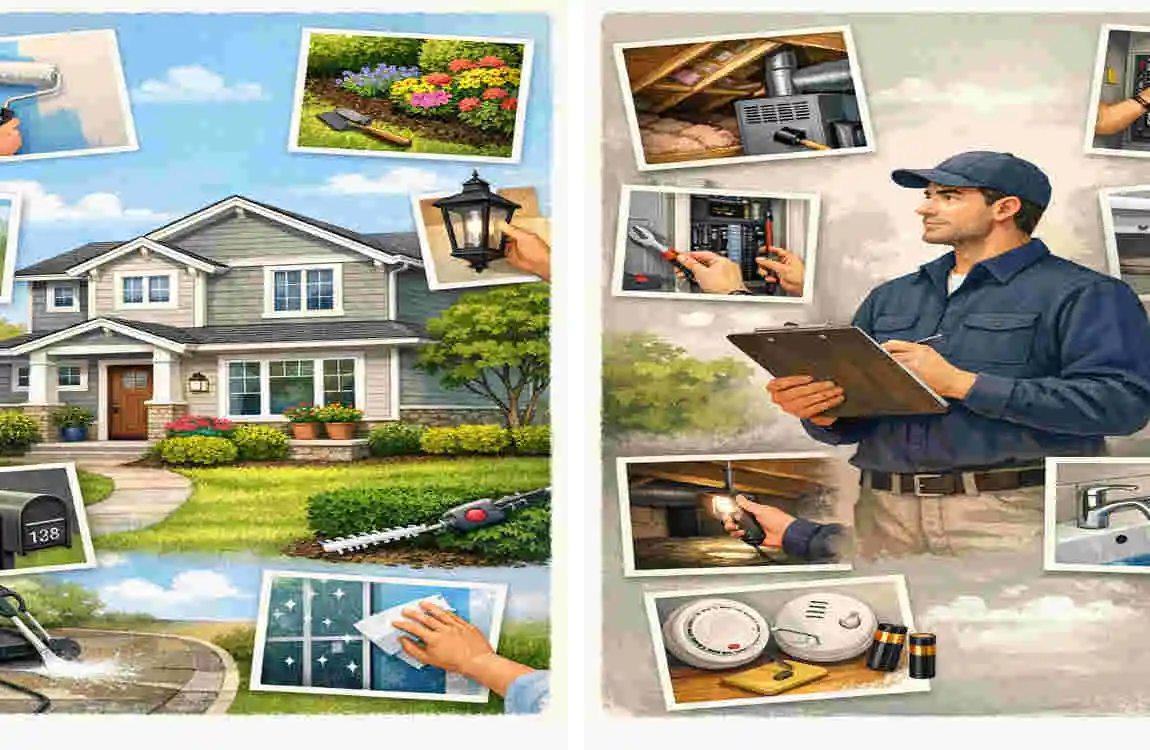
Inspectors do not only look inside the home. They also check the exterior, and its condition matters more than many people think.
Keep these areas in good shape:
- Clean gutters
- Clear walkways
- Trim trees away from the roof
- Make sure downspouts carry water away from the foundation
- Test exterior lights
A neat exterior gives the impression of regular upkeep.
Replace HVAC Filters
A clean filter helps the heating and cooling system work properly. It also shows that the system has been cared for.
Dirty filters can make it seem like the HVAC system has not been maintained. This is a simple fix, but it can make a big difference.
Make Utilities Accessible
The inspector needs working utilities to test the home properly. Make sure the electricity, water, and gas are turned on.
If any utility is off, some parts of the inspection may be delayed or incomplete. That can create extra trouble later.
Gather Maintenance Records
If you have done any major repairs or upgrades, keep the paperwork ready. This gives buyers more confidence and helps answer questions clearly.
Home Improvement Helpful Documentation
New Roof Warranty
HVAC Replacement Service Records
Water Heater Installation Receipt
Plumbing Repairs Contractor Invoice
Electrical Upgrades Permit Information
Good records help show that the home has been properly maintained.
Leave Pets Elsewhere
Pets can distract the inspector and make the process harder. It is usually best to move them to a safe place during the inspection.
A quiet environment allows the inspector to work without interruptions.
Unlock All Areas
The inspector needs full access to the home. Make sure the garage, attic, crawl space, utility room, and storage sheds are unlocked.
If the inspector cannot reach an area, it cannot be properly checked. That may lead to delays or follow-up visits.
Do Not Hide Problems
Trying to cover up damage usually causes more trouble. It is better to be honest and upfront.
Transparency builds trust and helps both sides address issues fairly. A clear process is almost always better than a hidden one.
Common Areas Inspectors Check
Here is a quick look at what inspectors often focus on:
Area What They Evaluate
Roof Shingles, flashing, leaks
Foundation Cracks, settlement
Plumbing Leaks, water pressure
Electrical Wiring, outlets, panels
HVAC Heating and cooling performance
Windows Operation and sealing
Insulation Energy efficiency
Appliances Basic functionality
Knowing these areas ahead of time helps you prepare with more confidence.
Benefits of Preparing for a Home Inspection

A little preparation can make a big difference.
What good preparation does
- Speeds up the inspection
- Reduces surprise issues
- Builds buyer confidence
- Makes negotiations easier
- Helps avoid closing delays
Preparation will not hide major defects, but it can make the whole process more efficient and less stressful.
Frequently Asked Questions
How long does a home inspection usually take?
Most home inspections take 2 to 4 hours, depending on the home’s size, age, and condition.
Should sellers be present during the inspection?
Many sellers leave during the inspection so the buyer and inspector can work without interruption.
Can a home fail a home inspection?
No. A home inspection is not pass-or-fail. It simply shows the condition of the home and points out concerns.
What repairs should be completed before a home inspection?
Focus on small repairs like fixing leaks, replacing bulbs, testing smoke detectors, and making sure systems work properly.
Do home inspectors check appliances?
Yes. Inspectors usually test built-in appliances that come with the home, such as ovens, dishwashers, garbage disposals, and range hoods.
| Tip | Why It Matters |
|---|---|
| Clean the Home | A clean home makes it easier for the inspector to access important areas. |
| Ensure Easy Access | Clear pathways to the attic, basement, electrical panel, HVAC system, and water heater. |
| Test Utilities | Make sure electricity, water, and gas are turned on for a complete inspection. |
| Replace Burnt-Out Bulbs | Prevent confusion over whether a light fixture or switch is faulty. |
| Fix Minor Repairs | Address small issues like leaky faucets, loose handles, and squeaky doors beforehand. |