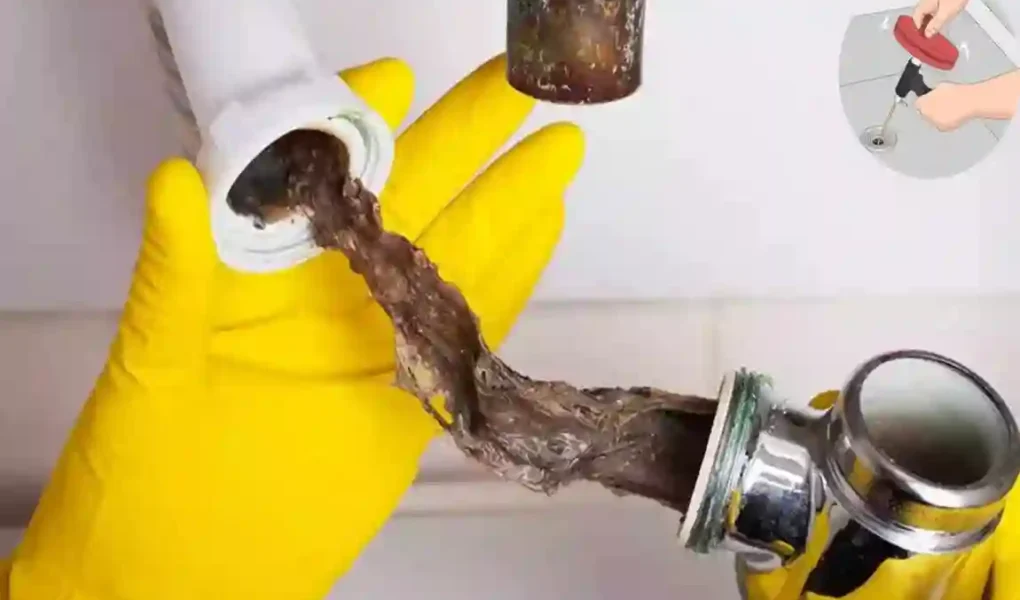
Every home depends on a smooth-running drainage system. From washing dishes in the kitchen to taking showers in the bathroom, drain pipes quietly handle all the dirty water and waste. But over time, these pipes slowly collect buildup that can lead to serious clogs.
You might not notice it at first. The water may drain a little slower than usual. But soon, it can turn into a complete blockage, bad smells, or even water backing up into your sink or bathroom floor. That is when things get stressful.
This is why regular cleaning is so important. Clean drain pipes help keep your home fresh, hygienic, and stress-free. More importantly, they save you from expensive plumbing visits.
Many homeowners today prefer simple DIY solutions instead of calling professionals every time. And most minor clogs can be fixed at home with the right methods.
Understanding Drain Pipes in a House
How Home Drain Systems Work
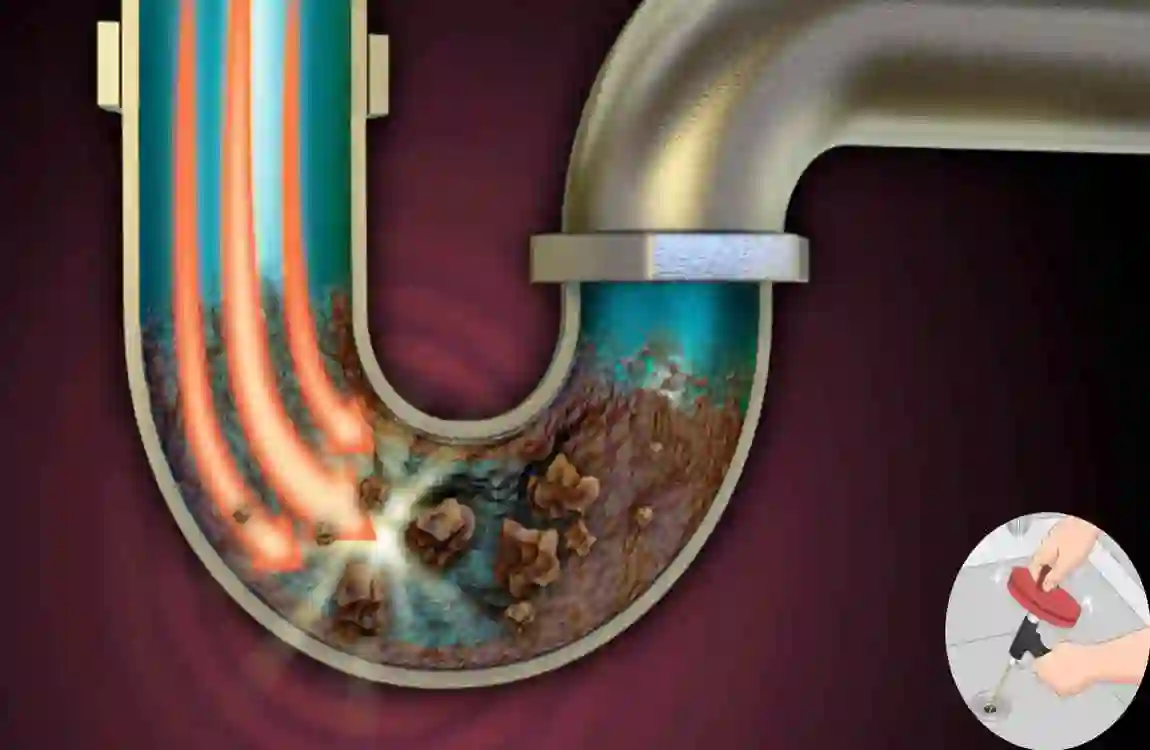
Before you start cleaning, it helps to understand how your home drainage system actually works. Think of it as a hidden network of pipes that carries wastewater away from different areas of your house.
Basic Structure of Household Drainage System
Your home usually has several connected drainage points:
- Kitchen drains handle food particles, grease, and aaaaacdishwasher waste
- Bathroom drains deal with hair, soap, and toothpaste waste
- Floor drains collect water from cleaning and spills
- The main sewer line carries everything out of your home
All these pipes connect and carry wastewater out of your house. Even a single part can cause the whole system to slow down.
Common Causes of Drain Blockages
Drain clogs don’t happen overnight. They build up slowly over time from everyday use.
Here are the most common reasons:
- Grease and oil buildup from cooking
- Hair and soap residue in bathroom drains
- Food particles stuck in the kitchen pipes
- Dirt and debris from cleaning activities
- Mineral deposits from hard water
These materials stick to pipe walls and slowly reduce water flow.
Early Warning Signs of Clogged Pipes
Your home usually gives warning signs before a major blockage happens:
- Water draining slowly
- Unpleasant smells coming from drains
- Gurgling or bubbling sounds
- Water backing up into sinks or tubs
If you notice these signs early, you can easily fix the issue before it becomes serious.
Tools and Materials Needed
Essential Tools for Cleaning Drain Pipes at Home
You don’t need expensive tools or professional equipment. Most items are already available in your home.
Basic Household Tools
These simple tools are often enough for minor clogs:
- Plunger
- Bucket
- Boiling water
- Rubber gloves
These help you clear soft blockages and maintain hygiene during cleaning.
Cleaning Agents
Natural cleaning ingredients work surprisingly well for drain cleaning:
- Baking soda
- Vinegar
- Salt
- Dish soap
These ingredients help break down grease, loosen dirt, and remove odor.
Advanced Tools (Optional)
If the clog is slightly tougher, you may need extra tools:
- Drain snake (auger)
- Pipe brush
- Wet/dry vacuum
These tools help physically remove deep blockages inside pipes.
Important Tip:
Always wear gloves and keep the area ventilated when working with drains. Hygiene and safety should come first.
How to Clean Out Drain Pipes in House Naturally Main Methods
Simple and Effective DIY Drain Cleaning Methods
Now let’s move to the practical part. These methods are easy, safe, and effective for most household clogs.
Boiling Water Flush
This is the simplest method you can try.
Steps:
- Boil a kettle of water
- Slowly pour it directly into the drain
- Repeat 2–3 times if needed
This works best for grease and light soap buildup. Hot water melts and loosens sticky residue inside pipes.
Baking Soda and Vinegar Solution
This is one of the most popular natural drain cleaners.
Steps:
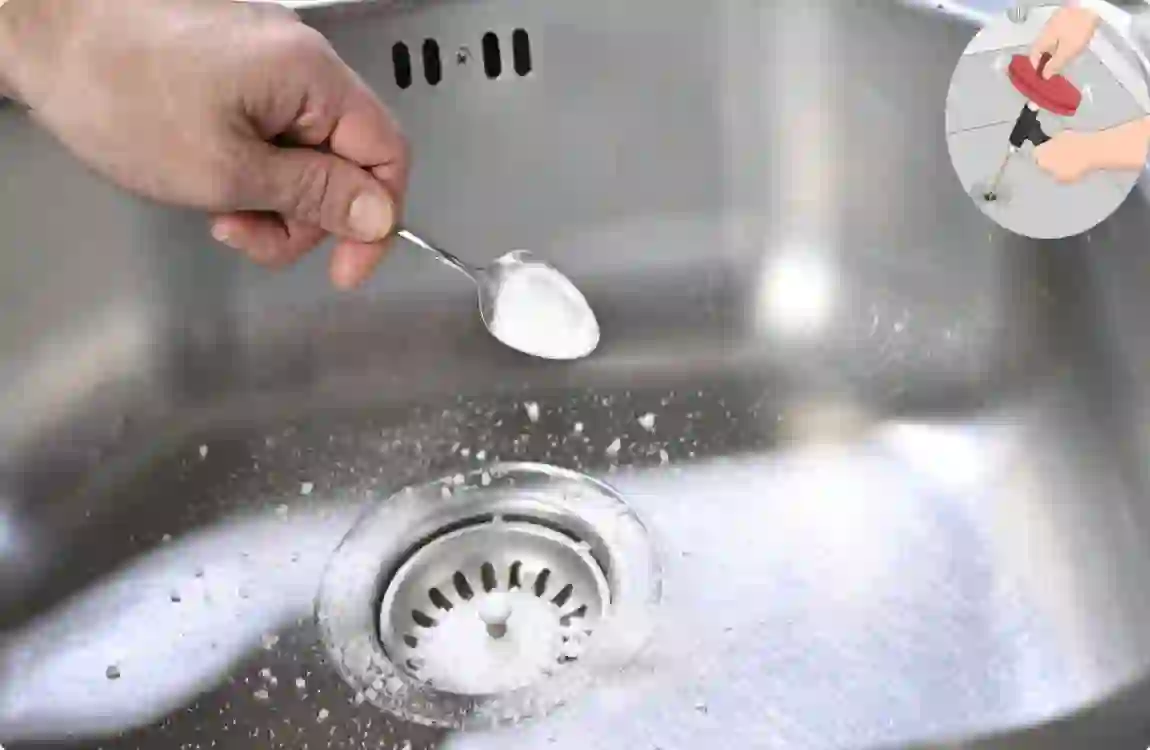
- Pour half a cup of baking soda into the drain
- Add one cup of vinegar
- Let it sit for 15–20 minutes
- Flush with hot water
The bubbling reaction helps break down dirt and loosen clogs naturally.
Salt, Baking Soda & Hot Water Mix
This method is great for stubborn buildup.
Steps:
- Mix half a cup of salt + half a cup of baking soda
- Pour into the drain
- Leave overnight
- Flush with hot water in the morning
This combination works slowly but effectively to clean pipes.
Plunger Method
A plunger can quickly fix many blockages.
How to use it:
- Place the plunger over the drain
- Push and pull firmly to create suction
- Repeat several times
Make sure there is enough water in the sink for proper suction.
Drain Snake (Manual Cleaning)
This tool is very effective for hair clogs.
Steps:
- Insert the snake into the drain
- Rotate it slowly
- Pull out trapped debris
It is especially useful for bathroom sinks and showers.
Dish Soap and Hot Water Method
This method is perfect for kitchen grease.
Steps:
- Pour dish soap into the drain
- Add hot water after a few minutes
- Let it sit and flush again
Soap breaks down oily residue inside pipes.
Wet/Dry Vacuum Method
This method uses suction power.
Steps:
- Set the vacuum to liquid Mode
- Create a tight seal over the drain
- Turn it on to pull out the blockage
Use this method when other options fail.
Step-by-Step Complete Drain Cleaning Process
How to Clean Out Drain Pipes in the House Step by Step
If you want a complete routine, follow this simple process:
Identify the clogged drain
Find out which drain is slow or blocked.
Choose the correct method
Select a natural or mechanical method based on clog type.
Apply DIY solution
Use the baking soda, plunger, or hot water method.
Flush thoroughly with hot water
This removes loosened debris.
Test drainage speed
Check if water flows smoothly.
Repeat if necessary
If needed, repeat the process for better results.
By following this method, you will clearly understand how to clean out drain pipes in the house without professional help.
Preventing Future Drain Blockages
How to Keep Drain Pipes Clean in the House Long-Term
Prevention is always better than repair.
Daily Habits
- Never pour oil or grease into sinks
- Use drain strainers to catch debris
- Dispose of food waste properly
Weekly Maintenance Tips
- Flush drains with hot water
- Use baking soda occasionally
Monthly Deep Cleaning
- Apply the vinegar treatment
- Check slow drains early
Bathroom Care Tips
- Install hair catchers
- Clean shower drains regularly
Common Mistakes to Avoid
Drain Cleaning Errors That Can Damage Your Pipes
Avoid these mistakes:
- Overusing harsh chemical cleaners
- Ignoring early signs of blockage
- Using the wrong tools for the pipe type
- Pouring boiling water into fragile PVC pipes repeatedly
- Skipping regular maintenance
These habits can damage your plumbing system over time.
When to Call a Professional Plumber
Signs You Need Expert Help
Sometimes DIY is not enough.
Call a plumber when:
- Multiple drains are blocked
- Water is backing up frequently
- Bad sewer smell spreads in the house
- Pipes are old or damaged
- DIY methods are not working
Knowing your limits saves time and prevents damage.
FAQs About Cleaning Drain Pipes in the House
How often should I clean my drain pipes?
Light cleaning once a week and deep cleaning once a month is ideal.
What is the fastest way to unclog a drain at home?
A plunger or boiling water method works fastest for small clogs.
Is vinegar and baking soda safe for all pipes?
Yes, it is safe for most household pipes when used properly.
Can I prevent drain clogs completely?
Not completely, but proper care can significantly reduce them.
What causes frequent drain blockages in houses?
Grease, hair, soap buildup, and food waste are the main causes.