
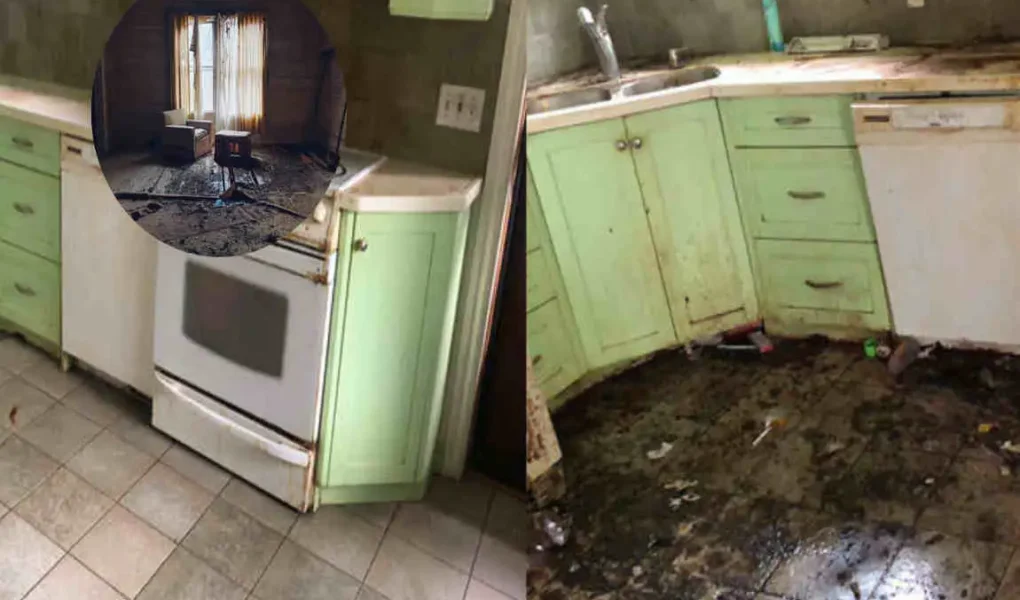
An abandoned house is a property that has been left empty and neglected for months or even years. Nobody has lived there, cleaned it, or maintained it. Over time, dust piles up, mold spreads, pests move in, and the whole place starts to feel forgotten.
Cleaning one of these homes is not like tidying up your own living room. These properties often hide serious problems like weak floors, hidden mold, and even dangerous materials. That’s why learning how to clean an abandoned house properly matters so much.
Safety always comes first. Before you grab a broom, you need to protect yourself and understand what you’re walking into. A quick, careless approach can lead to injury or health issues.
Inspect the Property Before Cleaning
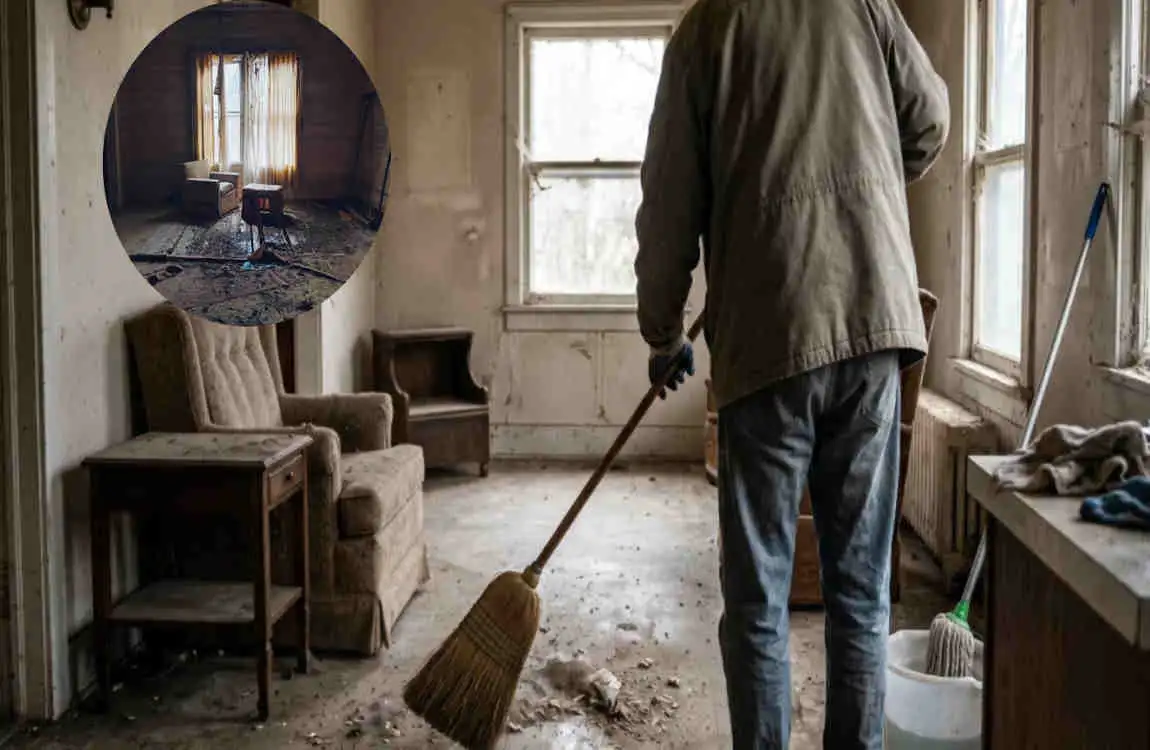
Before you clean anything, you need to look at the whole house clean carefully. A proper inspection helps you spot dangers and plan your work. Skipping this step can put you in real danger.
Check for Structural Damage
Walk through the home slowly and watch where you step. Old, abandoned houses often have hidden damage that can hurt you.
Look out for these common problems:
- Weak floors that feel soft or bounce when you step on them
- Broken stairs with loose or missing steps
- Roof leaks shown by water stains on ceilings
- Cracked walls that may signal deeper foundation issues
If a floor feels spongy or a wall looks like it’s bulging, stay away and call a professional to check it.
Look for Safety Hazards
Neglected homes are full of hidden dangers. Take your time and scan each room before entering fully.
Keep an eye out for:
- Mold growing on walls, ceilings, or damp corners
- Pest infestations like rats, roaches, or wasp nests
- Sharp objects such as broken glass or rusty nails
- Electrical hazards including exposed or damaged wires
- Standing water that can hide dangers and breed germs
Never touch damaged wires or wade through pooled water. These are serious risks that need expert handling.
Decide Whether Professional Help Is Needed
Sometimes a home is just too damaged for a solo cleanup. If you find heavy mold, asbestos, biohazards, or major structural problems, call in the pros.
Ask yourself honestly: Is this safe for me to handle? If the answer feels uncertain, hire trained experts. Your health is worth far more than saving a little money.
Gather Essential Cleaning Supplies
Once you know what you’re dealing with, it’s time to collect your tools. Having the right gear ready makes the whole job faster and safer. Trust me, you don’t want to keep running to the store mid-cleanup.
Personal Protective Equipment (PPE)
Your safety gear is the most important thing you’ll bring. Never enter an abandoned home without it.
Make sure you have:
- Gloves to protect your hands from germs and sharp items
- Safety goggles to shield your eyes from dust and debris
- N95 mask to keep mold spores and dust out of your lungs
- Work boots with thick soles to guard against nails and glass
- Coveralls to keep dirt and contaminants off your skin and clothes
Put on all of this before you start. Dust and mold in these homes can seriously harm your health.
Basic Cleaning Equipment
Next, gather the everyday tools you’ll use in almost every room. These form the backbone of your cleanup.
Your basic kit should include:
- Trash bags (get the heavy-duty kind)
- Brooms for sweeping loose dirt
- Mops and buckets for washing floors
- Vacuum for carpets and corners
- Disinfectants to kill germs
- Scrub brushes for stubborn stains
Stock up on more than you think you need. Abandoned homes eat through supplies fast.
Optional Heavy-Duty Equipment
For badly neglected properties, some extra tools make life much easier. These aren’t always needed, but they help with tough jobs.
Consider adding:
- Pressure washer for grimy outdoor surfaces and floors
- Wet/dry vacuum for standing water and heavy messes
- Air purifier to clean the air as you work
These tools speed things up and improve the final result, especially in homes with years of buildup.
Remove Trash and Debris First
Before any real cleaning happens, you need to clear out the junk. An empty room is far easier to clean than a cluttered one. This step alone will make the house feel completely different.
Separate Waste Into Categories
Don’t just toss everything into one pile. Sorting as you go saves time and helps the environment.
Break items into three groups:
- Garbage — broken, dirty, or useless items headed for the trash
- Recyclables — glass, metal, cardboard, and plastics
- Salvageable items — furniture or belongings still in good shape
Set up a spot for each group. This simple system keeps your workflow smooth and organized.
Dispose of Hazardous Materials Properly
Some items can’t just go in a regular trash bag. Abandoned homes often contain dangerous materials that need special handling.
Watch for old paint cans, chemicals, batteries, and broken electronics. These should go to a proper disposal center, not your curbside bin. If you find anything you suspect is asbestos or a biohazard, don’t touch it. Call a professional removal service instead.
Handling these items the wrong way can harm you and break local rules. When in doubt, ask your local waste authority for guidance.
Create a Clean Workspace
Once the trash is gone, do a quick sweep of each room. Clear the floors so you can move freely and safely.
A clean, open space lets you work without tripping over clutter. It also helps you see the true condition of the home. Now you’re ready for the deep cleaning that really transforms the property.
Deep Clean Every Room
Now comes the heart of the job. This is where the house starts looking livable again. Take it one room at a time so you don’t feel overwhelmed. Move from top to bottom and back to front in each space.
Living Room
Start with the biggest open area. Dust the ceiling corners, light fixtures, and walls first. Then vacuum any carpets or sweep hard floors.
Wipe down every surface with disinfectant. Clean baseboards, window sills, and door frames. If there’s old furniture worth keeping, scrub it thoroughly and let it air out.
Kitchen
The kitchen usually needs the most work. Old food, grease, and pests love this space. Empty every cabinet and drawer, then wipe them inside and out.
Scrub the countertops, sink, and appliances with a strong cleaner. Pay close attention to the stove and any hidden grime behind it. Disinfect all surfaces since this is where food is prepared.
Bedrooms
Bedrooms are often simpler, but don’t rush them. Dust and vacuum every corner, including closets. Remove any old mattresses or bedding, which often carry pests and odors.
Clean the windows and wipe down walls. Check for signs of mold near windows or in closets, as these spots trap moisture.
Bathrooms
Bathrooms need heavy disinfecting because of germs and mold. Scrub the toilet, tub, sink, and tiles with a strong cleaner. Old grout often holds mold, so treat it carefully.
Clean mirrors and fixtures until they shine. Check under the sink for leaks and hidden mold growth.
Basement and Attic
These forgotten spaces often hide the worst problems. Basements collect moisture and mold, while attics gather dust and pests.
Wear your mask and gloves here for sure. Clear out clutter, sweep thoroughly, and look for water damage. Good ventilation matters a lot in these damp, closed areas.
Windows and Doors
Clean windows brighten the entire house. Wash both sides of the glass and wipe down the frames and tracks.
Clean all doors, handles, and hinges. Fresh, clear windows and clean doors instantly make a home feel cared for again.
Walls, Floors, and Ceilings
Finish each room by tackling the big surfaces. Wipe walls with a damp cloth and mild cleaner. Watch for stains that might signal mold or water damage.
Mop hard floors and shampoo carpets if needed. Dust ceilings and remove cobwebs. These surfaces cover the most area, so cleaning them makes the biggest visual difference.
Eliminate Mold, Odors, and Pests
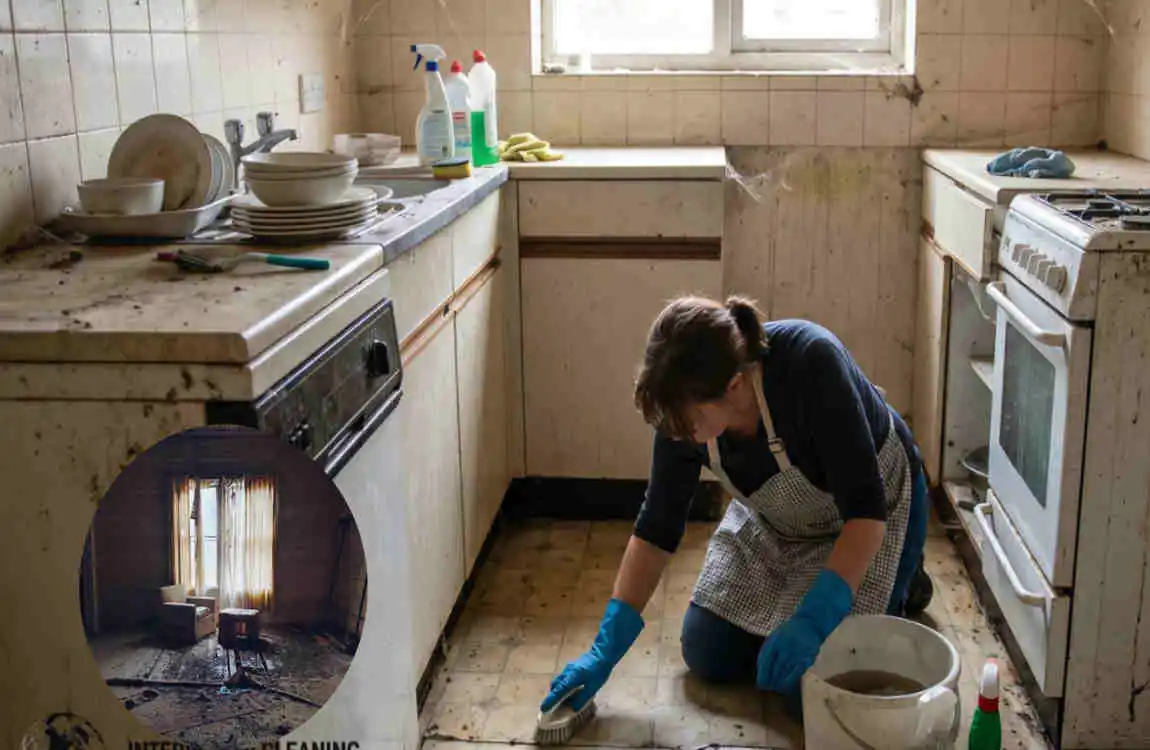
Cleaning surfaces is only half the battle. Abandoned homes often have deeper problems that need special attention. Let’s tackle mold, bad smells, and unwanted guests.
Safe Mold Removal
Mold is one of the most common issues in neglected homes. Small patches can be cleaned with a mold-killing solution and a scrub brush. Always wear your mask and gloves when doing this.
For large areas of mold, stop and call a professional. Breathing in too many spores can make you sick. Never try to handle heavy mold growth on your own.
Removing Bad Odors
Empty homes often carry a stale, musty smell. The good news is that most odors fade once you remove the source.
Take out all trash and clean every surface first. Then use odor absorbers like baking soda or charcoal to soak up lingering smells. An air purifier can also freshen the space quickly.
Pest Control Tips
Rats, roaches, and insects love empty houses. Look for droppings, nests, and chewed materials as clues.
Seal up any holes or cracks where pests enter. Set traps for rodents and use safe treatments for insects. For heavy infestations, a professional exterminator is your best bet.
Improve Ventilation
Fresh air makes a huge difference in an abandoned home. Open all the windows and doors to let air flow through.
Good airflow dries out damp areas and clears out stale smells. It also helps clean the air of dust and spores as you work. Keep the house well-ventilated throughout the entire cleanup.
Sanitize and Disinfect the Entire House
Cleaning removes dirt, but disinfecting kills the germs you can’t see. This step is essential in a home that’s been empty for so long. Do it after all the deep cleaning is done.
High-Touch Surfaces
Focus first on spots people touch often. These include door handles, light switches, railings, and cabinet knobs.
Wipe each one with a good disinfectant and let it sit for the recommended time. These small surfaces carry the most germs.
Floors and Bathrooms
Mop all hard floors with a disinfecting solution. Bathrooms need extra care since they hold the most bacteria.
Disinfect the toilet, tub, sink, and floor thoroughly. Don’t rush this part, as clean bathrooms are key to a healthy home.
Kitchen Surfaces
Since food is prepared here, the kitchen needs strong sanitizing. Disinfect countertops, sinks, and inside cabinets.
Wipe down appliance handles and any surface that touches food. A clean, germ-free kitchen keeps future residents safe.
Final Disinfection Checklist
Before finishing, do one last pass through the home. Make sure you’ve disinfected every key area and haven’t missed a spot.
Check that all high-touch points, floors, and surfaces are treated. This final sweep gives you peace of mind that the home is truly clean.
Final Inspection Before Moving In or Selling
You’re almost done. A final walkthrough helps you catch anything you missed and prepares the home for its next chapter.
Repair Minor Damage
Fix small problems now while the house is empty. Patch holes in walls, tighten loose fixtures, and replace broken handles. These little repairs make a big difference.
Check Utilities
Test the water, electricity, and heating systems. Make sure everything works safely before anyone moves in. If something seems off, have a professional inspect it.
Improve Curb Appeal
First impressions matter, especially if you’re selling. Clean up the yard, trim overgrown plants, and sweep the entryway. A tidy exterior makes the whole home more inviting.
Schedule a Professional Inspection
For extra safety, bring in a professional inspector. They can spot hidden issues you might miss. This step protects you and gives future occupants confidence in the home.
Common Mistakes to Avoid
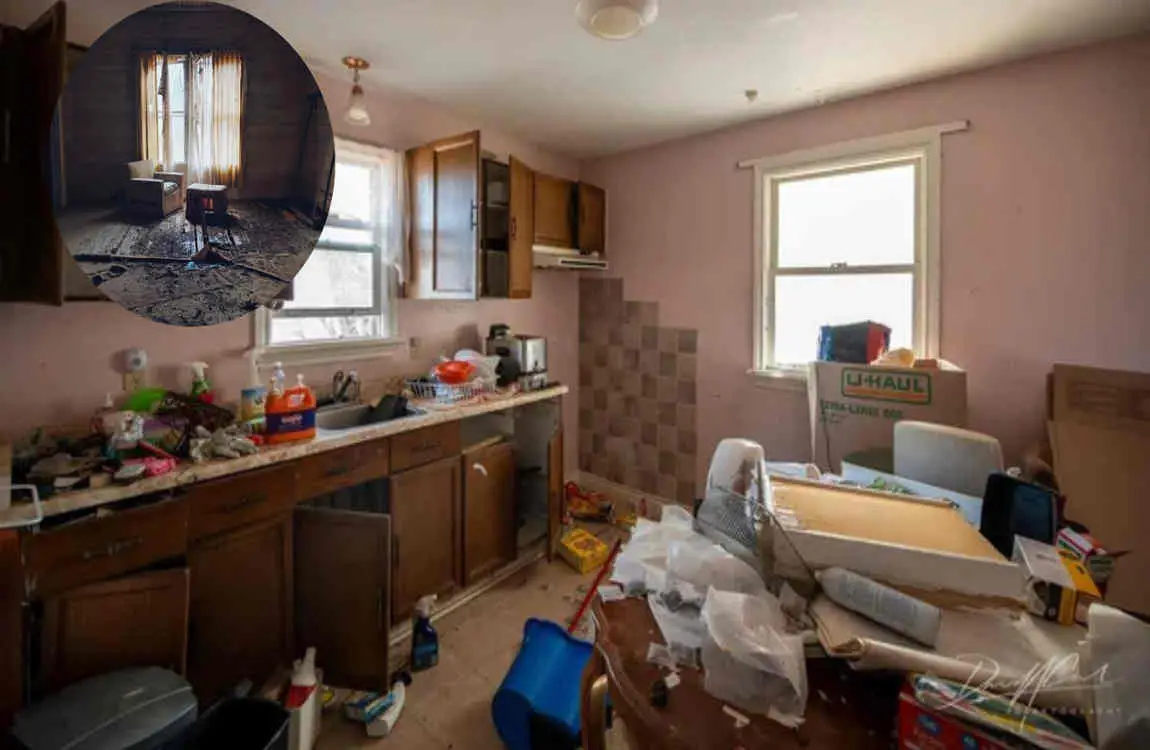
Even careful people make errors when cleaning abandoned homes. Knowing these common slip-ups helps you avoid trouble. Learn from others so you stay safe and efficient.
Here are the biggest mistakes to watch for:
- Entering without protective gear puts your health at serious risk
- Ignoring mold lets it spread and cause illness
- Keeping unsafe items brings pests and germs back into the home
- Forgetting ventilation traps harmful dust and spores inside
- Skipping disinfecting leaves invisible germs behind
- Working alone can be dangerous if you get hurt
Always bring a partner when possible. Having someone with you adds safety and makes the work go faster.
Frequently Asked Questions (FAQ)
How do you clean an abandoned house safely?
Wear protective gear, inspect the property for hazards, remove debris, deep clean each room, disinfect surfaces, and address mold or pest issues before occupying the home.
What should I wear when cleaning an abandoned house?
Use heavy-duty gloves, safety goggles, an N95 respirator, long sleeves, durable pants, and sturdy work boots to protect yourself from dust, mold, and sharp debris.
Can I clean an abandoned house by myself?
Yes, if the property is structurally safe and the cleanup is manageable. For severe mold, biohazards, asbestos, or major structural damage, hire qualified professionals.
How long does it take to clean an abandoned house?
The time depends on the home’s size and condition. A lightly neglected home may take one to two days, while heavily abandoned properties can require several days or even weeks.
How do I get rid of bad smells in an abandoned house?
Remove all trash, clean thoroughly, disinfect surfaces, improve ventilation, eliminate mold, and use odor absorbers or air purifiers to reduce lingering smells.
What cleaning supplies are most important?
Essential supplies include trash bags, disinfectants, scrub brushes, mops, buckets, a vacuum, gloves, masks, goggles, and heavy-duty cleaners for stubborn grime.
| Topic | Details |
|---|---|
| Purpose | Restore an abandoned house by removing hazards, dirt, debris, and odors while preparing it for renovation or occupancy. |
| Wear Safety Gear | Use gloves, safety goggles, an N95 mask or respirator, long sleeves, and sturdy boots to protect against dust, mold, and sharp objects. |
| Inspect First | Check for structural damage, exposed wiring, gas leaks, mold, pests, and unstable floors before entering. |
| Remove Trash | Clear out garbage, broken furniture, and debris room by room using heavy-duty trash bags or dumpsters. |
| Control Dust | Open windows for ventilation and lightly dampen dusty surfaces before sweeping to reduce airborne particles. |
| Deep Clean | Wash walls, floors, windows, cabinets, and fixtures using disinfectant and appropriate cleaning products. |
| Treat Mold | Clean small mold patches with approved mold cleaners. Hire professionals if mold covers large areas. |
| Eliminate Odors | Use baking soda, activated charcoal, air purifiers, and proper ventilation to remove musty smells. |
| Pest Removal | Inspect for rodents, insects, or nests and contact pest control if infestations are severe. |
| Disinfect Surfaces | Sanitize kitchens, bathrooms, door handles, and high-touch surfaces to eliminate bacteria and germs. |
| Final Inspection | Ensure all hazards are removed, utilities are safe, and the property is clean before repairs or moving in. |
| Estimated Time | Small house: 1–2 days; Medium house: 2–4 days; Large or heavily neglected house: 4–7+ days, depending on its condition. |