Holiday lights bring warmth and charm to any home, turning ordinary exteriors into festive displays. But while decorating can be exciting, improper installation can quietly damage siding, paint, and structural surfaces. Many homeowners do not realize that different exterior materials react differently to clips, adhesives, and fasteners. A method that works on brick may cause cracks in stucco or peeling on painted wood. Understanding how to protect your home’s exterior before hanging lights is essential for preventing long-term surface damage and costly repairs.
Why Holiday Lights Can Damage Exterior Surfaces
Holiday lighting may seem lightweight, but repeated seasonal installation can lead to visible and hidden damage. Problems often occur because the wrong fasteners or mounting methods are used.
Holiday lights can cause:
- Small punctures from nails and staples
- Adhesive residue or surface discoloration
- Rust marks from metal fasteners
- Strain on gutters and fascia boards
- Moisture intrusion behind siding
Moisture is one of the most serious concerns. Even tiny holes can allow water to seep behind siding or trim. Over time, this trapped moisture may contribute to mold growth, wood rot, or structural weakening.
Vinyl Siding: Avoid Cracking and Warping
Vinyl siding is durable and low maintenance, but it is not designed to support nails or staples. Piercing vinyl can cause cracks that expand in cold weather. Because vinyl expands and contracts with temperature changes, rigid fasteners may also lead to warping.
Adhesives can be equally problematic. Strong glues may discolor the surface or leave residue that is difficult to remove without damaging the finish.
The safest option for vinyl siding is to use specially designed plastic clips that hook into seams without puncturing the material. These clips allow lights to hang securely while preserving the siding’s flexibility and protective barrier.
Brick Exteriors: Protecting Mortar and Preventing Moisture
Brick is strong, but drilling into brick or mortar joints can create long-term issues. Holes in mortar may allow water penetration, especially in climates with freeze-thaw cycles. Over time, trapped moisture can weaken mortar and cause cracking.
Adhesive products can also stain porous brick surfaces, leaving visible marks even after removal.
Instead of drilling, homeowners should consider using brick clips that grip the brick without penetrating it. These clips provide stability while preserving the integrity of both brick and mortar.
Stucco: Preventing Cracks and Surface Damage
Stucco is one of the most delicate exterior finishes when it comes to hanging decorations. Its textured surface can chip or crack if punctured. Even small nail holes may spread into larger hairline fractures.
Adhesives can also pull away stucco’s textured finish during removal. Because stucco is porous, trapped moisture from poorly sealed fasteners can lead to internal deterioration.
Using lightweight light strands and non-invasive mounting clips is essential. Avoid drilling directly into stucco unless absolutely necessary and properly sealed afterward.
Painted Wood: Preserving Paint and Preventing Rot
Painted wood surfaces are particularly vulnerable during holiday decorating. Nails and staples can pierce the protective paint layer, exposing wood to moisture. Over time, this may cause peeling, bubbling, or even rot.
Adhesive hooks can strip paint when removed, leaving visible patches that require repainting. Metal fasteners may rust and stain the paint surface.
To protect painted wood, use removable plastic clips that attach to gutters, eaves, or trim edges without puncturing the painted surface. Always inspect paint for chips or cracks before installation to prevent moisture from entering exposed areas.
Long-Term Surface Protection and Professional Installation
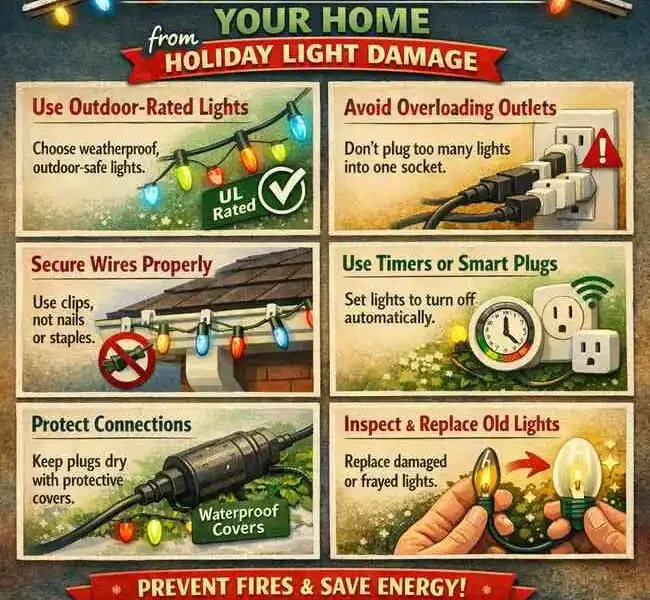
Preventing damage starts with choosing the right mounting method for your specific siding type. A few simple precautions can make a significant difference:
- Use lightweight LED light strands
- Select siding-specific plastic clips
- Avoid nails, staples, and permanent adhesives
- Inspect exterior surfaces before decorating
Many homeowners choose professional services such as Covington holiday and Christmas lights installation because trained installers use specialized clips designed for different siding materials. These clips secure lighting displays without puncturing vinyl, cracking stucco, or damaging painted trim, helping preserve both structural integrity and cosmetic appearance.
Conclusion
Holiday decorating should enhance your home, not compromise its exterior. Each siding material, vinyl, brick, stucco, and painted wood responds differently to clips, adhesives, and fasteners. Choosing non-invasive mounting solutions helps prevent cracks, moisture intrusion, paint damage, and long-term deterioration.
By understanding how your exterior surfaces react and prioritizing proper installation methods, you can enjoy festive lighting displays year after year while protecting the beauty and strength of your home.