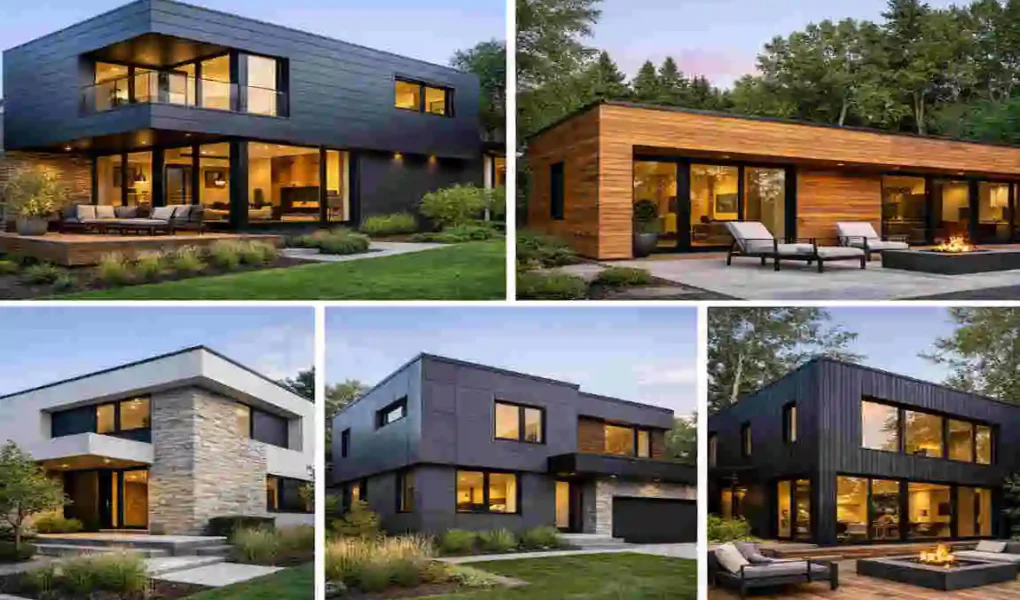
Choosing the right cladding is a big part of creating a modern home that looks great and lasts a long time. Cladding does more than improve appearance. It also protects your home from rain, wind, heat, and moisture.
If you are building a new house or updating an older one, the right cladding can make a huge difference. It can improve comfort, reduce maintenance, and increase property value. In this guide, you will learn the 5 best cladding options for modern houses and how to choose the one that fits your needs.
What Is House Cladding?
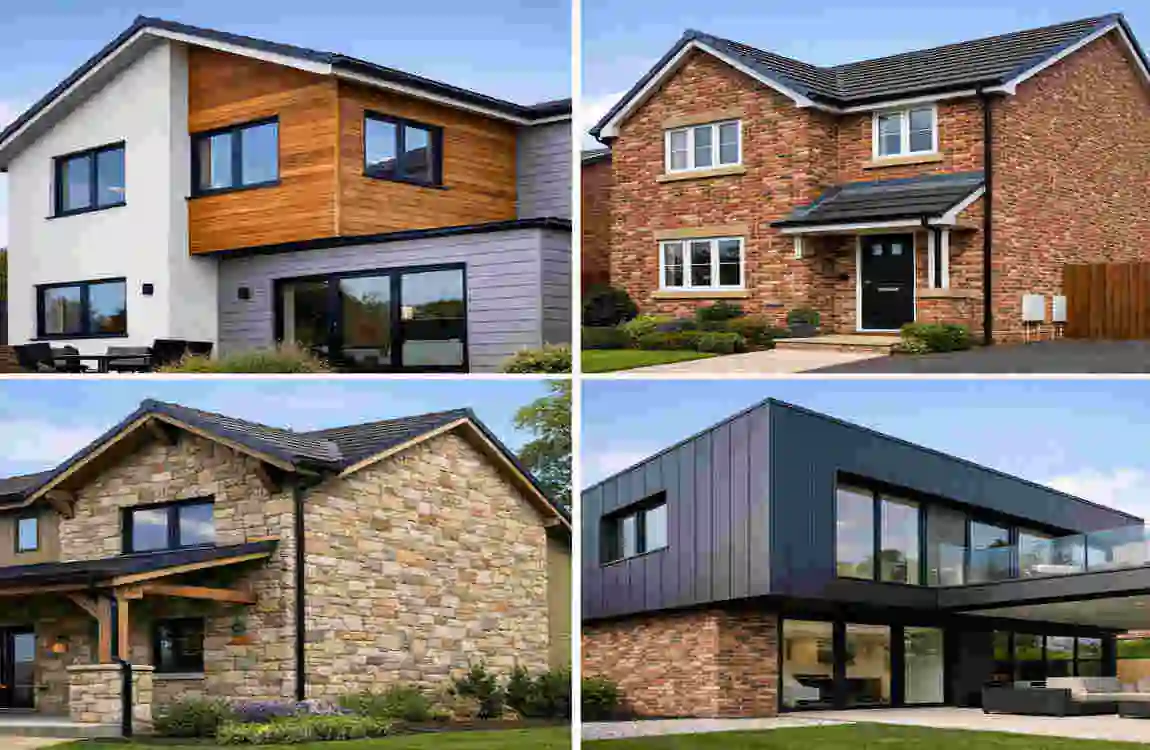
A simple exterior layer
House cladding is the outer covering on your home’s walls. It acts like a shield between the weather and the structure underneath.
Why it matters
Cladding helps protect your home from:
- Moisture
- Strong wind
- UV rays
- Temperature changes
- General wear and tear
It also shapes the look of the house. A good cladding choice can make a home design feel sleek, warm, bold, or timeless.
Why Choosing the Right Cladding Matters
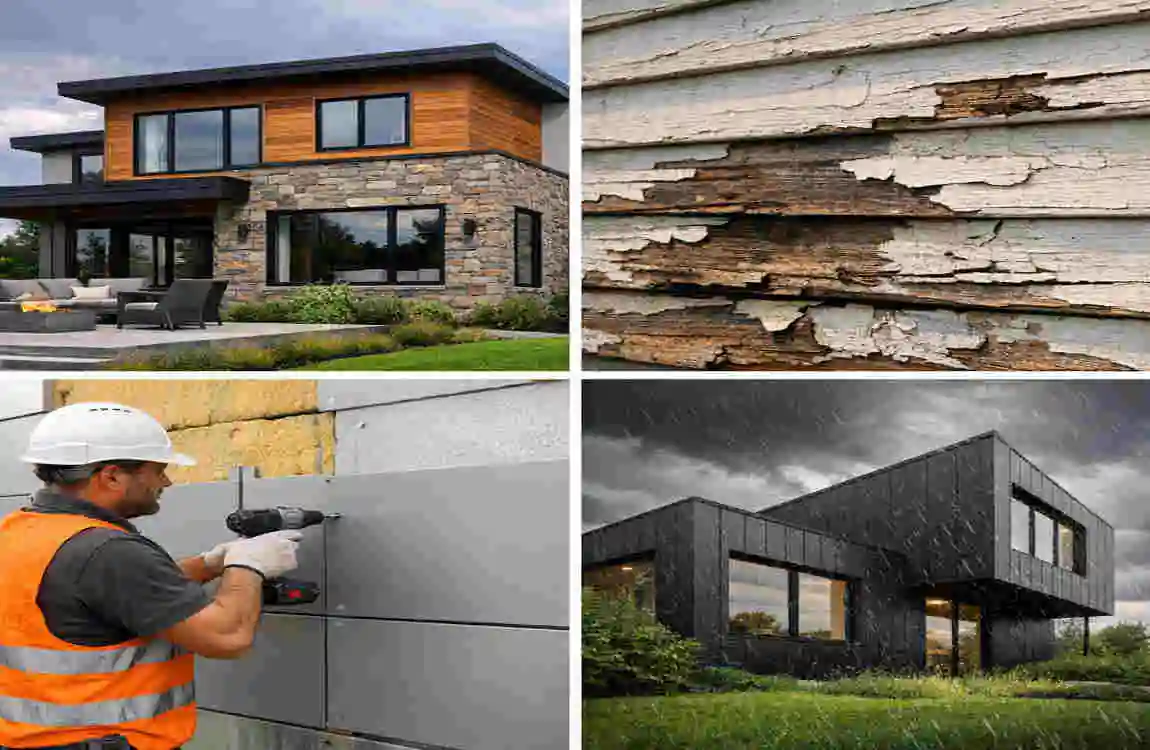
More than looks
The right cladding does a lot for your house. It can make your home more durable, easier to maintain, and more energy-efficient.
Main benefits
- Improves weather resistance
- Boosts curb appeal
- Increases home value
- Reduces maintenance
- Improves insulation
- Protects the walls underneath
Because every luxury home is different, the best material depends on your climate, budget, and style goals.
Fibre Cement Cladding
A strong and modern choice
Fibre cement has become one of the most popular cladding materials for modern homes. It is made from cement, sand, cellulose fibres, and water, which together give it strength and durability.
Why homeowners like it
Fibre cement offers a clean, polished look that suits contemporary homes. It can also mimic wood, stone, or smooth panel finishes.
Advantages
- Very durable
- Fire resistant
- Resistant to termites and insects
- Low maintenance
- Long lifespan
- Works in harsh weather
Drawbacks
- More expensive than vinyl
- Heavy
- Usually needs professional installation
Best for
Fibre cement works well for:
- Contemporary homes
- Coastal areas
- Homes in harsh climates
Timber Cladding
Natural warmth and character
Timber cladding home gives a home a warm, natural look. It is a favourite among people who want their homes to feel inviting and connected to nature.
Why it stands out
Wood has a softness that many modern materials lack. It brings texture and character to a house without making it feel outdated.
Common wood types
- Cedar
- Larch
- Oak
- Pine
- Redwood
Advantages
- Beautiful natural appearance
- Good insulation
- Can be painted or stained
- Can be sustainable if responsibly sourced
Drawbacks
- Needs regular maintenance
- Must be sealed against moisture
- Can fade over time
Best for
Timber is ideal for:
- Eco-friendly homes
- Scandinavian-style houses
- Mountain or countryside homes
Metal Cladding
Sleek and contemporary
Metal cladding is a strong choice for homeowners who want a sharp, modern style home look. Materials like aluminium, steel, zinc, and copper can give a house a clean, bold finish.
Why people choose it
Metal cladding often looks very current. It works especially well on homes design with simple lines, flat roofs, or industrial-inspired design.
Advantages
- Very durable
- Fire resistant
- Pest resistant
- Low maintenance
- Recyclable
- Highly modern appearance
Drawbacks
- Higher upfront cost
- Can dent under impact
- May need protective coatings
Best for
Metal cladding is great for:
- Ultra-modern homes
- Industrial-style houses
- Architectural statement homes
Brick Cladding
Classic and long-lasting
Brick cladding gives you the beauty of brick without the full weight and cost of traditional brick construction. It offers a timeless look that works well in modern homes too.
Why it is a strong option
Brick never really goes out of style. It feels solid, dependable, and elegant, which makes it a smart long-term choice.
Advantages
- Extremely durable
- Low maintenance
- Fire resistant
- Excellent weather protection
- Classic appearance
Drawbacks
- Higher installation cost
- Less design flexibility than some other materials
Best for
Brick cladding suits:
- Modern traditional homes
- Luxury properties
- Homes built for long-term value
Vinyl Cladding
Affordable and practical
Vinyl cladding is one of the most budget-friendly options available. It has improved a lot over the years and now comes in many styles that look much better than older versions.
Why it appeals to homeowners
Vinyl is easy to install and easy to care for. If you want a simple solution that still looks neat, this is a solid option.
Advantages
- Low cost
- Very low maintenance
- Easy installation
- Moisture resistant
- Available in many colours
- No painting needed
Drawbacks
- Can crack in very cold weather
- Less Premium look than natural materials
- Lower impact resistance
Best for
Vinyl is best for:
- Budget-conscious homeowners
- Rental properties
- Fast renovation projects
What to Consider Before Choosing Cladding
Climate
Your local weather should always guide your decision. In wet, humid, or storm-prone areas, you need cladding that can withstand moisture.
Budget
If you want a lower-cost option, vinyl is often the easiest choice. If you are ready to invest more, brick, metal, or fibre cement may offer better long-term value.
Maintenance
Some materials need more care than others. Timber looks beautiful, but it requires regular sealing or repainting. If you want less work, choose a lower-maintenance option.
Energy efficiency
Some cladding systems home improve insulation and help reduce heating and cooling costs. That can save money over time.
Style
Your cladding should fit the look of the house. A modern home may suit metal or fibre cement, while a warmer natural look may be better with timber.
Which Cladding Is Best for Modern Houses?
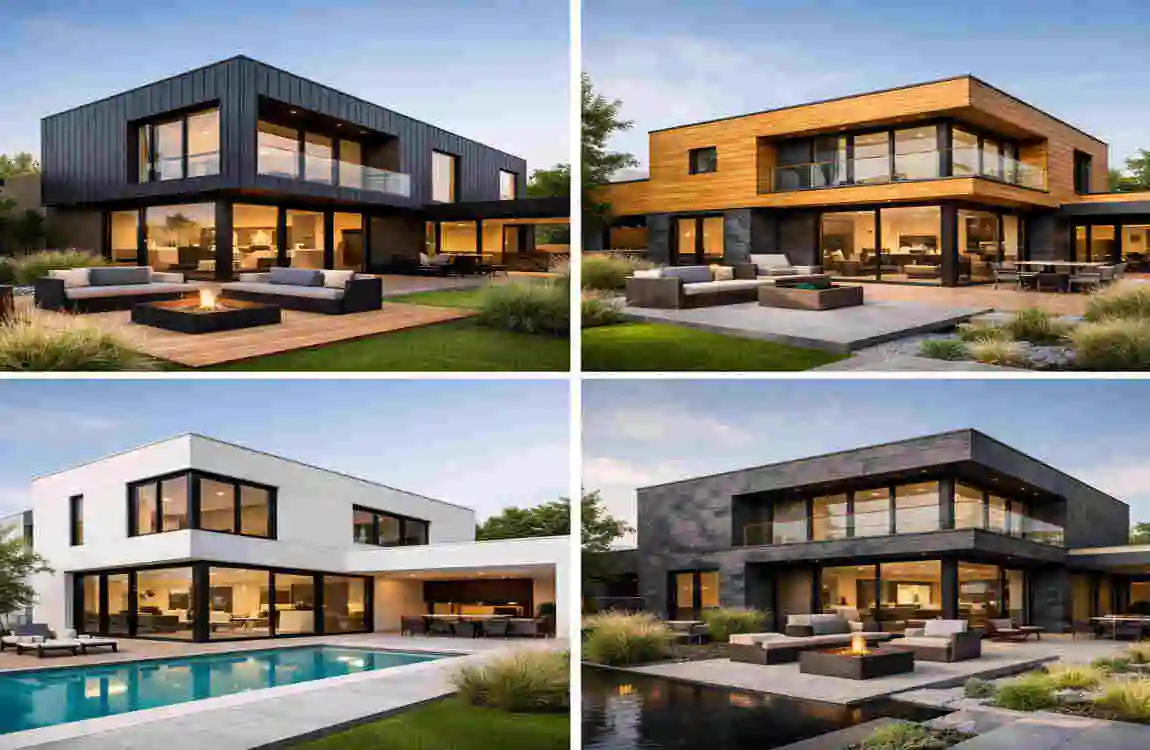
Best overall choice
Fibre cement is often the best all-around option because it balances durability, appearance, and maintenance requirements.
Best natural look
Timber is the strongest choice if you want warmth and texture.
Best modern style
Metal works best for sharp, contemporary architecture.
Best long-term value
Brick offers excellent durability and a classic look.
Best budget option
Vinyl is the most affordable choice for homeowners who want a clean exterior on a tighter budget.
Tips for Maintaining Exterior Cladding
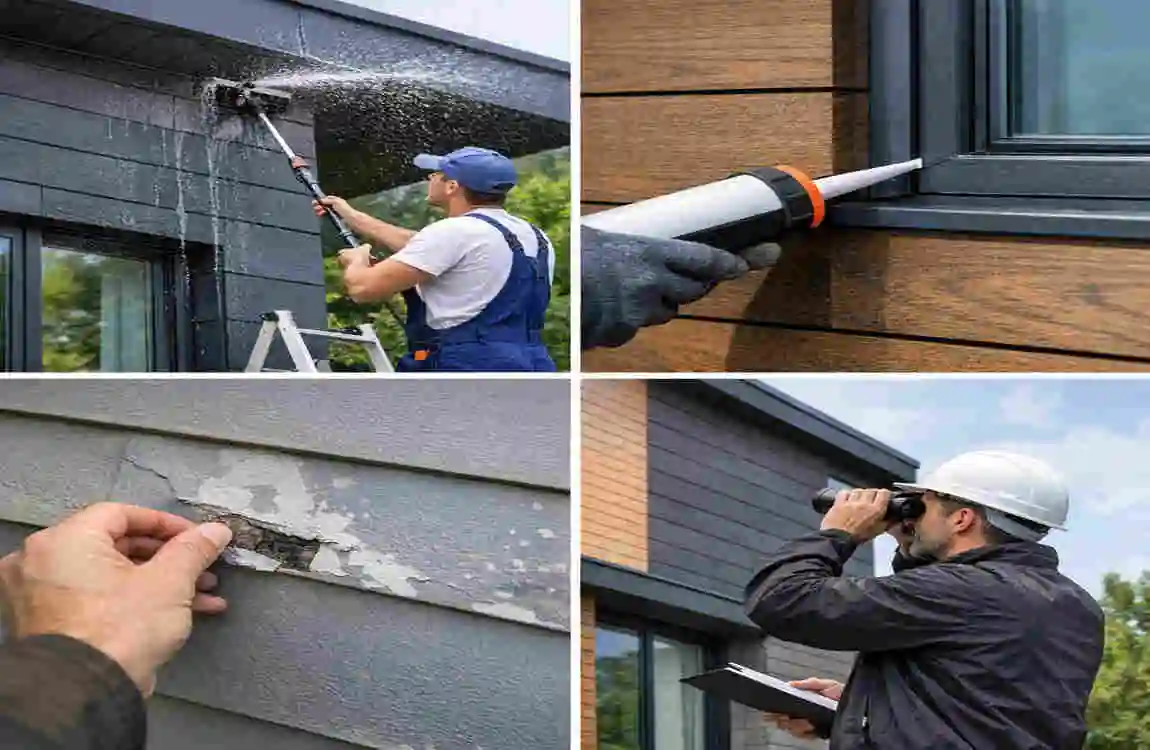
Keep it clean
Wash your cladding regularly to remove dirt and buildup.
Inspect after storms
Check for cracks, loose panels, or damage after heavy weather.
Watch for moisture problems.
Fix mould, mildew, or leaks quickly before they spread.
Maintain timber properly
If you choose wood, make sure you repaint or reseal it as needed.
Keep drainage working
Good gutters and drainage help protect all types of cladding from water damage.
Frequently Asked Questions
What is the most durable cladding for modern houses?
Brick and metal are among the most durable options and can last for decades.
Which cladding needs the least maintenance?
Vinyl, brick, fibre cement, and metal all need very little upkeep compared to timber.
Is timber cladding suitable for modern homes?
Yes. Timber works very well in modern designs, especially when paired with clean lines and simple finishes.
What is the cheapest cladding option?
Vinyl cladding is usually the most affordable.
Can I combine different cladding materials?
Yes. Many modern homes use a mix of timber, metal, brick, or fibre cement to create a more interesting exterior.
| Cladding Option | Key Features | Pros | Best For | Maintenance |
|---|---|---|---|---|
| Fiber Cement Cladding | Durable, weather-resistant, available in many finishes | Fire-resistant, low maintenance, long lifespan | Contemporary homes | Low |
| Timber Cladding | Natural wood appearance with warm aesthetics | Eco-friendly, timeless look, customizable | Modern and Scandinavian-style homes | Medium to High |
| Metal Cladding (Aluminum/Steel) | Sleek, industrial design with excellent durability | Rust-resistant, recyclable, modern appearance | Urban and minimalist homes | Low |
| Brick Slips | Thin brick veneer offering a traditional brick look | Strong, durable, excellent insulation, stylish | Modern homes with classic appeal | Low |
| Composite Cladding | Blend of wood fibers and recycled plastics | Rot-resistant, fade-resistant, easy to maintain | Low-maintenance modern homes | Very Low |