
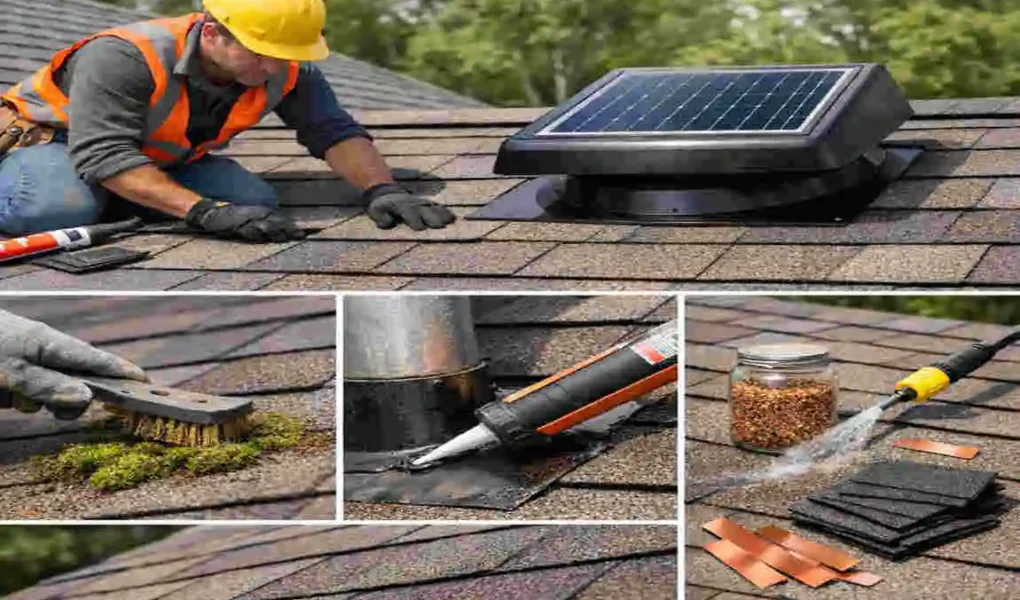
A well-maintained roof does much more than cover your house. It protects your family, supports energy efficiency, and helps you avoid major repair bills later. The good news is that you do not need fancy tools or expert skills to keep your roof in better shape.
With a few simple habits, you can help your roof last longer and perform better. If you stay consistent, you can prevent small problems from turning into costly damage.
Why Roof Maintenance Matters
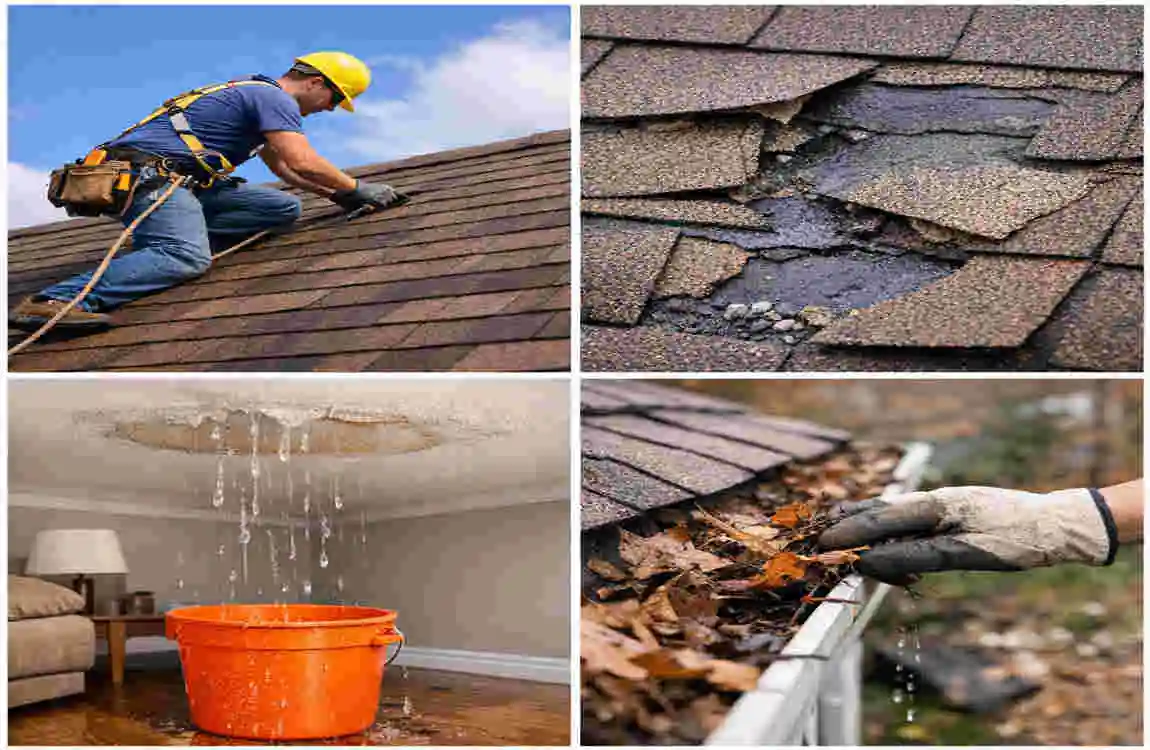
Your roof faces sun, rain, wind, snow, and changing temperatures every single year. That constant pressure slowly wears down roofing materials.
Protection starts with prevention.
When you care for your roof regularly, you lower the chance of leaks, mold, broken shingles, and wood damage. Small steps today can save you from greater stress later.
Maintenance also saves money.
A roof in good condition needs fewer repairs. It also supports better insulation, which can help reduce energy waste. In simple terms, roof care protects both your home and your budget.
Schedule Regular Roof Inspections
One of the smartest roof maintenance habits is to inspect your roof regularly. You do not need to climb up every week, but you should check it at the right times.
When to inspect
Try to inspect your roof:
- Twice a year in spring and fall
- After storms
- Before winter starts
What to look for
Watch for missing shingles, loose flashing, cracked sealant, sagging spots, and water stains. These are often early signs of trouble.
Catching issues early gives you a much better chance of fixing them before they spread.
Keep Gutters Clean
Clogged gutters can cause serious roof problems. When water cannot drain properly, it may back up under the roofing material.
Why clean gutters matter
Leaves, dirt, and debris block the flow of water. That can lead to leaks, rotting edges, and even damage to your foundation.
How often to clean them
Clean your gutters at least twice a year. If you have many trees around your house, you may need to do it more often.
Clean gutters help the entire roofing system work as it should.
Remove Roof Debris
Leaves, branches, and moss can trap moisture on the roof. That extra moisture creates a perfect place for damage to grow.
What debris can do
Too much buildup can lead to:
- Mold growth
- Wood rot
- Shingle wear
Safe way to clean
Use a soft broom or leaf blower. Avoid rough tools that can scrape or loosen roofing materials.
A clean roof stays drier, healthier, and more durable.
Trim Overhanging Tree Branches
Trees add beauty to your property, but branches that hang over the roof can create problems.
Why trimming helps
Branches can scratch shingles, break during storms, and drop leaves onto the roof. That means more cleaning and more chance of damage.
Keep a safe distance.
Try to keep branches from touching the roof at all. This simple step can reduce wear and help protect your shingles from constant rubbing.
Fix Small Problems Immediately
Small roof problems rarely stay small. A loose shingle or a tiny leak can cause major damage if you wait too long.
What to repair fast
Take care of:
- Loose shingles
- Damaged flashing
- Small leaks
- Broken roof vents
Why quick action matters
Early repairs are usually cheaper and easier. They also help your roof last longer by stopping damage before it spreads.
Prevent Moss and Algae Growth
Moss and algae may seem harmless at first, but they can slowly damage your roof.
Why they are a problem
Moss holds moisture against the roof surface. That can weaken shingles over time. Algae can leave dark stains and make the roof look older than it really is.
How to reduce growth
You can help prevent it by:
- Improving drainage
- Trimming nearby trees
- Using zinc or copper strips if recommended
- Removing moss carefully without pressure washing
A dry roof is a stronger roof.
Improve Roof Ventilation
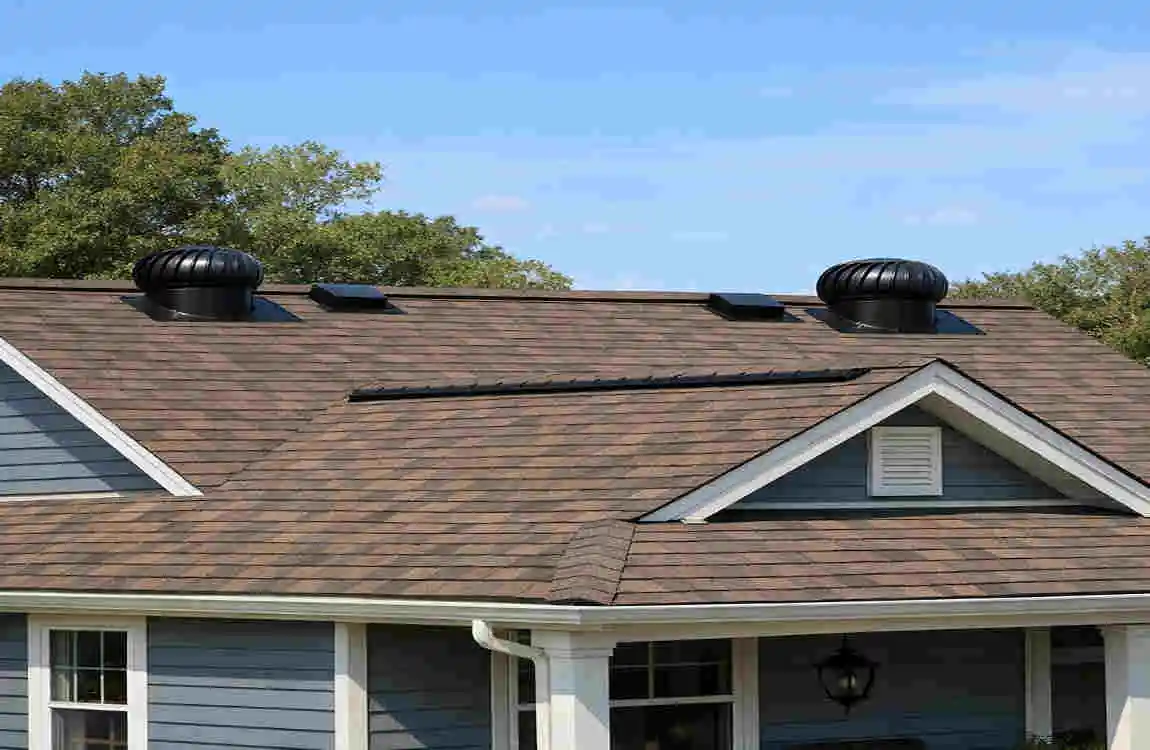
Good ventilation helps your attic and roof breathe. It may not be something you see every day, but it plays a big role in the health of your roof.
Why ventilation matters
Proper airflow helps control heat and moisture. That can extend shingle life, reduce cooling costs, and lower the chance of ice dams in cold weather.
What good airflow does
When air moves properly through the attic, your roofing materials stay under less stress. That means they can hold up better over time.
Check Flashing and Roof Seals
Flashing protects the areas around chimneys, skylights, vents, and roof valleys. These spots are often where leaks begin.
What to inspect
Look for rust, cracks, loose edges, or worn sealant around these areas. Even a small gap can let water in.
Why this matters
Damaged flashing is one of the most common causes of roof leaks. Fixing it early can save you from water stains and interior damage.
Avoid Walking on the Roof
Walking on the roof may seem harmless, but it can actually damage shingles, especially asphalt ones.
What to do instead
Use binoculars from the ground when possible. If you need a close inspection, it is better to call a roofing professional.
Protect the surface
Less foot traffic means a lower chance of cracked or loose roofing materials. That helps the roof last longer.
Hire Professional Roof Maintenance
Even if your roof looks fine, a professional inspection can uncover hidden problems you might miss.
What professionals can spot
They can find:
- Hidden leaks
- Moisture damage
- Structural concerns
- Ventilation issues
Why it is worth it
A professional visit every few years can prevent serious trouble later. In many cases, preventive care costs much less than a full roof replacement.
Common Roof Maintenance Mistakes
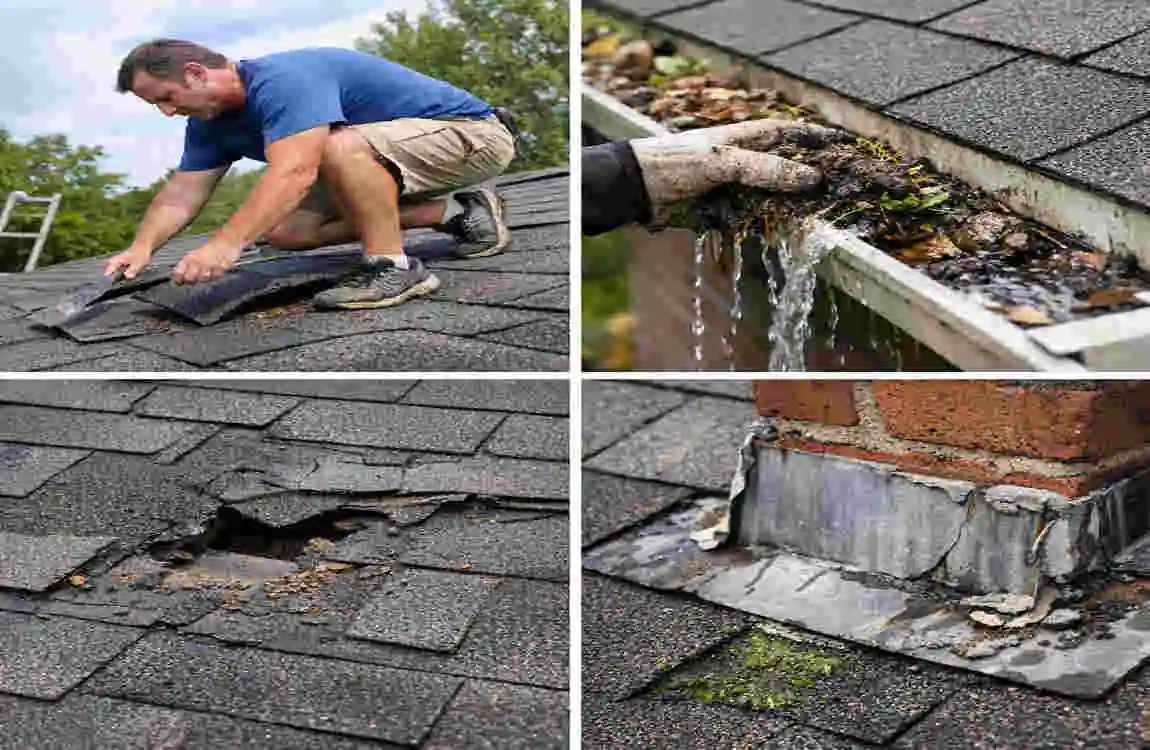
Some mistakes can shorten your roof’s life faster than people expect.
Mistakes to avoid
- Ignoring small leaks
- Letting gutters overflow
- Pressure washing shingles
- Walking on the roof unnecessarily
- Delaying repairs after storms
- Skipping yearly inspections
Why these mistakes matter
Each one can accelerate wear and cause avoidable damage. A little attention now is much easier than a major repair later.
Frequently Asked Questions
How often should a roof be inspected?
Most experts recommend checking your roof twice a year, usually in spring and fall, plus after major storms.
What is the biggest cause of roof damage?
Poor drainage, storm damage, aging materials, and neglected maintenance are some of the most common causes.
Can cleaning gutters extend roof life?
Yes. Clean gutters help water drain properly, which reduces leaks, rot, and moisture damage.
Should I remove moss from my roof?
Yes. Moss holds moisture and can damage shingles over time. Remove it carefully or hire a professional if needed.
How long should a well-maintained roof last?
It depends on the material, but regular maintenance can greatly extend its life. Many asphalt shingle roofs can last 20–30 years or more with proper care.
| Maintenance Tip | Why It Matters | Recommended Frequency |
|---|---|---|
| Clean Gutters | Prevents water buildup and roof leaks. | Twice a year |
| Inspect Shingles | Identifies cracked, curled, or missing shingles early. | Every 6 months |
| Remove Roof Debris | Stops moisture retention and mold growth. | Monthly or after storms |
| Trim Overhanging Trees | Prevents branch damage and reduces leaf accumulation. | Annually |
| Check Flashing & Seals | Prevents water from entering around vents and chimneys. | Once a year |
| Look for Moss & Algae | Protects roofing materials from premature deterioration. | As needed |
| Inspect Attic Ventilation | Reduces heat and moisture that can damage the roof. | Annually |
| Repair Minor Damage Promptly | Prevents small issues from becoming costly repairs. | Immediately when found |