
Moving home is a big moment for any family. It can feel exciting, fresh, and full of possibility. At the same time, it can also feel tiring and stressful, especially when children, school schedules, work, and daily routines all need attention at once.
The good news is that a smooth family move is very possible when you plan and stay organised. You do not need to do everything perfectly. You need a simple plan, clear communication, and a calm approach. When you break the move into smaller steps, the process becomes much easier for everyone.
Why Planning Matters
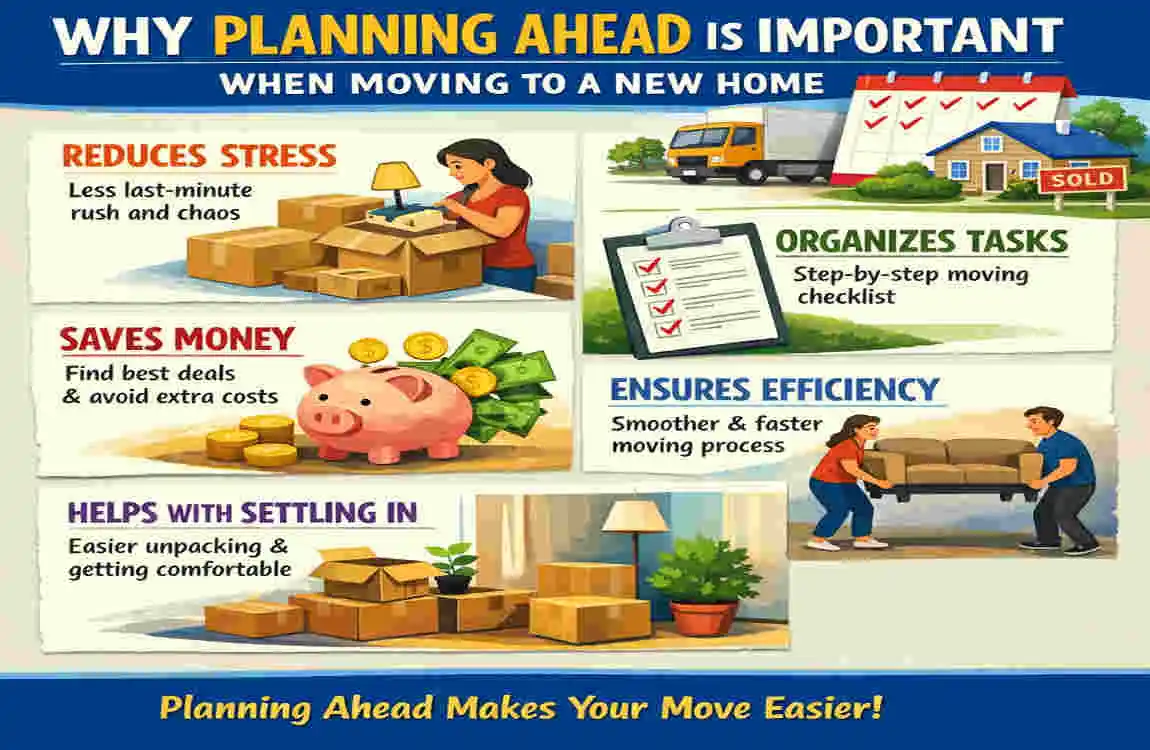
Start Early to Stay in Control
A family home move always works better when you begin early. If you wait until the last minute, small tasks quickly turn into big problems. Packing becomes rushed. Important documents go missing. Moving costs can rise. Children may also feel confused if everything changes too quickly.
When you start planning 6 to 8 weeks before moving day, you give yourself space to breathe. You can sort out the details without feeling pushed. That simple head start can make the whole move feel much lighter.
Create a Realistic Moving Checklist
A checklist keeps you focused. It helps you see what still needs to be done and what is already complete. This is especially helpful for families because there are often many moving parts at once.
Your checklist may include:
- Set a moving date
- Create a realistic budget
- Book a reliable moving company
- Notify schools, utility providers, and banks
- Update your address
- Start packing non-essential items
- Arrange childcare or pet care for moving day
This list does not need to be fancy. It just needs to be clear and easy to follow. A simple notebook, a wall planner, or a phone checklist can all work well.
Make Time for the Small Details
When people think about moving, they usually focus on the big tasks like packing boxes or hiring movers. But the small details matter just as much. Things like changing your address, arranging school records, or checking utility dates can save you from stress later.
The more you handle early, the fewer surprises you will face during the final week. That means more energy for your family and less pressure on moving day.
Get the Whole Family Involved
Make Moving a Shared Project
A family move should not rest on one person’s shoulders. When everyone helps, the process feels more balanced and less overwhelming. Children may not be able to do everything, but they can still take part in simple, age-appropriate ways.
This helps in two important ways. First, it reduces your workload. Second, it gives children a sense of control. That matters because moving can feel uncertain for them.
Give Everyone a Role
Children often do better when they know what is expected of them. You can give them small jobs that match their age and abilities. These tasks help them feel included without making the move stressful.
For example:
- Younger children can help sort toys or place stickers on their boxes.
- Older children can pack books, clothes, or school supplies.
- Teenagers can organise their own rooms and label their items.
- Everyone can help decide what should be kept, donated, or thrown away.
Keep the Conversation Positive
Talk about the move in a friendly and open way. Focus on what the family will gain, not just what you are leaving behind. You can mention the bigger room, the new garden, a nearby park, or the chance to make new friends.
Children often mirror the mood of adults. If you stay calm and positive, they are more likely to feel safe too. That does not mean hiding real feelings. It means showing that change can be okay, even when it feels a little scary at first.
Turn Packing Into Team Time
You can even make packing feel more manageable by treating it like a shared family task. Put on music, take short breaks, and celebrate small wins. When the whole family works together, the move can feel less like a burden and more like a joint effort.
Pack Smart and Stay Organised
Pack One Room at a Time
Packing becomes much easier when you do not try to do everything at once. The best method is to pack one room at a time. This keeps the work neat and helps you stay in control.
Start with rooms and items you use less often, such as:
- Spare rooms
- Seasonal clothes
- Books
- Decorations
- Items in storage
Leave everyday essentials for later. That way, you can still live comfortably while the move is underway.
Label Everything Clearly
Good labels save time later. If every box is clearly marked, unpacking becomes much smoother. You will know exactly where each item belongs and which boxes you need first.
A useful label should include:
- The room name
- A short list of contents
- A note if the box is fragile
- A number if you want to track boxes easily
For example, a box might say: Kitchen – plates, cups, tea towels – fragile.
That small effort now can save you from a lot of confusion later.
Use a Simple Packing System
A basic packing system helps keep things under control. Group similar items together and avoid mixing too many things in one box. Use sturdy boxes, strong tape, and enough padding for breakable items.
The table below shows a few simple packing habits and why they work well:
Packing Tip Benefit
Label every box Easy unpacking
Pack one room at a time Better organisation
Keep important documents together Quick access
Use sturdy boxes Protects belongings
Prepare an essentials bag Immediate access after moving
Prepare an Essentials Bag
One of the smartest things you can do is prepare an essentials bag or box. This is the one item you do not want to lose in the move. It should contain the things you need right away on moving day and the first night in your new home.
You may want to include:
- Toiletries
- Medications
- Chargers
- Important documents
- Snacks
- Water
- A change of clothes
- Children’s comfort items
- Pet supplies
Keep this bag with you instead of loading it onto the moving truck. That way, you can reach it easily whenever you need it.
Help Children Adjust
Talk About the Move Early
Children often need time to process change. If you tell them too late, they may feel shocked or upset. It is usually better to start discussing the move as early as possible, in a simple, reassuring way.
You do not need a long speech. Just explain what is happening, why the family is moving, and what will stay the same. Reassure them that their feelings are normal and that they will still have support throughout the process.
Keep Daily Routines Steady
One of the best ways to help children feel secure is to keep their routines as steady as possible. Regular mealtimes, bedtime habits, and school routines create comfort during a time of change.
Even if your luxury home is messy with boxes, you can still keep familiar habits in place. Reading a bedtime story, eating breakfast together, or keeping weekend routines can help children feel grounded. These little routines matter more than you may think.
Visit the New Area Before Moving Day
If possible, take your children to the new neighbourhood before the move. Show them nearby parks, shops, schools, or places they often visit. When the new area feels familiar, it becomes less frightening.
You can also talk about what they might enjoy there. Maybe there is a bigger garden, a friend nearby, or a fun place to explore. These positive details help build excitement.
Support New Friendships
After the move, encourage your children to make new connections at school or through local activities. You do not need to rush this. Just create small chances for them to meet other children and settle in at their own pace.
Some children make friends quickly. Others need more time. Both are normal. The key is to stay patient and supportive while they find their place.
Prepare Your New Home
Check the Basics Before You Arrive
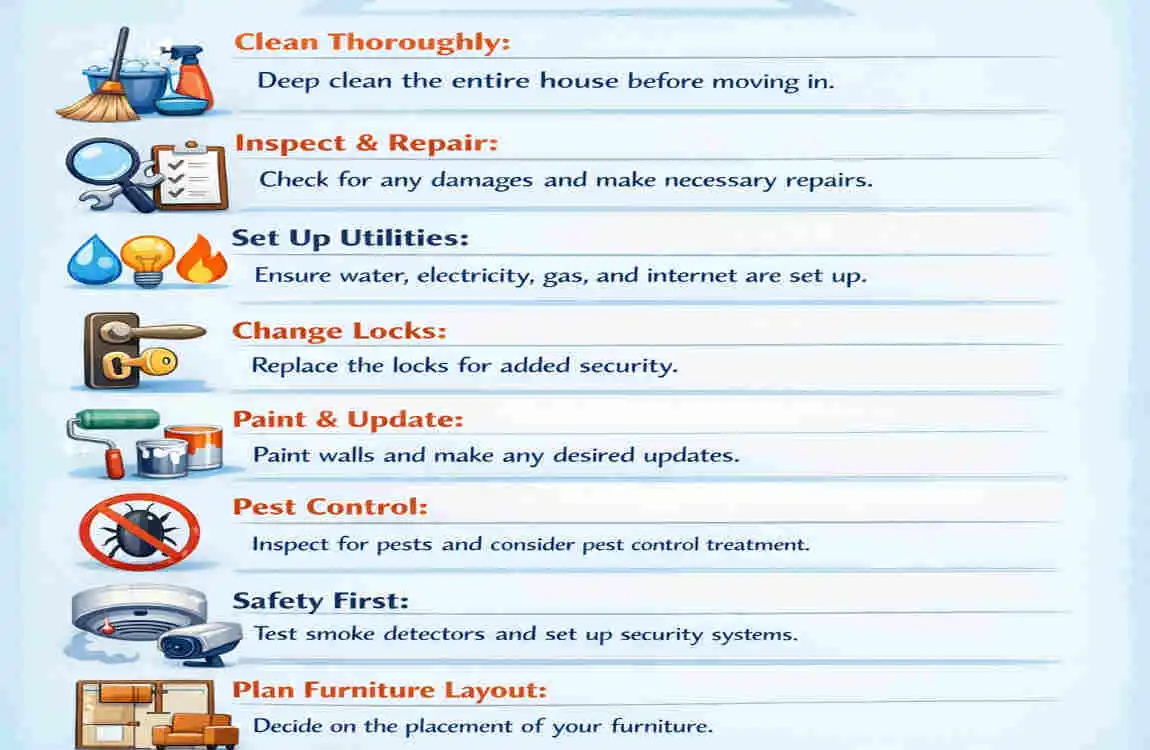
Before moving in, make sure your new home is ready for your family. This makes the first day much easier and avoids last-minute frustration.
Check the following:
- Electricity and water supply
- Internet connection
- Door locks
- Smoke detectors
- Basic cleaning
- Heating or cooling systems
- Light bulbs and appliances
These may seem like small things, but they shape your first impression and comfort level right away.
Clean Before Unpacking
It is much easier to clean an empty home than a fully furnished one. If possible, give the house a good clean before boxes arrive. Focus on kitchens, bathrooms, floors, and surfaces.
A clean space feels more welcoming. It also helps you settle in with a little more peace of mind. You will not have to move around furniture or boxes to reach dusty corners.
Set Up the First Night
Think about what your family will need during the first night in the new home. You do not need to unpack everything. You only need to make the first evening comfortable.
Try to have these ready:
- Beds or sleeping spaces
- Toiletries
- Towels
- Phone chargers
- Basic kitchen items
- Snacks and water
- Children’s favourite blankets or toys
When the first night feels calm and simple, the rest of the move often feels more manageable too.
Make Moving Day Stress-Free
Start Early and Stay Calm
Moving day tends to feel busy no matter how well you plan. That is normal. The best way to handle it is to start early and keep your pace steady. Rushing usually creates more problems than it solves.
Wake up early, have breakfast, and go over the plan one last time. If everyone knows what is happening, the day will feel more organised. Try to stay calm even if small delays happen. A relaxed tone from you can help the whole family stay steady.
Keep Kids and Pets Safe
Children and pets often get restless on moving day. There are boxes everywhere, doors are opening, and people are coming and going. This can be overwhelming and even unsafe.
It helps to arrange childcare, ask a relative for help, or set up a safe room where children can stay away from the main activity. For pets, keep food, water, and familiar items close by and make sure they are secure.
This protects them and gives you more space to focus on the move itself.
Carry Important Items Yourself
Never pack your most important documents in the moving truck if you need them right away. Keep them with you in a bag or folder. This includes passports, IDs, school records, medical documents, and bank papers.
It is also smart to keep cash, keys, medication, and essential phone chargers nearby. If you can reach important items quickly, you will feel much more in control.
Do a Final Walkthrough
Before leaving your old home, walk through each room carefully. Check cupboards, drawers, closets, the attic, and storage spaces. It is easy to miss small items when the house is full of boxes.
A final walkthrough helps you leave with confidence. You will know that nothing important has been forgotten and that the house is ready for the next chapter.
Unpack in Order
Start with the Most Important Rooms
You do not need to unpack everything on the first day. In fact, trying to do too much can leave you feeling tired and frustrated. A better approach is to unpack in a clear order.
Start with the rooms you need most:
- Kitchen essentials
- Bedrooms
- Bathroom supplies
- Living room
- Decorative items
This order helps your family function normally sooner. Once the basics are in place, the rest becomes easier.
Focus on Function First
At first, your new home does not need to look perfect. It just needs to work well for daily life. Make sure beds are set up, food can be prepared, and everyone can wash and rest comfortably.
Once those basics are in place, you can move on to organising shelves, hanging pictures, and arranging decorations. That slower approach makes the process feel less overwhelming.
Give Yourself Time
It is easy to feel pressure to have everything finished right away. But a home does not become organised in one day. It takes time, and that is completely fine.
Try to unpack a little each day instead of forcing everything at once. This helps you avoid exhaustion and keeps the process moving without burning out.
Tips for Settling Into Your New Community

Introduce Yourself to Neighbours
A simple hello can go a long way. When you meet your neighbours, you start to build a sense of belonging. You do not need a perfect introduction. A friendly smile and a few kind words are enough.
Small conversations can help your family feel less like visitors and more like part of the community.
Explore the Area Together
Take time to walk around the neighbourhood and learn where things are. Find the nearest shop, park, school, pharmacy, and medical centre. This gives everyone a sense of direction and confidence.
You can also turn this into a family outing. Exploring together helps children feel more comfortable and gives everyone something positive to look forward to.
Register Important Services and Activities
After the move, take care of practical tasks like school registration, healthcare appointments, and local memberships. These steps may seem routine, but they make settling in much easier.
The sooner these are handled, the sooner your family can relax and enjoy the new home.
Join in Local Life
Try local events, community groups, sports clubs, or activities that match your family’s interests. This helps you build a routine and connect with people around you. It also makes the area feel more familiar over time.
Even one small activity can make a difference. The goal is not to do everything at once. The goal is to build a life where you are.
Frequently Asked Questions (FAQ)
How far in advance should I start planning a family move?
It is best to start planning 6 to 8 weeks before moving day. This gives you enough time to pack, organise services, and handle school or address updates without rushing.
How can I reduce stress during a family move?
You can reduce stress by making a checklist, packing gradually, involving the whole family, and preparing an essentials bag. Staying organised makes a big difference.
What should be packed last?
Pack daily-use items last, such as toiletries, medications, chargers, important documents, snacks, and a few changes of clothes. Keep them easy to reach.
How can I help my children adjust after moving?
Keep routines steady, talk positively about the move, visit the new area together, and help them settle into school or local activities. Patience matters a lot.
What is an essentials box?
An essentials box is a box or bag that holds the items you need right away after moving. It may include toiletries, medications, chargers, snacks, documents, and basic clothing.
| Topic | Information |
|---|---|
| Purpose | Help families move to a new home with less stress and better organization. |
| Best Time to Plan | Start planning 6–8 weeks before moving day. |
| Create a Checklist | Make a moving timeline with tasks, deadlines, and important contacts. |
| Declutter First | Donate, sell, or recycle items you no longer need before packing. |
| Pack Room by Room | Label each box clearly with its room and contents for easier unpacking. |
| Keep Essentials Handy | Pack a separate bag with clothes, toiletries, medications, snacks, chargers, and important documents. |
| Involve Children | Let kids help pack their belongings and explain the moving process to reduce anxiety. |
| Protect Valuables | Carry jewelry, passports, financial documents, and electronics with you. |
| Hire Movers or DIY | Compare costs and choose the option that fits your budget and schedule. |