Modern shingle-style homes bring together two things many homeowners love: the warmth of classic architecture and the clean comfort of today’s design. They feel familiar, relaxed, and elegant at the same time. If you have ever seen a home with soft wood shingles, graceful rooflines, and a strong connection to the landscape, you already have a sense of this style’s charm.
What Are Modern Shingle Style Homes?
A Clear Definition
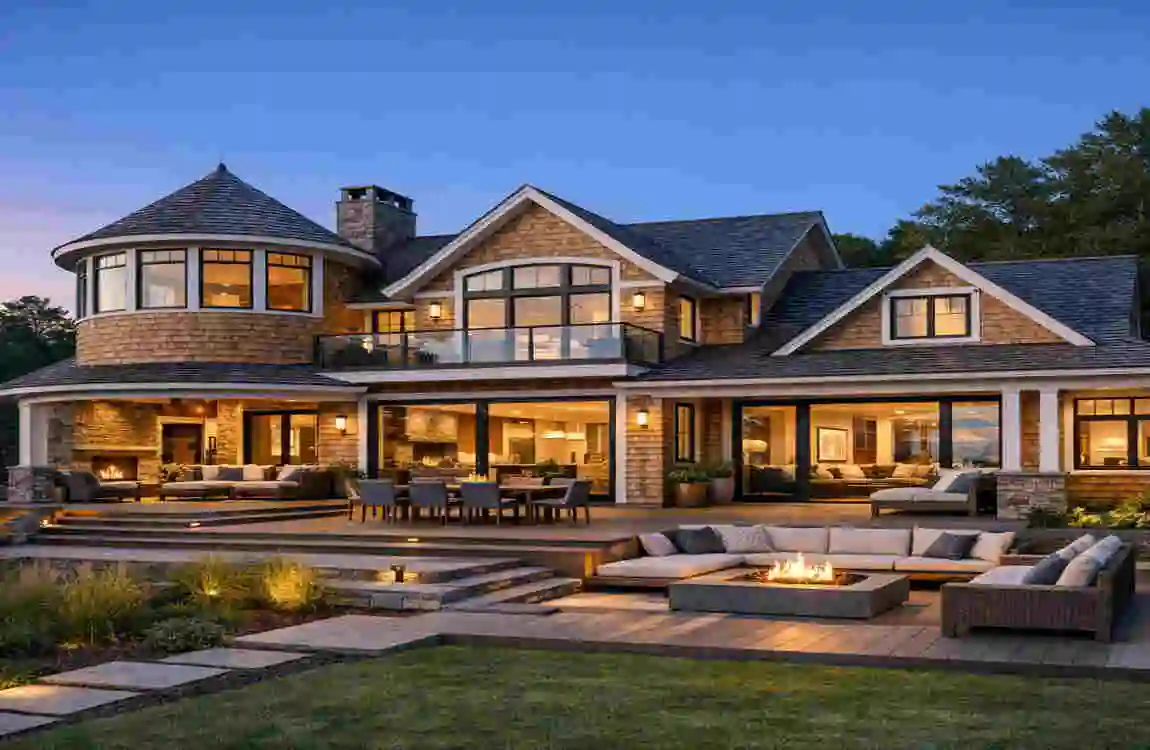
At its core, a shingle-style home is a house whose exterior is wrapped in wood shingles, usually in a continuous surface that creates texture and visual flow. The style began as a distinctly American architectural look, and it quickly became known for its relaxed elegance. Instead of relying on heavy ornament, it uses shape, line, and material to create interest.
A modern shingle-style home retains that same spirit while updating it for contemporary living. The exterior may still use shingles, but the layout, windows, interior flow, and construction details often feel much more open and practical. In other words, the house respects tradition without feeling stuck in the past.
How the Style Has Evolved
Traditional shingle homes were often large and complex, with dramatic rooflines, asymmetrical forms, and porches that wrapped around the house. They often felt grand but still casual. Modern versions keep the softness and texture, but they usually simplify the massing and remove some of the extra decorative detail.
That shift matters. It allows the house to look more streamlined while still feeling warm and inviting. Modern shingle-style homes often feature cleaner lines, larger glass areas, and more open interiors. You may also see updated materials mixed in, such as steel accents, composite shingles, or sleek black window frames.
Why Homeowners Love This Style
Many homeowners are drawn to this style for three simple reasons:
- Timeless beauty: It does not depend on a passing trend.
- Design flexibility: It works in coastal, suburban, and even mountain settings.
- Natural connection: It feels connected to the land, the light, and the surroundings.
If you want a home that feels comfortable and refined without looking too formal, this style gives you a strong middle ground. It is welcoming, not flashy. It is elegant, not cold. That is a big reason why modern shingle-style homes continue to gain popularity.
Historical Background of Shingle Style Architecture
Where It Began
Shingle Style architecture originated in the United States in the late 1800s, particularly in wealthy coastal areas of the Northeast. It emerged at a time when American architects were seeking a style that felt more relaxed and less dependent on European rules. The result was a home style that felt organic, free, and deeply rooted in its setting.
These early homes often appeared in places like summer communities, beach towns, and wooded retreats. They were meant to be part of the landscape, not separate from it.
Influences Behind the Style
Shingle Style did not appear out of nowhere. It grew from several important influences:
Colonial Architecture
Colonial homes contributed a sense of balance, proportion, and familiarity. The Shingle Style borrowed some of that restraint, softening the overall look and making it more casual.
Queen Anne Style
Queen Anne homes were known for their complexity, towers, and decorative details. Shingle Style borrowed some of that asymmetry and roof drama but stripped away much of the ornament. The result was still rich in form, but more unified in appearance.
Arts and Crafts Movement
The Arts and Crafts movement valued handmade quality, natural materials, and simplicity. That philosophy fits beautifully with Shingle Style, which often highlights wood, stone, and a less formal relationship with the surrounding environment.
From Historic Mansions to Modern Homes
Some of the earliest Shingle Style homes were large and ambitious. They made strong statements through form rather than decoration. Over time, architects saw that the style could be adapted for smaller, more practical, and more contemporary homes.
That is where today’s modern shingle-style homes come in. They preserve the style’s old soul while adjusting the scale, layout, and materials for modern families. This evolution makes the style especially useful for people who want character without the burden of a purely historic house.
Key Characteristics of Modern Shingle Style Homes
Exterior Design Elements
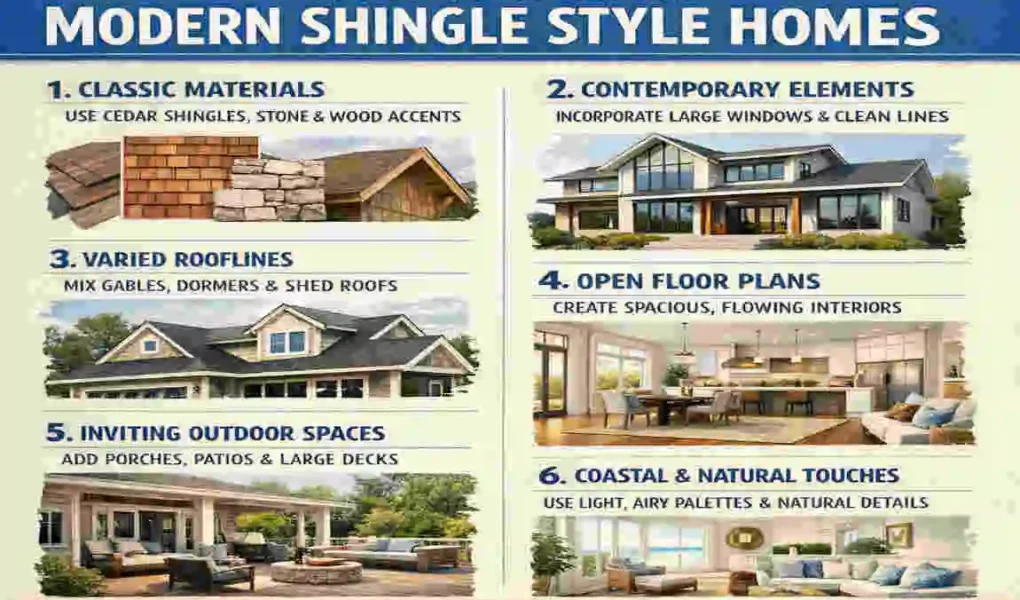
The exterior is where this style makes its strongest impression. One of the most recognizable features is continuous wood shingle cladding. Instead of mixing too many surface treatments, the home often uses shingles across much of the exterior. That creates a smooth, unified appearance with a natural texture.
Another signature trait is asymmetry. Modern shingle-style homes rarely look perfectly balanced in a rigid way. Instead, they often feature offset wings, varied roof heights, and interesting building shapes. This gives the home a more relaxed and organic presence.
Rooflines also play a major role. You may see:
- Gables
- Dormers
- Cross roofs
- Steep or varied pitches
These details add depth and visual interest without making the home feel fussy.
Large porches and covered entryways are also common. They help the house feel inviting and create a smooth transition between the indoors and outdoors.
Materials Used
Material choice is a huge part of the style’s identity. Traditional homes often used cedar shingles, which age beautifully and create a weathered look over time. Cedar remains a popular choice because it fits the style so naturally.
Other common materials include:
- Stone foundations
- Natural wood accents
- Trim in painted or stained finishes
- Composite shingles for lower maintenance
Modern homes may combine these materials in more refined ways. For example, a shingle-clad upper level may sit above a stone base, or a wood porch ceiling may pair with black metal lighting and simple railings. The goal is to keep the home grounded in natural textures while making maintenance easier.
Color Palette
The color palette for modern shingle style homes is usually soft and understated. Think about gray, beige, white, sand, weathered brown, and muted green. These colors help the home blend into its environment rather than dominate it.
Many homeowners also choose finishes that age gracefully. A lightly weathered look can be a good thing in this style because it adds character. The goal is not to make the house look old on purpose, but to make it feel naturally settled.
Architectural Features
The best shingle-style homes feel both open and cozy. That may sound like a contradiction, but it is actually one of the style’s greatest strengths. The exterior often has a generous, flowing shape, while the interior can still feel intimate and comfortable.
Large windows are important because they bring in natural light and connect the home to its setting. Modern homes may use tall windows, picture windows, corner glass, or grouped openings to brighten the interiors. This helps the style feel fresh and livable.
Modern Interpretations in Contemporary Architecture
A Cleaner, Simpler Look
Contemporary architects often take the old shingle style and strip it down to its essentials. That means fewer decorative details, simpler roof shapes, and more emphasis on proportion. The home still feels rooted in the style, but it looks lighter and more current.
This cleaner look is especially appealing to homeowners who want a classic home without the heaviness of a historic replica. It creates a house that feels respectful rather than overly nostalgic.
Mixing Old and New Materials
Modern shingle style homes often combine traditional textures with newer building materials. You might see glass railings, steel framing, concrete details, or dark metal accents. These elements bring a sharper edge to the softer wood and stone surfaces.
When done well, this mix creates a beautiful balance. The shingle texture keeps the home warm, while the modern materials keep it crisp and fresh. That contrast is one of the reasons the style works so well in contemporary architecture.
Open-Concept Living
Older homes often had more separate rooms. Today’s homeowners usually want more flow, and modern shingle-style homes often respond with open-concept layouts. The kitchen, dining area, and living room may connect more naturally, which makes the house feel brighter and easier to live in.
This does not mean the home loses its cozy character. Smart design can create open spaces that still feel intimate. For example, ceiling changes, built-in furniture, or fireplace placement can help define each zone without closing off the room.
Smart and Sustainable Features
Modern versions of this style often include smart home technology, better insulation, and energy-efficient systems. Homeowners want beauty, but they also want comfort and lower operating costs. That is why contemporary shingle homes often include practical upgrades hidden within their traditional shell.
You may also see sustainable choices like reclaimed wood, low-VOC finishes, energy-efficient windows, and thoughtful shading. These features support healthier living and reduce long-term energy use.
Coastal Luxury Meets Everyday Simplicity
One of the strongest appeals of this style is its ability to feel luxurious without feeling stiff. It works beautifully in coastal areas where homeowners want a relaxed atmosphere with high-end finishes. At the same time, it also fits suburban or wooded settings where comfort and privacy matter.
That wide range is part of the style’s modern success. It can look elegant on a cliff above the ocean, but it can also feel right at home on a quiet family street.
Interior Design Concepts for Modern Shingle Style Homes
Open Floor Layouts
Inside a modern shingle-style home, the flow of space matters just as much as the exterior. Open floor plans are often a major feature because they make the home feel airy and flexible. A connected kitchen, dining room, and living area encourage family interaction and support everyday life.
Natural light becomes even more important in these layouts. Large windows, glass doors, and well-placed skylights can help the inside feel bright and balanced. If you are designing this kind of home, think about how light moves through the space during the day.
Interior Materials
Interior materials should reflect the same natural feeling as the exterior. Light oak wood works beautifully for floors, beams, or cabinetry because it adds warmth without feeling heavy. Stone fireplaces create a strong focal point and add texture.
Textiles also matter. Linen, cotton, wool, and other natural fabrics help the rooms feel soft and easy to live in. These materials are simple, but they create a sense of comfort that suits the style perfectly.
Color Schemes
The best interior colors are usually calm and inviting. Soft whites, warm grays, sandy neutrals, pale blues, and earthy taupes all work well. These shades support the natural light and keep the interior from feeling too busy.
Coastal-inspired color palettes are especially popular in modern shingle homes. They can make the house feel breezy and peaceful, but the palette should stay understated. You want the space to feel relaxed, not themed.
Furniture and Décor
Furniture in this style should be comfortable, useful, and quietly elegant. Oversized pieces can work if the room has enough space, but the overall look should not feel crowded. Clean lines, soft fabrics, and natural finishes usually fit best.
Decor should also feel thoughtful rather than excessive. Handmade pottery, woven baskets, framed art, and artisanal lighting can add personality without overpowering the room. If you are decorating your own home, choose fewer pieces of better quality. That approach fits the spirit of the style much more than filling the room with trendy items.
Making the Interior Feel Cohesive
The interior should feel like a natural extension of the outside. That means matching textures, repeating colors, and keeping the mood consistent. For example, if the exterior uses weathered shingles and stone, the interior might echo that with pale wood, soft linen, and a stone hearth.
This kind of cohesion makes the entire house feel intentional. Every room may have its own purpose, but the home should still tell one clear story.
Benefits of Modern Shingle Style Homes
Modern shingle style homes offer a long list of advantages, which helps explain why so many homeowners and designers are drawn to them.
Main Benefits
- Strong curb appeal: The style feels elegant, warm, and distinctive.
- Long-lasting materials: Wood, stone, and quality composites can perform well over time.
- Design flexibility: It works in different settings and can lean toward traditional or contemporary styles.
- Energy efficiency potential: Modern construction methods can improve comfort and reduce energy use.
- Blend of old and new: You get historic character with modern convenience.
- High resale appeal: In many luxury markets, the style feels desirable and timeless.
What makes these benefits especially appealing is that they do not depend on fashion. A well-designed shingle-style home can look good for decades because the style is rooted in proportion, texture, and natural materials.
Design Process: How to Build a Modern Shingle Style Home
Planning Stage
Every strong home design starts with a solid plan. First, you need to define your budget, your site location, and your overall goals. Ask yourself what you want the home to feel like. Do you want a relaxed beach house, a family home in the suburbs, or a retreat in the hills?
This is also the time to choose the right architectural firm. You want a team that understands both the traditional and modern sides of the style. A good architect will help you balance beauty, function, and cost.
It also helps to study the land itself. The size of the lot, the direction of the sun, the site’s slope, and the views all influence the final design. A shingle style home should respond to its surroundings, not fight them.
Design Development
Once the plan is in place, the design moves into development. This is where sketches become more specific, and decisions start to take shape. You will look at room layouts, roof design, exterior proportions, window placement, and material choices.
This stage is especially important because the exterior and interior must work together. The home should look graceful from the street and also function well for daily life. That means paying attention to circulation, storage, light, and privacy.
You should also choose finishes early. Wood shingles, trim colors, stone types, flooring, countertops, and fixtures all need to support the same overall vision. If you wait too long, the design can lose focus.
Construction Phase
Construction brings the design to life, but it also introduces new challenges. The foundation and framing must be handled with care because shingle-style homes often have complex rooflines and varied shapes. Those details require precision.
Shingle installation is another important step. Whether you are using real cedar or a composite option, the siding must be placed neatly. Hence, the texture looks clean and continuous. Poor installation can weaken the entire effect.
Roofing and structural detailing also matter. Dormers, gables, porches, and overhangs should all feel balanced. If one part is too heavy or too small, the house can lose its harmony.
Common Mistakes to Avoid
Even a beautiful style can go wrong if the details are not handled carefully. Here are some of the most common mistakes to avoid when designing modern shingle-style homes.
Mistakes That Can Hurt the Design
- Over-modernizing the home
- If you add too much glass, steel, or sharp geometry, you can lose the style’s warm identity.
- Using low-quality synthetic materials
- Cheap substitutes may save money at first, but they often make the house look flat or fake.
- Ignoring roof proportions
- Rooflines are a major part of the style. If they are too bulky or too plain, the home loses character.
- Placing windows poorly
- Bad window placement can hurt both the look of the house and the quality of the interior light.
- Mixing clashing interior styles
- A rustic exterior with a highly industrial or overly ornate interior can feel disconnected.
The key is balance. You want the home to feel updated, but still recognizable as a shingle-style house.
Cost Considerations
What Affects the Price?
The cost of modern shingle-style homes can vary a lot. There is no single price point because so many details affect the final number. Materials, location, site conditions, labor costs, and design complexity all play a part.
If you use real cedar shingles, stonework, custom windows, and high-end interior finishes, the cost will rise. If you choose simpler lines, modest square footage, and durable composite materials, you may be able to keep expenses more manageable.
Typical Cost Drivers
Cost Factor How It Affects Price Notes
Materials : Higher-quality wood, stone, and windows increase costs. Natural materials usually cost more than basic alternatives.
Design complexity: More rooflines, dormers, and custom details raise labor needs. Simpler shapes are usually more budget-friendly
Location : Coastal and high-demand markets often cost more . Labor and permit costs may be higher, too.
Site conditions: Slopes, drainage, and difficult access add expense. Flat, easy sites are usually simpler.
Finishes Premium kitchens, baths, and custom interiors raise the total Interior choices can shift the budget dramatically.
Long-Term Value
Even though the upfront cost can be significant, many homeowners see good long-term value in this style. The timeless look can help with resale, and quality materials often age well. That makes the home feel like an investment rather than just a building project.
Sustainability and Energy Efficiency
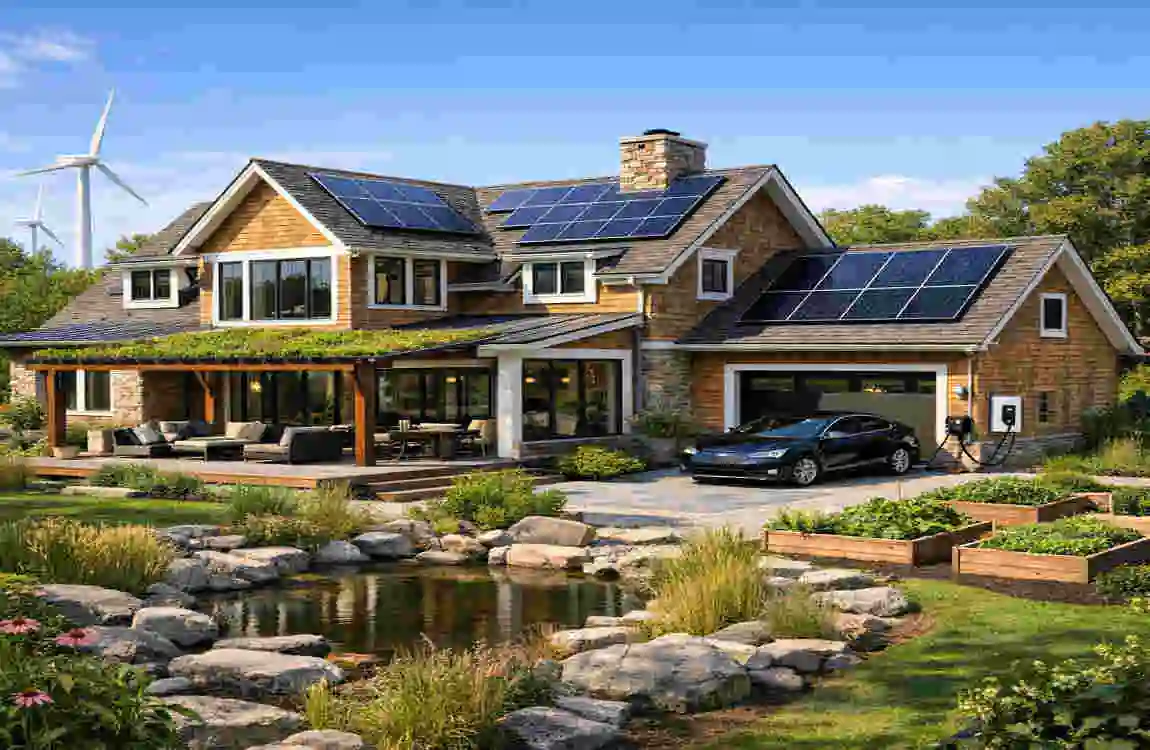
Eco-Friendly Materials
Modern shingle-style homes can be built with sustainability in mind. Reclaimed wood, responsibly sourced shingles, recycled insulation, and low-emission finishes can all reduce environmental impact. These choices also support healthier indoor air quality.
Shingle Siding and Insulation
Shingle siding itself can work well with modern insulation systems. When paired with a properly sealed wall assembly, the exterior can help maintain indoor comfort. This matters in both hot and cold climates because better insulation can reduce energy use.
Solar and Smart Systems
Many homeowners today want to include solar panels, smart thermostats, and energy monitoring systems. These features can be blended into the design if planned early. For a shingle-style home, roof shape matters, so it is important to place solar systems carefully to preserve the house’s appearance.
Efficient Windows and Roofing
Energy-efficient windows are one of the smartest upgrades you can make. They help with temperature control, reduce drafts, and improve comfort. Roofing materials also matter, especially if you live in a place with strong sun, heavy rain, or snow.
Green Building Potential
If you want your home to perform well over time, consider green building standards or certifications. Even if you do not pursue formal certification, you can still make smart choices that lower energy use and reduce waste. The style’s natural materials and simple form make it a good candidate for sustainable design.
Best Locations for Modern Shingle Style Homes
Coastal Regions
This style feels especially natural near the water. Coastal homes benefit from the relaxed, weathered look of shingles and the informal elegance of covered porches, large windows, and open views. The style’s history also connects strongly with seaside living.
Suburban Luxury Neighborhoods
Modern shingle-style homes also work beautifully in upscale suburban neighborhoods. They stand out without feeling loud. They can offer curb appeal, comfort, and a refined sense of place.
Mountain Retreats
In wooded or mountainous settings, the style’s natural textures blend well with trees, stone, and changing seasons. The house feels grounded and calm, which makes it a strong choice for a retreat or vacation home.
Why Setting Matters
The environment influences every part of the design. A shingle style house should respond to light, climate, and scenery. When the design fits the location, it feels more authentic and more beautiful.
Expert Tips for Designing Modern Shingle Style Homes
If you want your home to feel truly successful, keep these practical tips in mind.
FAQs
What defines modern shingle-style homes?
Continuous shingle exteriors, asymmetrical forms, varied rooflines, and natural materials define modern shingle style homes. The modern version updates the traditional style with cleaner lines, larger windows, open layouts, and contemporary features.
Are shingle-style homes expensive to build?
They can be. Costs depend on the size of the home, the materials you choose, the complexity of the design, and the location of the build. Custom details and Premium finishes usually raise the price.
What materials are commonly used?
Common materials include cedar shingles, stone, wood trim, and modern composite alternatives. Inside, you may also see oak, linen, stone, and other natural finishes.
Can shingle-style homes be energy efficient?
Yes. With proper insulation, high-performance windows, efficient roofing, and smart building systems, these homes can be highly energy-efficient. Sustainability can fit naturally into the design.
Where are these homes most popular?
They are especially popular in coastal areas, luxury suburbs, and mountain or wooded retreats. The style works well wherever natural surroundings and relaxed elegance are important.
| Design Element | Modern Shingle Style Features |
|---|---|
| Roof Style | Gambrel roofs (modern preference) over traditional gable/hip; complex rooflines with multiple shapes and heights |
| Exterior Cladding | Cedar or wood shingles with varied patterns; shingles run up to windows for seamless look |
| Windows | Large windows and glass doors; dormer windows for upper-level light; black-painted frames mimicking steel |
| Floor Plan | Open layouts connecting living/dining/kitchen; high ceilings; spacious social atmosphere |
| Materials | Mixed materials: stone, metal, reclaimed wood for contrast; monolithic granite chimneys |
| Facades | Asymmetrical facades; unadorned surfaces without excessive decoration |
| Outdoor Spaces | Decks, terraces, patios, covered balconies; seamless indoor-outdoor blending |
| Trim & Details | Clean modern trims contrasting textured shingles; no crown moldings; flush baseboards |
| Focus | Views and nature connection; natural light; inviting indoor-outdoor flow |