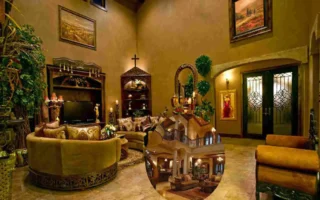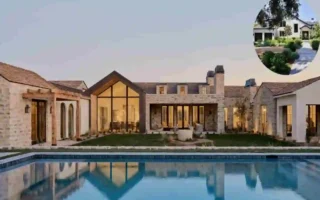
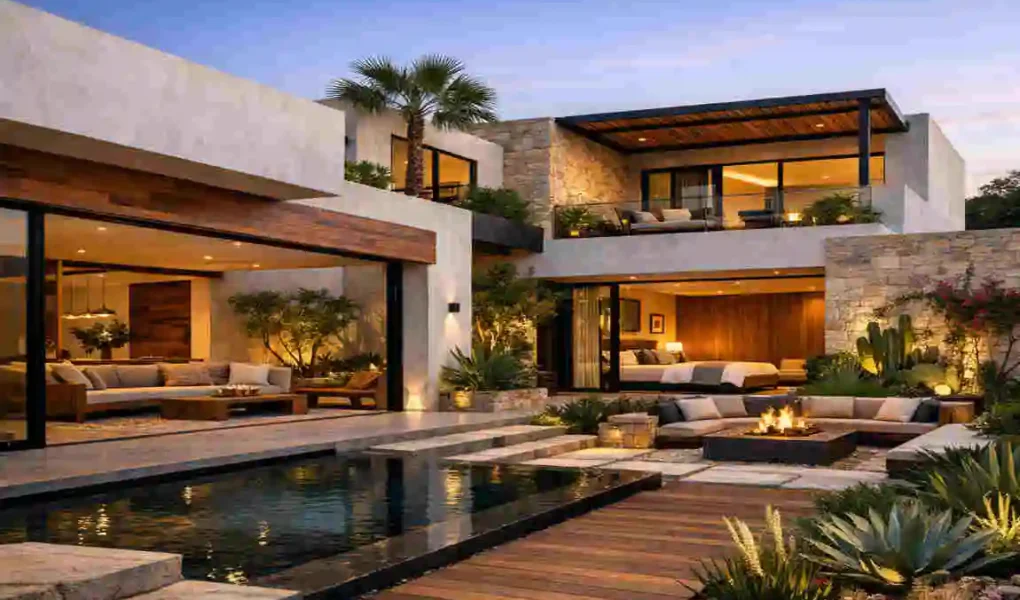
Imagine a home that feels warm and welcoming, lets in plenty of natural light, and still stands strong in an earthquake. That is the beauty of modern Mexican homes. They mix old-world charm with fresh ideas, creating spaces that feel both stylish and practical.
Evolution of Modern Mexico Homes
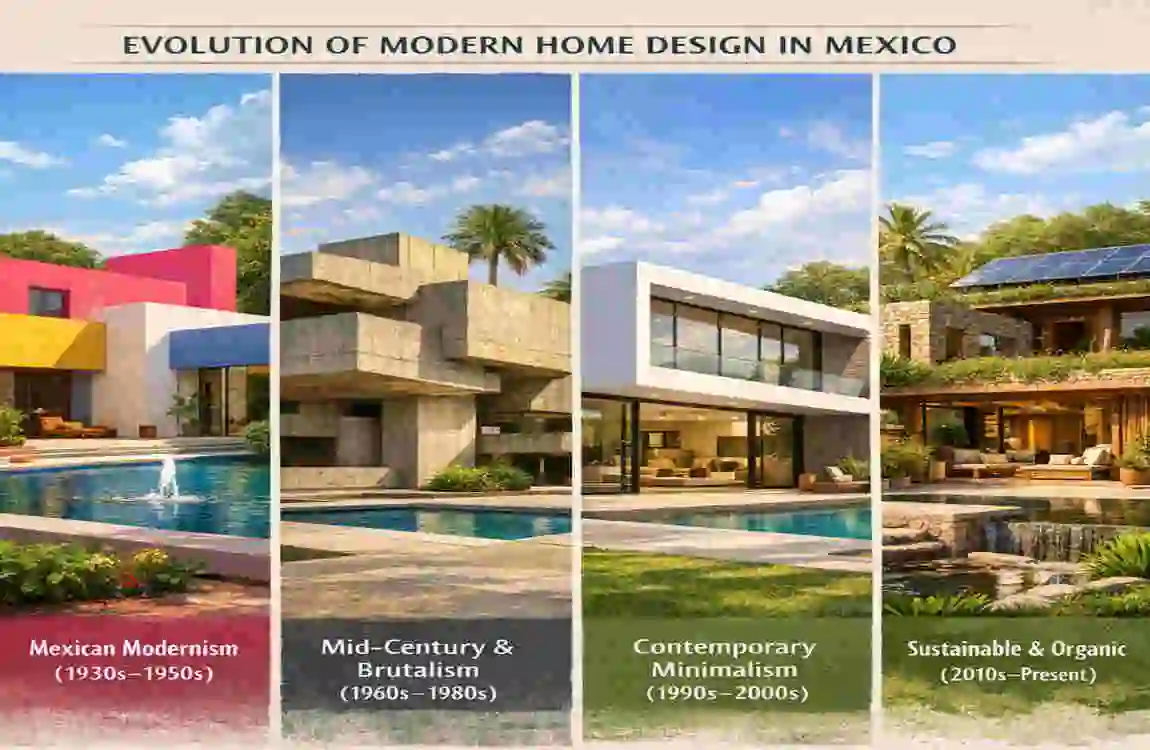
Modern Mexican homes did not appear overnight. They grew from a long history of building with the climate, land, and culture in mind.
From Tradition to Modern Style
Older Mexican luxury homes often used adobe, clay brick, stone, and wood because these materials were local and easy to work with. Spanish colonial homes also added patios, thick walls, and shaded courtyards that helped keep interiors cool.
As cities grew, builders started using concrete and reinforced structures. This made homes stronger and better suited to urban life. Over time, architects began combining traditional textures with cleaner modern lines. The result is a home style that feels rooted in history but ready for today.
Why This Style Works So Well
Modern Mexican homes are popular because they solve real problems. They handle heat, support airflow, and can be built to resist seismic movement. At the same time, they still feel beautiful and human.
That mix of comfort, safety, and character is what makes the style stand out.
Key Materials Used in Modern Mexican Homes
The materials in these homes are not chosen only for looks. They are chosen for performance, too.
Concrete and Block Construction
Concrete is one of the most common materials in modern Mexican homes. It is strong, durable, and useful in areas where earthquakes are a concern. Builders often use concrete blocks for walls and poured concrete for beams and floors.
This material gives homes a solid base and a modern appearance. It also works well with smooth finishes, such as stucco, which can be painted in many colors.
Brick and Adobe
Clay brick and adobe are still loved in Mexico, especially in homes that want a more natural or rustic feel. Brick brings warmth and texture. Adobe helps regulate indoor temperatures by retaining heat during the day and slowly releasing it at night.
These materials are especially useful in homes that want a traditional-modern blend.
Wood, Stone, and Clay Tiles
Many modern Mexican homes also use wood, stone, and clay roof tiles to add softness and character. These natural elements make the house feel warmer and more connected to the land.
They are often used in detail rather than the whole structure, which keeps the home looking balanced and modern.
Material Comparison Table
Material: Main Benefits, Possible Downsides, Best Use
Concrete Blocks Strong, affordable, earthquake-friendly. Can feel heavy or plain —urban homes.
Clay Brick Natural, local, attractive. Less flexible in design. Modern-rustic homes
Adobe Eco-friendly, temperature control. Needs more maintenance, Traditional-style homes.
Wood Warm, natural, elegant. Needs care in humid areas. Accents and interiors.
Stone Durable, timeless look. Can be expensive —features and exterior walls.
How Modern Mexican Homes Are Built
The building process is usually practical and carefully planned. Each stage supports both beauty and safety.
The Foundation
The foundation is one of the most important parts of the home. In many areas of Mexico, builders use reinforced concrete foundations to help homes remain stable during seismic activity.
A strong foundation gives the rest of the house a reliable base. It is the first step toward ensuring the structure lasts.
Walls and Framing
After the foundation is laid, builders add the main structure. Many modern Mexican homes use reinforced beams and columns, often called castillos and dalas. These help the household hold its shape and improve stability.
Walls may be made from concrete block, brick, or a mix of both. Builders often include openings, screens, or patterned details that allow light and air to move through the home.
The Roof
Flat concrete roofs are common in modern designs. They are practical, durable, and easy to pair with rooftop gardens, skylights, or solar panels.
Some homes also use roof terraces or open patios, turning the roof into another living space.
Finishing Touches
The last stage gives the home its personality. This is where texture, color, and handcrafted details come in. You might see warm earth tones, carved wood, patterned screens, or hand-applied plaster.
These finishing touches make the home feel lived-in and inviting, rather than cold or overly simple.
What Makes Modern Mexican Homes So Distinctive
One of the biggest reasons people love this style is that it balances modern design with local character.
Open Courtyards and Patios
Courtyards are a classic feature in Mexican architecture. In modern homes, they still play a major role. They bring in light, improve airflow, and create a calm outdoor space for family life.
A patio can also help connect indoor and outdoor living, which is a big part of the style.
Clean Lines with Warm Details
Modern Mexican homes often use simple shapes and clean geometry. But they do not feel cold. Why? Designers soften the look with warm materials, natural textures, and earthy colors.
This contrast gives the home a peaceful and balanced feel.
Climate-Friendly Design
Many homes are designed to stay cool naturally. Thick walls, shaded openings, high ceilings, and cross-ventilation all help reduce the need for constant air conditioning.
That is not just smart design. It also supports a more sustainable way of living.
Regional Differences Across Mexico
Mexico is a large country, so home design varies by region.
Urban Homes
In cities like Mexico city, homes often feature concrete construction, compact layouts, and multi-level planning. Space is limited, so the design must be efficient and strong.
Coastal and Hot Regions
In warmer areas, builders focus more on shade, airflow, and light materials. Open patios, covered walkways, and ventilation features are especially important.
Rural Homes
In rural areas, homes may use more brick, adobe, stone, and natural finishes. These homes often feel more grounded and connected to traditional building methods.
Cost & Trends modern mexico homes
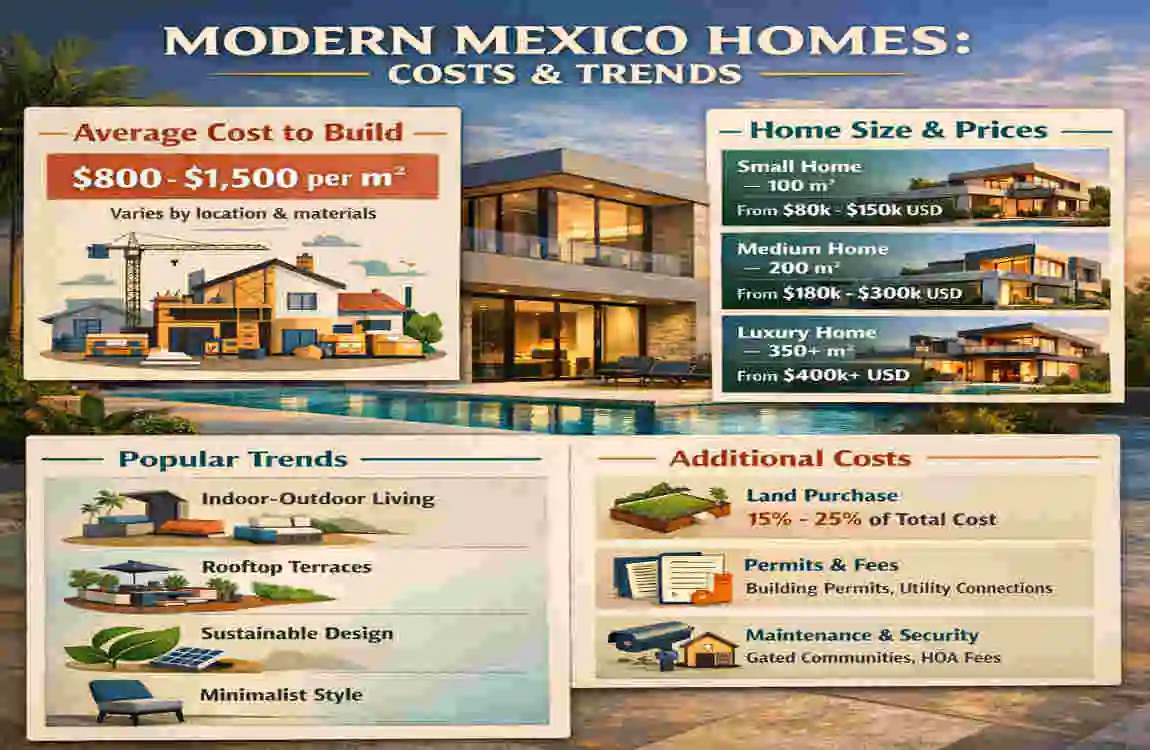
Modern Mexican homes continue to evolve, but a few trends are clearly growing.
- More sustainable materials
- Better indoor-outdoor living
- Smarter use of natural light
- Mixing traditional textures with modern layouts
- Earthquake-aware structural design
These trends show that the future of Mexican home design is not about choosing between old and new. It is about thoughtfully combining both.
FAQs
How much do modern Mexican homes cost to build?
The cost varies by region and finish level. Still, a turn-key home is often around $145 per sq ft in 2026, and a 2,000 sq ft home can run about $220,000–$300,000 USD depending on materials and finishes. Another guide says a complete move-in-ready home may cost about 4 to 6 million pesos, depending on the location and scope.
Are they earthquake-proof?
I can’t confirm whether “earthquake-proof” is present in the provided search snippets. Modern homes in Mexico are commonly planned with cost, structure, and regional conditions in mind, and pricing/building choices vary by area and construction type.